
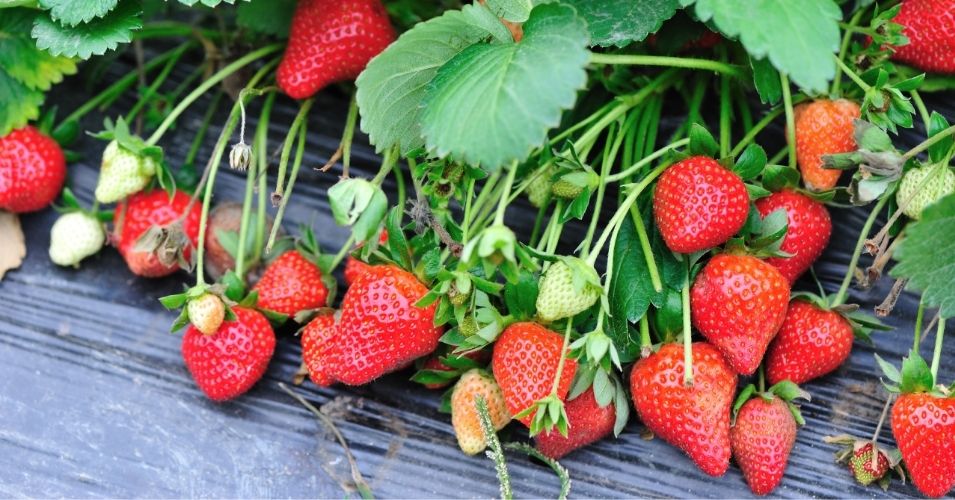
Strawberries are one of the sweetest rewards of summer, but they need the right care to truly thrive in the heat.
When temperatures rise, these delicate plants can struggle with dryness, pests, and stress. With a few simple habits, you can keep your strawberry plants healthy, productive, and full of flavor all season long.
This guide will walk you through everything you need to know, from watering and feeding to protecting your plants from common summer problems.
Keep Your Strawberry Plants Cool and Stress Free in Summer Heat
Summer sunshine helps strawberries ripen into sweet, juicy fruit, but too much heat can quickly turn a healthy plant into a struggling one.
When temperatures climb, strawberry plants lose water faster, and their leaves can begin to wilt or scorch. If this stress continues, fruit production slows, and the berries may become smaller or less flavorful.
One of the easiest ways to help your plants stay comfortable is to provide light shade during the hottest part of the day.
A simple cloth, garden netting, or even positioning containers where they receive morning sun and afternoon shade can make a noticeable difference. This small adjustment reduces the intensity of direct sunlight without blocking the light strawberries need to grow.
Air circulation is just as important as shade. Plants that are crowded together trap heat and moisture, creating an environment where stress and disease can build up.
Give each plant enough space so that air can move freely around the leaves. This helps cool the plants naturally and keeps them dry, which lowers the risk of fungal problems.
Another helpful step is checking the soil regularly. Soil that becomes too hot and dry can damage roots and slow down growth.
Lightly loosening the top layer of soil can prevent it from becoming compacted, allowing water to reach the roots more easily. Healthy roots are better able to handle heat and keep the plant balanced.
Strawberries respond quickly when their environment improves. By reducing heat stress and creating a cooler, more stable growing space, you give your plants the chance to keep producing strong leaves and flavorful fruit throughout the summer.
Water the Right Way When the Soil Dries Out Fast
In summer, watering strawberries becomes more about timing and consistency than simply adding more water.
Hot weather causes moisture to disappear quickly from the soil, and shallow strawberry roots can dry out before you even notice. When this happens, plants may look tired, and berries may be small or uneven.
The best approach is to water deeply rather than frequently. A slow, thorough soak encourages roots to grow deeper into the soil, where moisture lasts longer.
This makes plants more resilient during hot spells. Light surface watering might seem helpful at first, but it often leaves the deeper soil dry, which weakens the plant over time.
Early morning is the ideal time to water. The soil has a chance to absorb moisture before the heat of the day arrives, and leaves can dry naturally as the sun rises. Watering in the evening can sometimes leave plants damp overnight, which may increase the chance of disease.
Pay attention to how the soil feels rather than sticking to a strict schedule. If the top few centimeters feel dry, it is usually time to water again. If it still feels slightly moist, you can wait a little longer. This simple habit helps prevent both underwatering and overwatering.
It also helps direct water toward the base of the plant rather than spraying the leaves. This ensures that moisture reaches the roots where it is needed most.
With the right watering routine, strawberry plants stay steady and hydrated, allowing them to keep producing fresh, sweet berries even during the hottest weeks of summer.
Feed Your Strawberries for Bigger Harvests and Better Flavor
Strawberry plants use a lot of energy during summer. They are not only growing leaves, but also producing flowers and ripening fruit at the same time.
Without the right nutrients, plants can slow down, and the berries may lose some of their sweetness and size. Feeding your strawberries properly helps them stay strong and productive through the busiest part of the season.
A balanced fertilizer is a good place to start. Look for one that supports both growth and fruiting, rather than one that pushes only leafy development.
Too much nitrogen can lead to big green plants with fewer berries, which is not what most growers want. A mix that includes phosphorus and potassium helps support flowering and fruit quality.
Applying fertilizer in small amounts regularly often works better than giving one large dose. This steady supply keeps nutrients available without overwhelming the plant.
Liquid feeds are especially useful in summer because they are absorbed quickly, giving plants a fast boost when they need it most.
Natural options can also be very effective. Compost, well-rotted manure, or organic liquid feeds can improve both plant health and soil quality over time. These options release nutrients gradually and help build a healthier growing environment overall.
It is important to watch how your plants respond. Pale leaves or slow growth can signal that they need more feeding, while overly lush growth with few flowers may mean you need to ease back. Paying attention to these signs helps you adjust your approach and keep your plants balanced.
With the right feeding routine, strawberries can produce larger, sweeter fruit and continue to flower throughout the season. A well-nourished plant has the energy to keep going, giving you a steady supply of berries to enjoy.
Use Mulch and Soil Care to Lock in Moisture
Hot summer days can dry out soil faster than expected, especially in shallow-rooted plants like strawberries.
Keeping moisture in the soil is one of the most important steps you can take to protect your plants. This is where mulch and simple soil care practices make a real difference.
Mulch acts like a protective layer over the soil. Materials such as straw, wood chips, or even grass clippings can help slow down evaporation.
By covering the soil surface, mulch keeps it cooler and reduces how quickly water escapes into the air. This means your plants stay hydrated longer, even in warm weather.
Another benefit of mulch is that it helps prevent weeds from taking over. Weeds compete with strawberries for water and nutrients, which can weaken your plants. A good layer of mulch limits weed growth, allowing your strawberries to make full use of the available resources.
Soil structure also plays a key role in holding moisture. Soil that is loose and rich in organic matter can absorb water more easily and hold onto it for longer. Adding compost is a simple way to improve this. It helps the soil stay soft and supports healthy root development.
It is important not to pile mulch directly against the crown of the plant. Leaving a small gap allows air to circulate and prevents excess moisture from building up around the base. This reduces the risk of rot and keeps the plant healthy.
When you combine mulch with good soil care, you create a more stable environment for your strawberries. Moisture stays where it is needed, roots remain healthy, and plants are better prepared to handle the heat. This steady foundation supports consistent growth and a more reliable harvest throughout the summer.
Pick Ripe Berries and Encourage More to Grow
Harvest time is the most rewarding part of growing strawberries, but the way you pick them can also affect how many more berries your plants produce.
Strawberries do not continue to ripen after they are picked, so timing matters. A fully ripe berry will have a rich, even color and a sweet aroma that is easy to notice. If the tip is still pale, it is best to leave it for another day or two.
Try to check your plants often during peak season. Berries can ripen quickly in warm weather, sometimes in just a day or two.
Regular picking prevents fruit from becoming overripe, which can attract pests and lead to rot. It also signals the plant to keep producing more flowers and fruit.
When harvesting, use a gentle touch. Instead of pulling the berry, pinch or snip the stem just above the fruit. This protects the plant and prevents damage to nearby buds that may still be developing. Keeping the plant intact helps it remain productive for longer.
Removing damaged or diseased fruit is just as important as picking ripe ones. Any berries that show signs of mold or decay should be taken away from the plant area. This keeps problems from spreading and allows the plant to focus its energy on healthy growth.
You can also encourage continued production by trimming away runners if you are not planning to propagate new plants. Runners take energy away from fruit production, so removing them helps direct that energy back into flowers and berries.
With consistent harvesting and a bit of care, strawberry plants often respond by producing more blooms. This creates a steady cycle in which picking fruit leads to even more to enjoy in the weeks ahead.
Final Thoughts
Caring for strawberries in summer is all about balance. Heat, water, nutrients, and timing all play a role in how well your plants perform. Small adjustments, like watering deeply or adding mulch, can have a big impact over time.
By paying attention to your plants and responding to their needs, you create the conditions for steady growth and sweet, flavorful fruit.
With the right care, your strawberry plants can stay healthy and productive all season long, giving you plenty to harvest and enjoy.