
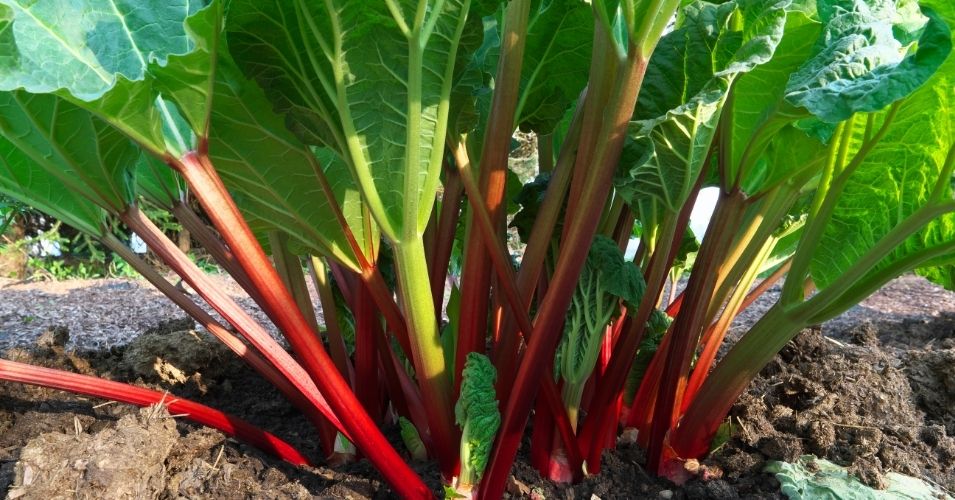
Rhubarb is a hardy perennial that many gardeners treasure for its tart stalks and dependable returns each spring.
While it may appear to die back in fall, this season is one of the most important times to give it proper care. The work you do in fall ensures the plant rests well, stores energy in its roots, and comes back stronger when warmer days arrive again.
By focusing on soil health, pruning, feeding, and protection, you prepare rhubarb for the challenges of winter.
Fall is the season where future harvests are quietly secured beneath the soil.
Cut Back Foliage After the First Frost
Rhubarb plants put on a strong display of large green leaves during the growing season, but once fall arrives and frost touches the garden, these leaves lose their strength.
The first frost signals the end of active growth and the beginning of dormancy, which is why this is the best time to cut back the foliage. Doing so helps protect the plant’s crown and directs energy into the roots where it will be stored for the following spring.
When frost strikes, the leaves quickly become limp, dark, and prone to disease. If left in place, they can rot on the soil surface and invite problems like crown rot or fungal infections that may harm the plant through the winter months. Cutting the foliage away prevents these issues and keeps the rhubarb patch clean and healthy.
To remove the foliage, use a sharp pair of garden shears or a knife. Cut the leaves and stalks down to just a few inches above the crown. Be careful not to slice into the crown itself, as any injury at this stage can leave the plant vulnerable to disease.
Remove all plant material from the garden bed rather than leaving it to decompose in place, since rhubarb leaves contain oxalic acid and can be toxic if consumed by pets or livestock.
Another reason to cut back foliage is to reduce hiding spots for pests. Slugs, snails, and other insects may take shelter under the broad, decaying leaves if they are left behind. By clearing them away, you reduce the chance of unwanted visitors lingering in your rhubarb bed.
Once the foliage has been removed, the plant can focus on resting through the cold months. The crown will draw upon the energy stored in the roots and be ready to push up fresh stalks when spring warmth returns.
Cutting back after frost is a simple but vital task that sets your rhubarb up for a healthier and more productive season ahead.
Add Compost and Organic Matter to the Soil
Healthy soil is the foundation of strong rhubarb growth, and fall is the perfect time to improve it.
After the foliage has been cut back and the bed cleared, adding compost and other organic matter enriches the soil, replenishes nutrients, and strengthens the crown for winter dormancy. This step is one of the most effective ways to prepare the plant for another season of growth.
Rhubarb is a heavy feeder, which means it draws a large amount of nutrients from the soil each year. Without replenishment, the soil can become depleted, and the stalks may grow thinner and weaker over time.
By working in compost or well-rotted manure in fall, you give the plant access to the nutrients it needs for long term health.
Spread a generous layer of compost two to three inches thick around the base of the plant, keeping it a few inches away from the crown to prevent rot. Over the winter months, rain and snow will slowly carry the nutrients down into the soil, where they become available to the roots.
This natural process of enrichment means that when spring arrives, the rhubarb has everything it needs to push up vigorous new stalks.
Organic matter also improves the soil’s structure. Compost helps sandy soil retain more moisture and makes clay soil drain more easily, creating a balance that rhubarb thrives in. It encourages earthworms and beneficial microbes that continue to break down organic material even in colder months, keeping the soil lively and fertile.
Some gardeners also add leaf mold or shredded leaves to the bed in fall. These materials break down more slowly than compost, but they add valuable humus to the soil and improve its ability to hold both air and water. The combination of compost and leaf matter creates a rich, crumbly soil texture that rhubarb roots love.
By giving attention to soil health in fall, you build a solid foundation for the next year’s harvest. Adding compost and organic matter is a simple task, yet it makes a lasting difference in the strength, flavor, and productivity of your rhubarb plants.
Mulch and Moisture Control for Winter Readiness
As the temperatures drop and the days grow shorter, rhubarb prepares to rest underground until spring. While the plant itself is tough and resilient, its crown and roots still need protection from the harsh conditions of winter.
Mulching and moisture management are two of the most important steps you can take in fall to ensure your rhubarb survives the cold and emerges healthy once the growing season returns.
Mulch acts like a blanket for the soil, shielding the crown and roots from sudden temperature changes. Freezing and thawing cycles can be especially damaging because they cause the soil to expand and contract, which may push the crown upward and expose it to freezing air. A thick layer of mulch keeps the soil temperature more stable and reduces this risk.
Materials such as straw, shredded leaves, or pine needles work well for rhubarb. Apply the mulch after the foliage has been cut back, spreading it two to four inches deep around the plant.
Be sure to leave a small space directly above the crown uncovered to allow air circulation and prevent rot. Over the winter, the mulch will slowly break down, adding nutrients to the soil while protecting the roots.
Moisture control is equally important in fall. Rhubarb requires a steady level of soil moisture throughout the growing season, but too much water in winter can be harmful. Saturated soil during chilly weather can suffocate the roots or cause them to rot.
To prevent this, make sure the soil drains well before heavy rains or snow arrives. If your soil tends to hold water, mix in compost or sand to improve its texture.
Watering in late fall is recommended just before the ground freezes. Moist soil holds heat better than dry soil, which gives the roots an added layer of protection. However, avoid overwatering, as standing water around the crown can quickly lead to damage.
By combining a protective layer of mulch with careful attention to moisture, you create the ideal environment for your rhubarb to rest safely through the winter. When the frost finally melts and spring returns, the plant will have the strength to produce thick, flavorful stalks once again.
Dividing Crowded Rhubarb Crowns
Rhubarb plants are long lived perennials, and with time they can grow large and crowded. When this happens, the stalks often become thinner, and the plant produces fewer harvestable stems.
Dividing the crowns is an effective way to refresh your rhubarb patch, restore vigor to older plants, and create new starts for other areas of the garden. Fall is one of the best times to do this work because the plant is entering dormancy and can recover more easily from the process.
You will know it is time to divide your rhubarb when the clump has grown very wide or when productivity begins to decline. A plant that once gave thick, juicy stalks may start producing many thin ones instead. This signals that the crown has become too crowded, and the roots are competing for resources.
To divide rhubarb, begin by cutting back the foliage after the first frost. Then carefully dig around the crown with a spade, lifting it from the soil with as many roots intact as possible. Large crowns can be heavy, so take care when moving them. Once lifted, use a sharp knife or spade to cut the crown into sections. Each piece should include at least one strong bud and a portion of healthy roots.
Choose a new planting site with rich, well-drained soil and full sun. Rhubarb prefers slightly acidic soil, so adding compost before replanting is helpful.
Dig a hole large enough for the roots to spread, then place the division at the same depth it grew before. Space divisions at least three feet apart to give them room to mature without crowding.
After replanting, water the divisions deeply and cover the soil with a protective layer of mulch. This shields the roots from the cold and helps the plant establish itself before winter sets in. The divisions will rest quietly through the cold months, then send up fresh stalks when the soil warms in spring.
Dividing rhubarb crowns not only restores productivity but also extends the life of your patch for many years to come. With this simple fall task, you can enjoy healthier plants and even share divisions with friends or expand your garden.
Protect Plants from Harsh Cold
Rhubarb is a hardy perennial, yet even tough plants benefit from added protection when winter temperatures drop. While the roots and crown can survive cold conditions, extreme freezes or repeated cycles of freezing and thawing can cause damage.
Preparing your rhubarb for harsh cold in fall ensures the plant remains strong and ready to regrow when spring warmth returns.
One of the most effective ways to protect rhubarb is by applying a thick layer of mulch after the first frost. Mulch keeps the soil temperature stable and prevents the crown from being exposed during cold snaps.
Without this insulation, the soil can expand and contract, pushing the crown above ground where it becomes vulnerable. A covering of straw, shredded leaves, or pine needles provides excellent insulation while still allowing air to circulate.
Snow can also function as a natural protective blanket. However, because snow is unpredictable, you should not rely on it as your only safeguard. A prepared layer of mulch ensures the rhubarb remains protected regardless of whether snowfall is heavy in your area or not.
Another step to consider is covering the rhubarb bed with a breathable fabric such as burlap or garden cloth if your winters are particularly severe. This extra barrier shields the crown from icy winds and heavy frost while preventing excess moisture from building up. Avoid plastic, as it traps condensation and can lead to rot.
Watering in late fall just before the ground freezes is another helpful measure. Moist soil holds warmth better than dry soil, giving the roots a slight buffer against extreme temperatures. A deep soak followed by mulching provides an ideal level of protection.
Finally, location matters. If possible, plant rhubarb in spots naturally shielded by fences, walls, or hedges. These structures reduce the impact of cold winds and help retain a slightly warmer microclimate around your plants.
Protecting rhubarb from harsh cold is not complicated, but it makes a significant difference in plant health. With a combination of mulch, moisture management, and shielding from the elements, your rhubarb will endure the winter safely and return with vigor in spring.
Final Thoughts
Fall is the season when rhubarb prepares for a long rest, but it is also the season when gardeners set the stage for next year’s growth.
By cutting back foliage, enriching the soil, applying mulch, dividing crowns, and shielding plants from cold, you provide every tool the plant needs to stay strong through winter.
These steps may seem simple, yet they create lasting results. Each layer of care builds resilience that shows in thicker stalks, healthier crowns, and more productive harvests.
With the right preparation, rhubarb will greet the spring ready to reward your effort with the vibrant growth and tart flavor that make it a garden favorite year after year.