
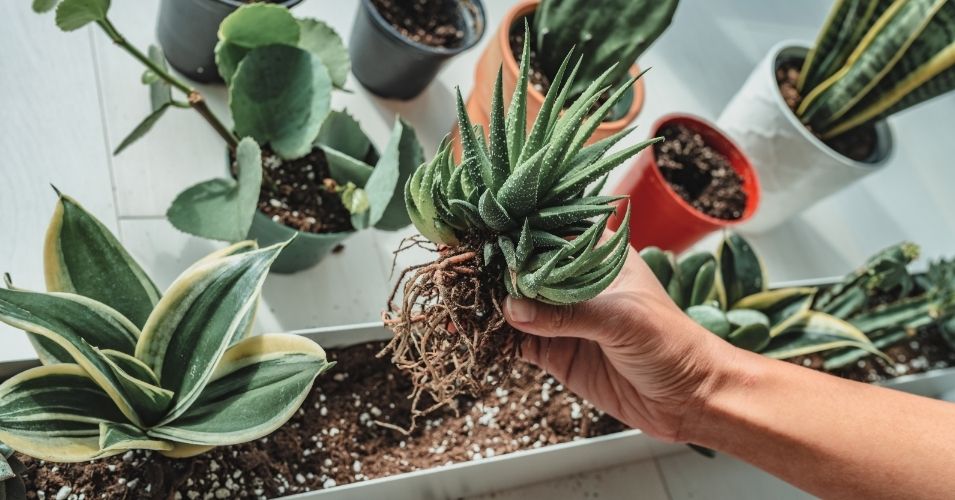
Repotting houseplants is usually seen as a spring or summer task, but winter can be the perfect time for certain plants to settle into a fresh pot and healthier soil.
Many indoor plants actually slow down just enough in winter to handle a gentle move without stress, especially if they are varieties that actively grow during the cooler months.
With the right timing, winter repotting gives these plants room to stretch their roots before the busy growing season begins again, resulting in stronger, happier greenery that lasts all year.
Why Some Plants Benefit From Winter Repotting
Repotting is usually linked with warm weather, but certain plants experience surprising advantages when given a new pot in winter.
Their roots often rest or slow just enough during this time, which means the shift into new soil feels gentle rather than disruptive.
The cooler indoor temperatures also slow evaporation, so newly repotted plants can adjust without sudden thirst or rapid soil drying. Another helpful factor is that indoor environments stay more stable in winter because heating systems keep temperatures predictable.
A steady environment allows root systems to settle into fresh soil without dealing with quick temperature swings. When a plant sits in compacted or depleted soil during winter, its roots may stay cold and damp for too long.
Fresh soil improves drainage, helping prevent rot and providing the plant with a healthier foundation for the upcoming growing season. Plants that naturally put out winter growth, even if it is slow, benefit greatly because the new pot provides a clean space where their roots can expand without resistance.
On top of that, winter repotting prevents you from overwhelming your plants during spring, when they juggle new leaves, longer days, and faster growth. By giving some of them a head start in winter, you reduce the stress they face when the active growing season arrives.
Repotting in winter can also make pest management easier. Pests like fungus gnats love old, damp soil. Switching to a fresh mix during the cold months deprives them of their habitat before spring warmth increases their activity.
All of these reasons create a perfect recipe for a peaceful transition. Winter repotting is not about rushing the process. It is about giving certain plants a thoughtful boost when conditions are soft, quiet, and forgiving.
Cool-Season Growers That Love a Fresh Pot
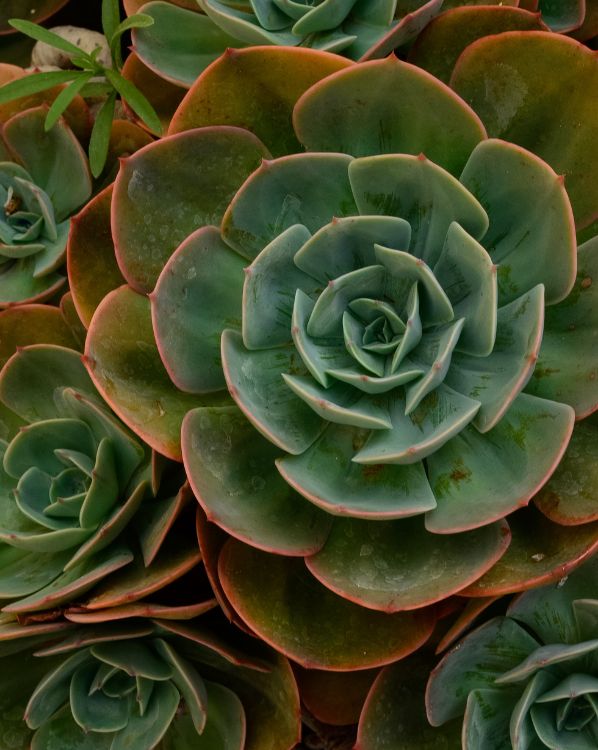
Some plants thrive when the days grow short, and these cool-season growers often welcome a fresh pot right in the heart of winter.
One classic example is the African violet. These soft, velvety plants stay active through the colder months, and they reward winter care with bursts of colorful blooms. When planted in fresh soil during winter, African violets show improved root health and fuller flowers once light levels rise again.
Cyclamen is another cold-loving plant that appreciates winter attention. Its tubers send up flowers and patterned leaves when temperatures fall, making winter its primary season of growth. Repotting cyclamen during this window helps the tuber breathe in loose soil instead of sitting in compacted dirt.
Herbs such as parsley and cilantro continue to grow indoors during winter as long as they receive enough light. They react well to repotting because their roots tend to tangle and tighten quickly in small containers. Giving them more room mid-winter ensures they keep producing fresh leaves.
Some succulents also lean toward cool-weather growth, especially varieties like Haworthia. These compact plants prefer bright winter windows without excessive heat. Refreshing their soil in winter allows their roots to stretch comfortably before the stronger sunlight of spring appears.
Even certain ferns show winter activity. The bird’s nest fern, for example, often pushes out new fronds in cooler indoor conditions. Repotting at this time gives the plant space to build a fuller shape.
The key trait all these plants share is that they do not shut down in winter. They keep growing, even if slowly, and they make good use of the fresh nutrients and improved drainage that come from a repot.
Because their energy is already flowing during the cold months, they settle into new soil with little resistance.
These cool-season growers treat winter not as a pause but as an opportunity. A well-timed repot gives them the foothold they need to thrive in the brighter months ahead.
Tropical Houseplants That Handle Winter Repotting Well
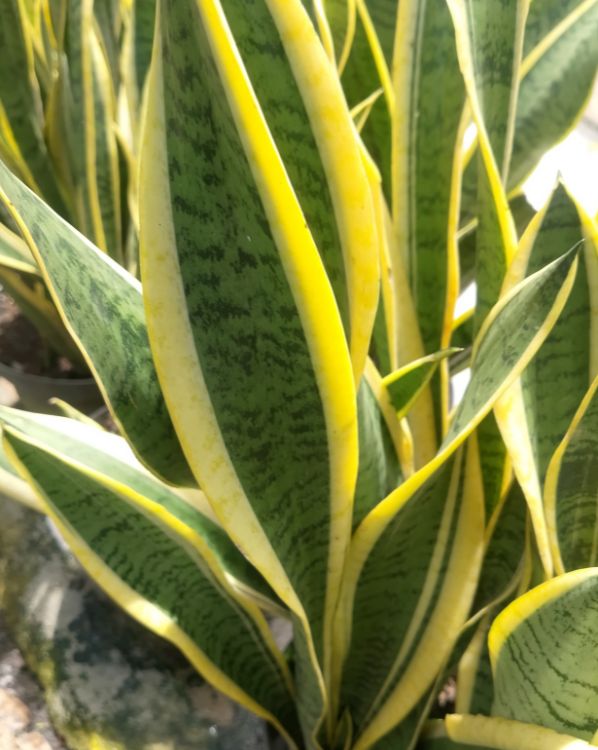
Many tropical houseplants may seem too delicate for winter repotting, but several species adapt surprisingly well when given the right indoor conditions.
Because most tropicals live in climates with steady temperatures year-round, a controlled indoor environment actually mimics their natural stability. This makes winter a comfortable time for them to settle into new soil as long as they receive enough warmth and light.
One of the most flexible tropicals is the pothos. It keeps producing slow but steady growth through winter, which allows it to adjust to a new potting mix without shock. A pothos in fresh soil often develops stronger trailing vines once spring arrives.
Philodendrons also respond well to winter repotting. Their roots are resilient and appreciate improved drainage during the colder months when overwatering accidents are more common. Placing them in a slightly larger pot with airy soil helps prevent soggy roots and encourages healthier leaf production later.
Peace lilies are another tropical plant that can handle a mid-winter change. These plants may bloom at various times of year, and winter repotting reduces the likelihood of root crowding that can limit flower growth. Their ability to adjust quickly makes them one of the more forgiving choices for a winter soil refresh.
Snake plants, though often treated like succulents, are tropical natives as well. They do not grow rapidly in winter, but their thick roots adapt well when placed in a pot that allows airflow and space. Winter repotting helps stabilize their root structure and can reduce the risk of rot caused by old, compacted soil.
Even smaller tropicals like peperomias benefit from winter changes, especially if their soil has broken down or become too dense.
The key to success is maintaining consistent temperatures and avoiding drafts. Tropicals need gentle handling during winter, but many flourish when given a refreshing reset at this quieter time.
With patience and soft indoor lighting, tropical houseplants can be transitioned into new soil and fully prepared for the active growth that warmer seasons bring.
How to Know Your Plant Is Ready for a New Home
Knowing when to repot can feel confusing, but plants leave clear signals once you learn how to spot them.
Roots are usually the most obvious clue. If they circle the soil surface or push through the drainage holes, the plant is clearly asking for more room. Sometimes roots even lift the plant upward, creating a mound of growth that no longer sits level in the pot.
Soil condition is another strong indicator. When the soil becomes hard, crusty, or pulls away from the sides of the pot, it no longer holds water the way it should. Old soil also loses nutrients, which leaves plants with pale leaves or slow growth. If watering runs straight through the pot without soaking in, the mix has likely broken down too much.
Plants can also show stress through their leaves. Yellowing, browning tips, or sudden drooping often come from root restriction, especially when watering habits are consistent and pests are not involved.
Another sign is when your plant becomes top-heavy or wobbly. A healthy root system should anchor the plant, but if it is packed too tightly, the plant may lean or fall over.
Some plants stop growing entirely when they are long overdue for a repot. A pause in growth during winter is normal, but a prolonged halt combined with other symptoms suggests root crowding.
The presence of pests can also signal the need for new soil. Fungus gnats thrive in old, damp potting mix, and repotting with fresh soil can break their breeding cycle.
Even the pot itself can provide a hint. Cracking pots or mineral buildup around the edges suggests the plant has been in the same container for too long.
By observing these clues, you can confidently decide when to give your plant a new home. A well-timed repot helps restore nutrients, refreshes the root environment, and sets your plant up for stronger and more balanced growth.
Steps for a Smooth and Stress-Free Winter Repot
Repotting in winter can feel intimidating, but with careful steps, you can create a calm experience for both you and your plant.
Begin by choosing the right spot. A warm, draft-free area is ideal because sudden cold air can shock a plant that has just been loosened from its pot.
Gather your supplies before you begin. Fresh potting mix, a clean pot that is one or two inches larger, gloves, and a small tool like a spoon or trowel will help the process stay smooth.
Prepare the new pot by adding a layer of soil to the bottom. This gives the roots a soft base and improves drainage once the plant is in place.
Gently remove the plant from its old pot. Holding it by the base rather than the stems helps prevent breakage. If the plant sticks, squeeze the sides of the pot or tap the bottom of the pot until it loosens.
Inspect the roots before setting the plant in the new container. Healthy roots are usually white or light tan, and they should feel firm. Trim away any mushy, dark, or brittle sections so the plant does not carry unhealthy material into its new soil.
Place the plant in the center of the new pot and begin filling around the sides with fresh mix. Do not pack the soil too tightly because the roots need air circulation. Aim for soil that sits one inch below the rim so watering does not spill over.
Water the plant lightly once the pot is filled. In winter, the goal is moisture without soaking, since lower temperatures slow the drying process.
After watering, place the plant in a stable location with moderate light. Avoid direct sun for a few days, as freshly disturbed roots prefer a gentle environment while they settle.
For the next week, observe your plant but avoid overwatering or moving it around too much. A calm environment helps it adapt to its new space without stress.
With slow and steady care, a winter repot becomes a peaceful reset that your plant can grow from when the new season arrives.
Final Thoughts
Repotting in winter might feel unusual at first, but the process can be rewarding and straightforward when approached with patience.
Certain plants truly benefit from the quieter months, using this time to form stronger roots and prepare for the burst of growth that spring brings.
By choosing the right moment, understanding each plant’s needs, and following gentle steps, you give your indoor garden the best chance to thrive all year long.