
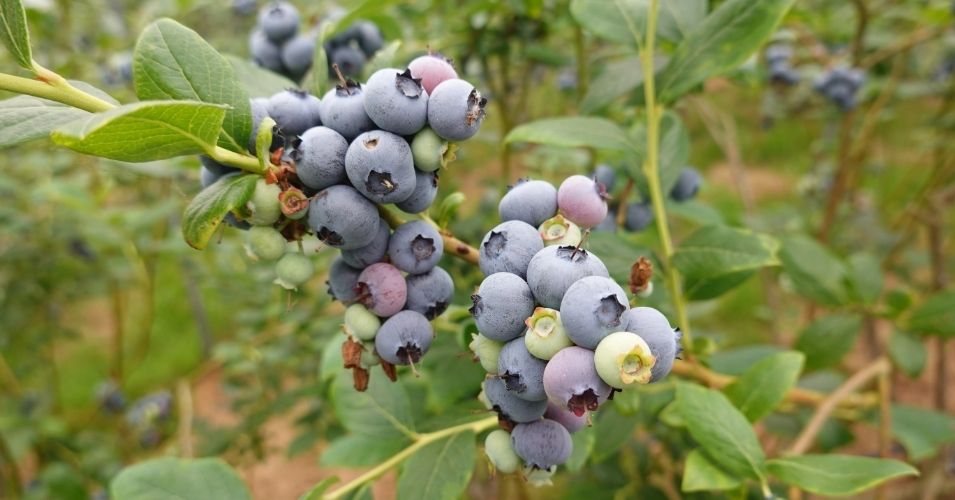
Blueberries are prized in the garden not only for their sweet, flavorful berries but also for their ornamental charm. Their delicate white spring blossoms, lush green summer foliage, and brilliant red fall leaves make them a year-round treasure.
Yet, like most plants, blueberries thrive best when paired with the right companions. Choosing neighbors that share their preferences for acidic soil and consistent moisture can help blueberries grow stronger, resist pests, and yield larger harvests.
Companion planting with blueberries is about more than convenience, it is about creating a garden system that works in balance for beauty and productivity.
Azaleas
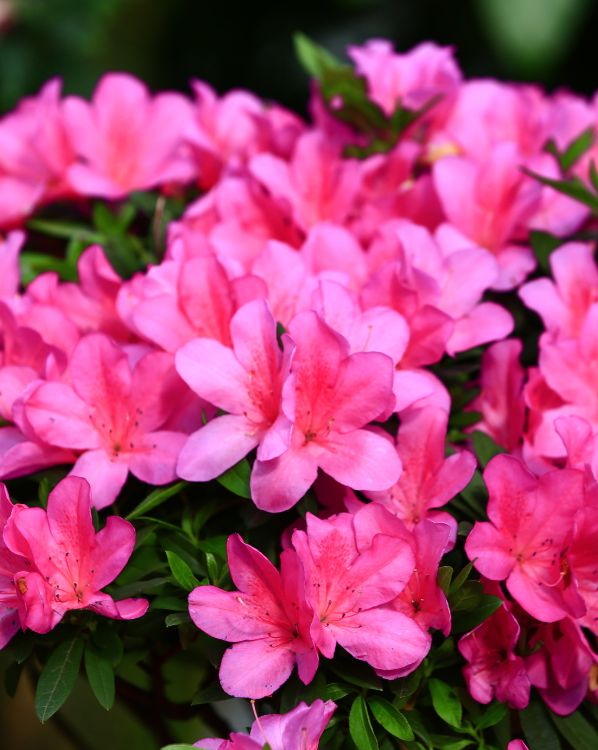
Azaleas make excellent companions for blueberries because they share the same love for acidic soil and consistent moisture. Both plants thrive when the soil pH stays low, often between 4.5 and 5.5, which makes them perfect partners in the same bed.
Gardeners who plant them together avoid the challenge of balancing soil needs for multiple crops, since azaleas and blueberries both prefer similar growing conditions. This shared requirement allows them to flourish side by side without conflict.
One of the key advantages of pairing azaleas with blueberries is their complementary blooming periods. While blueberries provide delicate white or pale pink blossoms in spring, azaleas burst into a vibrant display of reds, pinks, purples, and whites.
The combination creates a breathtaking show that transforms the garden into a colorful retreat. By planting both together, gardeners extend the beauty of the season and create a landscape that feels complete and harmonious.
Azaleas also offer practical benefits as companions. Their dense shrubs act as windbreaks, protecting blueberry plants from harsh breezes that can dry out soil and damage delicate blooms.
This added protection helps maintain moisture around blueberry roots, which is crucial for producing plump and juicy berries. The leafy growth of azaleas further shades the soil, preventing it from overheating in summer and helping to reduce evaporation.
In addition to their shared needs and protective qualities, azaleas help deter pests. Their thick foliage provides habitat for beneficial insects like ladybugs, which feed on pests that could harm blueberry plants. By encouraging a diverse environment, azaleas help create a natural balance in the garden that reduces the need for chemical sprays.
Visually, azaleas and blueberries together form a partnership that feels both elegant and vibrant. The bold colors of azalea blossoms highlight the softer tones of blueberry flowers, while their green foliage blends seamlessly throughout the growing season.
In fall, the fiery leaves of blueberries echo the rich tones of azaleas, creating a finale that feels carefully designed yet completely natural.
Rhododendrons
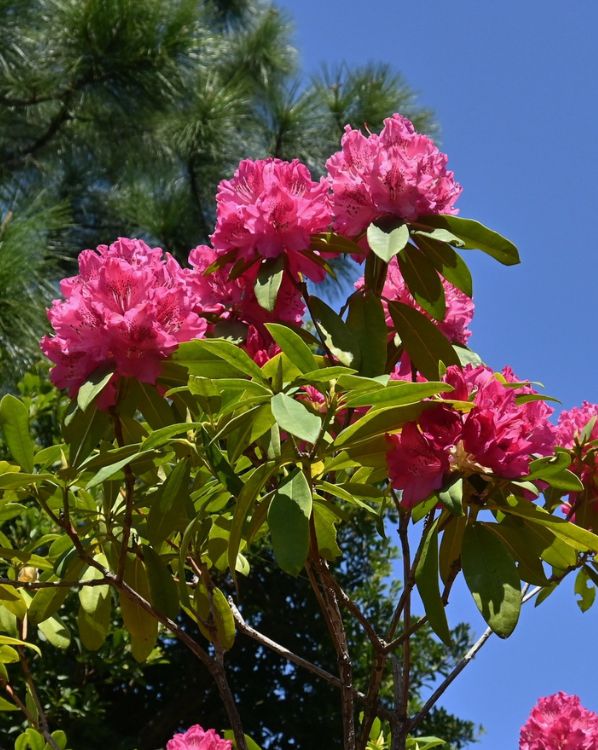
Rhododendrons are another ideal companion for blueberries, sharing their preference for acidic soil and cool, moist conditions. These large shrubs grow in the same environments as blueberries in the wild, often thriving in forest edges or wooded areas with rich, acidic soil.
When planted together in the garden, rhododendrons and blueberries create a natural partnership that feels as if it belongs. Their similar requirements make care simple, as both benefit from the same watering and feeding practices.
One of the most striking advantages of rhododendrons as companions is their ability to provide structure and shelter. With their tall, dense growth, rhododendrons create a protective canopy that shields blueberry bushes from strong winds and excessive sunlight.
This shelter helps blueberries maintain steady soil moisture and reduces stress during hot weather. By acting as natural guardians, rhododendrons ensure that blueberries remain healthier and more resilient throughout the growing season.
Rhododendrons also contribute to the garden’s beauty with their showy clusters of blossoms. Their large, dramatic flowers open in late spring or early summer, overlapping with blueberries blooming and fruiting.
The contrast between blueberry shrubs laden with berries and the vibrant colors of rhododendron flowers makes for a stunning visual display. This pairing not only enhances the productivity of the garden but also adds ornamental value that can rival decorative landscapes.
Beyond their visual appeal, rhododendrons support biodiversity. Their large flowers attract pollinators such as bees, which are also essential for blueberries.
By drawing pollinators into the garden, rhododendrons increase the chances of thorough blueberry pollination, leading to larger and more consistent harvests. The foliage of rhododendrons also creates habitats for beneficial insects that help maintain balance in the ecosystem.
When planted together, rhododendrons and blueberries form a partnership that is both practical and ornamental. They complement one another in growth habits, bloom cycles, and environmental needs.
Together, they create a layered and dynamic garden that provides beauty in every season while supporting strong blueberry harvests.
Strawberries
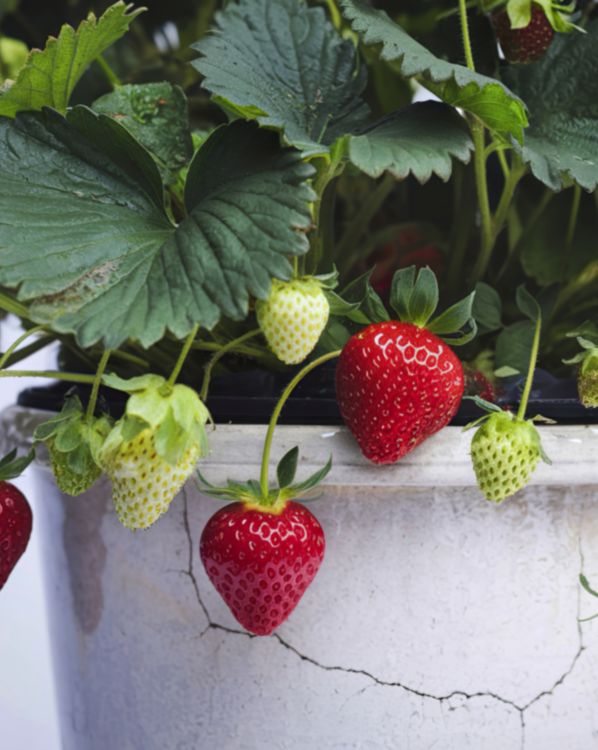
Strawberries are one of the most rewarding companion plants for blueberries because they complement them in both growth and harvest. These low-growing plants spread quickly across the ground, forming a dense carpet of foliage that acts like a living mulch.
This natural groundcover helps maintain the cool, moist soil that blueberries depend on, while also reducing weeds that might otherwise compete for nutrients and water. The two crops together make efficient use of space, with blueberries reaching upward and strawberries covering the earth below.
One of the most appealing aspects of pairing strawberries with blueberries is their shared preference for acidic soil. Both thrive when the soil pH remains low, which means gardeners can create one bed tailored to both plants without having to adjust conditions for each separately. This makes care simple, since watering, mulching, and feeding practices benefit both crops equally.
Strawberries also extend the productivity of the garden by offering their own harvest alongside blueberries. The timing of their fruits often overlaps, with strawberries ripening in early summer and blueberries following soon after.
This creates a season of abundance when gardeners can enjoy baskets filled with two complementary flavors. The combination of sweet strawberries and tangy blueberries has long been a favorite in desserts, jams, and smoothies, making their partnership in the garden just as delightful in the kitchen.
In addition to being practical, strawberries improve the appearance of a blueberry bed. Their green leaves, white blossoms, and bright red berries add layers of color and texture beneath the taller blueberry bushes.
This layered planting creates a garden that looks full and lively throughout the season. Even when strawberries are not fruiting, their foliage remains attractive and continues to serve as groundcover.
By planting strawberries with blueberries, gardeners achieve a partnership that supports soil health, maximizes harvests, and provides beauty. Together, these two fruits create a garden that is both abundant and visually captivating, offering benefits from the ground to the table.
Ferns
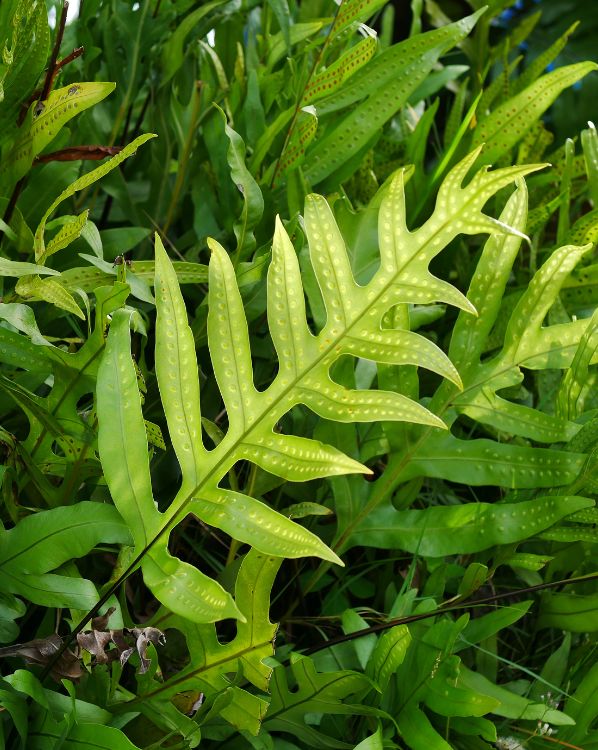
Ferns make an excellent companion for blueberries because they thrive in the same shady, moist conditions and contribute texture and balance to the garden. Their feathery fronds create a graceful backdrop that complements the compact shape of blueberry bushes.
While blueberries provide clusters of flowers and berries, ferns offer greenery that fills in empty spaces and brings softness to the overall design. This pairing feels natural and calming, almost as if both plants belong to the same woodland setting.
One of the key benefits ferns bring to blueberries is moisture retention. Ferns spread wide fronds that shade the soil, helping it stay cool and damp, which is exactly what blueberries prefer.
This natural shading reduces the need for frequent watering and protects blueberries from stress during warmer months. Since ferns do not compete heavily for nutrients, they can share a bed with blueberries without taking away the resources needed for berry production.
Ferns also play an important role in preventing soil erosion. Their roots hold the soil firmly, which is especially useful in sloped or shaded areas where blueberries are often grown.
By stabilizing the ground, ferns protect the root systems of blueberries and keep the soil in place even during heavy rains. This makes them practical as well as ornamental companions.
Another advantage of pairing ferns with blueberries is their ability to create visual interest across the seasons. Blueberries bring blossoms in spring, berries in summer, and colorful foliage in fall.
Ferns, with their lush green fronds, provide a steady backdrop that enhances each of these stages. The contrast between the airy leaves of ferns and the dense clusters of blueberry fruits adds depth and beauty to the planting.
Together, ferns and blueberries create a garden environment that feels peaceful, balanced, and productive. The pairing brings both aesthetic value and functional benefits, making it easy for gardeners to enjoy a space that is as healthy as it is beautiful.
Thyme
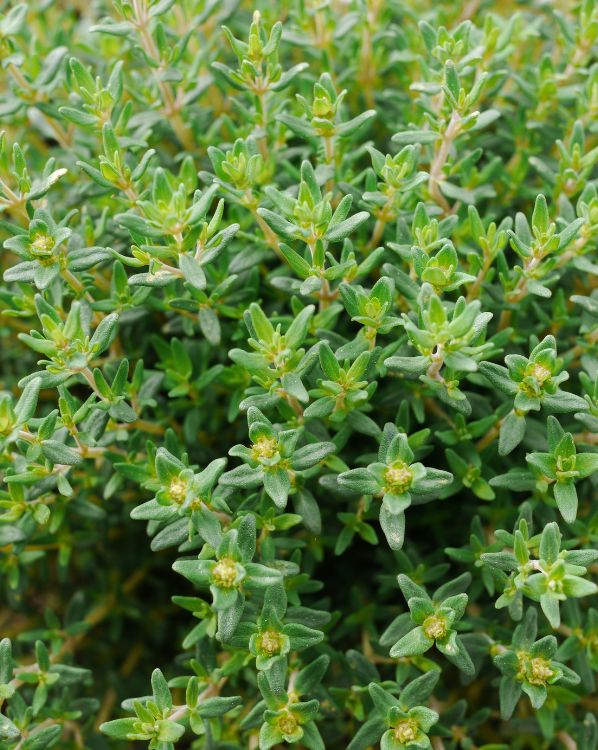
Thyme is one of the most versatile and beneficial herbs you can grow alongside blueberries. This low-growing perennial herb creates a fragrant groundcover that not only looks attractive but also helps protect and support blueberry plants.
Thyme can grow in full sun to part shade and tolerates slightly acidic soil, making it a natural companion for blueberries that require the same type of environment. Its adaptability allows it to settle in easily, filling gaps between blueberry bushes and adding both charm and function to the planting area.
One of thyme’s greatest strengths is its ability to repel pests. The strong aroma released by its tiny leaves discourages harmful insects like cabbage worms, whiteflies, and certain beetles that could damage nearby crops.
By acting as a natural deterrent, thyme reduces the likelihood of infestations, helping blueberries remain healthy and stress free. At the same time, thyme flowers attract pollinators, especially bees, which are crucial for blueberry pollination. This combination of repelling harmful pests and inviting helpful insects makes thyme an invaluable companion in the garden.
Thyme also offers benefits for soil health. Its sprawling growth acts like a living mulch, covering bare soil and helping to retain moisture around the roots of blueberry bushes.
By shading the ground, thyme reduces evaporation and prevents weeds from taking over, both of which directly support the needs of blueberries. Because thyme has shallow roots, it does not compete with blueberries for deeper nutrients, making it a cooperative neighbor.
Another advantage of thyme is its year-round presence. Unlike some plants that die back after harvest, thyme remains green and productive for much of the year, even through cooler months in many regions.
This means the blueberry bed maintains a neat, filled-in look instead of appearing bare or patchy. The delicate thyme flowers also add seasonal color and a pleasant fragrance, enhancing the sensory appeal of the garden.
For the gardener, thyme brings value beyond its role as a companion plant. Its leaves can be harvested regularly for culinary use, pairing beautifully with blueberry dishes in both savory and sweet recipes.
Whether sprinkled fresh over roasted vegetables, blended into sauces, or used to season a blueberry dessert, thyme brings versatility that extends from the soil to the kitchen. The combination of beauty, protection, and usefulness makes thyme one of the most rewarding plants to pair with blueberries.
Final Thoughts
Blueberries are a long-lasting crop that offer beauty and harvests year after year, but they thrive best when paired with the right companions.
Plants like azaleas, rhododendrons, strawberries, ferns, and thyme each provide unique benefits, from enriching the soil to deterring pests and improving pollination. Together, they create an environment where blueberries can grow stronger and more productive.
Companion planting with blueberries is about creating harmony. The right plants share soil conditions, support each other’s growth, and add variety to the garden.
By weaving these companions into the blueberry bed, gardeners reduce stress on the plants while enhancing the beauty of the space.
With thoughtful planning and the right mix of companions, a blueberry garden becomes more than just a source of fruit. It becomes a balanced and thriving ecosystem that offers visual charm, healthier plants, and abundant harvests season after season.