
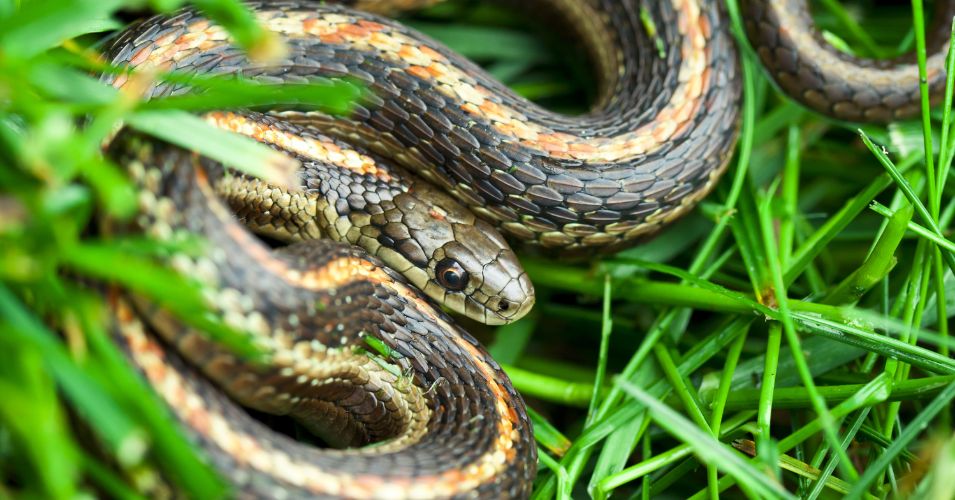
Snakes often inspire both fascination and fear, and many gardeners are surprised to learn that their landscapes can play a role in inviting these reptiles closer.
Certain plants provide cover, attract prey, or create conditions that snakes find appealing. Depending on the variety of snakes present in your region, that may or may not be a desired result.
While snakes are beneficial in controlling pests like rodents and insects, most people prefer to know which plants might make their garden more attractive to them.
By understanding the types of plants that draw snakes, you can decide whether to include or avoid them, depending on how comfortable you are sharing your outdoor space with these slithering visitors.
Pampas Grass
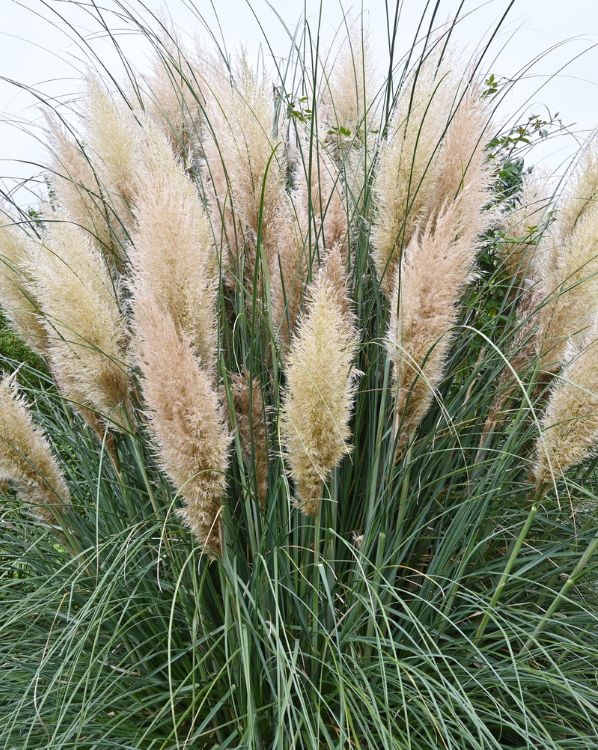
Pampas grass is a striking ornamental plant known for its tall plumes and sweeping leaves, but it is also one of the most common plants that attract snakes. The plant grows in large, dense clumps that create thick cover at the base.
This cover provides an ideal hiding place for snakes that are searching for shelter during the day or when trying to avoid predators. The dense nature of pampas grass means that even large snakes can slip between the blades unnoticed, making it a natural refuge for them.
One reason snakes are drawn to pampas grass is its ability to stay green and thick throughout the year. Even in seasons when other plants die back, pampas grass maintains enough structure to provide protection.
The long, arching leaves create tunnels of shade where snakes can move without being easily spotted. This sense of security is what makes pampas grass particularly attractive, especially in areas where snakes are naturally abundant.
The base of pampas grass also attracts small animals such as rodents, frogs, and insects that feed on organic matter or use the plant for shelter.
Since snakes feed on these creatures, pampas grass becomes more than just a hiding spot, it also serves as a hunting ground. The combination of prey availability and safe cover makes pampas grass one of the best habitats for snakes in residential and rural gardens alike.
Another reason pampas grass appeals to snakes is its size. A single clump can grow several feet wide and tall, which means snakes can live within the plant almost undisturbed.
For homeowners, this can be a safety concern, since it is difficult to spot snakes resting in or beneath the plant until someone gets too close. The sharp edges of the leaves make the plant difficult to inspect or clear, further ensuring snakes remain hidden.
Although pampas grass is visually stunning and often used in landscaping for its dramatic plumes, gardeners who wish to avoid snakes should think carefully before planting it.
Removing or thinning out existing clumps reduces the chances of snakes taking up residence. Choosing other ornamental grasses with looser growth habits is a safer way to enjoy greenery without unintentionally creating a snake haven.
Boxwood
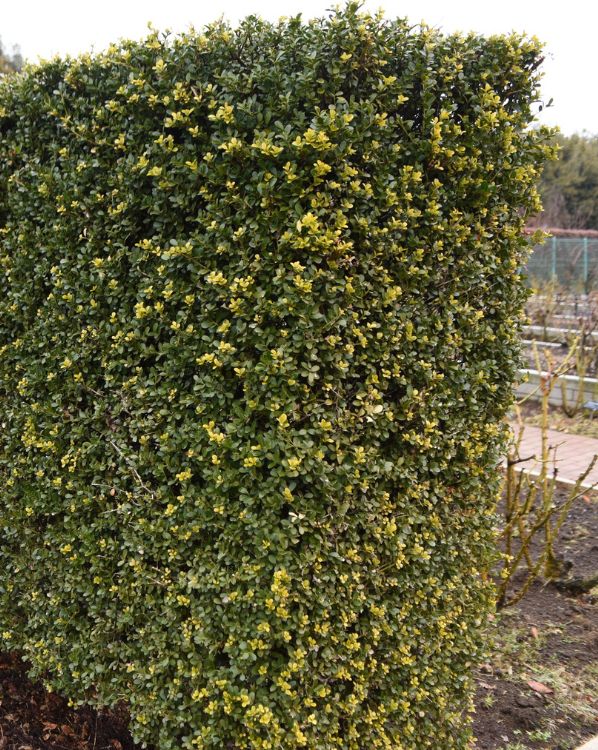
Boxwood shrubs are popular choices for creating neat hedges, garden borders, and formal landscapes. Their dense evergreen growth provides year-round structure and beauty, but it also creates ideal hiding places for snakes.
The thick foliage grows close to the ground, forming shaded, protected areas beneath the shrubs where snakes can rest undisturbed. Since boxwoods are often planted in rows or clusters, they create long stretches of continuous cover that snakes find especially attractive.
The microclimate created by boxwoods is perfect for reptiles. The dense foliage traps moisture and helps regulate soil temperature, keeping the ground cooler in hot weather and warmer during chilly periods.
Snakes rely on stable temperatures and shady hideouts to regulate their body heat, so the shelter beneath boxwood shrubs offers exactly what they need. Unlike open garden beds, which expose snakes to predators and temperature extremes, boxwoods provide reliable protection.
Another factor that makes boxwoods appealing to snakes is the habitat they create for small prey. Insects, frogs, and even rodents often use the shaded areas beneath the shrubs for cover or foraging.
With food sources readily available, snakes do not need to travel far to hunt. This makes boxwoods a convenient resting and feeding site. The compact, layered structure of the foliage also allows snakes to remain hidden while waiting for prey to appear.
Boxwoods are often used in foundation plantings near homes, which can increase the chances of snakes coming close to living areas. Their popularity in suburban and urban landscapes means that snakes have many opportunities to use them as cover.
For families who prefer to keep snakes at a distance, this can pose a problem, especially since boxwoods are typically maintained as thick, impenetrable hedges.
Although boxwoods bring elegance and order to the garden, their dense structure is exactly what attracts snakes. Trimming them regularly to lift the foliage off the ground, avoiding large continuous rows, or replacing them with shrubs that allow more airflow can help reduce the risk.
By managing how boxwoods are planted and maintained, gardeners can still enjoy their classic charm without making them a permanent home for snakes.
English Ivy
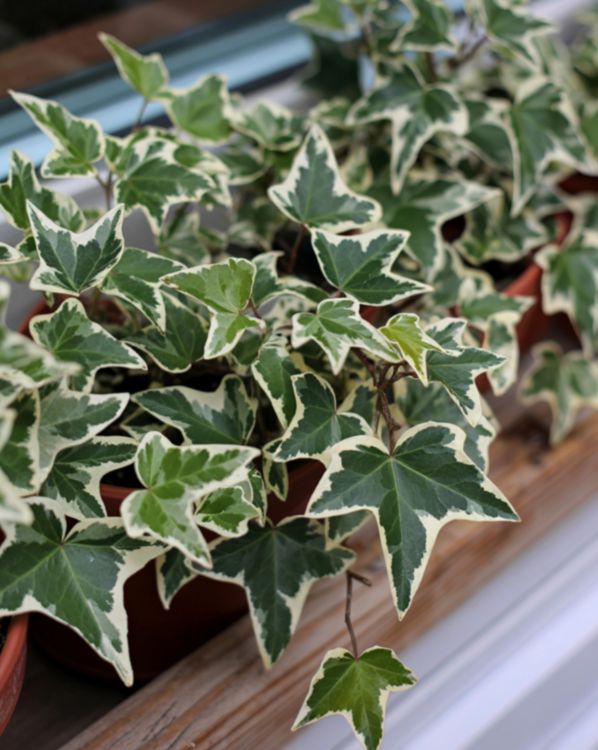
English ivy is a fast-growing vine that can quickly cover walls, fences, and even the ground, but its dense growth makes it an attractive habitat for snakes. The thick mat of leaves and vines creates a perfect hiding place where snakes can move without being detected.
Since ivy spreads so aggressively, it often covers large areas, giving snakes an uninterrupted stretch of cover. For a reptile looking for both shelter and a hunting ground, English ivy is almost irresistible.
The plant’s dense foliage provides constant shade, which snakes prefer when avoiding the heat of the day. Unlike open ground, which exposes them to predators, the thick cover of ivy ensures safety and comfort.
The overlapping leaves create pockets of cool, moist air beneath the vines, making it an ideal environment for snakes to regulate their body temperature. Once established, snakes can spend entire days hidden within the ivy without being noticed.
Another reason English ivy attracts snakes is its ability to support small animals and insects. The shaded, moist ground beneath the ivy is a prime habitat for rodents, frogs, and insects.
Snakes follow this food supply into the ivy, using the dense vegetation both as a resting area and a hunting ground. Since ivy often grows near homes and gardens, this brings snakes closer to human spaces.
English ivy also climbs and clings to structures, which makes it even more appealing. Snakes can use the vines to climb walls, fences, and trees, giving them access to more areas of the landscape. This ability to provide both ground and vertical cover makes ivy one of the most effective plants for attracting snakes.
Although English ivy has a certain charm when used to cover stone walls or garden fences, it creates risks when allowed to spread unchecked.
To reduce the chances of snakes taking up residence, homeowners should keep ivy pruned and confined, or consider replacing it with less aggressive groundcovers. By controlling ivy’s growth, you minimize the perfect hiding spaces that make it so attractive to snakes.
Sunflowers
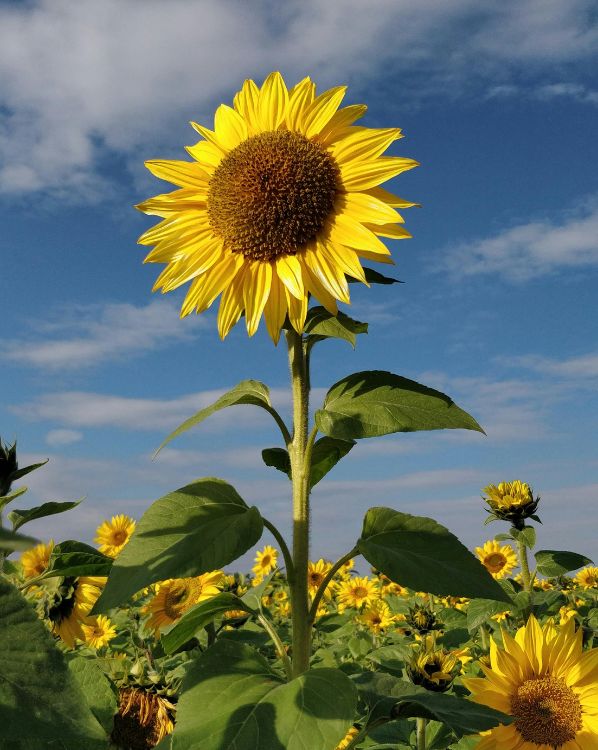
Sunflowers are loved for their tall stalks and bright faces, but they can also be plants that attract snakes. Their size and structure create shady, protected areas at the base of the stalks where snakes can hide.
When planted in groups or rows, sunflowers form dense stands that are difficult to see through, offering snakes the cover they need to stay out of sight. These shaded bases remain cool and moist compared to open soil, making them comfortable hiding spots during hot weather.
Sunflowers are also known to draw in rodents, which are one of the main food sources for snakes. The seeds that drop from mature sunflower heads provide a steady supply of food for mice and other small animals.
Wherever rodents gather, snakes are sure to follow. A patch of sunflowers can become a feeding ground for both rodents and the snakes that prey upon them. This makes sunflowers particularly appealing to snakes looking for both shelter and hunting opportunities.
The tall, sturdy stalks of sunflowers add another benefit for snakes. The plants provide physical protection from predators and humans, making it easier for snakes to move undetected.
When planted in large clusters, sunflowers create walls of vegetation that snakes can navigate through safely. The thick foliage above helps block sunlight, keeping the ground beneath shaded and cooler than exposed soil.
Sunflowers also tend to be grown in sunny, open areas, which makes them easy targets for snakes seeking warmth at the edges of the shade. Snakes often bask in the sun before retreating to the base of the stalks to cool off. This balance of sun and shelter makes sunflower fields an attractive habitat.
While sunflowers bring beauty and joy to a garden, they should be planted with care if you want to avoid snakes. Regularly cleaning up dropped seeds, thinning out dense patches, and keeping surrounding areas tidy can reduce the likelihood of attracting both rodents and snakes.
By managing how sunflower patches are maintained, gardeners can still enjoy their bright blooms without turning their gardens into snake hideouts.
Blueberry Bushes
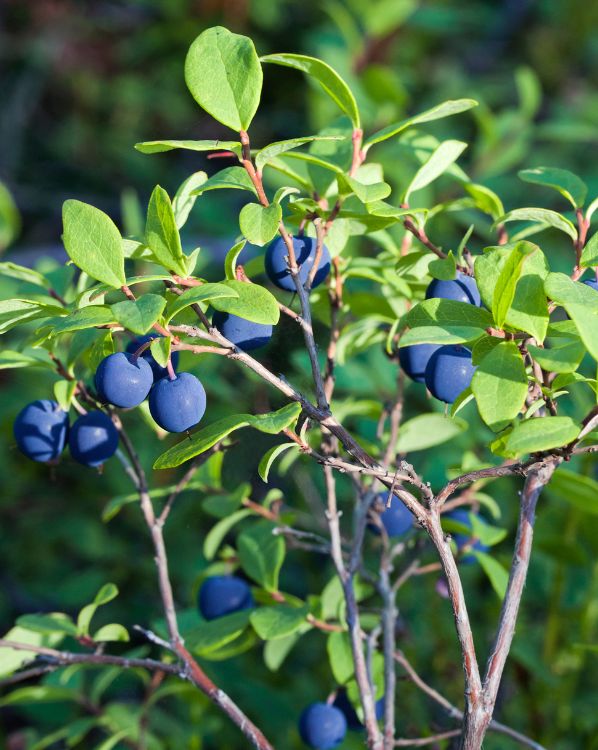
Blueberry bushes are prized for their sweet fruit and ornamental appeal, but they are also plants that can attract snakes. The dense growth of their branches and leaves provides natural cover, creating shaded hiding spots close to the ground.
Snakes seek out these areas because they offer protection from predators and help regulate body temperature. The thickets formed by blueberry bushes, especially when planted in groups, create secluded pockets where snakes can remain unnoticed.
One of the biggest reasons blueberry bushes appeal to snakes is the wildlife they draw in. Birds, rodents, and insects are all attracted to the berries and foliage.
Mice and voles are particularly drawn to the fallen fruit, and where these rodents gather, snakes are never far behind. Blueberry patches can quickly become hunting grounds where snakes take advantage of the steady food supply without having to travel far.
The mulching practices often used around blueberry bushes also add to their appeal. Gardeners typically use thick layers of pine needles, bark, or wood chips to maintain soil acidity and moisture.
These mulches create cool, damp environments beneath the surface where snakes can coil up during hot weather. The mulch also shelters insects and small animals, providing even more prey for snakes.
Moisture is another factor. Blueberries require consistently damp, acidic soil, which means they are often watered regularly. The combination of thick mulch, shaded branches, and moist soil creates the perfect environment for snakes. This environment is especially attractive during dry periods when snakes seek out areas with steady water and cover.
In addition, the height and density of blueberry bushes make it difficult to spot snakes that may be hiding underneath. Gardeners harvesting berries or pruning bushes may come close to snakes without realizing it. This element of surprise is one reason many people are cautious about planting blueberries too close to walkways or seating areas.
Although blueberry bushes are beautiful and productive, they should be planted thoughtfully if you want to reduce the chance of attracting snakes. Keeping the base of the bushes clear of fallen fruit, pruning to improve airflow, and avoiding overly thick mulch can all help.
By maintaining the bushes carefully, you can enjoy their fruit without turning them into a perfect habitat for snakes.
Final Thoughts
Snakes are naturally drawn to gardens that provide shelter, prey, and steady conditions, and certain plants make these environments easier to find.
Pampas grass, boxwood, English ivy, sunflowers, and blueberry bushes all create hiding spots and attract the small animals that snakes feed upon.
While snakes can be helpful in controlling pests, many gardeners prefer to limit their presence around living spaces. Careful planting choices, combined with thoughtful maintenance, can reduce the chances of creating a snake-friendly landscape.
By understanding which plants attract snakes, you can design a garden that remains both beautiful and comfortable, giving you peace of mind while enjoying your outdoor spaces.