
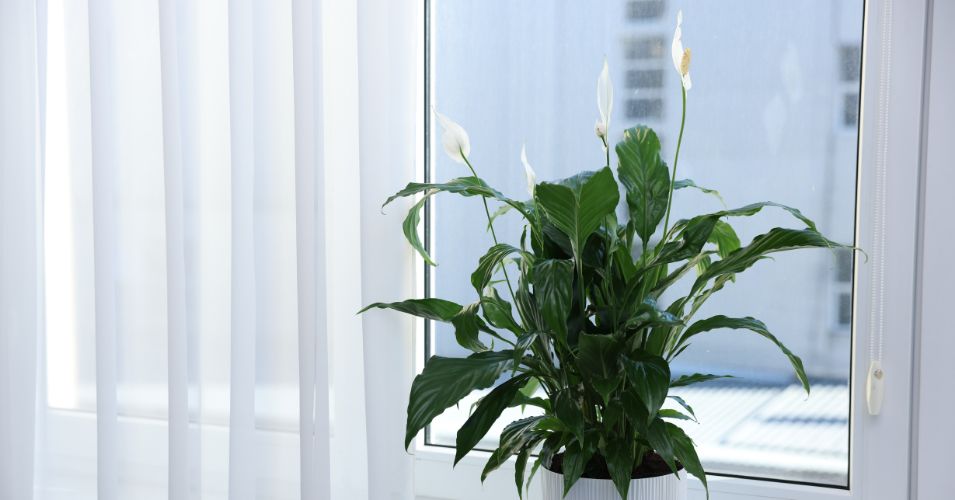
Peace lilies are elegant, resilient houseplants that bring calm and beauty to any room. Their deep green leaves and gentle white blooms thrive in the warmth of indoor life, but winter presents unique challenges. Shorter days, cooler temperatures, and dry air can all affect their health and appearance.
Caring for a peace lily in winter is about keeping it comfortable while it rests. With a few thoughtful adjustments to light, water, and humidity, your plant can stay strong and lush until spring returns.
The proper winter routine ensures your peace lily remains one of the brightest spots in your home.
How Peace Lilies Respond to Winter Changes
Peace lilies may be tropical plants at heart, but they are surprisingly good at adapting to the slower pace of winter. During the colder months, these elegant plants enter a period of rest.
Growth slows down, new leaves appear less frequently, and flowering may pause altogether. This change is entirely natural, and understanding it helps you adjust your care routine to keep your peace lily healthy through the season.
In their native habitats, peace lilies grow in warm, shaded environments where temperatures stay fairly consistent year-round. When winter arrives indoors, the conditions shift dramatically.
Shorter days mean less sunlight, which reduces photosynthesis. Cooler air and dry heating systems make the environment very different from the humid jungles they are used to. The plant reacts by conserving energy, slowing growth, and focusing on root strength rather than producing new blooms.
You may notice a few leaves yellowing or drooping more often in winter. This can happen due to low light or overwatering, as the plant’s need for moisture decreases. Instead of trying to force new growth, it’s better to help your peace lily rest comfortably.
One of the most visible changes you’ll see is fewer or no flowers. Peace lilies typically bloom in response to consistent warmth and bright, indirect light. During winter, those ideal conditions are limited, so it’s normal if your plant takes a break from producing its signature white spathes. Don’t worry: this rest period is what helps it build the energy needed for future blooms once spring arrives.
It’s also common for leaves to grow smaller or more slowly. Since the plant isn’t using as much energy, it won’t push out large, lush foliage until conditions improve. Focus instead on keeping existing leaves healthy, glossy, and dust-free so they can continue to absorb as much light as possible.
Winter doesn’t mean your peace lily is unhappy. It’s simply adjusting to the season, just like many outdoor plants do. By recognizing this natural slowdown, you can shift your care habits to match its needs and help it maintain strength through the colder months. With patience and the right environment, your peace lily will rest peacefully and be ready to flourish again once the days begin to lengthen.
Creating the Best Indoor Conditions for Cold Weather
The key to keeping a peace lily happy during winter is to create an indoor environment as close as possible to the warm, stable conditions it prefers. This doesn’t mean you need to turn your home into a greenhouse. Minor adjustments in temperature, placement, and light can make a big difference in how well your plant weathers the season.
Start with temperature. Peace lilies thrive in warmth and dislike sudden drops in air temperature. Aim to keep the room between 65 and 75 degrees Fahrenheit. Avoid placing your plant near drafty windows, exterior doors, or heating vents. Cold air can shock the leaves, while blasts of hot air from heaters can quickly dry them out. If you can, find a cozy corner with steady warmth and minimal air movement.
Light is another essential factor. During winter, natural sunlight is weaker and lasts for fewer hours. Peace lilies prefer bright, indirect light, so place them near a window with filtered sunlight. An east- or north-facing window often works best. If your home is particularly dim, you can use a grow light for a few hours each day to give your plant an extra boost.
Be careful not to put your peace lily in direct sunlight. The low winter sun can still scorch the leaves, primarily through glass. Instead, aim for gentle brightness that mimics the dappled shade of its tropical origins.
Humidity is another element that changes dramatically in winter. Indoor heating tends to dry out the air, which can cause leaf edges to brown or crisp. To combat this, keep your plant away from heating sources and consider using a small humidifier nearby. Alternatively, you can place your peace lily on a tray filled with water and pebbles. As the water evaporates, it adds moisture to the surrounding air.
Good air circulation is also essential, but avoid cold drafts. A location in the center of the room or on an interior table works better than a windowsill during freezing weather.
Finally, don’t forget about dust. In winter, indoor air carries more dust due to closed windows and heating systems. Dust can block light from reaching the leaves, further weakening the plant. Wipe the leaves gently with a soft, damp cloth every couple of weeks to keep them clean and shiny.
When you provide the right indoor environment, your peace lily can handle winter with ease. It will stay strong, its leaves will remain vibrant, and it will be ready to burst back into bloom once spring’s warmth returns.
Water and Feeding Adjustments for the Season
Watering habits that work well in summer can actually harm a peace lily in winter. As temperatures drop and daylight shortens, your plant’s metabolism slows, and it needs less water to stay healthy. Too much moisture during this time can lead to one of the most common winter problems: root rot.
The first step to keeping your peace lily comfortable through the colder months is adjusting how often you water it. Instead of watering on a set schedule, pay attention to the soil. Touch the surface before reaching for your watering can. If the top inch feels dry, it’s time to water. If it’s still damp, wait a few more days.
Peace lilies like evenly moist soil, but not soggy conditions. During winter, this often means watering only every 10 to 14 days, depending on your home’s humidity and temperature. Always let excess water drain completely from the pot to avoid pooling at the bottom. If the roots sit in water for too long, they can suffocate and decay.
Use room-temperature water when watering your peace lily. Cold tap water can shock the roots, especially in an already cool environment. Letting water sit for a few hours before use also helps it reach a comfortable temperature and allows chlorine to dissipate.
Feeding is another area that needs to change during winter. Because your plant’s growth slows, it doesn’t need as many nutrients. Fertilizing during this dormant phase can actually stress the roots or cause salt buildup in the soil. It’s best to stop feeding entirely from late fall through early spring.
When new growth begins to appear again in spring, you can resume fertilizing once a month with a diluted, balanced houseplant fertilizer. Until then, focus on keeping the plant healthy with proper watering, warmth, and light.
If your peace lily starts drooping in winter, don’t immediately assume it’s thirsty. Sometimes drooping occurs because of cold air or low humidity rather than a lack of water. Check the soil first before watering again.
Remember that less is more during this season. Peace lilies can recover from slight dryness, but they struggle to bounce back from overly wet soil. Gentle, mindful watering helps them conserve energy and maintain strength until growth resumes in the spring.
By adjusting your watering and feeding routine, you give your peace lily exactly what it needs: balance, not excess. This care helps it stay healthy through winter’s rest and prepares it for a fresh surge of life when the days grow longer.
Keeping Leaves Glossy with Proper Humidity and Light
The beauty of a peace lily lies in its leaves. Their deep green color and glossy surface give the plant its signature elegance.
But during winter, when indoor air turns dry and light levels drop, those leaves can quickly lose their shine. Keeping them healthy requires attention to humidity and light, the two most critical environmental factors for a peace lily’s overall appearance.
Peace lilies come from tropical forests where humidity levels are naturally high. Indoors, central heating and closed windows create an environment opposite to that outdoors. Air that’s dry and still. You might start to notice brown tips, curled edges, or a dull surface on the leaves. These are signs that your plant needs more moisture in the air around it.
To help, try misting your peace lily lightly once or twice a week. Use a fine spray so droplets don’t sit on the leaves for too long, as lingering water can encourage fungal spots. Another simple option is to group your houseplants. Plants release moisture through their leaves, and when several are placed close together, they create a shared pocket of humidity.
If your home’s air is very dry, a small humidifier near your plant can make a big difference. Keep humidity between 40 and 60 percent if possible. You can also set the pot on a shallow tray filled with pebbles and water. As the water evaporates, it gently increases humidity without making the soil wet.
Light is equally important. Peace lilies prefer bright but indirect sunlight. Too little light can make the leaves pale and weak, while too much direct sunlight can scorch them. During winter, move your plant closer to a bright window, but make sure it’s not touching cold glass or sitting in the path of drafts. A sheer curtain can help filter light and protect against the chill.
If you don’t have enough natural light, a full-spectrum grow light can help. Use it for about 6 to 8 hours a day to give your plant the energy it needs to stay vibrant.
Dust is another enemy of glossy leaves. When heating systems run all winter, dust builds up faster on indoor plants. Gently wipe each leaf with a damp, soft cloth every couple of weeks. This not only restores their shine but also allows them to absorb more light.
With proper humidity, light, and care, your peace lily’s leaves will stay lush and radiant even during the darkest months. The small rituals of misting, wiping, and adjusting placement create a rhythm of attention that keeps the plant thriving. In return, your peace lily will continue to add life, calm, and beauty to your home all winter long.
Common Winter Problems and How to Prevent Them
Even with the best care, peace lilies can run into a few seasonal challenges during winter. The good news is that most of these problems are easy to recognize and even easier to fix once you know what to look for.
Cold air, low humidity, and reduced light can all affect how your plant looks and grows, but minor adjustments can quickly restore balance.
One of the most common winter issues is yellowing leaves. This often happens when the plant receives too much water while its growth is slow. Because peace lilies use less moisture in colder months, their soil stays wet longer. If the roots sit in water for too long, they can start to suffocate. To prevent this, always check the soil before watering. Make sure the top inch feels dry before adding more water, and ensure the pot drains freely so no water collects at the bottom.
Another frequent problem is brown leaf tips, which are usually caused by dry air or a buildup of fertilizer salts in the soil. Central heating systems can make indoor air very dry, stressing tropical plants. To help, increase humidity by misting your peace lily occasionally or setting up a small humidifier nearby. If you suspect fertilizer buildup, flush the soil by watering thoroughly and allowing the excess to drain completely. This helps remove any excess salts that may have accumulated.
Drooping leaves can be confusing because they sometimes indicate too much water and other times too little. During winter, drooping from overwatering is more common. Feel the soil before watering to confirm whether it’s truly dry. If it feels soggy, wait longer before watering again. If the soil is dry, give the plant a deep drink and check that the pot allows proper drainage.
Cold drafts are another silent threat to peace lilies. Even brief exposure to chilly air can damage the leaves, causing them to wilt or develop black patches. Keep your plant away from windows that get cold at night or doors that open frequently. If you live in a particularly cool home, consider placing the pot on a small stand or shelf to avoid cold air settling near the floor.
Lastly, pest problems can sometimes sneak in during winter. Dry air creates a perfect environment for pests like spider mites and mealybugs. Check the undersides of leaves regularly and wipe them down with a damp cloth if you notice webbing or sticky residue. Keeping the air humid and the leaves clean discourages pests from settling in the first place.
Most winter issues with peace lilies are signs that the plant’s environment needs a minor adjustment rather than drastic intervention. A little observation and care go a long way.
By paying attention to these subtle warning signs, you can prevent stress, keep your plant vibrant, and ensure that when spring finally arrives, it will already be thriving.
Final Thoughts
Caring for a peace lily in winter is all about creating balance.
These plants may rest quietly during the colder months, but they still rely on your steady care to stay strong. With gentle watering, constant warmth, and enough humidity, your peace lily will remain graceful even as the world outside grows cold.
Every minor adjustment you make now protects the health and beauty of your plant. When winter fades, your peace lily will already be full of life, ready to grow and bloom again as if the chill never came.
Simple, patient care turns a quiet season into a time of renewal, even indoors.