
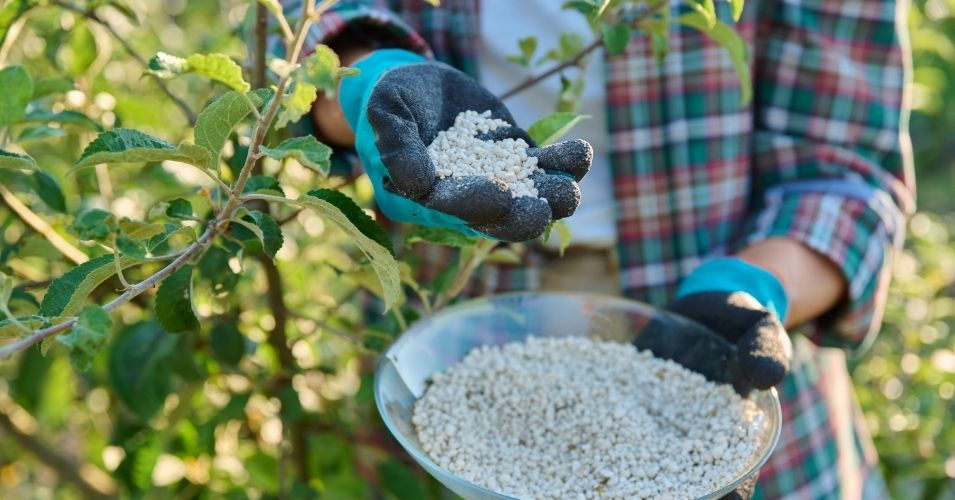
Winter might seem like the season when everything in the garden rests, but not all plants take a complete break. Some continue growing quietly beneath the surface or inside our homes, where the cold cannot reach.
These plants still need nutrients to stay healthy, and the right fertilizer at the right time can make a big difference in how well they perform later in the year.
Knowing which plants benefit from winter feeding helps you avoid overdoing it while giving your most active growers exactly what they need. A little attention now can lead to stronger, brighter growth once spring arrives.
Why Winter Fertilizing Matters for Certain Plants
Most gardeners think of winter as a time when everything in the soil goes quiet, but that’s not entirely true. While many plants do go dormant during the cold months, others remain active in subtle ways.
Some continue to grow roots beneath the surface, and others keep producing leaves indoors where it’s warm. For these plants, a small but steady supply of nutrients can make a noticeable difference in their health and future growth.
Understanding why fertilizing matters in winter begins with recognizing which plants actually need it. Most outdoor perennials and deciduous trees are resting. Feeding them now can do more harm than good, as fertilizer stimulates new growth that is easily damaged by frost.
But evergreen plants, actively growing indoors, or designed to thrive in cool weather, operate on a different schedule. They continue using nutrients even if their activity slows.
For these plants, winter fertilizing helps maintain strength, resilience, and color. Houseplants, for instance, often struggle with lower light and dry indoor air. Providing a diluted, balanced fertilizer can help them replace nutrients lost through frequent watering and limited sunlight. Similarly, evergreen shrubs and cool-season crops like kale or spinach continue taking up nutrients to sustain steady, slow growth through the cold months.
Another reason winter fertilizing matters is that it prepares plants for early spring. Feeding at the right time allows roots to absorb and store nutrients before rapid growth begins again. This means healthier shoots, stronger foliage, and more vigorous blooming when the weather warms.
The key is moderation. Plants grow more slowly in winter, so they require less fertilizer delivered less often. Choosing the right type, i.e., slow-release for outdoor evergreens or diluted liquid feed for houseplants, ensures nutrients are available at a manageable rate.
Winter fertilizing isn’t about forcing growth. It’s about quiet support. When done correctly, it helps plants stay balanced and well-nourished through the cold months so they can greet spring ready to flourish. It’s a gentle act of care that bridges the resting season with the season of renewal.
Indoor Plants That Benefit from Winter Feeding
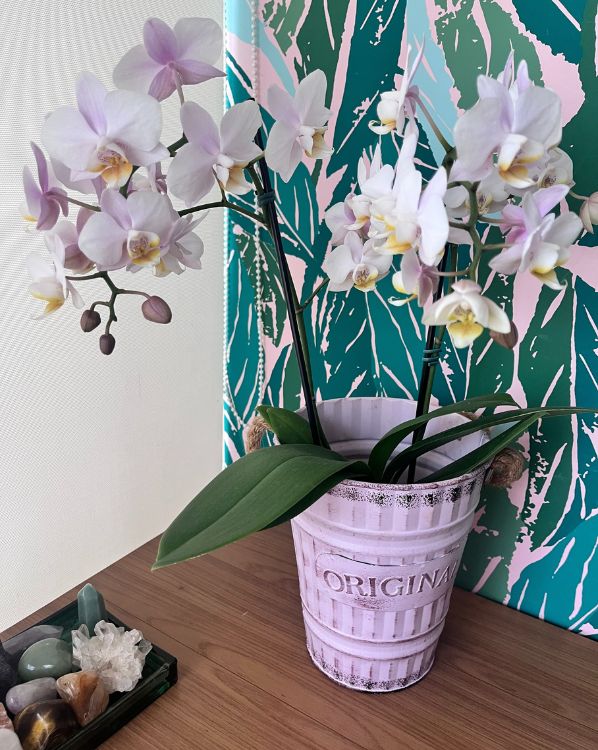
While outdoor gardens may rest under a blanket of snow, your indoor plants live in a completely different environment. Inside your home, they enjoy steady warmth, protection from frost, and often just enough light to keep growing.
But because their environment is enclosed and controlled, they rely entirely on you for their nutrient supply. Knowing which houseplants benefit from winter feeding and how to do it correctly keeps them lush and vibrant even when it’s cold outside.
Some of the best candidates for winter fertilizing are tropical and subtropical houseplants that continue to grow year-round. These include favorites like peace lilies, spider plants, pothos, philodendrons, and ferns. You’ll notice these plants don’t stop producing new leaves in winter; they slow down a bit. Providing a mild dose of liquid fertilizer every six to eight weeks keeps their growth steady and their leaves rich in color.
Flowering indoor plants such as African violets, orchids, and Christmas cacti also benefit from winter feeding, especially when they are in bloom or forming buds. These plants use extra energy to produce flowers, and a diluted fertilizer high in phosphorus can encourage stronger, longer-lasting blooms. The key is to feed lightly and consistently rather than applying a large amount all at once.
Citrus trees grown indoors, such as lemons, limes, and kumquats, are another group that needs nutrition during winter. They often continue producing fruit during this time, which takes a lot of energy. Use a fertilizer formulated specifically for citrus plants, and apply it sparingly to maintain balanced nutrition without overwhelming the roots.
Even succulents and cacti can use a slight boost in late winter if they’re showing signs of active growth. However, these plants prefer lean soil and minimal feeding, so a single, very light application of diluted fertilizer is plenty.
The most important thing to remember is that indoor plants need less fertilizer in winter than they do in summer. Reduced daylight and cooler indoor temperatures slow their metabolism. Always dilute liquid fertilizers to half or even a quarter of the recommended strength, and avoid feeding if the plant is clearly dormant.
By tailoring your approach, you can keep your indoor greenery thriving during the cold season. A little fertilizer goes a long way in helping houseplants stay strong, glossy, and ready to grow once the light of spring returns.
Cool-Season Vegetables That Keep Growing in the Cold
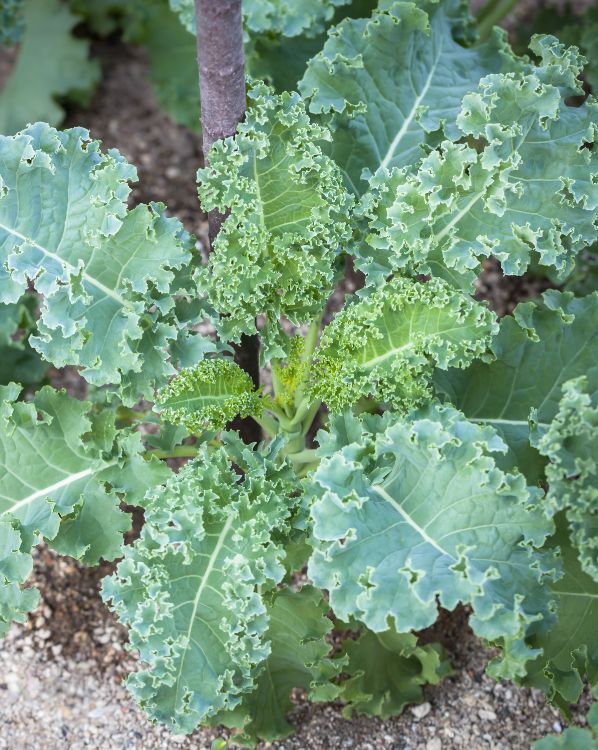
While most of the vegetable garden slows down once winter arrives, some hardy crops thrive in the chill.
Cool-season vegetables are built to handle short days and frosty nights, and with a bit of care, they can continue producing food even when temperatures drop. Fertilizing these crops correctly during winter helps them stay vigorous and flavorful while supporting steady root and leaf growth through the cold months.
Vegetables like kale, spinach, chard, collards, and parsley are among the top winter performers. These leafy greens don’t just tolerate frost. They often taste sweeter after a cold snap. When the weather cools, their growth slows, but it doesn’t stop entirely. Light, well-timed fertilizing gives them the extra energy to keep producing new leaves without overstimulating tender growth that frost might damage.
Root vegetables such as carrots, beets, and turnips also benefit from gentle winter feeding. While their foliage may grow slowly, their roots continue to develop underground as long as the soil isn’t frozen solid. A balanced, slow-release organic fertilizer or a mild liquid feed keeps nutrients available without overwhelming the plants. This helps them store energy for a longer harvest window and improves their overall flavor and texture.
If you’re growing cool-weather crops in raised beds, cold frames, or unheated greenhouses, nutrient levels in the soil can deplete quickly because watering is less frequent. Compost tea or diluted fish emulsion is an excellent choice for these setups. It provides a steady supply of natural nutrients while supporting soil microbes that stay active in cool conditions.
Winter herbs such as cilantro, chives, and thyme also appreciate light feeding during the season. A small amount of organic fertilizer every month helps them maintain their color and aroma when sunlight is limited.
The secret to fertilizing winter vegetables successfully lies in moderation. Too much nitrogen will push fast, soft growth that struggles against frost. Instead, focus on balanced formulas that emphasize root strength and slow nutrient release.
Feeding your winter vegetables is a way of supporting their quiet persistence. Even when the garden seems dormant, these plants keep working beneath the surface, gathering strength leaf by leaf.
With the proper nutrition, your winter crops will reward you with crisp greens, sweet roots, and the satisfaction of harvesting fresh food when most gardens are still asleep.
Evergreen Shrubs and Trees That Appreciate Winter Nutrients
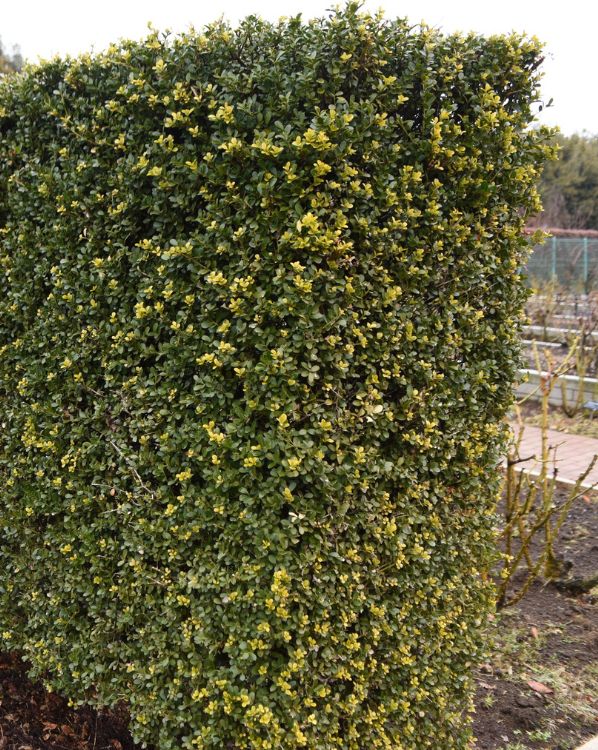
Evergreen plants are the backbone of the winter landscape. When everything else turns brown or bare, their green foliage stands out against the cold. But even these resilient plants need a bit of help during winter to maintain their strength and color.
Fertilizing evergreens at the right time and in the right way helps them stay healthy, especially if they face harsh winds, poor soil, or extended freezes.
Unlike deciduous trees that shed their leaves and rest completely, evergreens keep their foliage year-round. This means they continue photosynthesizing, even in cooler weather. While their growth slows, their roots remain active, quietly absorbing water and nutrients whenever the ground isn’t frozen.
Because of this, winter is a critical time to ensure they have enough nutrition to support these ongoing processes.
Shrubs like boxwood, holly, juniper, and azalea all benefit from a dose of fertilizer in late fall or early winter. The nutrients strengthen their root systems and help them hold their color through the cold months. Slow-release or organic fertilizers are best for evergreens because they provide a steady supply of nutrients without shocking the plant.
Conifers such as pines, spruces, and firs also appreciate winter feeding, especially younger trees that are still establishing themselves. A layer of compost or a balanced evergreen fertilizer worked lightly into the soil before it freezes can make a big difference by the time spring growth begins.
If your evergreens are planted in containers, remember that potted soil loses nutrients more quickly than when in a garden bed. A small amount of liquid fertilizer during mild winter days can keep container evergreens healthy and green.
However, timing and technique matter. Fertilizing too late in winter, or with a strong, fast-acting product, can stimulate soft growth that is easily damaged by frost. Always apply fertilizer when the soil is still workable, but before severe cold sets in.
You can also combine fertilizing with a layer of mulch to protect the roots. Organic mulch such as bark, pine needles, or compost helps regulate soil temperature and prevent nutrients from washing away.
By giving evergreens gentle nourishment in winter, you help them maintain their deep green color and resilience, which makes them stand out when the rest of the garden sleeps. These quiet, steady feeders remind us that even in the stillness of winter, life continues just below the surface, waiting patiently for spring’s return.
Winter Bloomers and Potted Plants That Need Extra Support
While most of the garden rests quietly beneath frost and snow, some plants bring life and color to the coldest days. Winter bloomers and container-grown plants have a different rhythm from typical garden perennials.
Many continue to grow and flower when little else does, but they rely on a steady supply of nutrients to sustain that energy. Fertilizing these plants correctly during the cold months helps them stay strong, colorful, and healthy until spring returns.
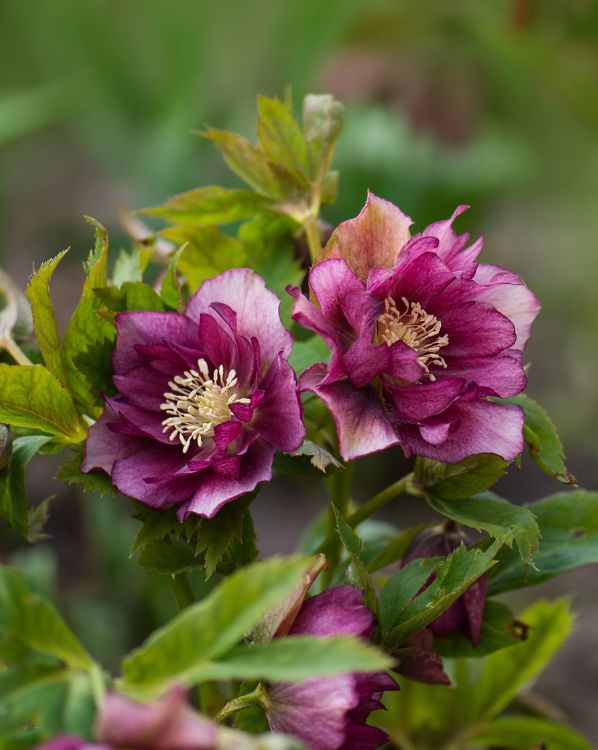
One of the most rewarding groups to feed in winter is winter-flowering plants. Varieties such as pansies, violas, hellebores, camellias, and winter jasmine bloom when most other plants are dormant.
These hardy performers push out blossoms in cool, dim light and often through frost. A light, balanced fertilizer rich in phosphorus encourages more blooms and stronger stems. For flowering shrubs like camellias, feeding in late fall or very early winter gives them the nutrients they need to set and sustain buds. Avoid high-nitrogen fertilizers, which promote leafy growth rather than flowers.
Hellebores (often called Christmas roses) particularly benefit from a mild feed of compost or organic fertilizer sprinkled around their base. This helps them push up sturdy blooms through cold soil while supporting new leaf growth later in the season.
Container-grown plants also need attention in winter. Pots dry out and lose nutrients faster than garden soil because water drains freely through the base, taking soluble minerals with it.
Evergreen shrubs, dwarf conifers, or even herbs in containers benefit from a slow-release or liquid fertilizer applied sparingly during mild winter spells. Make sure the soil is slightly moist before feeding, and always avoid fertilizing frozen soil.
Winter-flowering annuals grown in pots or window boxes, like violas or ornamental cabbages, also appreciate occasional feeding. Because these plants bloom continuously, they use up nutrients quickly. A diluted liquid fertilizer every few weeks helps maintain bright flowers and rich foliage without encouraging leggy growth.
When fertilizing winter bloomers or container plants, the same rule applies as with all cold-season care: less is more. Use gentle, diluted fertilizers and apply them only when the plant is actively growing or has buds. The goal is to sustain, not stimulate.
These resilient winter performers remind us that even in the quietest months, the garden still holds life. A little extra nourishment during winter keeps their colors bright and their roots strong, ensuring they remain the highlight of the season while everything else waits for spring’s return.
Final Thoughts
Fertilizing in winter is not about pushing growth but about giving quiet support to the plants that continue to work beneath the surface or within your home. When done thoughtfully, it keeps your garden and indoor plants balanced, strong, and ready to burst into life when spring arrives.
By focusing on those that stay active, such as houseplants, cool-season vegetables, evergreens, and winter bloomers, you provide steady nutrition exactly where it is needed most. A measured approach, with gentle, well-timed applications, helps prevent overfeeding while still supplying enough energy for roots and foliage to stay healthy through the cold months.
Winter feeding is a calm, careful practice. It rewards patience and observation, reminding gardeners that even during the stillness of the season, life in the soil and on the windowsill continues quietly.