
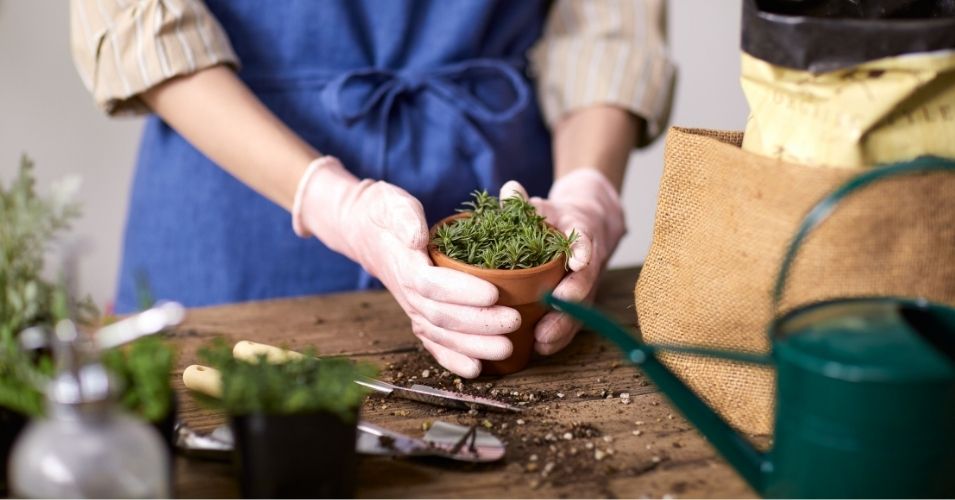
Spring is a season of renewal, growth, and fresh beginnings for both plants and gardeners. As daylight increases and temperatures rise, many houseplants and garden favorites begin waking up from winter rest.
Roots become active again, leaves begin to form, and energy moves throughout the plant. This natural shift makes spring the perfect time to check whether your plants still have enough space to grow.
In this article, you will learn which plants benefit most from spring repotting and how to approach the process with confidence and care.
How Spring Repotting Supports Healthier Plant Growth
Spring repotting gives plants the space and resources they need to grow strong after winter. During colder months, many plants slow down and use fewer nutrients. As spring arrives, roots become active again and begin searching for water and minerals.
When a plant remains in the same pot for too long, roots often become crowded. They circle the inside of the container and compete for limited space. This limits their ability to absorb moisture and nutrients properly, and can slow overall growth.
Repotting breaks this cycle by providing fresh soil and additional room. Moving a plant into a slightly larger container allows roots to spread outward and develop naturally. This improves stability and nutrient absorption.
Fresh soil also restores lost nutrition. Over time, old potting mix becomes compacted and depleted. New soil improves drainage and provides better access to essential minerals.
Better soil structure allows air and water to move freely through the root zone. This prevents soggy conditions that can lead to rot and fungal disease. Balanced moisture is especially important during active spring growth.
Spring timing matters because plants recover faster during this season. Roots form quickly and adjust to their new environment more easily. This reduces transplant shock and helps plants settle in smoothly.
Repotting also allows you to inspect the root system. While transferring the plant, you can remove damaged, soft, or diseased roots. Trimming unhealthy sections encourages stronger new growth.
Another benefit is improved moisture control. Old soil often dries unevenly, which makes watering difficult. Fresh mix creates more predictable drying patterns and healthier hydration.
Healthy roots support stronger leaves and stems. When underground systems thrive, visible growth becomes fuller and more vibrant. Plants often develop better color and texture after repotting.
Spring repotting also resets growth direction. Tangled roots can be gently spread outward, which improves balance and anchoring.
Using clean pots and tools reduces the risk of disease. Good hygiene protects vulnerable roots during the transition.
When done carefully, repotting becomes an investment in long-term health. By refreshing soil and space at the right time, you help plants enter the growing season with strength and confidence.
Houseplants That Often Need New Pots in Spring
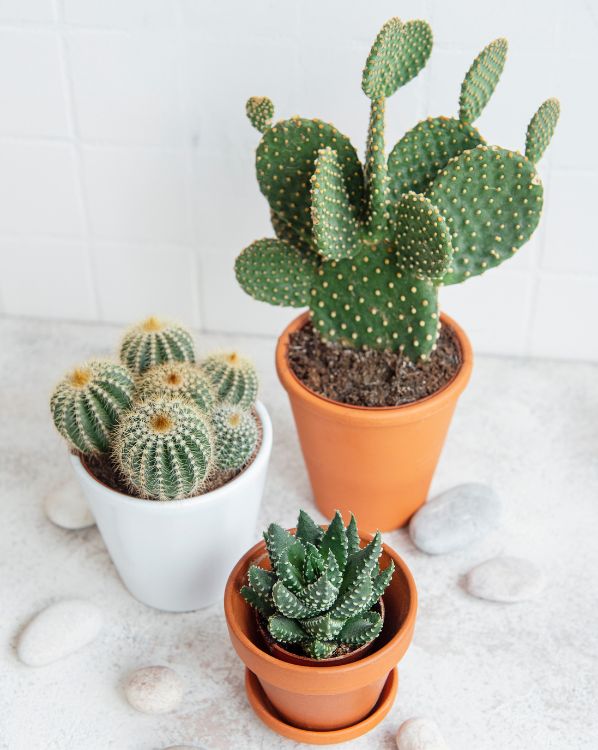
Many houseplants show clear signs in spring that they need more room. As growth resumes, cramped roots begin limiting water absorption and nutrient flow. Repotting at this time helps restore balance and energy.
Spider plants are frequent candidates for repotting. Their fast-growing roots and baby offshoots quickly fill small containers. When overcrowded, they may dry out faster and produce fewer new shoots.
Pothos and philodendrons also outgrow pots easily. Their vigorous vines depend on healthy root systems. If roots become tightly packed, leaf size and growth speed often decrease.
Peace lilies often signal crowding by wilting soon after watering. This usually means roots have replaced most of the soil. Repotting helps restore moisture retention and stability.
Snake plants develop thick underground rhizomes that expand over time. These structures press against pot walls, potentially cracking containers. Providing more space prevents stress and distortion.
Rubber plants and fiddle leaf figs benefit from occasional spring repotting. Strong root support helps maintain upright growth and prevents leaning. Without enough space, these plants may struggle to hold large leaves.
Monstera plants grow quickly and need steady root expansion. Crowded roots often lead to smaller leaves and reduced fenestration. A fresh pot encourages better development.
Succulents and cacti may appear slow-growing, but many still become root-bound. When roots fill the container, drainage suffers and rot becomes more likely. Repotting restores airflow and moisture balance.
Herbs grown indoors, such as basil and rosemary, also benefit from spring upgrades. Fresh soil improves flavor and leaf production.
Signs that a plant needs repotting include roots growing through drainage holes, soil drying very quickly, and slowed growth. Pots that feel unusually light may also indicate crowding.
Choosing a container one to two inches larger is usually best. Oversized pots can hold too much moisture and slow root development.
By recognizing these signs and acting in spring, you help houseplants grow stronger, healthier, and more resilient throughout the year.
Garden Plants and Containers That Benefit From Repotting
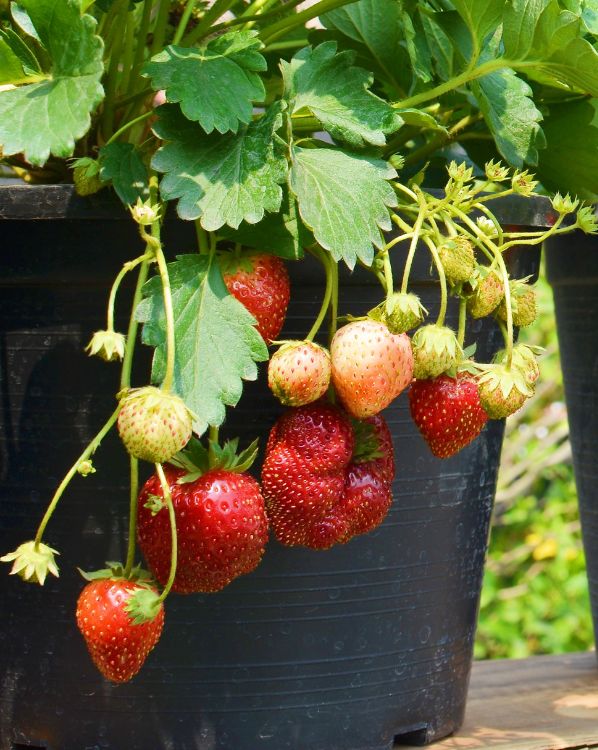
Outdoor plants grown in containers face unique challenges. Limited soil space and exposure to weather cause nutrients to wash away quickly. Over time, these conditions make repotting an important part of spring care.
Many flowering annuals benefit from fresh soil each year. Petunias, geraniums, and calibrachoa grow rapidly and exhaust nutrients early. Repotting restores fertility and improves flowering performance.
Perennial plants in pots also require regular renewal. Hostas, coral bells, and ornamental grasses can become root-bound after several seasons. Dividing and repotting helps maintain healthy size and vigor.
Small shrubs grown in containers often need attention. Boxwood, dwarf hydrangea, and patio roses depend on stable root systems. Fresh soil and added space support strong branch growth.
Fruit plants such as strawberries and blueberries in pots, and dwarf citrus, benefit from spring repotting. Renewed soil improves fruit development and disease resistance.
Herbs grown outdoors in containers often suffer from compacted soil. Basil, thyme, mint, and parsley grow better when roots are refreshed in spring.
Vegetables started early in pots also need upgrades. Tomatoes, peppers, and cucumbers quickly outgrow starter containers. Transferring them to larger pots prevents stunting.
Hanging baskets deserve special attention. Wind and sun dry them quickly, and nutrients wash out faster than in ground soil. Repotting before peak growth improves summer performance.
Large patio containers benefit from partial repotting. Removing the top layer of old soil and replacing it with a fresh mix improves drainage and nutrition.
Root crowding in outdoor pots often leads to wilting, poor flowering, and yellowing leaves. Repotting corrects these problems before they become severe.
Spring timing allows plants to recover quickly. Warmer temperatures and longer days support fast root adjustment.
Always inspect roots before repotting. Trim away dark or mushy sections to prevent disease.
Water thoroughly after transferring plants. This helps soil settle and reduces air pockets.
By renewing space and soil in spring, container plants gain the strength to thrive through heat and heavy growth.
Choosing the Right Pot and Soil for Lasting Success
Successful repotting depends on more than timing. The choice of container and soil plays a major role in long-term plant health.
Pots should always have drainage holes. Without them, excess water builds up and suffocates roots. Good drainage prevents rot and disease.
Clay pots allow moisture to evaporate quickly. They work well for plants that prefer drier conditions. Plastic pots retain water longer and are suitable for moisture-loving species.
Ceramic and glazed containers offer durability and style. However, they often drain slowly and require careful watering.
Pot size matters greatly. Choosing a container that is one to two inches larger than the current one provides room without excess moisture.
Oversized pots can cause water retention problems. Roots grow slowly into unused soil, increasing the risk of rot. Shallow pots suit plants with spreading roots. Deep pots work better for plants with long taproots.
Soil selection is equally important. Most houseplants and container plants need loose, well-draining mixes. General potting soil often needs improvement. Adding perlite, sand, or bark increases airflow and drainage.
Succulents and cacti require fast-draining blends. Orchid bark and coarse sand help prevent soggy conditions. Moisture-loving plants benefit from added peat or coconut fiber. These materials improve water retention.
Avoid using garden soil in containers. It compacts easily and blocks oxygen flow. Fresh soil provides nutrients and beneficial microorganisms. This supports root health and nutrient absorption.
Always moisten the soil slightly before repotting. Damp mix settles better around roots. Gently firm the soil after planting without packing it tightly. Roots need space to expand.
Label pots when repotting multiple plants. This helps track care needs and growth patterns. With thoughtful pot and soil choices, repotted plants remain healthier, stronger, and easier to manage.
Smart Repotting Habits for Stronger Long-Term Growth
Successful repotting is built on steady habits rather than occasional major changes. Developing a thoughtful routine in spring helps plants remain healthy and productive for many years.
One important habit is observing plants regularly. Noticing slowed growth, crowded roots, or rapid drying helps you act before serious problems appear.
Planning repotting projects in advance reduces stress. Gathering pots, soil, and tools ahead of time allows you to work calmly and carefully.
Using clean containers is essential. Washing old pots with warm water and mild soap removes salt buildup and harmful bacteria.
Sterilizing tools prevents disease spread. Pruners and scissors should be wiped with alcohol before and after use.
Gentle handling protects fragile roots. Roughly pulling or aggressively shaking plants can cause lasting damage. Loosening roots carefully encourages outward growth. Light teasing helps prevent continued circling in the new pot.
Lightly watering before repotting makes the soil easier to remove. Moist roots separate more easily than dry ones. Allowing roots to dry slightly after trimming promotes healing. This reduces the risk of infection.
Repotting in stages works well for large plants. Dividing work over several sessions reduces shock and improves recovery.
Avoid fertilizing immediately after repotting. Fresh soil already contains nutrients, and extra feeding may burn sensitive roots. Waiting four to six weeks before fertilizing supports natural adjustment.
Proper aftercare improves repotting results. Place newly repotted plants in moderate light and protect them from drafts to reduce stress during recovery.
Slightly reduced watering helps prevent rot. Roots need time to reestablish before handling heavy moisture, so allowing soil to dry a bit between waterings is important.
Clear labels on newly repotted plants help track progress. Recording dates and soil types supports better care decisions in the future.
Close attention to stress signs is essential. Wilting, yellowing, or slowed growth may indicate adjustment problems that need quick correction.
Occasional pot rotation encourages balanced growth and prevents leaning or uneven development. Consistent positioning also helps leaves adapt to light more easily.
Maintaining consistent schedules builds plant resilience. Sudden changes increase stress and slow recovery. Learning from each repotting experience improves skill. Mistakes become valuable lessons.
With patience and careful habits, repotting becomes a powerful tool for long-term plant success.
Final Thoughts
Spring repotting gives plants the space and resources they need to grow strong and healthy. When done with care, it refreshes roots, improves soil quality, and supports steady development.
Success comes from attention to detail rather than rushing. Choosing proper containers, using good soil, and practicing gentle handling all make a lasting difference.
Small, consistent habits create powerful results over time.
By repotting thoughtfully and responding to each plant’s needs, you build a collection that grows more beautiful and resilient with every season.