
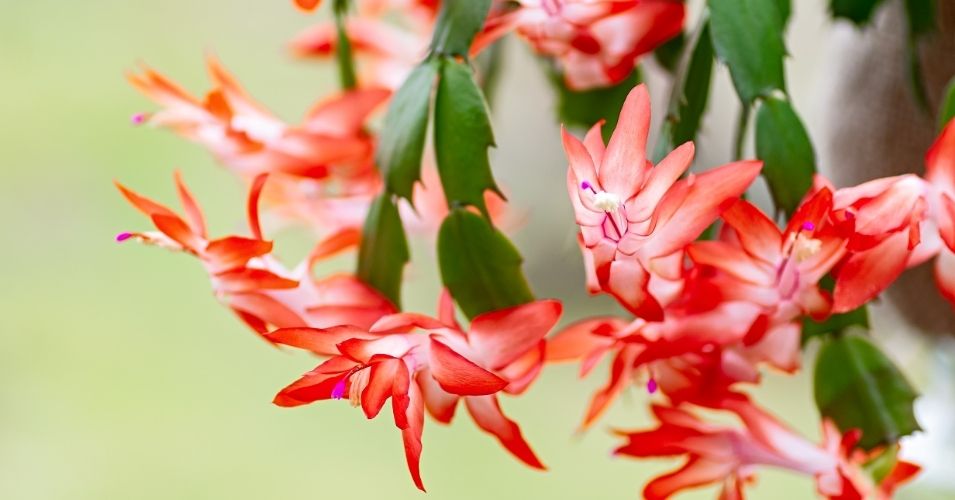
The arrival of fall signals an important shift for Christmas cactus; a plant loved for its vibrant blooms that often brighten the holiday season.
While summer is a time of active growth, fall is when the cactus begins preparing for its most stunning display.
The shorter days, cooler nights, and changes in watering and feeding routines all influence how well it will flower.
By giving your Christmas cactus the right care in fall, you help it set buds, strengthen its roots, and ensure that it is ready to light up your home when winter celebrations begin.
Water Patterns That Support Bud Development
The way you water a Christmas cactus in fall can make the difference between a plant that simply survives and one that bursts into bloom. Unlike desert cacti, this species comes from the rainforests of Brazil, where it grows in the shaded, humid environment of tree branches.
Because of this, its water needs are more delicate, especially in fall when the plant begins to prepare for budding.
During the hot months of summer, watering is more frequent since the cactus is actively growing and using energy. Once fall arrives, the growth slows down, and the plant shifts its focus to bud formation.
At this stage, overwatering becomes a real danger because the roots remain moist for longer as the air cools and the soil takes longer to dry. Roots that stay too wet may rot, and stress can prevent the cactus from forming healthy buds.
A good approach in fall is to allow the top inch of soil to dry before watering again. This balance provides enough moisture for bud development without overwhelming the root system. When you water, do so deeply until water drains through the pot’s bottom holes, then empty any saucer so the plant is not sitting in excess moisture.
Consistence is also key. Christmas cacti do not like dramatic swings between soggy and bone-dry soil, as this can cause buds to drop before they open. Aim for an even rhythm of hydration that reflects the slower pace of fall.
Watch the leaves closely, as they can tell you a lot. If they look flat or shriveled, it is time for a drink. If they appear plump and firm, the plant has stored enough water to continue its bud development.
Humidity is another factor to consider. In heated homes, fall air can become dry, which may affect the plant. Misting the leaves lightly or placing a tray of water with pebbles beneath the pot can help maintain the humidity the cactus prefers. This simple adjustment supports both the leaves and the emerging buds.
By adapting your watering habits to the needs of fall, you give your Christmas cactus the steady conditions it needs to focus on bud formation. With care and attention, the plant will respond by rewarding you with a display of blooms during the holiday season.
Light Exposure for Stronger Flowering
Light is one of the most important triggers for a Christmas cactus to bloom, and fall is the season when it responds most to changes in day length.
In its natural rainforest environment, the plant begins to flower as daylight hours shorten, and cooler nights arrive. By understanding this pattern and recreating it at home, you can guide your cactus toward a full, colorful display.
A Christmas cactus requires about 12 to 14 hours of darkness each night in fall to encourage bud formation. This period of long, uninterrupted darkness mimics the shorter days of its natural habitat.
Without it, the plant may stay green and healthy but fail to produce flowers. Placing the cactus in a quiet room away from artificial lights in the evening can help it receive the consistent darkness it needs.
During the day, the plant should still receive bright, indirect light. A window that faces east or north often provides the best conditions. Too much direct sun, particularly from southern or western windows, can scorch the leaves, leaving them pale or reddish.
On the other hand, too little light during the day will leave the plant weak and unable to form buds. Striking a balance between bright daytime light and long nighttime darkness is the key to success.
If your home does not provide enough natural darkness in the evenings, you can create it artificially. Simply covering the plant with a breathable box or cloth for 12 hours each night can block light exposure. This routine should continue for about six to eight weeks in fall to ensure buds have time to set. Once the buds appear, the plant can return to a more regular light pattern.
Rotating the pot every week is another small but helpful step. This ensures that all sides of the plant receive equal light, leading to more even bud development. Without rotation, one side may bloom heavily while the other side remains sparse.
By carefully managing light exposure in fall, you give your Christmas cactus the natural signals it needs to flower. When paired with proper watering, these light adjustments lead to a show of blooms that can brighten your home just in time for the holiday season.
Soil and Potting Choices in Fall
The type of soil and the container you use in fall play a major role in the health of your Christmas cactus and its ability to set buds. While this plant is often grouped with desert cacti, it comes from humid forests where it grows in the crevices of trees.
Because of that, it prefers a lighter and more moisture-retentive soil mix than you might expect, but it still needs excellent drainage to prevent root problems as the weather cools.
A good soil choice in fall is a blend made specifically for succulents or orchids, mixed with organic material to hold a touch of moisture. A simple recipe is equal parts cactus soil, peat moss, and perlite.
This combination drains quickly while still giving the plant’s roots the airy, loose texture they need. If the soil is too dense, it will hold water for too long in fall when evaporation slows, which can cause rot before the blooming season even begins.
The container also matters. Christmas cacti prefer pots with drainage holes that let excess water flow freely. Terracotta pots are a good choice because their porous sides allow water to evaporate, but they may require more frequent watering than ceramic or plastic pots. Whatever material you choose, avoid oversized pots.
Too much soil around the roots stays damp for longer, which is risky during the cooler fall months. Instead, select a container that comfortably fits the plant’s root ball with a little extra space.
Repotting in fall should only be done if absolutely necessary, such as when the plant is severely root-bound or the soil has become compacted. Otherwise, it is best to wait until after the blooming season.
Disturbing the roots during this sensitive time can cause stress that leads to bud drop. If repotting cannot be avoided, handle the plant gently and return it to bright, indirect light to help it recover.
By selecting the right soil blend and container in fall, you set up the Christmas cactus for success. The roots will stay healthy, the soil will drain properly, and the plant will have the stability it needs to focus its energy on producing vibrant holiday blooms.
Temperature Shifts That Trigger Blooms
Temperature plays a powerful role in signaling to the Christmas cactus that it is time to bloom.
In its native environment, cooler nights paired with shorter days trigger the plant to form buds. By mimicking these conditions in fall, you can encourage your cactus to respond with a burst of flowers right in time for the holidays.
Christmas cacti generally need nighttime temperatures between 50- and 55-degrees Fahrenheit for several weeks to stimulate bud formation.
This cooler range contrasts with warmer daytime temperatures, creating the natural rhythm the plant relies on.
Placing the cactus near a window where it experiences the natural drop in nighttime temperature often works well. Just be sure the temperature does not dip too low, as frost or drafts can cause damage to the delicate leaves.
If your home maintains steady warmth day and night, you may need to create artificial differences. Moving the plant to a cooler room at night or slightly cracking a window can provide the needed shift. This period of cooler nights combined with consistent darkness works alongside reduced watering to trigger buds.
Consistency is key, as sudden changes or fluctuations can cause buds to fall before they open. Once buds are visible, avoid exposing the plant to cold drafts from doors or windows. Moving the cactus frequently from warm to cold locations can also shock the plant, so choose a stable place that provides the right balance.
It is important to remember that while cooler nights are necessary, the cacti still needs warmth during the day. Temperatures around 65 to 70 degrees Fahrenheit with bright, indirect light give it the energy to build healthy flowers. The balance between cooler nights and warmer days is what makes the buds thrive.
By managing temperature shifts with care in fall, you recreate the natural cues the Christmas cactus has followed for generations. When combined with proper watering and light, these changes encourage the plant to cover itself with colorful blossoms that brighten your home during the darkest days of the year.
Long Term Health of Christmas Cactus After Fall
While fall is the season when your Christmas cactus prepares for blooming, it is also the time to think ahead about the plant’s long-term health. Caring for it during this stage sets the foundation not only for vibrant flowers in winter but also for many more years of growth.
With the right habits in place, a Christmas cactus can live for decades, sometimes even being passed down from one generation to the next.
One of the most important steps is avoiding stress during fall. Stress can come from inconsistent watering, sudden changes in light, or fluctuating temperatures. Each of these factors can cause buds to drop or the plant to weaken.
Keeping a steady routine helps the cactus conserve energy for blooming while maintaining strong roots and stems. This stability pays off in the long run because healthier plants recover more quickly after the bloom cycle ends.
Nutrition also plays a role in long term strength. Fertilizing should be reduced in fall, as the cactus is focusing on buds rather than leafy growth.
However, once the flowering period is complete, feeding with a balanced, diluted fertilizer every few weeks in spring and summer will help replenish the plant’s resources. By pacing fertilizer use and avoiding overfeeding in fall, you protect the roots and give the plant exactly what it needs at the right time.
Another factor in long term health is repotting. While it is not ideal to repot in fall when buds are forming, paying attention to root health is important. After the blooming season ends, check the roots to see if they are cramped or circling inside the pot.
Repotting every two to three years into fresh soil gives the plant renewed energy and prevents compaction that limits growth.
Finally, pruning after the holiday blooms fade helps maintain shape and encourages branching. This results in a fuller plant that produces more buds in the following years. Snipping just a few segments from each stem keeps the cactus neat and promotes future growth.
Combined with proper seasonal care, this ensures the Christmas cactus remains healthy, resilient, and capable of producing stunning displays year after year.
Final Thoughts
Caring for a Christmas cactus in fall is about more than preparing for holiday blooms. It is about creating conditions that allow the plant to thrive season after season.
By managing water, light, soil, and temperature, you not only encourage flowers but also protect the plant’s long-term health.
Fall is the bridge between growth and bloom, and the attention you give during this time will be rewarded in both beauty and longevity.
With patience and consistent care, your Christmas cactus can brighten your home with flowers and greenery for many years to come.