
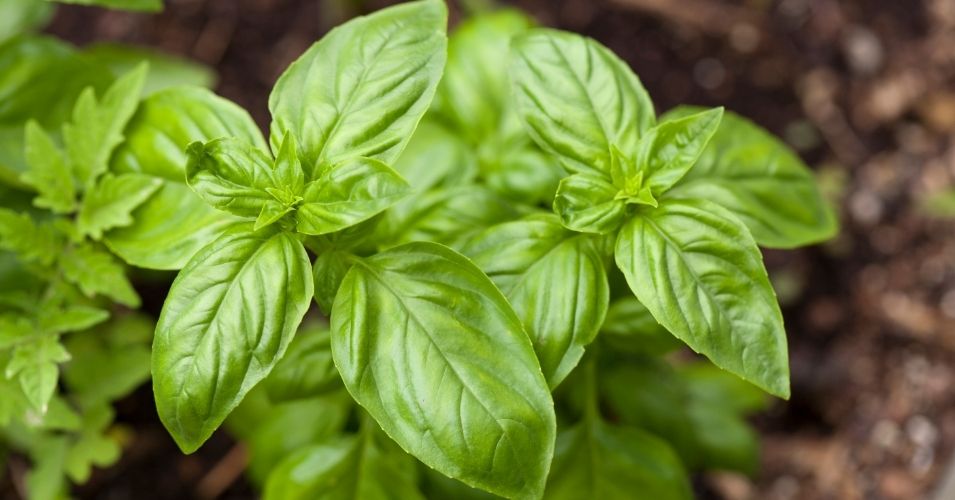
Basil is a summer favorite, known for its fragrant leaves and fresh, peppery flavor that makes every dish come alive.
But as winter rolls in and temperatures drop, basil’s tropical nature becomes a challenge for gardeners. Cold air, low light, and dry indoor conditions can quickly cause your plants to wilt or die back.
With the proper care, though, you can keep basil thriving long after the garden season ends. Whether you’re overwintering an established plant or growing new ones indoors, learning how to protect and nurture basil through the cold months will keep that green magic alive all winter long.
How Basil Responds to Cold Weather and Shorter Days
Basil may be a tough little herb when it comes to thriving in the summer sun, but it is surprisingly sensitive once the cold sets in. Native to tropical and subtropical regions, basil thrives in warm, bright conditions and high humidity.
When the days grow shorter and the nights cooler, its entire system begins to slow down. Understanding how basil reacts to winter conditions helps you know exactly what it needs to survive and stay healthy through the coldest months.
Once temperatures start dipping below 50 degrees Fahrenheit, basil begins to struggle. Its growth slows dramatically, and the bright, tender leaves can lose their vibrant color. If frost touches the plant, even briefly, the leaves will turn black and mushy almost overnight. This sensitivity makes outdoor basil one of the first herbs to show distress as summer fades.
Along with cold air, shorter days also take a toll. Basil is a sun lover, needing six to eight hours of direct light daily to keep producing flavorful leaves. In winter, reduced sunlight and weaker rays mean less energy for growth. The plant responds by conserving energy, slowing leaf production, and prioritizing survival over expansion.
Another challenge comes from the dry air that often accompanies indoor heating. While basil prefers moist, well-drained soil, it also enjoys slightly humid air. When homes become dry in winter, the leaves can crisp at the edges or curl inward. This is not a disease but simply a reaction to low humidity.
Knowing these natural responses helps you plan. It is not that basil cannot live through winter, but it requires an environment that mimics its native warmth and light.
Steps to Move Outdoor Basil Indoors Before Frost Arrives
If your basil plants have spent the summer thriving in the garden, you can bring them indoors before frost arrives to continue growing through winter. You will need to do a bit of planning and gentle handling, but the reward is fresh basil throughout the winter months. Moving basil successfully means protecting it from shock, pests, and sudden environmental changes.
The first step is to act early. Watch your local weather forecast closely. Once nighttime temperatures start dipping below 55 degrees Fahrenheit, it is time to prepare. Basil cannot handle even a light frost, so you should move it well before the first freezing night.
Check your plants for signs of pests such as aphids, whiteflies, or spider mites. These small insects often hide under the leaves and can quickly spread indoors. Rinse the plant gently with a spray of water or wipe the leaves with a damp cloth to remove any hitchhikers. A mild, natural soap spray can be used if needed.
Next, prune your basil lightly before bringing it in. Remove any yellowing or damaged leaves, and trim the plant back by about one-third. This helps reduce stress and encourages the plant to put energy into new growth once it adjusts to its new environment. Save those trimmings for cooking or drying.
If your basil is planted in the ground, you will need to transplant it into a pot before moving it inside. Choose a container that has good drainage holes. Fill the container with fresh, well-draining potting mix. Dig around the root ball carefully, keeping as much soil intact as possible, and place it gently into the pot. Water lightly to help the roots settle.
When you first bring basil indoors, do not place it immediately in direct sunlight or near a heat source. Instead, give it a few days in a bright but indirect light spot to adjust to the new temperature and humidity. Gradual acclimation helps prevent shock, which can cause leaf drop or wilting.
After a week or so, move your basil to a sunny window or under a grow light where it can receive at least six hours of light each day. With this careful transition, your outdoor basil can adapt to its indoor home and continue to add fresh flavor to your meals all winter long.
Setting Up the Perfect Indoor Space for Winter Growth
Once your basil plants are safely inside, the next step is to create an environment that keeps them healthy during winter.
Basil might survive indoors with minimal care, but to truly thrive, it needs the right balance of light, warmth, humidity, and airflow. Mimicking its summer conditions as closely as possible helps the plant keep growing, even when it’s cold and dark outside.
Start with light. Basil needs at least 6 hours of sunlight a day, and more is preferred. South-facing windows are the best spot, as they capture the most daylight during winter. If your home doesn’t get enough natural light, a grow light can make all the difference. Position the light about 6 to 12 inches above the plant and leave it on for 10 to 12 hours each day. Using a timer can make this simple and consistent.
Temperature is another key factor. Basil prefers warmth and grows best when the air stays between 65 and 75 degrees Fahrenheit. Keep your plant away from cold drafts, such as those that come from windows or exterior doors. Likewise, avoid placing it too close to heaters or radiators, which can dry the air and scorch the leaves. A steady, moderate temperature helps basil stay stable and comfortable.
Gardeners often forget humidity, but basil depends on it. Indoor air in winter tends to be dry, especially when heating systems run frequently. To fix this, place your plant on a shallow tray filled with pebbles and water. The humidity around the plant will increase as the water evaporates. You can also lightly mist the leaves every few days or run a small humidifier nearby.
Lastly, make sure your basil gets good air circulation. Stagnant air encourages the growth of mold and fungi. A gentle fan on a low setting helps keep the air moving and reduces the risk of disease. By giving your basil a bright, warm, and slightly humid home, you create the perfect setup for steady winter growth.
Care Routines for Watering, Feeding, and Pruning in Winter
During winter, basil’s needs shift. It no longer grows as quickly as it does in summer, and its slower metabolism means it requires less water and fewer nutrients. Paying attention to these changes is the secret to keeping your basil healthy rather than overworked or stressed. With proper care, your plant will stay lush and flavorful until spring.
Start with watering. Basil likes moist soil, but not soggy conditions. In winter, when sunlight is weaker and evaporation slows down, the soil stays damp longer. Check the top inch of the soil before watering. If it feels dry to the touch, it’s time to water. If it still feels moist, wait a few more days. When you water, pour slowly until it drains from the bottom, then empty the saucer so the roots never sit in standing water.
Feeding is another part that needs adjustment. In winter, basil’s growth rate drops, so heavy feeding can do more harm than good. Too much fertilizer can encourage soft, leggy stems that attract pests and weaken the plant. You can safely use a diluted, balanced liquid fertilizer once a month or skip feeding altogether if the plant isn’t actively growing. When new leaves begin to appear in late winter, you can increase feeding slightly to prepare for spring growth.
Pruning is essential for keeping basil full and bushy. Even during winter, occasional trimming helps keep the plant compact and prevents it from becoming tall and thin. Cut just above a pair of leaves, encouraging new shoots to branch out. Regular pruning also improves air circulation and keeps the plant looking fresh.
Finally, watch for signs of stress. Leaves that yellow often indicate overwatering, while dry, brittle tips usually indicate low humidity. Adjusting your care routine based on these small signals keeps your basil balanced.
With thoughtful watering, light feeding, and gentle pruning, your basil can remain healthy and vibrant through even the darkest winter months.
Helping Basil Stay Strong and Productive Until Spring
As winter slowly fades and the days begin to brighten, your basil plant starts to stir again. This transition from dormancy to growth can be a fragile time, but it is also the most rewarding.
With a bit of patience and attention, your basil will not only survive the winter but also bounce back full of color, fragrance, and energy once spring arrives. The key is to help it adjust gently while keeping its environment steady and nourishing.
Start by increasing the light your basil receives. As the sun begins to climb higher in the sky, natural light becomes stronger and lasts longer. Move your plant closer to a sunny window where it can enjoy this extra brightness.
If you have been using grow lights, extend their duration gradually by an hour or two each day to match the lengthening daylight. Avoid sudden changes in lighting, which can stress the plant and cause leaf drop.
Next, watch the temperature. Indoor conditions can fluctuate with the seasons, so keep your basil in a place that stays consistently warm. Avoid drafty spots and cold windowsills at night, as sudden chills can stunt new growth. A steady temperature of between 65 and 75 degrees Fahrenheit signals to basil that it’s safe to resume growth.
As your plant awakens, resume a more regular watering and feeding routine. You can water a little more frequently now as growth picks up and the soil dries out faster.
Start feeding with a diluted fertilizer every two to three weeks to encourage healthy new leaves. Keep pruning lightly to shape the plant and promote branching. Each time you snip a stem tip, two new shoots will form, creating a fuller, more productive plant.
You may also notice your basil sending up small flower buds as light levels increase. While these blooms are lovely, they can reduce the flavor and tenderness of the leaves. Pinch off the buds as soon as you see them to keep the plant’s energy focused on producing foliage instead of seeds.
With steady warmth, gentle pruning, and renewed feeding, your basil will gain strength through the final weeks of winter. By the time spring fully arrives, you will have a thriving, leafy plant ready to move outdoors again or continue growing happily inside.
Final Thoughts
Caring for basil in winter is as much about patience as it is about technique. The plant’s tropical nature makes it sensitive to cold and sudden light changes, but with proper care, it can stay alive and flavorful through the darkest months.
The secret lies in balance: enough light without harsh heat, enough moisture without soggy soil, and enough rest without neglect. Each small adjustment keeps your basil resilient.
By the time spring sunlight returns, your efforts will be rewarded with a healthy, fragrant plant that fills your kitchen with the same freshness and flavor you enjoy in summer.