
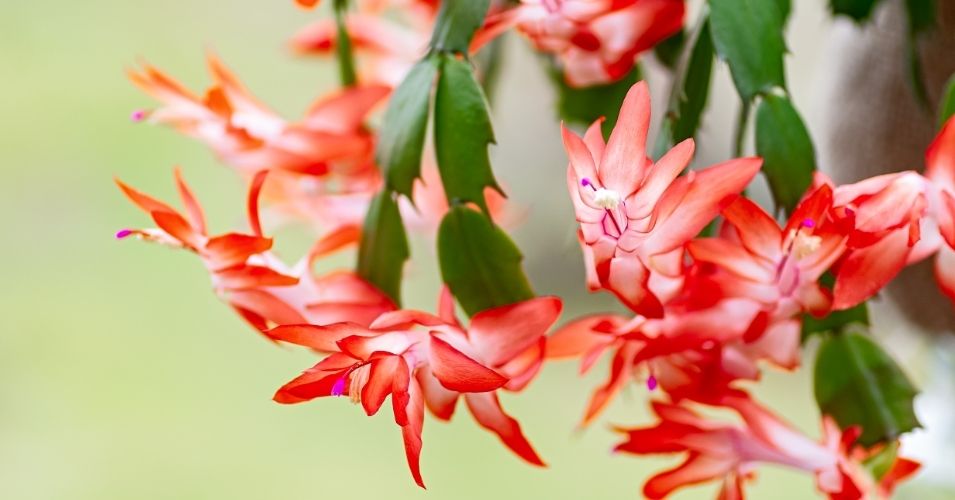
The Christmas cactus is one of the most beloved holiday plants, known for its elegant arching stems and bright blooms that appear when winter days are at their darkest.
Unlike most cacti, this tropical beauty doesn’t come from the desert but from the shaded rainforests of Brazil. That means its needs in winter are different from what many gardeners expect.
Caring for a Christmas cactus during the colder months is all about balance: light, moisture, and temperature. With the proper attention, it can stay healthy and bloom beautifully year after year, bringing color and life to your home all winter long.
Understand the Christmas Cactus and Its Winter Rhythm
The Christmas cactus is often misunderstood because of its name. Many people assume it prefers hot, dry conditions like other desert cacti, but in truth, it’s a rainforest plant that thrives in shade, moisture, and mild temperatures.
Its natural home is in the humid mountain forests of Brazil, where it grows as an epiphyte, clinging to tree branches and drawing nutrients from rain and decomposing leaves. This tropical origin shapes how it behaves in winter and how you should care for it indoors.
In its natural environment, the Christmas cactus experiences a precise rhythm of growth, rest, and blooming. During late fall and early winter, it prepares to flower, producing buds when nights grow longer and temperatures drop slightly.
This timing aligns perfectly with the holiday season, which is why it earned its festive name. After blooming, the plant enters a gentle resting phase through midwinter before resuming slow, steady growth in spring.
Understanding this cycle helps you properly care for your cactus. During the budding and blooming stages, it needs slightly more light and water to support the energy demands of flower production. Once the blooms fade, it should be allowed to rest, with reduced watering and a cooler environment, to recover its strength.
This natural rhythm is crucial to the plant’s health. Many people make the mistake of treating the Christmas cactus like a year-round houseplant, keeping it warm and well-watered even after it has finished blooming. This can stress the plant, preventing it from setting new buds the following year. Recognizing its need for rest is the key to keeping it vigorous and ensuring it blooms again.
The beauty of the Christmas cactus lies not only in its flowers but in its adaptability. It can live for decades when properly cared for and is often passed down through generations.
Learning how it behaves in winter gives you insight into its life cycle: a gentle balance between activity and rest. Once you understand this rhythm, you’ll see that winter isn’t a challenge for your Christmas cactus at all. It’s the season it was born to shine.
How to Create the Right Indoor Conditions for Bloom and Rest
The environment you create for your Christmas cactus during winter determines how well it blooms and how gracefully it recovers afterward. Because this plant evolved in the shaded canopies of tropical forests, it prefers gentle light, moderate warmth, and consistent humidity rather than the extremes often found indoors during winter.
Start by choosing the right spot in your home. The best location is one that offers bright but indirect light, such as near an east- or north-facing window. Too much direct sunlight can burn its leaves, while too little light will reduce blooming and cause the stems to stretch out weakly. If natural light is limited during short winter days, you can supplement with a small grow light set a few feet away.
Temperature is another critical factor. Christmas cacti bloom best when they experience cooler nights and mild days. Ideally, keep daytime temperatures around 65 to 70 degrees Fahrenheit and nighttime temperatures around 55 to 60 degrees Fahrenheit. This slight drop helps encourage flowering and mimics the natural conditions of their native forests. Avoid placing the plant near drafts, radiators, or heating vents, as sudden temperature changes can cause buds to drop before they open.
Humidity is equally essential. Indoor air tends to become very dry in winter due to heating systems. Low humidity can cause leaves to shrivel or turn purple at the edges. To maintain proper air moisture, you can place a shallow tray filled with pebbles and water beneath the pot, or group your cactus with other houseplants to create a small, humid microclimate.
Air circulation also matters, but it should be gentle. Stagnant air can encourage fungal issues, while cold drafts can stress the plant. A location with light, steady airflow away from doors or fans keeps your cactus comfortable.
Finally, please don’t move your plant frequently once it starts forming buds. Christmas cacti are sensitive to changes in position or lighting, and shifting them around the house can cause buds to fall off before they bloom. Keep it in one stable environment until flowering ends.
When you create an indoor space that feels calm, bright, and evenly warm, your Christmas cactus will respond beautifully. Its arching stems will stay firm and green, and its blooms will open in brilliant bursts of color against the quiet backdrop of winter.
By honoring its natural rhythm through thoughtful conditions, you’ll enjoy not only a thriving plant but also a deeper connection to one of the most graceful symbols of the season.
Watering, Feeding, and Light During the Cold Months
Caring for a Christmas cactus in winter means finding balance, especially when it comes to water, fertilizer, and light. Too much attention can be just as harmful as too little. Understanding how your plant behaves in this season helps you give it exactly what it needs to thrive without overwhelming it.
Watering is one of the most common challenges for Christmas cactus owners. Because it comes from a humid environment, many assume it likes constantly wet soil, but that’s not the case.
The plant prefers moisture rather than saturation. In winter, when growth slows and the air is cooler, the soil should be allowed to dry slightly between waterings. Stick your finger about an inch into the soil; if it feels dry at that depth, it’s time to water. If it’s still damp, wait a few more days.
When you do water, pour slowly until water drains from the bottom of the pot. This ensures the entire root ball gets moisture without sitting in soggy soil. Always empty any standing water from the saucer beneath the pot, as roots left in water can quickly rot. Using room-temperature water is also essential. Cold water can shock the roots and cause stress.
Feeding during winter should be minimal. While the plant is forming buds and blooming, you can feed it lightly every three to four weeks with a diluted, balanced houseplant fertilizer or one slightly higher in phosphorus to support flowering. Once the blooms fade, stop fertilizing altogether. The plant enters a resting phase, during which it needs time to recover and store energy for the next growth cycle. Overfeeding during this period can lead to weak, leggy growth or salt buildup in the soil.
Light plays a significant role in how well your Christmas cactus performs through the season. During winter, it needs bright, indirect light for about eight to ten hours a day. Avoid strong afternoon sunlight, which can scorch the stems. A spot near a filtered window is ideal. If natural light is limited, a small grow light on a timer can help supplement daylight without disturbing the plant’s natural rhythm.
One key to remember is consistency. Avoid moving the plant too often to adjust the lighting or display it in different areas. Changes in light direction or intensity can cause buds and blooms to drop prematurely.
By keeping the light steady, the watering moderate, and feeding balanced, your Christmas cactus will stay healthy and continue to bloom beautifully through the coldest months of the year.
Managing Temperature and Humidity for Healthy Growth
Even though Christmas cacti can tolerate cooler weather better than many tropical plants, temperature and humidity still play a massive role in their winter success. These two factors work hand in hand to maintain strong stems, lush green leaves, and vibrant flowers that last well into the new year.
Christmas cacti are happiest in moderate conditions. Ideal daytime temperatures range from 65 to 70 degrees Fahrenheit, while nighttime temperatures around 55 to 60 degrees encourage blooming. This gentle difference between day and night helps the plant regulate its energy and triggers bud production. If temperatures stay too warm, especially at night, your cactus may delay flowering or fail to produce buds altogether.
Avoid placing your plant near heat sources such as radiators, fireplaces, or heating vents. These areas create sudden bursts of hot, dry air that can wilt leaves or cause buds to fall before they open. Similarly, cold drafts from windows and exterior doors can shock the plant, leading to limp or discolored stems. A stable, middle-ground location away from temperature extremes is best.
Humidity is equally important, especially in homes where winter air becomes dry from indoor heating. In their natural rainforest habitats, Christmas cacti thrive in the constantly moist air around them. When humidity drops too low, their stems can shrivel or develop dry, papery edges. You can maintain proper humidity by placing a shallow tray of water with pebbles beneath the plant. As the water evaporates, it gently increases moisture in the air around it without soaking the roots.
Another easy way to boost humidity is to group your Christmas cactus with other plants. Houseplants naturally release moisture through their leaves, creating a microclimate that benefits them all. If your home is especially dry, running a small humidifier nearby can help maintain levels between 40 and 60 percent, which is ideal for both the plant and your own comfort.
Try to keep air movement gentle. While it’s essential to have some airflow to prevent mold or mildew, strong drafts from fans or open windows can quickly dry out the plant.
If you notice that your Christmas cactus is dropping buds or its stems look shriveled, it’s often a sign that the air is too dry or the temperature is fluctuating too much. Adjusting these two factors can usually restore the plant’s vitality within a few days.
By maintaining steady, comfortable conditions throughout winter, your Christmas cactus will stay robust and full of life. Proper temperature and humidity not only protect the plant during its blooming season but also strengthen it for the months ahead, ensuring it remains a bright, living reminder of warmth and beauty through the coldest time of year.
How to Help Your Christmas Cactus Recover After Flowering
When the bright, festive blooms of your Christmas cactus begin to fade, it’s time to shift your care routine from active support to gentle recovery. Flowering takes a lot of energy out of the plant, and once the blooms fall, your cactus enters a rest period.
This stage is just as crucial as the blooming phase because it allows the plant to rebuild strength for future growth and next year’s flower display.
The first step in post-bloom care is pruning and cleaning. Once the flowers have completely wilted and dropped off, remove any remaining petals or dead segments from the stems.
You can pinch off the ends of each segment with your fingers or trim them gently with clean scissors. This encourages new branching and helps the plant maintain a full, balanced shape. Pruning also prevents energy from being diverted to older, worn-out growth, redirecting it instead toward future blooms.
After flowering, reduce watering gradually. During the blooming phase, your plant needed consistent moisture to support the flowers, but now it prefers drier conditions. Let the top inch of soil dry out before watering again, and avoid leaving water standing in the saucer. Too much moisture during the rest period can cause root rot or make the plant limp.
Fertilizing should also pause during this time. The cactus won’t need extra nutrients until it begins producing new growth again in late winter or early spring. Feeding too early can encourage weak growth when the plant should still be resting. Once you see fresh green segments forming, resume fertilizing lightly every month with a diluted, balanced formula.
Temperature and light should be steady and gentle. Keep the cactus in a cool, bright spot where it gets indirect sunlight but no drafts. Avoid moving it too much, as sudden changes in light and temperature can stress the plant.
Many gardeners use this resting period as an opportunity to repot their Christmas cactus if it has outgrown its container. Late winter or early spring is the best time for this. Choose a pot only slightly larger than the current one, and use a well-draining succulent or cactus mix. Repotting refreshes the soil and gives the roots space to breathe, setting the stage for healthy growth in the months ahead.
By following these simple steps, you give your Christmas cactus the recovery time it needs. This short pause is what ensures it will bloom again year after year, stronger, fuller, and just as dazzling as before.
Final Thoughts
Caring for a Christmas cactus in winter is about understanding its rhythm and responding with gentle balance. It’s not a plant that asks for much, but it rewards attention with weeks of color when most other houseplants are resting.
By providing the right mix of light, temperature, and humidity, and by adjusting watering and feeding as the seasons shift, you can keep your cactus thriving through the coldest months.
Each winter, as it blooms again, you’ll see the payoff of your care: a living burst of brightness that brings warmth and beauty to your home, year after year.