
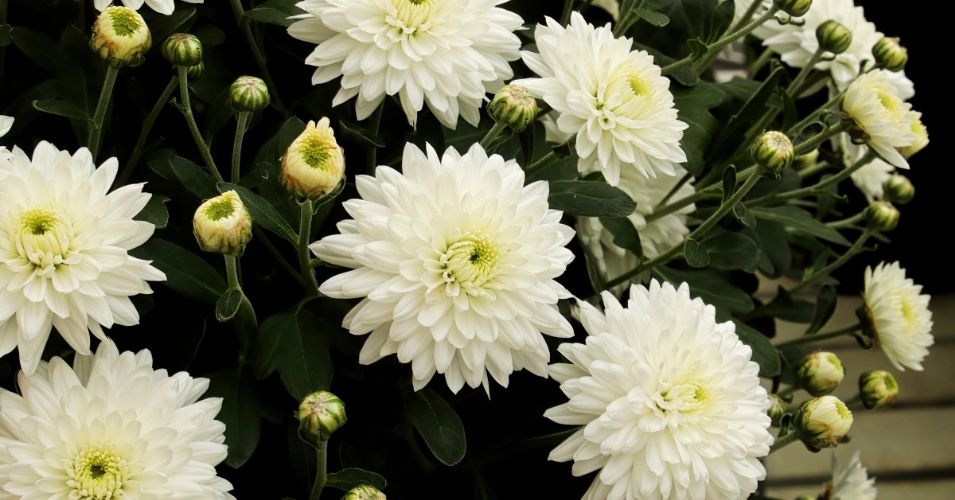
As fall settles in, the cheerful blooms of chrysanthemums brighten porches, patios, and gardens across neighborhoods.
These flowers, often simply called mums, are a favorite for their bold colors and late-season charm when most summer flowers have faded. Yet keeping them blooming through fall can be a challenge if the right care steps are not followed.
With proper attention, mums can remain vibrant well into the cooler days. The key is knowing how to balance water, sunlight, pruning, and soil support so their energy remains focused on producing strong, lasting blooms.
This guide will walk you through the best ways to keep your mums looking full, colorful, and alive all season long.
Choose the Best Spot for Healthy Growth
The spot where you place your mums will have a direct impact on how long they bloom and how strong they grow. Mums are sun lovers, and they need at least six hours of direct sunlight each day to thrive.
When you give them this amount of light, they reward you with more blooms that last longer into the season. Without enough sun, the plants become leggy, and their flowers fade more quickly than they should.
Choosing a location with good air circulation also matters. If mums are planted too close to walls or fences, the air around them can become stagnant. Stale air invites disease, and mums can be prone to mildew if conditions are too damp.
Spacing them apart with room for breezes to pass through helps keep their leaves dry and their overall growth healthy. This small step can extend bloom life by reducing the stress of disease.
The soil beneath your mums should be well drained. These plants dislike sitting in water, and heavy soils that stay soggy will cause their roots to rot.
Raised beds or loosened soil mixed with compost provide the right balance of drainage and nutrients. A location with slightly sloped ground is also beneficial, as it helps water move away from the crown of the plant rather than settling in.
Temperature also plays a role in placement. While mums can manage cooler weather, sudden temperature swings are harder for them if they are in exposed areas.
A location with some protection from harsh winds, such as behind a row of shrubs or near a garden wall, helps shield them. The right balance of sunlight, airflow, and protection creates an environment where your mums can thrive all fall.
The best spot for mums is one that offers sunlight, healthy soil, and protection from extremes. When these conditions are met, you will see mums produce bigger and brighter flowers that last far beyond the first hint of frost. Choosing carefully at the start will pay off with a stronger display all season long.
Feed and Water to Support Bright Flowers
Mums are heavy feeders, and without the right nutrients, they cannot continue producing blooms as fall progresses. Feeding them with a balanced fertilizer helps maintain their energy, especially as they work hard to push out buds and keep flowers bright.
A formula rich in phosphorus encourages flowering, while nitrogen supports healthy green leaves. Feeding every two weeks during the blooming season can make a noticeable difference in how long the flowers stay fresh.
Watering is another key to success. Mums prefer consistently moist soil but never waterlogged conditions. Dry soil stresses the plants, causing flowers to wilt and buds to stop opening. On the other hand, too much water suffocates the roots and invites rot.
The goal is even moisture, which means checking the soil with your finger and watering when the top inch feels dry. Deep watering is better than frequent light watering, as it encourages roots to grow downward and stay strong.
Morning is the best time to water mums. Watering early in the day allows moisture on the leaves to dry before nightfall, which lowers the risk of mildew.
Wet foliage in cool evening temperatures creates the perfect environment for fungal disease, which weakens the plant and shortens bloom life. A slow, steady soak at the base of the plant is more effective than overhead watering.
Mulch helps maintain the right moisture balance. A layer of straw, shredded bark, or compost around the base of mums holds water in the soil and keeps roots cooler. Mulch also prevents sudden changes in soil temperature, which can stress the plant. This steady environment supports longer-lasting flowers and reduces the need for constant watering.
Regular feeding and careful watering work together to extend the bloom period of mums. When their roots have the nutrients and moisture they need, the flowers remain strong, colorful, and vibrant. With these practices, your mums will not only survive the season but stand out as one of the brightest features in your fall garden.
Prune and Pinch to Encourage More Blooms
Pruning and pinching are two of the most effective ways to keep mums looking full and colorful throughout fall. These simple actions guide the plant to put its energy into producing more buds rather than growing tall, spindly stems.
When mums are left unpruned, they often stretch upward, leaving gaps in the foliage and producing fewer flowers. By pruning early in the season and pinching as blooms develop, you help the plant grow compact and dense, filled with buds that will continue opening as the season unfolds.
Pinching back the stems is best done in the initial stages of growth, usually in late spring and early summer. Removing the top inch or two of new growth encourages the plant to branch out.
Each branch that develops will form new buds, creating the potential for twice or even three times the number of flowers compared to unpinched plants. While fall mums from garden centers may already be well-shaped, a little extra pinching of stray stems can still encourage late-season blooms.
Deadheading is also an important form of pruning that extends the bloom period. Once flowers begin to fade and turn brown, they draw energy from the plant even though they no longer add beauty.
By snipping off these spent blooms, you redirect that energy into forming new buds. This cycle of removing old flowers and making room for new ones can keep mums blooming until frost becomes too strong.
When pruning, it is important to use clean, sharp shears. Dull or dirty tools can damage stems and increase the risk of disease entering through small cuts. Take time to prune carefully and avoid tearing stems, which can weaken the plant. Focus on removing dead, weak, or overcrowded growth to keep the plant healthy and open to sunlight and airflow.
Pruning and pinching not only increase the number of blooms but also improve the appearance of mums.
A plant that is dense and round will look fuller and more balanced in a garden or container display. With regular attention, mums can remain an eye-catching centerpiece, producing waves of fresh blossoms that brighten your garden throughout the fall season.
Protect Mums from Frost and Cold Nights
As fall deepens, one of the biggest threats to mums is frost. While mums can tolerate cooler temperatures, a sudden frost or wintry night can quickly damage the delicate flowers and shorten the bloom period.
Protecting your plants from these conditions ensures that they keep their color and strength as the season shifts. With a few precautions, mums can survive well past the first frosty evenings.
The easiest way to shield mums from cold nights is by covering them. Lightweight fabric such as a sheet, burlap, or frost cloth can be draped over the plants in the evening and removed in the morning.
This simple step traps warmth from the ground and keeps chilly air off the flowers. It is important to avoid using plastic directly on the plants, as it can trap moisture and cause damage. By lifting the cover slightly with stakes, you create space for air circulation while still offering protection.
Containers make protecting mums easier, as potted plants can be moved into a garage, porch, or sheltered area on very cold nights. Even a temporary shift out of direct frost exposure can preserve blooms for several more weeks. When temperatures rise again during the day, return them to their sunny spot so they can continue receiving the light they need to keep flowering.
Mulch also plays a role in frost protection. A thick layer of mulch around the base of the plant insulates the soil and keeps the roots warmer.
While frost often damages flowers first, protecting the roots ensures that the plant remains strong and can send out new growth if conditions improve. This is especially valuable if you hope to overwinter mums for the following year.
Watering before a chilly night may seem unusual, but moist soil retains heat better than dry soil. Giving your mums a deep watering in the afternoon before frost arrives helps create a slightly warmer environment around their roots. This small step can help plants endure brief dips in temperature.
Protecting mums from frost extends their beauty and adds weeks to their blooming season. With covers, mulch, careful watering, and timely relocation of potted plants, you can enjoy the bright colors of your mums long after the weather begins to turn. These efforts make mums one of the most reliable flowers for extending fall beauty in your garden.
Prepare the Soil to Keep Roots Strong
The strength and endurance of mums during fall largely depends on what lies beneath the surface. Healthy soil provides the foundation for long-lasting blooms and resilient roots that can manage shifting weather conditions.
Without the right soil preparation, mums may flower briefly but quickly fade, leaving you with weak plants that struggle to stay vibrant. Investing time in the soil ensures that your mums not only survive but continue to bloom beautifully through the season.
Well-drained soil is essential for mums. These plants dislike wet feet, and standing water around their roots can cause rot. If your garden soil tends to hold water, consider loosening it by mixing in compost, peat moss, or coarse sand.
These additions create air pockets and improve drainage, allowing roots to breathe and expand without drowning. The goal is soil that holds enough moisture to keep plants hydrated but drains well enough to avoid sogginess.
Nutrients in the soil also make a significant difference in bloom quality. A soil enriched with organic matter supports steady growth and flower production.
Compost or well-aged manure adds not only nutrients but also improves the structure of the soil, making it more resilient against changing conditions. Organic matter feeds the roots slowly over time, keeping mums supplied with the energy they need to produce bright and abundant blooms.
Soil pH is another principal factor. Mums prefer a slightly acidic to neutral pH, usually between 6.0 and 7.0. Testing your soil with a simple kit can show if it falls within this range. If the soil is too acidic, adding lime helps balance it, while sulfur lowers a pH that is too high.
Adjusting pH ensures that mums can access the nutrients already present in the soil, making fertilizers more effective.
Mulching around mums after preparing the soil provides even more support. A two to three-inch layer of straw, shredded bark, or compost helps lock in moisture while preventing weeds from competing with the plant’s roots. Mulch also stabilizes soil temperature, keeping roots from experiencing sudden cold shocks during chilly fall nights.
Preparing the soil does more than benefit the current season. Strong, well-fed roots are better prepared for the transition into winter if you plan to overwinter your mums.
Even if you treat your mums as annuals, preparing the soil ensures that their bloom display remains lush and full until frost finally ends their show. Healthy soil is the quiet partner that keeps mums shining bright above ground.
Final Thoughts
Mums bring warmth and color to fall gardens, and with proper care, they can bloom longer than many expect.
Paying attention to where they are planted, how they are watered, and how their soil is prepared makes a lasting difference. Small efforts like pruning spent blooms and protecting against frost can extend their beauty for weeks.
With these steps, your mums become more than just seasonal plants. They turn into the highlight of your fall garden, keeping their charm well past the first chill of the season. Strong roots, bright flowers, and thoughtful care ensure their colors carry you joyfully through fall.