
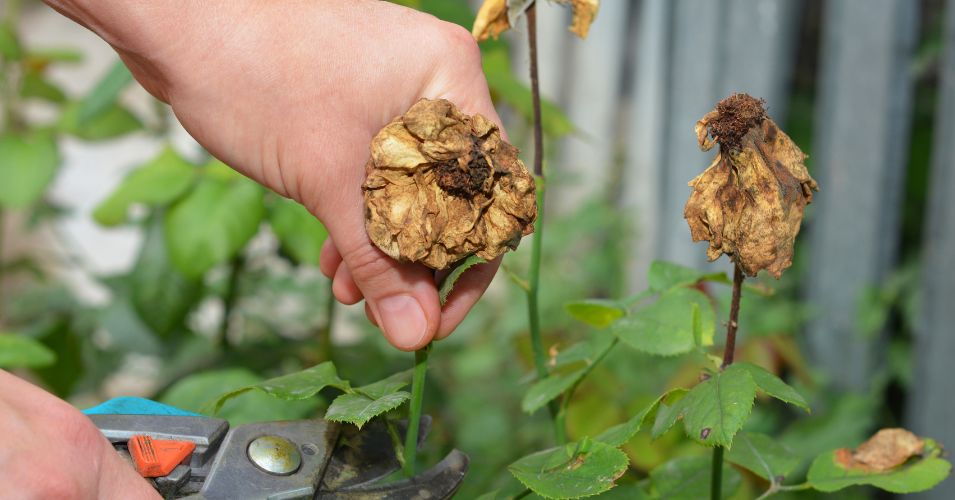
Deadheading is one of those simple garden habits that makes a big difference. It keeps plants tidy, encourages more blooms, and helps prevent unwanted self-seeding.
But while most gardeners think of deadheading as a summer chore, some plants benefit just as much from it in winter. When done at the right time, it helps your garden rest cleanly and prepares it for a strong burst of life in spring.
Winter deadheading isn’t about perfection. It’s about helping plants conserve their energy while keeping your garden healthy, balanced, and ready to thrive once the frost fades away.
Why Winter Deadheading Makes a Difference
When winter settles in and your garden quiets down, it may seem like the time to put everything on hold. But this calm season is actually the perfect moment to give certain plants a little care through deadheading.
Removing spent blooms in winter helps keep your garden healthy, balanced, and ready for a strong burst of life once spring returns.
The first reason winter deadheading matters is plant health. Old flower heads often hold moisture, which can encourage mold and rot, especially when snow and ice come and go. Cutting them off allows air to circulate and keeps the plant’s crown and stems dry. This reduces the risk of fungal diseases that could spread when growth begins again in the warmer months.
It also helps your plants rest properly. Even though many of them are dormant, they can still waste energy maintaining dried flowers or attempting to form seeds. When you remove those leftovers, the plant can redirect that energy into strengthening its root system. That energy storage is what powers lush growth when the new season starts.
Deadheading in winter also improves the look of your garden. Instead of a sea of drooping, colorless stems, you’ll have a landscape that looks cared for and calm. A tidy winter garden still has beauty, especially when frost highlights the clean lines of plants that have been trimmed and shaped.
Another benefit is controlling unwanted seedlings. Some perennials, like coneflowers or rudbeckias, love to spread. If you leave their seed heads too long, they can drop hundreds of seeds that sprout in random spots once the ground warms. A little winter deadheading helps prevent that overgrowth and keeps your beds balanced.
The best time to deadhead is once plants have fully entered dormancy. Look for dry, brittle stems and faded flower heads. Use sharp, clean shears or pruners to make smooth cuts just above a healthy leaf node or bud. Avoid cutting too deeply into green tissue, since that part of the plant will still be storing energy for spring.
This type of winter care is not harsh pruning. It’s light, thoughtful maintenance that protects and refreshes. It allows you to connect with your garden during its quiet months and ensures that when spring arrives, your plants are clean, strong, and ready to flourish.
Deadheading in winter may seem like a small act, but it plays a significant role in keeping your garden healthy and full of life. When the first green shoots appear, you’ll see how your careful winter work pays off in strong, vibrant growth.
Perennials That Benefit from Removing Old Blooms
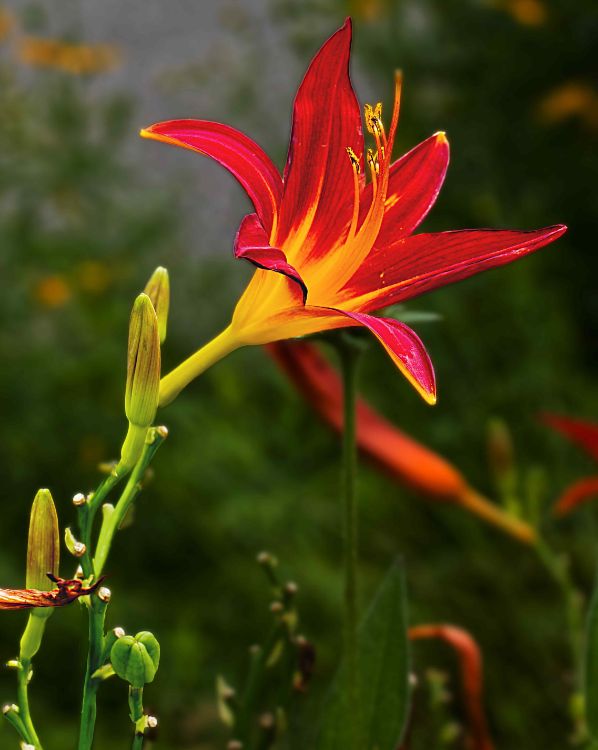
Perennials are the heart of most gardens, coming back year after year with reliable beauty. But to keep them strong, many need a bit of winter cleanup. Deadheading perennials in the colder months helps prevent disease, encourages better growth, and keeps your garden from turning into a tangle of old stems and decaying blooms.
Start with daylilies. By the end of the season, their flower stalks dry out and their foliage collapses. If you leave the old stems through winter, they can trap moisture and cause rot near the crown. Once frost has completely killed the foliage, cut the stalks a few inches above the ground. This helps air circulate and prevents pest buildup.
Coneflowers, or Echinacea, are another perennial that benefits from deadheading in late winter. Their seed heads feed birds during early winter, but after that, they can collect moisture and mold. Once the seeds are gone, trim the stems down to the base to keep your beds tidy and healthy.
Black-eyed Susans behave much the same way. Their cheerful yellow blooms fade to brown seed heads by late fall. These can be left standing for a while for the birds, but once most seeds have been eaten, snipping them back keeps diseases like powdery mildew at bay.
If you grow bee balm, cutting back is especially important. This plant often suffers from mildew that can overwinter on old stems. Removing spent flowers and trimming the plant close to the ground helps stop that problem before it spreads to new spring growth.
Coreopsis and Shasta daisies also appreciate having their dead blooms removed. Their dry flower heads can trap moisture, and clearing them away allows new shoots to emerge cleanly when the soil warms.
Peonies are another plant to deadhead and tidy up after frost. Their foliage often carries fungal spores through winter, so cutting down stems and removing debris around the crown helps keep the plant healthy for next season.
For most perennials, the key is to wait until they’re fully dormant before deadheading. Once you see that the stems are brown and brittle, it’s safe to trim. Always make smooth, clean cuts just above the base of the plant or a healthy bud.
This simple task takes only a few minutes per plant but sets the foundation for a healthier garden. When spring arrives, your perennials will have a clean slate and a strong root system ready to push up fresh, vibrant growth.
Deadheading in winter isn’t about perfection. It’s about giving your plants the peace and protection they need to come back stronger, fuller, and more beautiful each year.
Shrubs That Appreciate a Seasonal Cleanup
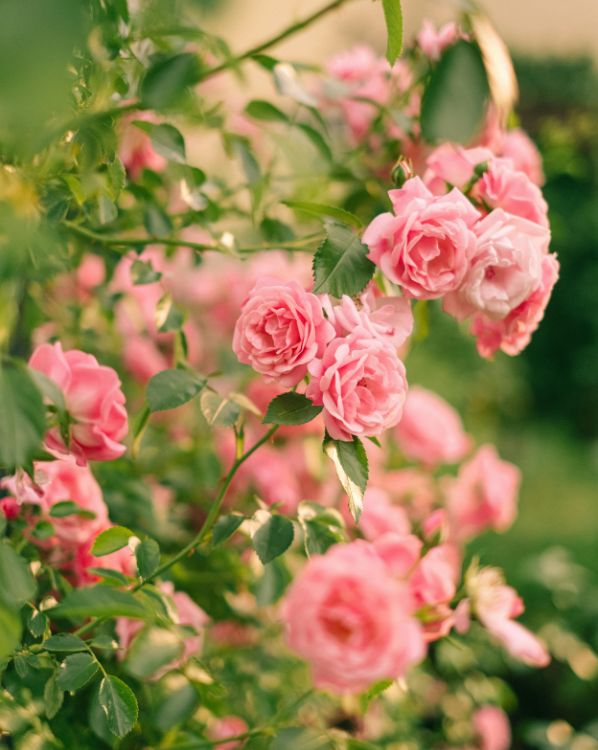
Shrubs are the backbone of many gardens, adding structure, texture, and color that last beyond the flowering season. While most shrubs do not need heavy pruning in winter, many of them appreciate a gentle cleanup to remove spent blooms and faded seed heads.
This type of winter deadheading keeps shrubs healthy, prevents disease, and prepares them to bloom beautifully when spring arrives.
A great example is Hydrangea paniculata, or panicle hydrangea. This hardy shrub produces large clusters of flowers that often dry beautifully in the fall. Leaving them on the plant for a while adds winter interest, but by late winter, it’s best to trim the old blooms. Cut just below each faded flower cluster, above a healthy pair of buds. This helps the shrub focus on developing new growth and ensures strong blooms for the next season.
Roses, especially shrub and repeat-blooming varieties, also benefit from light winter deadheading. After frost has finished them off, remove any remaining flower heads that have withered. This prevents mold or black spots from overwintering on the plant. Avoid cutting deeply, though. Save major pruning for early spring when the plant begins to show signs of growth.
Spirea is another shrub that appreciates a little winter attention. The faded flower clusters left after summer can look untidy, and removing them helps the plant rest cleanly. Snip just below the spent blooms, but avoid heavy shaping until the plant starts to grow again.
Butterfly bushes (Buddleia) may still hold onto old flower spikes well into winter. These can trap moisture, leading to dieback. Cutting the spikes before deep winter sets in helps prevent that and allows the plant to put its energy toward root strength instead of old wood.
Viburnum and potentilla can also benefit from removing dried flowers after the first frost. This keeps their form tidy and stops potential fungal issues from forming on old flower stems.
When cleaning up shrubs in winter, focus on removing the dead flower heads and any diseased or broken twigs. Always use clean, sharp tools to avoid spreading infection. For shrubs that bloom on old wood, like lilacs or bigleaf hydrangeas, avoid cutting too low, as this can remove next year’s flower buds.
Deadheading shrubs in winter isn’t about reshaping or shortening them. It’s a small, simple gesture that helps them stay clean and healthy through the cold months. When spring warmth returns, you’ll see how this light care pays off in fresh, vibrant growth and strong, colorful blooms.
A seasonal cleanup gives your shrubs the peace they need to rest while preparing them to wake up at their best. It’s a small task with big rewards, ensuring that the foundation of your garden remains strong and beautiful all year long.
Annuals and Self-Seeders to Tame Before Spring
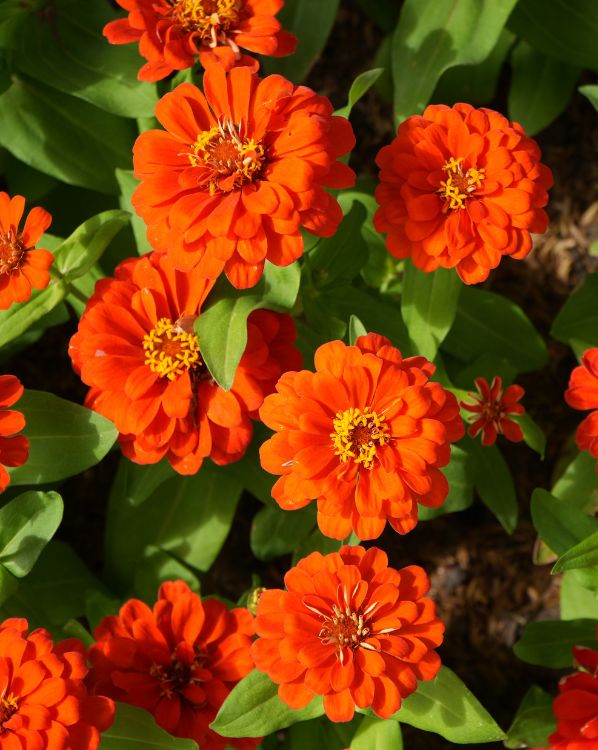
Annuals and self-seeding plants can be both a gift and a challenge. On one hand, they bring constant color and spontaneity to your garden. On the other hand, they can take over if left unchecked. Deadheading these plants in winter helps control where they spread and keeps your beds from becoming overcrowded when the weather warms.
Cosmos, zinnias, and marigolds are among the most common self-seeding annuals. If you allow their dried flower heads to remain through winter, they will drop countless seeds into the soil. While this can lead to a charmingly full garden, it can also crowd out more delicate perennials or cause uneven growth. Removing spent blooms before heavy snowfall or strong winds scatter the seeds helps maintain a balance between lushness and order.
Poppies and calendula are other prolific self-seeders. Their seed pods can linger through the colder months, opening as the snow melts. If you prefer a more controlled display, clip these pods in late winter. However, leaving a few in place can add a touch of surprise next season, as they reseed naturally and bring pops of color to unexpected spots.
In the case of nasturtiums and alyssum, winter deadheading prevents early rot and decay, especially if you live in a mild climate where the plants linger longer into the season. Removing dead blooms and stems also improves air circulation in the soil, helping to prevent fungal problems.
For gardeners who grow sunflowers, consider how many seed heads you want to leave behind. Birds love them, but if you remove some of the spent flowers after the birds have had their fill, you’ll reduce the number of random seedlings sprouting all over your garden come spring.
Even though annuals die off after one season, their seeds can live on and spread freely if you don’t step in. By trimming back what’s left in winter, you keep your garden design under control without completely eliminating the charm of self-seeding.
It’s all about balance. Leave a few dried heads to feed wildlife and bring surprise blooms next year, but remove enough to prevent chaos. This thoughtful approach to winter deadheading keeps your garden healthy, organized, and full of life without letting any one plant take over.
When the snow melts and the soil warms, you’ll find your garden clean, balanced, and ready to burst into color in all the right places. This is proof that a few winter snips can save you hours of work later in the season.
What to Leave Standing for Birds and Beauty
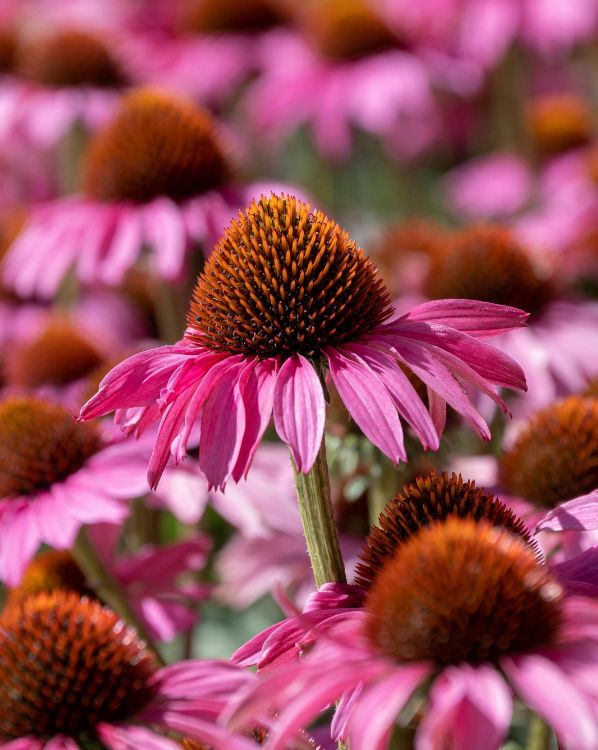
While winter deadheading can make your garden cleaner and healthier, not everything should be cut back when the temperature drops. Some plants deserve to stay standing, offering food, shelter, and structure during the coldest months. Leaving a few carefully chosen plants untouched adds life to the winter landscape while helping the wildlife that depend on your garden to survive.
One of the most valuable plants to leave standing is the coneflower (Echinacea). Its tall, dark seed heads are a favorite winter snack for birds like goldfinches and chickadees. The stiff stems also catch snow beautifully, turning into natural sculptures that glimmer in the morning frost. Letting them remain until late winter ensures that wildlife has a steady food supply when insects are scarce.
Black-eyed Susans and rudbeckias play a similar role. Their seeds feed birds throughout winter, while their upright stalks give the garden shape and texture against a backdrop of white snow or dull grass. These sturdy stems also protect the soil from erosion, especially in open garden beds.
Ornamental grasses such as switchgrass, feather reed grass, and little bluestem should also be left uncut until late winter. Their golden plumes sway gently in the wind, adding movement and softness to the garden’s winter profile. They also provide important shelter for overwintering insects and small creatures. When you do cut them back near the end of the season, new shoots will already be waiting to emerge from their bases.
Shrubs with berries, such as winterberry holly, viburnum, and beautyberry, are winter treasures. Their clusters of bright fruit bring color to the landscape when almost everything else fades. They also sustain birds and wildlife through the toughest part of the season. Keeping these shrubs untouched allows nature to use your garden as a safe, welcoming space.
Even plants like sedum and bee balm can be left alone until spring. Their dried flower heads look stunning, covered with snow or frost, catching the light in ways that add quiet beauty to an otherwise sleeping garden.
Leaving some plants standing in winter creates a balance between care and wildness. It lets nature’s rhythms continue, while still allowing you to guide the garden’s shape. The result is a living winter landscape. One that feels peaceful, purposeful, and alive, even in the coldest weather.
When the days begin to warm, you can trim away the old stems and seed heads, knowing they served their purpose well. Your garden will already be full of life, ready to wake up and grow once more.
Final Thoughts
Deadheading in winter is about more than just tidiness. It’s an act of care that helps your plants rest safely, prevents disease, and keeps your garden balanced through the cold season.
Each thoughtful snip you make now helps your garden thrive later. Removing the right blooms while leaving others standing allows nature and nurture to work together in harmony.
When spring returns, you’ll see the results everywhere. Healthy growth, cleaner beds, and bursts of color fed by the quiet work you did in winter.
Even in the garden’s stillest season, your attention matters, preparing the way for the beauty that’s waiting to bloom.