
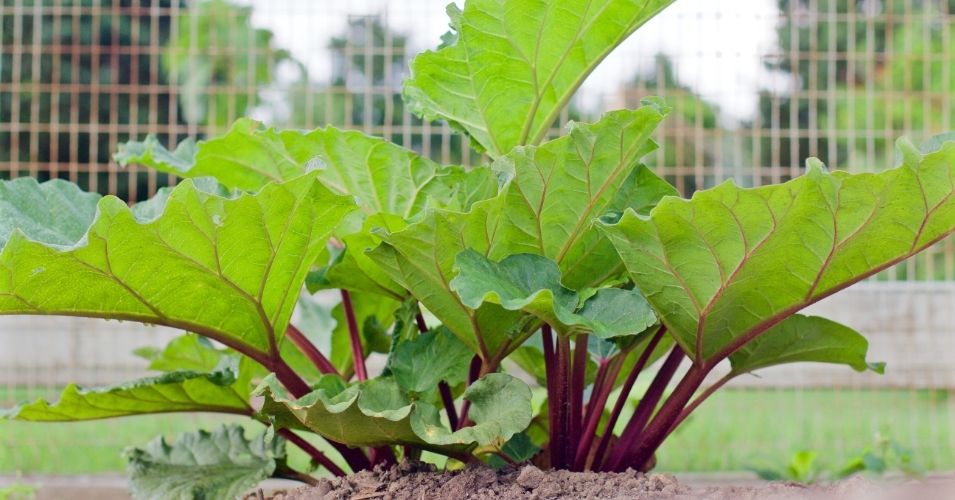
Rhubarb is one of those plants that brings both beauty and flavor to the garden. With its large green leaves and bright red stalks, it stands out as a bold presence in any planting bed.
Beyond its looks, rhubarb is a perennial crop that rewards patience with years of harvest once it is established.
To keep rhubarb healthy and productive, companion planting plays a vital role. By choosing the right neighbors, you can protect rhubarb from pests, improve soil conditions, and create a garden that looks full of life while remaining easy to maintain.
Brassicas
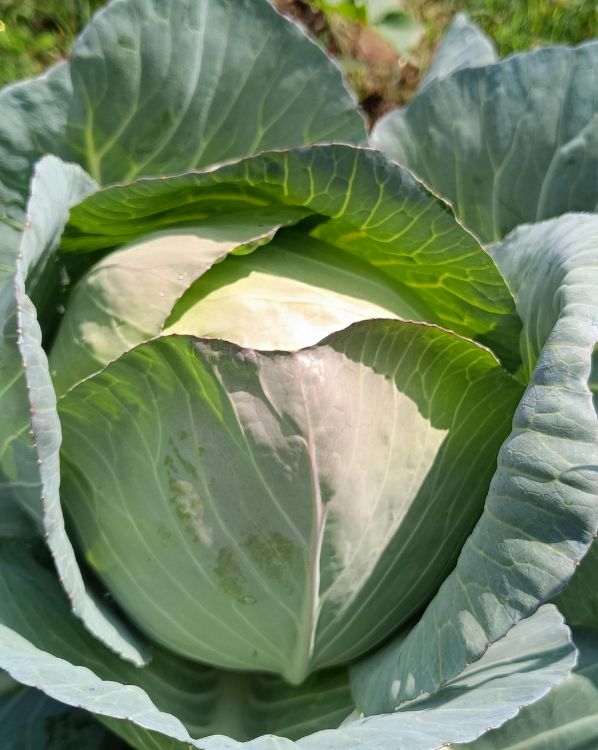
Brassicas, which include cabbage, broccoli, kale, cauliflower, and Brussels sprouts, make excellent companions for rhubarb because they share similar needs and offer protective benefits.
These vegetables thrive in cool conditions just as rhubarb does, making them natural partners in the garden. Their growth patterns and soil preferences allow them to fit alongside rhubarb without creating conflict, while also boosting productivity and health for both crops.
One of the strongest reasons to pair brassicas with rhubarb is pest control. Brassicas often attract cabbage worms and flea beetles, which can damage their leaves. Rhubarb, with its strong scent and large leaves, helps deter these pests, making it harder for them to spread.
At the same time, brassicas can function as a physical barrier around rhubarb, keeping smaller pests from reaching its tender stalks. This mutual support reduces the need for chemical sprays and keeps the garden more balanced.
Brassicas also benefit from the shade cast by rhubarb’s giant leaves. While rhubarb prefers plenty of sun, its wide leaves naturally create pockets of shade in the soil beneath them.
This can help brassicas that are more sensitive to heat stay cool as summer approaches. The shared growing environment works especially well in regions where spring quickly turns into hot weather, as rhubarb helps buffer brassicas from stress.
Another advantage is the way both plants use soil. Rhubarb has deep roots that pull up nutrients from lower layers, while brassicas use nutrients from the upper layers.
This means they are not competing heavily for the same resources. In fact, rhubarb’s habit of drawing minerals upward may even improve soil quality over time, making it easier for brassicas to thrive. The leafy debris from both plants also enriches the soil as it breaks down.
When planted together, rhubarb and brassicas create a visually striking combination. The bold red stalks of rhubarb stand tall beside the lush green and purple leaves of kale or the rounded heads of cabbage.
This pairing adds structure, variety, and purpose to the garden while making the most of space. By choosing brassicas as companions, gardeners can enjoy healthier rhubarb plants, a more resilient garden bed, and a harvest that is both abundant and diverse.
Onions
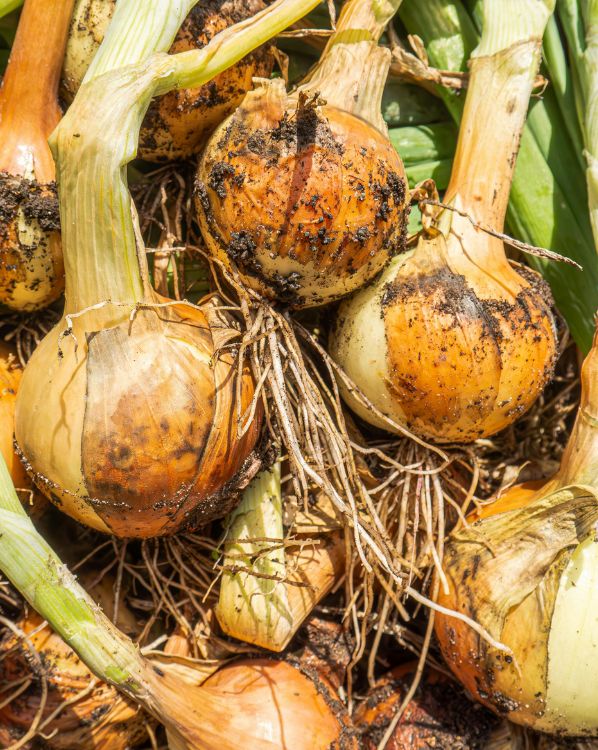
Onions are another strong companion for rhubarb, offering protective qualities that help keep pests at bay. With their sharp scent and underground bulbs, onions function as natural defenders in the garden.
They repel many insects that might otherwise harm rhubarb, such as aphids, whiteflies, and certain beetles. By weaving onions into the edges of a rhubarb bed, gardeners create a living shield that strengthens the overall health of the planting.
The compact growth of onions makes them easy neighbors for rhubarb. While rhubarb grows large with sprawling leaves, onions stay low to the ground and do not compete for space.
Their shallow root systems do not interfere with the deeper roots of rhubarb, which means the two can share a bed comfortably. This balance ensures that both crops grow without stress, while also making efficient use of available space.
Onions also bring soil benefits to rhubarb. As they grow, they help repel underground pests such as root maggots, which can damage delicate roots. Their presence helps create a cleaner and healthier soil environment for rhubarb to establish its perennial base.
When onions are harvested, the organic matter they leave behind enriches the soil further, creating long-term fertility that rhubarb can draw on in future seasons.
Another advantage of planting onions near rhubarb is the harvest timing. Rhubarb is picked in spring and early summer, while onions are often harvested later in the season.
This staggered schedule means both crops can share a bed without competing for attention. Gardeners can focus on rhubarb first, then turn their attention to onions once the rhubarb harvest slows, ensuring that the bed remains productive for much of the year.
Visually, onions add texture and interest to a rhubarb bed. The tall, slender stalks of green onions or the rounded bulbs of traditional varieties contrast with the wide, bold leaves of rhubarb. Together, they form a combination that is both functional and appealing.
Onions ensure protection, efficiency, and steady harvests when planted alongside rhubarb, making them one of the most valuable companions for this bold perennial.
Garlic
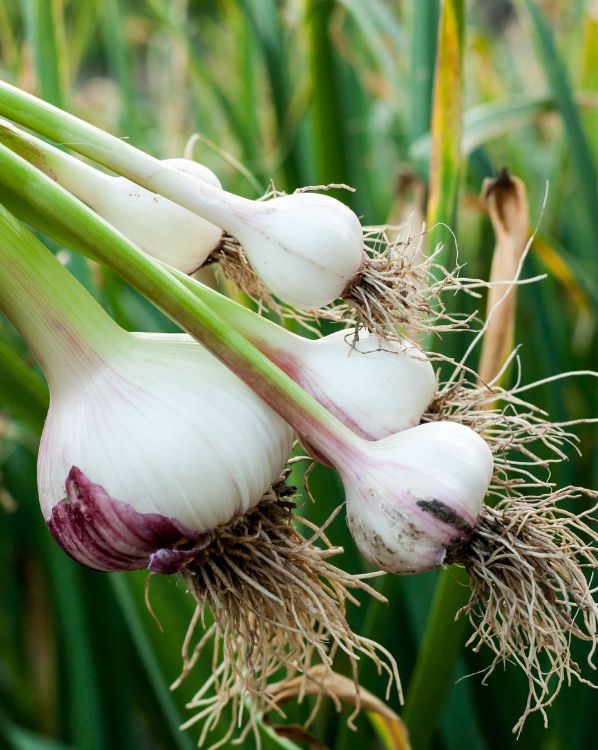
Garlic is one of the most effective companion plants for rhubarb because of its ability to protect against pests and improve the surrounding soil. Known for its pungent aroma and natural antibacterial properties, garlic acts as a natural shield for nearby crops.
When planted close to rhubarb, it helps keep harmful insects and even fungal issues from spreading, giving rhubarb the chance to grow stronger and more productive without interference.
One of the biggest threats to rhubarb is the rhubarb curculio, a beetle that can bore into stalks and cause lasting damage. Garlic’s strong scent is known to confuse and repel these types of pests, reducing the chances of infestation.
It also discourages aphids, spider mites, and other small insects that may gather on the leaves. This natural method of pest control is one of the main reasons garlic is considered a dependable ally for rhubarb.
Garlic also works beneath the soil to support rhubarb’s long-term growth. Its roots release sulfur compounds, which help ward off soil-borne diseases and function as a natural fungicide. Since rhubarb is a perennial that will stay in the same location for many years, protecting the soil from disease is essential. Garlic ensures that the environment remains healthier and less welcoming to harmful organisms.
Spacing is another reason garlic fits well as a rhubarb companion. Garlic bulbs grow in compact clusters and require little room compared to the wide spread of rhubarb leaves.
Planting garlic around the edges of a rhubarb bed makes efficient use of space without creating competition for nutrients. The shallow growth of garlic bulbs also complements the deeper root system of rhubarb, allowing both plants to share the soil effectively.
Beyond its protective qualities, garlic offers a harvest that pairs beautifully with rhubarb in the kitchen. The two crops mature in different seasons, which extends the usefulness of the garden bed. While rhubarb is harvested in spring, garlic is ready by mid-summer, ensuring the bed stays productive throughout the year.
Together, they represent a combination that is practical, protective, and rewarding for both the garden and the table.
Strawberries
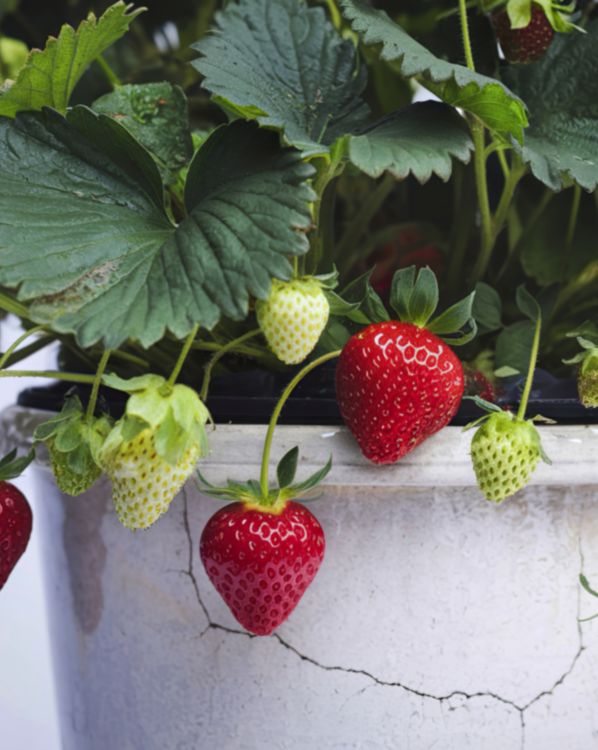
Strawberries are one of the most delightful companion plants for rhubarb, both in appearance and function. Their low-growing habit forms a living carpet around the base of rhubarb plants, keeping the soil cool, moist, and free from weeds.
The spreading runners of strawberries fill in empty spaces quickly, which helps reduce bare patches of soil that might otherwise dry out or become overrun with unwanted growth. This makes them a natural groundcover partner for the tall and leafy rhubarb.
One of the greatest strengths of strawberries as companions is their timing. Rhubarb is harvested in the spring, and strawberries ripen soon after, making them a perfect seasonal pairing.
Gardeners can gather stalks of rhubarb and bowls of strawberries around the same time, which has made this duo famous for desserts and preserves. The combination of tart rhubarb and sweet strawberries in pies, jams, and sauces is not only popular in the kitchen but also reflects the harmony the two share in the garden.
The shallow root systems of strawberries mean they do not interfere with the deeper roots of rhubarb. Instead, they work together to make better use of the soil.
Strawberries cover the surface layer while rhubarb reaches deeper, drawing up nutrients that strawberries cannot access. This complementary growth ensures that both crops receive what they need without exhausting the soil.
Strawberries also help protect rhubarb by covering the ground and reducing soil erosion. Their dense foliage acts like a living mulch, locking in moisture that rhubarb requires for steady growth.
The constant shade created by strawberry leaves also discourages weeds, which would otherwise compete with rhubarb for resources. By maintaining the soil in good condition, strawberries indirectly support the health and productivity of their taller neighbor.
Visually, strawberries and rhubarb create one of the most charming pairings in the garden. The bright red berries scattered across green foliage beneath the bold stalks of rhubarb make for a display that is as appealing to the eye as it is to the taste buds. Together, they create a garden partnership that is practical, productive, and undeniably beautiful.
Beans
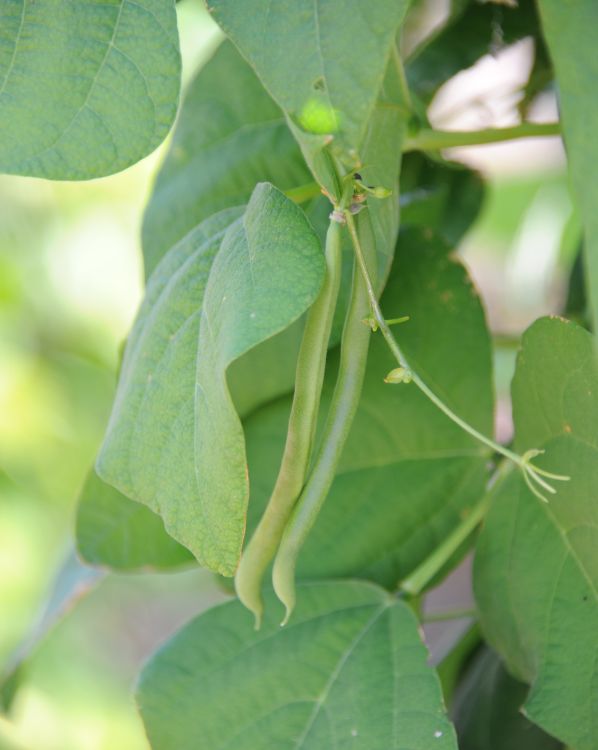
Beans are a particularly valuable companion for rhubarb because of their ability to enrich the soil with nitrogen, which directly benefits rhubarb’s long-term growth.
While rhubarb is a heavy feeder that thrives in nutrient-rich soil, beans naturally fix nitrogen from the air and return it to the ground through their root systems.
This process improves soil fertility over time, reducing the need for synthetic fertilizers and providing rhubarb with the resources it needs to develop strong stalks and lush leaves year after year.
The growth habits of beans also make them well suited to grow near rhubarb. Bush beans remain compact and can be planted along the edges of rhubarb beds without taking up too much space. Their low height prevents them from competing with rhubarb for sunlight, while their quick growth cycle ensures that they provide benefits early in the season.
Pole beans can also be grown nearby if placed on supports that do not interfere with rhubarb’s wide spread of leaves. By choosing the right bean varieties, gardeners can make the most of vertical and horizontal space in a productive way.
Another advantage of beans as companions is their ability to deter certain pests through diversity. A garden bed with multiple types of crops is less likely to suffer from severe infestations, as pests are often confused or discouraged by mixed plantings.
While beans do not directly repel the insects that bother rhubarb, they contribute to an overall healthier ecosystem in the garden. Combined with pest-repelling plants like garlic and onions, beans add yet another layer of resilience.
The timing of bean growth also complements rhubarb well. Rhubarb is harvested in the spring and early summer, while beans come into their peak during mid to late summer.
This staggered harvest means that gardeners can enjoy continuous yields from the same bed, making the most efficient use of their space. By the time rhubarb is left to grow out into tall leafy ferns, beans are producing steadily, keeping the garden both productive and attractive.
Visually, beans add freshness to a rhubarb bed with their bright green leaves and delicate flowers. When beans mature, their pods add another layer of interest to the garden.
The combination of bold, architectural rhubarb stalks with the lighter, more delicate growth of beans creates a balance that feels both structured and inviting. With their soil-enriching ability, staggered harvests, and complementary growth, beans are among the most beneficial partners gardeners can choose for rhubarb.
Final Thoughts
Rhubarb is a plant that rewards patience and care, but it thrives even more when surrounded by the right companions.
Brassicas, onions, garlic, strawberries, and beans each bring unique strengths, whether through pest control, soil enrichment, or the efficient use of space. When combined, they create a thriving ecosystem that supports rhubarb and keeps the garden vibrant throughout the growing season.
The beauty of companion planting lies not only in how it improves crop health but also in how it transforms a garden into a place of harmony. Rhubarb becomes more resilient, the soil grows richer, and the harvests extend beyond what one plant could provide alone.
By planting thoughtfully and weaving these companions into the rhubarb bed, gardeners ensure that their perennial crop remains strong for many years. The result is a garden that is balanced, productive, and filled with color and life from spring through fall.