
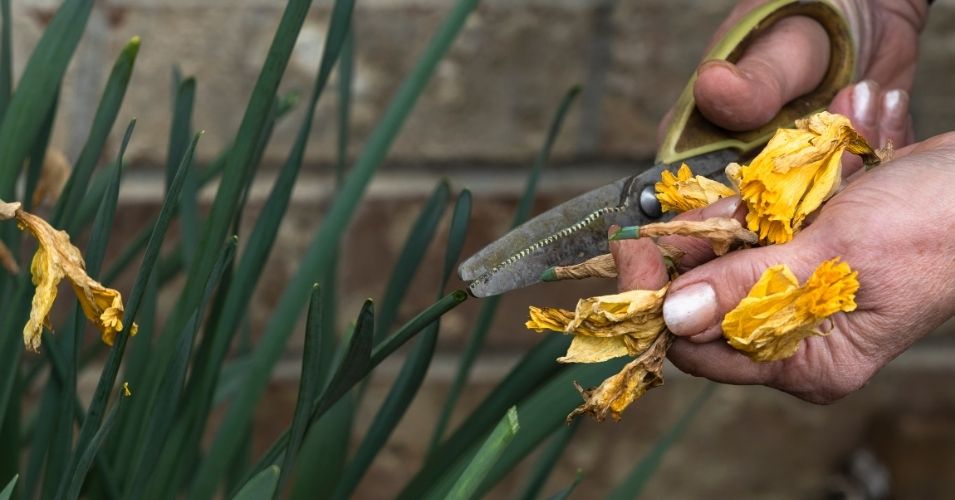
Fall cleanup is a ritual for many gardeners, but not every plant should be trimmed back once the season winds down.
While cutting perennials and shrubs often helps them stay healthy, some plants actually benefit from being left alone until spring.
Their stems, leaves, or seed heads provide insulation, food for wildlife, or protection from winter weather. Cutting these plants too early can leave them vulnerable, reduce next year’s blooms, or disrupt their natural cycle.
Knowing which plants to leave untouched ensures your garden stays balanced, healthy, and ready to flourish when warmer days return.
Lavender
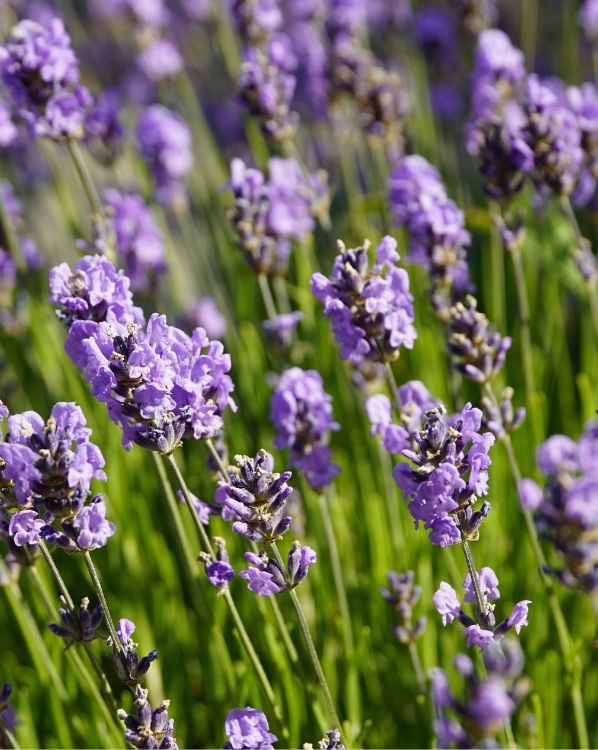
Lavender is one of the most beloved herbs in gardens, admired for its fragrant blooms and soothing scent. While many gardeners assume it should be cut back in fall along with other perennials, lavender should never be trimmed at this time of year.
Cutting it back before winter weakens the plant, leaving it vulnerable to cold damage and even death in harsh conditions.
Lavender relies on its woody stems and foliage to protect its crown from freezing temperatures. Removing this natural insulation in fall exposes the plant to unnecessary stress just when it needs strength the most.
The growth cycle of lavender is another reason to avoid fall pruning. By autumn, the plant is preparing to enter dormancy, slowing its growth and conserving energy for the months ahead. If you cut it back at this stage, lavender may respond with new tender growth, which is highly susceptible to frost damage.
These young shoots do not have enough time to harden before winter, and once killed by cold weather, they can leave the plant scarred or stunted. Instead, lavender should be left untouched until spring, when new growth begins naturally.
Lavender also adds beauty to the fall and winter garden when left untrimmed. Its silvery foliage provides texture and color, while the dried flower stalks lend structure to the landscape.
These features remain attractive even after the vibrant purple blooms have faded. In snowy regions, lavender covered with frost or ice adds a touch of charm, making the garden feel alive even in the quiet season.
The correct time to prune lavender is in spring or early summer, once the danger of frost has passed. At that time, the plant will be ready to push out new growth, and trimming helps shape it, encourage fuller foliage, and produce more blooms. By waiting until spring, you avoid winter injury and set the plant up for a season of vigor and fragrance.
Leaving lavender uncut in fall is one of the best ways to protect its long-term health. It ensures that the plant survives the winter and greets you with lush growth and fragrant blossoms when warmer days arrive.
Coneflowers
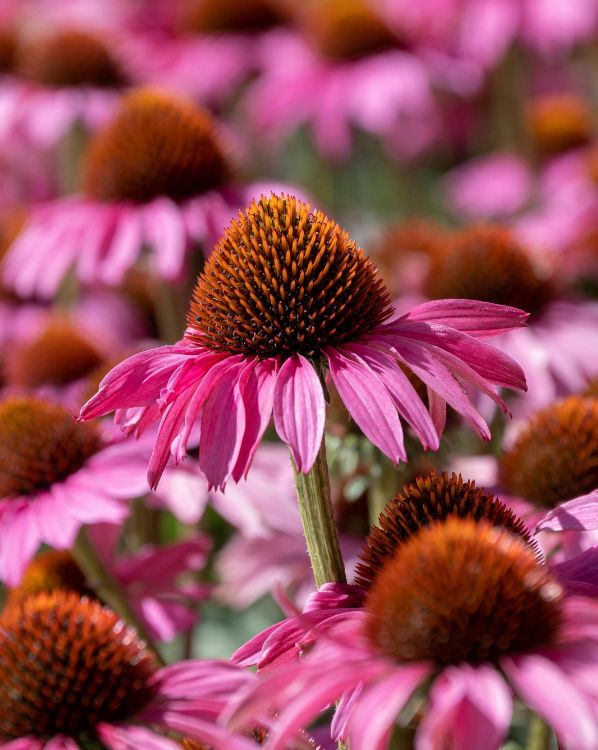
Coneflowers, also known as echinacea, are hardy perennials that provide bold, daisy-like blooms throughout summer and into early fall. Once the flowers fade, many gardeners are tempted to cut them down, but coneflowers should never be trimmed back in autumn.
Their tall seed heads serve an important role in the ecosystem, offering food for birds such as finches and sparrows during the colder months. Cutting them down in fall removes this valuable food source at a time when wildlife relies on it most.
Beyond feeding birds, the seed heads add beauty and interest to the winter garden. The spiky brown cones stand tall above the snow, catching frost and ice to create striking silhouettes.
This structural interest keeps the garden from looking bare and adds a natural charm to winter landscapes. By leaving coneflowers uncut, you allow them to enhance the seasonal beauty of your yard long after their petals have fallen.
Coneflowers also benefit from the added protection their stems and foliage provide. The remaining stalks help shield the crown of the plant from extreme cold and fluctuations in temperature.
This extra insulation reduces the risk of frost heave, a condition where repeated freezing and thawing pushes roots out of the soil. By allowing coneflowers to remain standing through winter, you give them an added layer of defense against harsh conditions.
Cutting coneflowers back too early can also reduce their natural reseeding process. These plants are excellent self-seeders, dropping seeds that sprout into new plants the following year.
By leaving the seed heads in place over winter, you increase the chances of spreading more coneflowers throughout your garden. This leads to a fuller, more colorful display with little extra effort on your part.
The best time to cut coneflowers back is in spring, once the cold has passed and new growth begins to appear at the base of the plant. At that point, you can safely remove the old stems to make room for fresh shoots. Until then, the stalks should be left intact to benefit both wildlife and the plant itself.
By resisting the urge to cut coneflowers back in fall, you support local ecosystems, add winter beauty to your garden, and ensure healthier plants for the next growing season.
Russian Sage
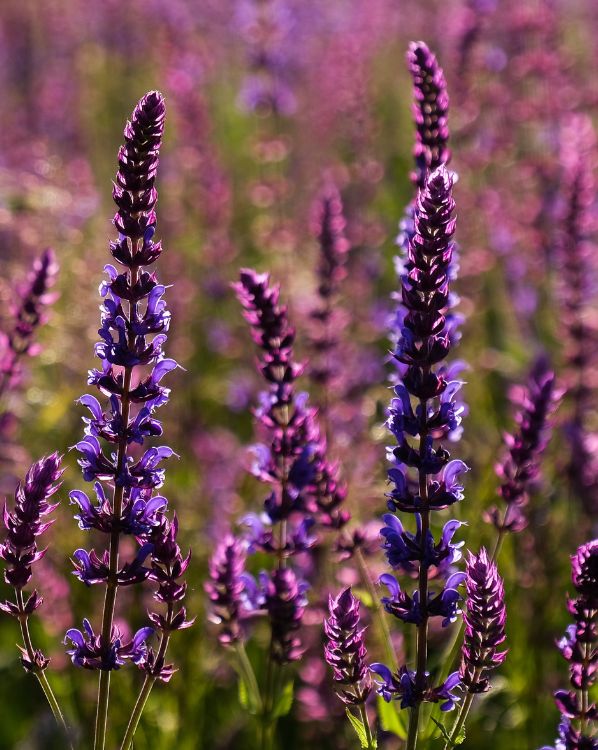
Russian sage is a stunning perennial known for its tall, airy spires of lavender-blue flowers and silvery foliage that brighten the garden from midsummer into fall. When autumn arrives and the blooms begin to fade, many gardeners may feel tempted to cut it back.
However, besides minor pruning, Russian sage should never be trimmed in fall. Its woody stems provide important protection for the crown of the plant during the cold months.
Cutting it down too early removes this natural barrier, leaving the roots exposed to frost damage and making the plant more vulnerable to winter stress.
Another reason to leave Russian sage standing is its ability to add beauty to the winter garden. Even when the flowers have faded, the silvery foliage and strong upright stems create striking structure in the landscape.
In snowy regions, frost and ice catch on the branches, forming a delicate, sparkling display that adds interest long after most other plants have gone dormant. By leaving Russian sage untouched, you enhance the year-round appeal of your garden.
Russian sage also continues to play a role in supporting wildlife even after its flowers are gone. The dried stems can provide shelter for beneficial insects, and the seed heads may offer food for birds during leaner months. Removing the plant too early disrupts this natural cycle and eliminates the ecological benefits it offers.
The best time to cut back Russian sage is in early spring. Once new growth begins to emerge at the base, you can safely trim the old stems down to a few inches above the soil. This timing ensures the plant is fully protected through winter and ready to push out strong, healthy shoots when the weather warms.
By leaving Russian sage uncut in fall, you not only protect it from damage but also add charm and structure to your winter garden. This patience pays off when spring arrives and the plant returns with lush growth and waves of lavender-colored flowers.
Ornamental Grasses
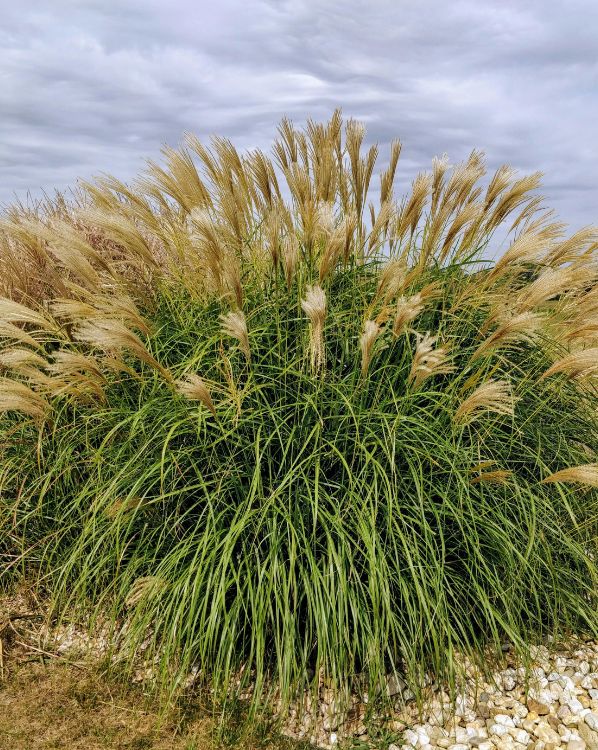
Ornamental grasses bring movement, texture, and elegance to gardens, especially in late summer and fall when their plumes reach their peak. While it may seem practical to cut them back once their flowers fade, ornamental grasses should never be trimmed in autumn.
Their tall stalks and feathery plumes play a crucial role in protecting the plant’s crown during winter. Cutting them too early removes this shield, leaving the roots exposed to cold, wind, and frost, which can weaken or even kill the plant in harsher climates.
One of the greatest reasons to leave ornamental grasses standing is the visual appeal they bring to the winter landscape. Their tall stems catch frost, ice, and snow, creating shimmering displays that add texture and beauty when most of the garden lies dormant.
The gentle sway of dried grasses in the winter wind adds movement, bringing life to an otherwise still environment. Cutting them down in fall robs the garden of this striking seasonal effect.
Ornamental grasses also provide habitat for wildlife. Birds often perch on the stalks or feed on the seeds, while beneficial insects use the dense foliage as shelter during colder months.
Allowing grasses to remain uncut supports the natural ecosystem, giving creatures food and refuge through the harsh season. This makes them not just decorative, but also functional parts of a healthy garden.
The correct time to cut back ornamental grasses is in late winter or early spring, just before new growth begins. At that point, trimming the old stalks down to a few inches above the soil makes room for fresh shoots to emerge.
Waiting until spring ensures that the plant has remained insulated and protected throughout the coldest months.
Leaving ornamental grasses uncut in fall is one of the easiest and most rewarding choices you can make for your garden. It provides winter beauty, supports wildlife, and protects the health of the plants themselves, ensuring a lush and graceful display when the growing season begins again.
Butterfly Bush
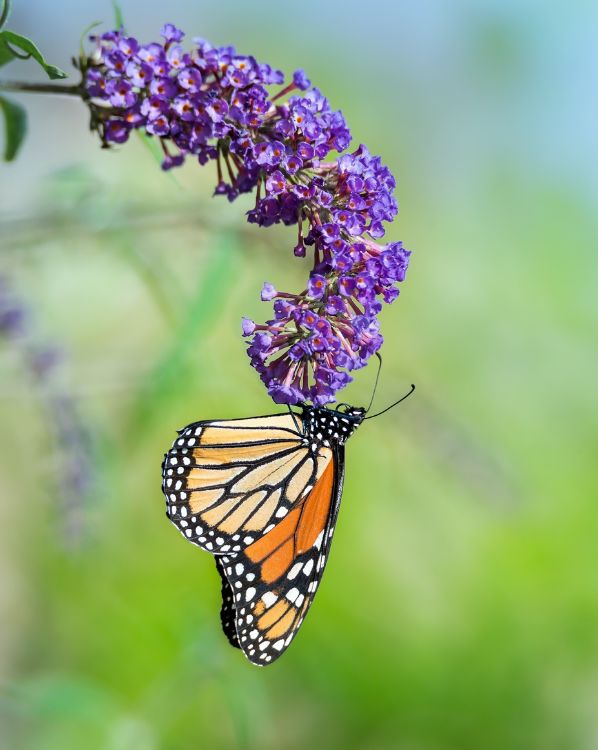
Butterfly bush is a garden favorite, admired for its long clusters of flowers that attract pollinators such as butterflies, bees, and hummingbirds throughout the summer. By the time fall arrives, many gardeners assume it should be trimmed back along with other flowering shrubs.
However, cutting back butterfly bush in autumn is one of the worst mistakes you can make. This plant depends on its stems for winter protection, and removing them too soon leaves the crown vulnerable to freezing temperatures and harsh weather.
Unlike some perennials that naturally die back to the ground each year, butterfly bush maintains woody stems that help insulate the base of the plant. These stems function as a protective shield, guarding the root system against frost and snow.
If you cut the plant back in fall, you strip away this natural barrier and increase the chances of winter damage. In colder climates, premature pruning can even kill the plant entirely, leaving you with nothing to revive in spring.
Another reason not to cut butterfly bush in fall is the risk of encouraging new growth at the wrong time. When pruned too early, the plant may respond by sending out tender shoots that cannot survive winter’s chill.
These shoots die back quickly, leaving the plant stressed and weakened. By avoiding fall pruning, you allow the bush to rest naturally and conserve its energy for the coming season.
Butterfly bush also continues to add value to the garden in the colder months. Its seed heads, while no longer colorful, create structure and visual interest against the backdrop of snow or frost.
They also provide food for birds, which are especially grateful for the seeds during winter when resources are scarce. By leaving the plant intact, you support wildlife and maintain texture in your winter garden.
The correct time to cut butterfly bush is in early spring once the danger of frost has passed and you begin to see signs of new growth. At that point, you can safely trim the stems down to encourage fresh, vigorous shoots. This timing ensures that the plant has survived winter intact and is ready to burst into bloom again.
Leaving butterfly bush uncut in fall is a decision that protects its health, preserves its beauty, and supports the garden’s ecosystem. It is a small act of patience that pays off with a stronger, more vibrant plant in the growing season ahead.
Final Thoughts
Fall is a season when many gardeners reach for their pruning shears, but not every plant benefits from being trimmed before winter.
Lavender, coneflowers, Russian sage, ornamental grasses, and butterfly bush all rely on their stems, foliage, or seed heads to provide protection and support during the cold months. Cutting them back too early risks damaging the plants and disrupting the natural cycles of wildlife that depend on them.
By leaving these plants untouched, you not only safeguard their health but also enhance the beauty and function of your winter garden. Their dried stalks and seed heads add structure and interest, while also feeding birds and sheltering beneficial insects.
Patience is the key. By resisting the urge to tidy every corner in fall, you set the stage for stronger, more resilient plants and a garden that thrives with renewed energy when spring arrives.