
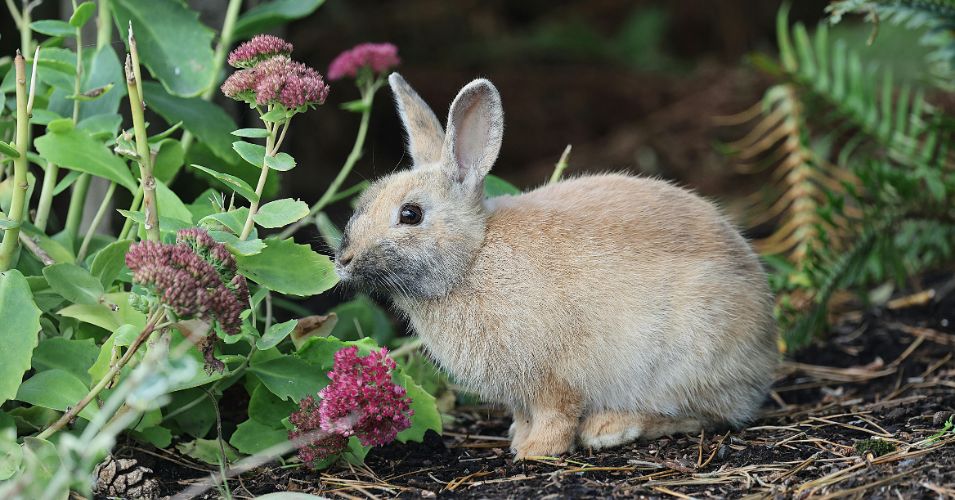
Rabbits look sweet and harmless as they hop across a lawn. But once they discover your garden, they can turn tender leaves and fresh blooms into a midnight buffet.
Many gardeners are surprised to learn that some of their favorite plants are actually magnets for hungry rabbits.
If you are wondering why your flowers keep disappearing or why your vegetable patch looks nibbled overnight, the answer might be hiding in plain sight.
Certain common garden plants practically invite rabbits to stay for dinner. Here are five groups of plants that often attract them without you realizing it.
Tender Leafy Vegetables That Rabbits Love
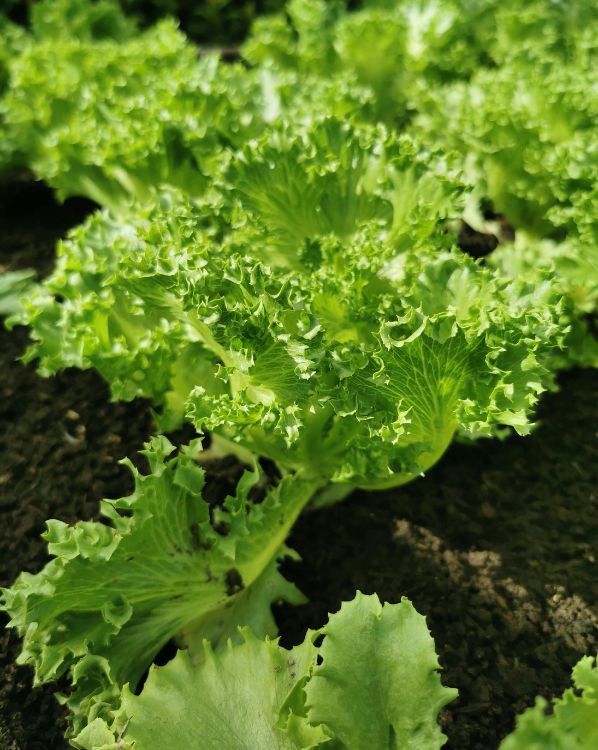
If you grow your own vegetables, you may already know how tempting they can be. Fresh, soft leaves are exactly what rabbits search for when they wander through a yard. Your carefully planted garden bed can look like an all-you-can-eat buffet to them.
Rabbits prefer plants that are tender and full of moisture. Leafy greens are at the top of their menu. Varieties of lettuce, such as Romaine and Iceberg, are especially appealing because their leaves are delicate and easy to chew. Spinach and Kale may be healthy for you, but they are just as nutritious for a hungry rabbit.
Young plants are even more at risk. When vegetables are still seedlings, their stems are soft and fragile. A single rabbit can wipe out an entire row overnight. You might wake up to find nothing but tiny stubs where your plants once stood.
Carrots are another common surprise. While rabbits in cartoons are famous for eating the orange root, real rabbits are often more interested in the leafy tops of Carrot plants. The greens are easy to reach and packed with flavor.
Beans and peas can also attract unwanted visitors. Green bean plants and Pea vines produce soft leaves and shoots that rabbits find irresistible. They may nibble on stems, leaves, and even young pods before you ever get a chance to harvest them.
What makes these vegetables so attractive is their texture and taste. They are mild, juicy, and simple to digest. In the wild, rabbits survive by eating grasses and tender shoots. Your vegetable patch offers the same foods in one neat, easy location.
If you notice clean, angled cuts on leaves and stems, rabbits may be the reason. They tend to feed close to the ground, leaving a trimmed look. Recognizing which vegetables attract them is the first step in protecting your garden.
Bright Blooming Flowers That Act Like a Dinner Bell
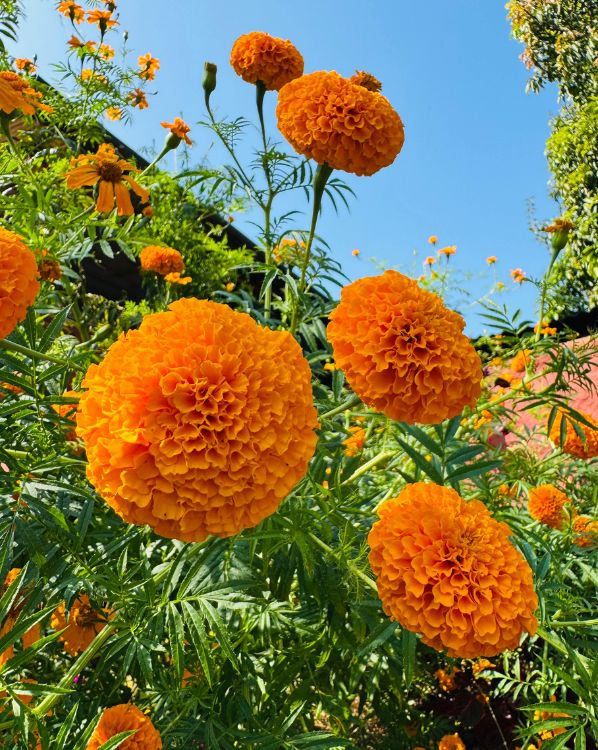
Flowers are meant to bring color and beauty to your yard. Unfortunately, some of the most cheerful blooms also double as rabbit snacks. Their bright petals and soft foliage can quietly invite trouble.
Rabbits are not picky when it comes to ornamental plants. They often go after flowers with tender stems and smooth leaves. Petunia is a popular choice for hanging baskets and borders, but its soft growth makes it easy for rabbits to nibble. Pansy is another favorite, especially in cooler seasons when other food sources are limited.
Spring gardens are particularly vulnerable. Tulip shoots push up from the soil with juicy leaves that rabbits find delicious. Daffodils are sometimes left alone because of their taste, but curious animals can still sample young growth.
Summer brings its own risks. Impatiens thrive in shady spots, which also happen to be safe hiding places for rabbits. Marigolds are often thought to repel pests, yet young marigold plants can still be chewed before their scent becomes strong.
Rabbits are drawn to flowers for the same reasons they love vegetables. Soft textures and high water content make them easy to eat. Bright colors do not attract rabbits the way they attract pollinators, but healthy, well-watered plants produce tender growth that rabbits find hard to resist.
Damage to flowers can be heartbreaking. You may plant a fresh row of blooms, only to see them clipped down to the soil line. Rabbits typically feed at dawn and dusk, so you might never catch them in the act.
When you know which flowers tend to attract rabbits, you can plan your garden more carefully. Choosing tougher varieties or protecting vulnerable plants early can save you from disappointment later in the season.
Sweet Herbs and Soft Perennials That Draw Them In
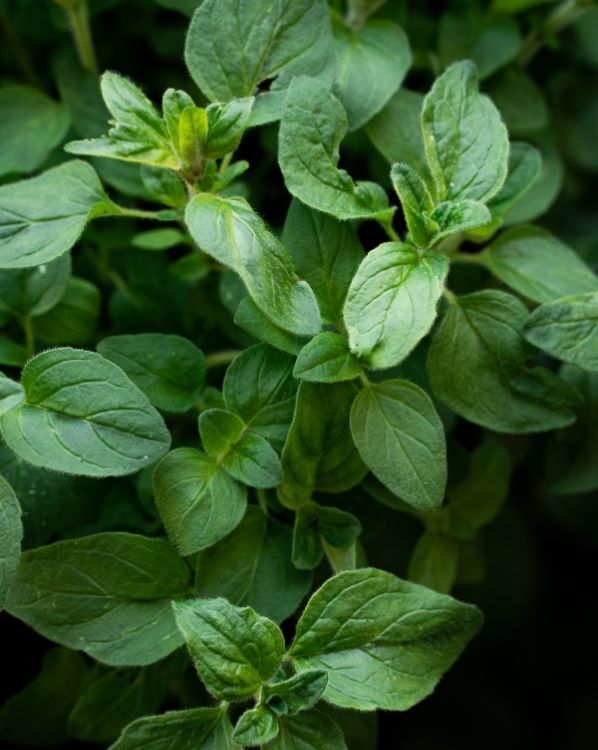
Herbs are often planted for their fragrance, flavor, and usefulness in the kitchen. Many gardeners assume their strong scents will keep animals away, but that is not always true. Some herbs and soft perennials can quietly attract rabbits rather than repel them.
Rabbits usually avoid very sharp or bitter plants. However, they are happy to nibble on mild, tender growth that is easy to chew. Parsley is one example. Its soft leaves and gentle flavor make it appealing, especially when the plant is young and full of moisture. Cilantro can also be at risk, particularly in early spring when fresh greens are limited.
Even herbs that people think are strong can be sampled. Basil produces lush leaves that rabbits may nibble if other food is scarce. While Mint has a noticeable scent, young shoots can still be chewed before the flavor becomes overpowering.
Soft perennials are just as tempting. Hosta is famous for its broad, tender leaves. In many neighborhoods, hostas are almost guaranteed to attract rabbits. Coneflower and Black-eyed Susan may also be sampled, especially when their foliage is young and flexible.
What draws rabbits in is not just taste. Texture plays a huge role. Plants with smooth leaves and juicy stems are easier to bite through than tough, woody growth. Well-watered garden beds make these plants even more attractive.
If you notice uneven bites on leaves or missing tips on new shoots, herbs and perennials could be the hidden invitation. Being aware of which plants are most vulnerable allows you to protect them before serious damage occurs.
Young Shrubs and Tree Saplings at Risk
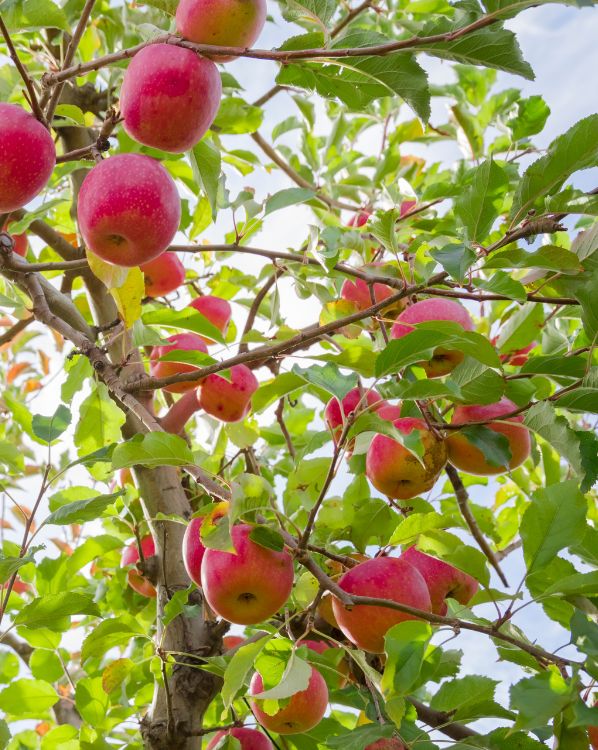
When people think about rabbit damage, they often picture chewed vegetables or flowers. Few expect rabbits to target shrubs and young trees. Yet tender bark and fresh shoots can be just as appealing.
Young plants are especially vulnerable because their outer layers are thin and easy to gnaw. Rose bushes with soft new canes may be clipped back overnight. Hydrangea shrubs can lose fresh growth before blooms even have a chance to form.
Tree saplings face an even greater risk. Apple tree and Maple tree saplings have smooth bark that rabbits can chew during colder months when other food is limited. This damage is not just cosmetic. Gnawing around the base of a tree can interrupt the flow of nutrients and seriously weaken or even kill the plant.
Winter can be a dangerous season. Snow cover may hide low branches and make bark more accessible. Rabbits will stand on packed snow to reach higher portions of shrubs and trees.
Fresh mulch and protected garden corners also create safe hiding spots. If shrubs are planted near fences, sheds, or thick hedges, rabbits may feel secure enough to feed regularly.
The signs are usually clear. You may see bark stripped in narrow bands or small, clean bites taken from stems. Because rabbits chew close to the ground, damage often appears at the base of the plant.
Recognizing that young shrubs and saplings are at risk can help you take early action. Protective barriers and careful placement can make a big difference in keeping these long-term investments safe.
Garden Conditions and Plant Combinations That Encourage Rabbits
Sometimes it is not just a single plant that attracts rabbits. It is the overall setup of your garden that makes them feel welcome. Rabbits look for two basic things: food and safety. If your yard provides both, they are far more likely to stay.
Thick ground cover is one major factor. Low shrubs, tall ornamental grasses, and densely planted beds create hiding places where rabbits feel protected from predators. When plants such as Hosta are grouped closely together, they form shady pockets that are perfect for resting during the day.
Edges also matter. Gardens placed along fences, sheds, or hedgerows give rabbits quick escape routes. A vegetable patch tucked beside a wooden fence may seem convenient to you, but to a rabbit it offers shelter and easy access to food. If tender crops like Lettuce or Spinach are planted near protective cover, the invitation becomes even stronger.
Water sources can increase the appeal. Regular watering keeps plants lush and juicy, which rabbits prefer. Birdbaths, dripping hoses, and shaded, moist soil create a comfortable environment for them to linger.
Plant combinations also play a role. When mild vegetables, soft flowers, and young shrubs are planted together, rabbits can move from one favorite snack to another without leaving the area. A row of Petunia near a patch of carrots and a cluster of shrubs makes feeding easy and efficient.
Even lawn care habits can contribute. Short grass allows rabbits to see danger coming, while nearby dense beds give them cover. This balance of open space and shelter is exactly what they seek in the wild.
By understanding how layout and plant choices work together, you can spot the hidden signals that attract rabbits. Small changes in spacing, location, and plant selection can make your garden far less inviting.
Final Thoughts
Rabbits may look charming, but their appetite can quickly turn a thriving garden into a patch of stubs and chewed stems.
Many of the plants people love most, from leafy vegetables to colorful flowers and tender shrubs, are exactly what rabbits hope to find.
By recognizing which plants and conditions attract them, you can make smarter choices and protect the hard work you have invested in your garden.