
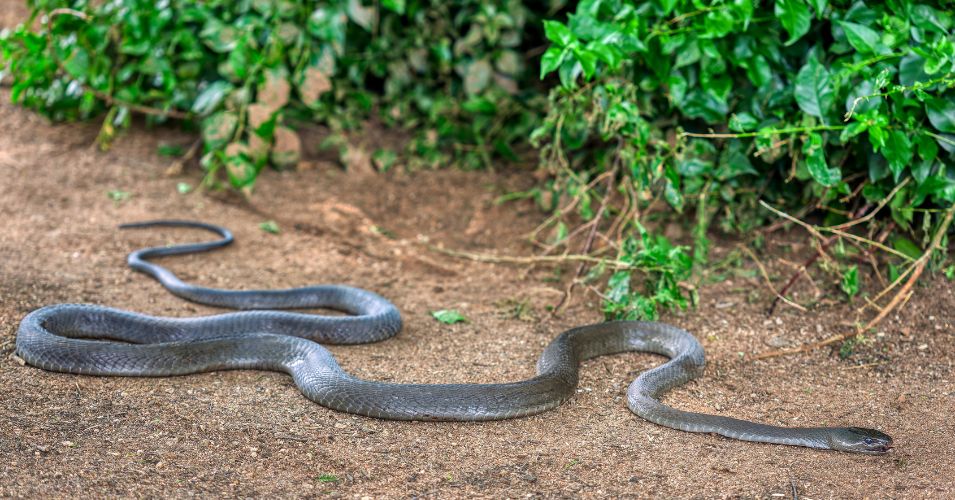
Snakes are one of the most unsettling yard visitors for many homeowners, even when they are not dangerous.
They hide quietly, move without warning, and often appear in places where people least expect them.
For those with children, pets, or frequent outdoor activity, the presence of snakes can quickly turn a peaceful yard into a source of stress.
The good news is that snakes rely heavily on their sense of smell and chemical signals from their environment. By using specific scents snakes dislike, you can make your yard feel uncomfortable and unwelcoming, encouraging snakes to stay away without harming them.
Why Snakes Depend on Scent and Vibration to Judge Safety
Snakes experience the world very differently from mammals. They do not rely on hearing or sharp eyesight to stay safe. Instead, they depend on scent and vibration to understand what is happening around them.
Snakes use a specialized organ called the Jacobson’s organ to read chemical signals in the air and on the ground. By flicking their tongues, they collect scent particles and deliver them directly to this organ for analysis.
This ability allows snakes to detect prey, predators, and unfamiliar animals without ever seeing them. It also helps them decide whether an area feels safe enough to enter or remain in.
Vibration is just as important. Snakes feel movement through the ground rather than hearing sound waves. Heavy footsteps, repeated activity, or unfamiliar disturbances can signal danger long before a snake is visible.
Because snakes are vulnerable to predators, they are naturally cautious. They prefer quiet, predictable environments where scent and vibration remain consistent. Sudden changes make them uneasy.
When a snake encounters strong or irritating smells, its senses become overwhelmed. This confusion makes it difficult for the snake to accurately read its surroundings.
If a snake cannot clearly identify safety, it usually chooses avoidance. Leaving an area is safer than staying and risking exposure to a threat that it cannot fully assess.
This behavior explains why scent-based deterrents work so well for snakes. You are not scaring them or forcing them away suddenly. You are disrupting their sense of security.
Unlike animals that rely on sight, snakes seldom investigate discomfort out of curiosity. Unfamiliar chemical signals often stop them before they move forward.
By understanding how snakes interpret scent and vibration together, homeowners can change how a yard feels at a sensory level. When the ground smells wrong and feels unpredictable, snakes choose to stay away.
Ground Level Smells That Snakes Avoid Instinctively
Snakes stay close to the ground, which makes surface-level smells especially important. Certain odors irritate their sensory system and signal that an area may be unsafe.
Sulfur-based smells are among the strongest deterrents. Snakes associate sulfur with decay and danger, which makes treated areas undesirable.
Vinegar is another smell that snakes dislike. Its sharp, acidic scent overwhelms their chemical receptors and disrupts scent-tracking.
Ammonia also works as a deterrent. Its harsh smell signals the presence of mammals and potential predators, causing snakes to retreat.
Lime produces a strong mineral odor when applied to soil. This alters the ground’s natural scent profile, making movement uncomfortable for snakes.
Cedar oil is especially effective at ground level. Its pungent aroma irritates snakes and masks other scents they rely on to navigate.
Garlic-based smells can also help. The strong sulfur compounds interfere with a snake’s ability to process chemical cues properly.
Used coffee grounds create a bitter, unfamiliar scent along the soil surface. This can discourage snakes from crossing treated areas.
These smells work best when applied in concentrated zones. Entry points, fence lines, wood piles, and shaded edges should be prioritized.
Reapplication is necessary. Rain and irrigation quickly weaken surface scents, especially in warm weather.
When ground-level odors consistently feel wrong, snakes stop using those paths. Over time, the yard no longer fits their safety requirements.
By targeting the ground where snakes move and rest, scent deterrents quietly reshape their behavior. The result is a yard that snakes choose to avoid without force or harm.
Plants and Natural Aromas That Discourage Snakes
Certain plants release natural oils and aromas that snakes find unpleasant. These smells interfere with how snakes interpret chemical signals in their environment, making the area feel unsafe or confusing.
Snake-repelling plants do not work by poisoning or harming snakes. Instead, they create scent zones that snakes prefer to avoid when choosing paths, shelter, or resting spots.
Lemongrass is one of the most effective plants for this purpose. Its strong citrus scent overwhelms a snake’s sensory system and masks other environmental cues they rely on.
Citronella works similarly. Often associated with insect control, citronella also produces an aroma that snakes find irritating and disorienting at ground level.
Marigolds add another layer of protection. Their musky scent wafts close to the soil, exactly where snakes move. This makes garden edges and walkways less appealing.
Garlic plants release sulfur compounds into the soil and air. These compounds disrupt chemical sensing and create discomfort for snakes that pass through treated areas.
Onion plants also help for the same reason. Their strong underground scent alters soil chemistry in a way snakes dislike.
Wormwood emits a bitter aroma that snakes instinctively avoid. When planted near foundations or sheds, it can discourage hiding behavior.
Plants work best when grouped. Isolated plants produce weak scent zones, while dense plantings create barriers snakes prefer not to cross.
Crushed leaves or plant-based oils can strengthen the effect. This increases scent intensity without requiring significant landscaping changes.
Plant-based deterrents are not instant solutions. Over time, consistent exposure teaches snakes that the area does not meet their safety needs.
When used strategically, natural plant aromas help guide snakes away from living spaces and toward quieter, undisturbed areas.
Predator and Chemical Scents Snakes Interpret as Danger
Snakes rely heavily on chemical signals to detect predators. Certain scents trigger an immediate avoidance response because they signal risk or active danger.
Predator odors are among the strongest deterrents for snakes. These smells suggest the presence of animals that hunt or kill snakes.
Fox urine is one such scent. Foxes prey on snakes, and their scent marks territory that snakes prefer to avoid.
Coyote urine also works well. Coyotes dominate many habitats and pose a serious threat to snakes of all sizes.
Cat scent can discourage snakes, especially in residential areas. Even the smell of domestic cats suggests danger and unpredictability.
Bird-of-prey scents, when available, can also influence snake behavior. Hawks and owls are major snake predators, and their presence changes how snakes move through an area.
Ammonia creates a strong chemical smell that snakes associate with mammals and disturbance. This makes treated areas feel unsafe.
Naphthalene-based products are often mentioned, but they should be avoided due to toxicity risks. Safer chemical alternatives exist.
Sulfur products are effective when used correctly. The smell mimics decay and environmental danger, which snakes instinctively avoid.
Chemical deterrents work best when placed along boundaries rather than spread randomly. This creates clear danger zones that snakes will not cross.
Reapplication is essential. Predator and chemical scents fade over time and lose effectiveness if not maintained.
When snakes repeatedly encounter danger signals, they alter their travel routes. Over time, they stop passing through the area entirely.
By using scents that snakes interpret as threats, homeowners can quietly push snakes away without confrontation or harm.
Using Scent Deterrents to Keep Snakes Out Long Term
Keeping snakes out of your yard long-term requires a steady, thoughtful approach. Snakes are not stubborn animals, but they are highly sensitive to their environment. When conditions feel wrong, they choose other areas.
The first step is to remove the factors that attract snakes in the first place. Tall grass, wood piles, dense shrubs, and rodent activity create shelter and food opportunities. Reducing these makes scent deterrents far more effective.
Next, identify the areas snakes are most likely to travel. Fence lines, shaded edges, foundations, rock borders, and garden beds are common routes. These locations should be the focus of scent placement.
Apply deterrent smells at ground level. Snakes move with their bodies in contact with the surface, so elevated placement has little effect. Ground contact ensures the scent is detected immediately.
Use a combination of deterrents rather than a single smell. Rotating sulfur-based products, cedar oil, vinegar, and plant-based oils prevents snakes from adapting to one scent profile.
Reapply scents regularly. Rain, irrigation, and sun break down odors faster than many people expect. Consistent reapplication maintains the sensory barrier.
Avoid spreading scent evenly across the entire yard. Concentrated scent zones along boundaries and entry points feel more realistic and effective to snakes.
Patience is important. Snakes may pass through an area once or twice before changing routes. Each encounter with an unpleasant scent reinforces avoidance.
Long-term success comes from repetition. When snakes repeatedly find the same paths uncomfortable, they stop using them.
Over time, the yard no longer fits a snake’s safety needs. Without shelter, prey, or comfortable travel routes, snakes quietly move elsewhere.
Scent deterrents, combined with good yard maintenance, provide lasting protection without harm or confrontation.
Final Thoughts
Snakes can be unsettling to visitors, but they are guided by instinct rather than aggression. Their strong reliance on scent and vibration gives homeowners an effective way to naturally discourage them.
Using smells snakes dislike allows you to reshape how your yard feels at a sensory level. Over time, consistent deterrents break travel patterns and reduce visits.
Success comes from patience and maintenance. When the ground smells unfamiliar and unsafe, snakes choose easier environments elsewhere.
With the right approach, your yard can remain comfortable, safe, and free of unwanted snake activity long term.