
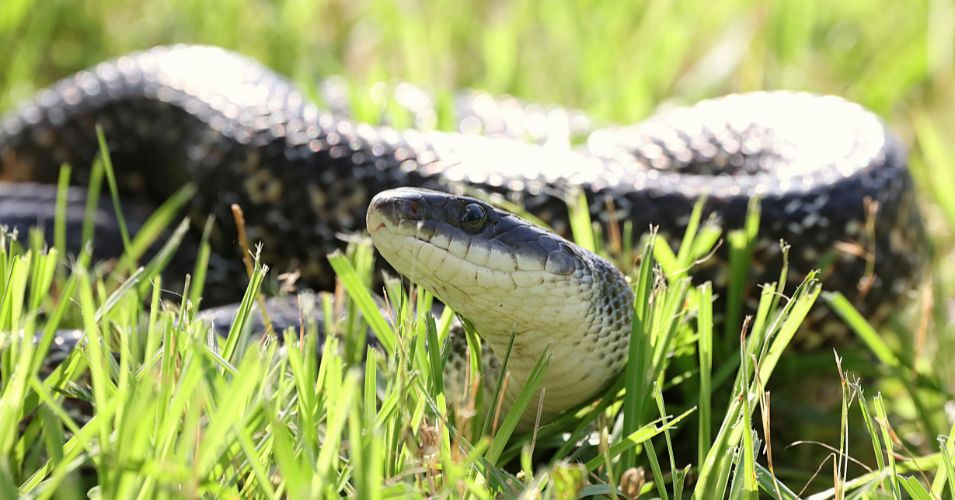
Seeing a snake in your yard can trigger fear, confusion, or panic.
For many people, the first instinct is to react quickly without thinking things through. That reaction can make the situation more dangerous than it needs to be.
Most snakes are not aggressive and do not want to come into contact with humans. Knowing what to do and what not to do can make a huge difference.
A calm and informed response protects you, your family, and the snake. These simple do’s and don’ts will help you handle the situation safely and responsibly.
Stay Calm and Give the Snake Space
The most important thing you can do when you see a snake in your yard is to stay calm. Panic leads to rushed decisions, and rushed decisions increase the chance of injury.
Snakes do not chase people. They react defensively when they feel threatened or cornered. When you freeze, step back slowly, and give the snake space, you immediately lower the risk.
A calm response also helps you think clearly. You can assess where the snake is, what direction it is moving, and whether it poses any immediate danger. This information is valuable for deciding what to do next.
Giving space means more than just stepping away. It means creating a wide buffer zone where the snake does not feel trapped. Most snakes will move on their own if they think they have an escape route.
Children and pets should be moved indoors right away. Calmly call them back rather than shouting, which can add chaos to the situation. Quiet movement keeps everyone safer.
If the snake is near a walkway or door, choose another route for the time being. Waiting is often the safest option. Snakes usually leave once they feel undisturbed.
Trying to scare the snake away can backfire. Sudden movements, loud noises, or thrown objects may cause the snake to coil defensively or strike.
Giving the snake space also protects the animal. Many snakes are beneficial and help control rodents and pests. Allowing it to leave naturally avoids unnecessary harm.
Your body language matters. Slow steps, relaxed posture, and steady breathing reduce tension in the environment. Snakes are sensitive to vibrations and movement.
Most encounters end quickly when people stay calm. Within minutes, the snake often slips away into nearby cover.
By resisting panic and respecting distance, you turn a scary moment into a manageable one. Calm behavior is your strongest safety tool.
Watch the Snake From a Safe Distance
Observing the snake from a safe distance helps you understand what is happening without putting yourself at risk. Distance gives you control and time.
A safe distance usually means several yards away, depending on visibility and terrain. If you are unsure, more distance is always better.
Watching the snake allows you to see whether it is moving through the yard or settling in one place. A moving snake is often passing through rather than staying.
Please pay attention to its behavior. A snake that is stretched out and moving steadily is usually calm. A tightly coiled snake that hisses or rattles feels threatened.
Do not approach to get a better look. Curiosity is natural, but stepping closer removes your safety margin. Use binoculars or observe from inside if possible.
Knowing where the snake is helps prevent accidental encounters. You can warn others to avoid the area until the snake leaves.
Watching also helps if you need professional assistance. Describing the size, color, and behavior can be useful when calling wildlife control.
Remain still while observing. Sudden movement can draw attention and cause the snake to react defensively.
If the snake enters thick brush or leaves your sight, do not go searching for it. Assume it is still nearby and give it time.
Observation should never turn into interaction. That means no poking, prodding, or attempts to guide the snake away.
Snakes are more active during warm parts of the day. Watching quietly allows natural behavior to continue without interference.
Most snakes leave on their own once they feel safe. Distance and patience make that outcome more likely.
By watching carefully from afar, you protect yourself while allowing the situation to resolve naturally and safely.
Make Your Yard Less Appealing to Snakes
Snakes usually enter yards for three reasons. Shelter, food, and water. Reducing these attractions makes your yard far less interesting to them.
Start by looking at hiding places. Tall grass, thick weeds, brush piles, wood stacks, and debris create perfect cover. Keeping grass trimmed and removing clutter eliminates places where snakes feel safe.
Rock piles and landscaping timbers can also attract snakes. These materials hold warmth and provide shelter. If you keep them, place them far from the house and off the ground when possible.
Food sources matter more than many people realize. Snakes follow prey. Rodents, frogs, and insects attract snakes. Securing trash, removing fallen birdseed, and managing rodent populations reduce the food sources that lead snakes to your yard.
Water is another strong attractant. Leaky hoses, standing water, and shallow garden ponds can bring snakes closer. Fixing leaks and draining unnecessary water sources helps limit visits.
Fencing can help when done correctly. Snake fencing should be low, buried slightly underground, and made of fine mesh. Gaps allow snakes to slip through easily.
Garden beds should be kept tidy. Dense ground cover and overgrown plants provide shade and hiding spots. Thinning plants allows sunlight to reach the soil, which snakes tend to avoid.
Firewood should be stacked neatly and raised off the ground. This reduces the availability of shelter for snakes and the animals they hunt.
Consistency matters. A one-time cleanup helps, but ongoing maintenance keeps the environment less welcoming.
Snakes are not looking for confrontation. They are looking for comfort and opportunity. Removing those elements encourages them to move on naturally.
A well-maintained yard sends a clear message. This is not an ideal place to stay.
Never Try to Kill or Handle the Snake
Trying to kill or handle a snake is one of the most dangerous mistakes people make. It greatly increases the risk of a bite.
Most snake bites happen when someone attempts to touch, capture, or kill the snake. Defensive strikes occur when snakes feel cornered or threatened.
Handling a snake without training is risky, even if you believe it is harmless. Many nonvenomous snakes look similar to venomous ones. Misidentification can have serious consequences.
Killing a snake is also unnecessary. Snakes play an important role in controlling pests, such as rodents. Removing them can disrupt the local ecosystem.
In many areas, killing native snakes is illegal. Laws exist to protect wildlife and promote safe coexistence.
Using tools or objects to strike a snake is not safer. This often results in missed strikes, broken tools, or a snake reacting defensively.
Even a dead snake can be dangerous. Reflexes can cause a bite hours after death. This is a serious risk that many people do not realize.
If you feel unsafe, the best option is to call wildlife control or a professional snake removal service. These experts have the tools and experience to handle the situation safely.
Handling also puts pets at risk. A frightened snake may strike unpredictably if disturbed. Patience is safer than force. Most snakes will leave on their own if given time and space.
Choosing not to engage protects everyone involved. You stay safe, and the snake avoids unnecessary harm. Respecting distance is not a weakness. It is smart, responsible behavior.
Avoid Common Panic Mistakes That Increase Risk
Fear is natural when you see a snake, but panic often creates more danger than the snake itself. Many injuries happen because people react without thinking.
One common mistake is running blindly. Sudden movement can lead to trips, falls, or to accidentally moving closer to the snake rather than farther away.
Another risky response is yelling or trying to scare the snake. Loud noise and aggressive movement can make the snake feel threatened and defensive.
Throwing objects is also dangerous. Missing the snake can cause it to move unpredictably or strike in self-defense.
Some people try to block the snake’s path. This removes its escape route and increases the chance of a defensive reaction.
Trying to identify the snake up close is another mistake. Getting closer to check colors or patterns puts you within striking range.
Using garden tools or sticks to poke the snake is extremely risky. This often triggers a defensive coil or strike.
Calling pets toward you rather than calmly guiding them away can also increase the risk. Excited animals may rush toward the snake before you can react.
Ignoring the situation and continuing yard work is unsafe. You may lose track of where the snake is and stumble upon it later.
Alcohol or bravado can make reactions worse. Overconfidence leads people to take risks they usually would not take.
The safest choice is slow movement, distance, and patience. These actions lower stress for both you and the snake.
Mistakes usually happen in the first few seconds. Pausing before acting can prevent serious injury.
Avoiding panic is not about bravery. It is about control. When you stay calm and avoid impulsive actions, the situation almost always resolves safely.
Final Thoughts
Seeing a snake in your yard can be frightening, but it does not have to be dangerous. Most snakes want nothing to do with people and will leave if given space.
Calm behavior, distance, and awareness are your best tools. Avoid panic, avoid handling, and avoid forcing the situation.
Making your yard less inviting reduces future encounters. When in doubt, professional help is always a safe option.
Respecting snakes and responding thoughtfully protects you, your family, and the local ecosystem.