
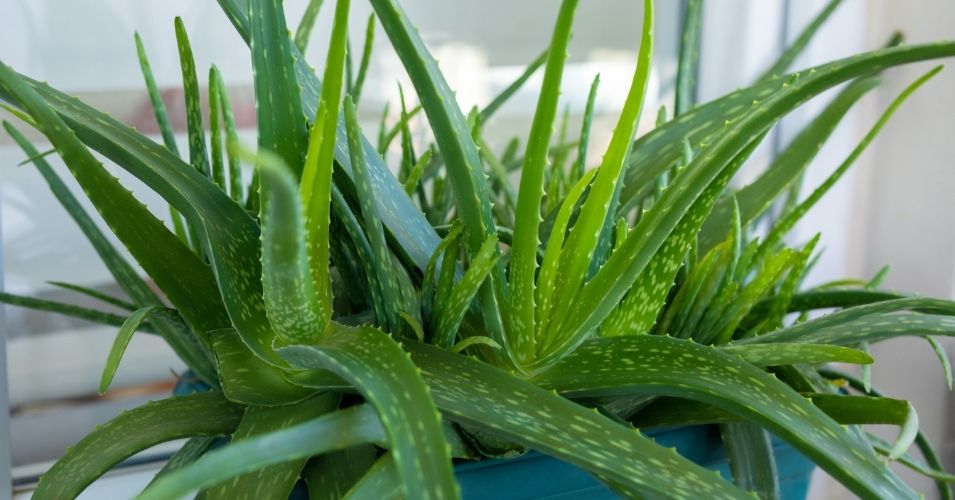
Aloe vera is one of the most trusted and rewarding plants you can grow at home. Known for its soothing gel and strong survival skills, it often seems nearly indestructible.
Yet, when spring arrives, this hardy plant still needs thoughtful care to reach its full potential.
As daylight increases and temperatures rise, aloe begins a new cycle of growth. This is the perfect time to refresh your routine, address minor issues, and support healthier leaves.
In this guide, you will learn simple and practical ways to care for aloe vera during spring.
Bring Your Aloe Back to Life After Winter Rest
As winter ends and days become brighter, aloe vera begins to shift out of its slow, resting phase. During colder months, growth often slows, and leaves may look dull or slightly thinner. Spring is the time to guide your plant back into active life gently.
Start by moving your aloe into brighter natural light if it has been sitting in a darker spot. A sunny window with filtered light works well. Avoid placing it in direct midday sun right away, since sudden exposure can cause leaf stress.
Take a close look at the leaves and base of the plant. Healthy aloe leaves feel firm and look plump. If you see soft spots, shriveled areas, or discoloration, trim damaged parts with clean scissors to prevent further problems.
Dust can build up on leaves during winter, especially indoors. Wipe each leaf gently with a damp cloth. This improves photosynthesis and helps the plant breathe more easily through tiny surface pores.
Spring is also a good time to rotate your pots every week or two. This keeps growth balanced and prevents the plant from leaning toward one light source. Even rotation supports strong root and leaf development.
Begin watering slowly and carefully. Aloe does not like sudden changes. Water only when the soil is completely dry, then soak thoroughly and let excess water drain away.
If your aloe is crowded with small baby plants, also called pups, wait until they are well-formed before separating them. Early spring is ideal for gentle propagation.
Avoid heavy feeding at this stage. Your plant is still adjusting. Focus first on light, warmth, and stable moisture.
With patience and gentle attention, your aloe will respond with brighter color, thicker leaves, and renewed energy. This early care builds the foundation for the entire growing season.
Choose the Best Pot and Soil for Spring Growth
The container and soil you choose for your aloe vera play a major role in its health. Spring is the best season to check whether your current setup still meets your plant’s needs. A good foundation prevents many future problems.
Begin by examining your pot. Aloe prefers containers with drainage holes at the bottom. Without proper drainage, water collects around roots, causing rot. Clay or terracotta pots are especially helpful because they allow moisture to escape.
If roots are growing out of drainage holes or circling tightly inside the pot, it is time to upgrade. Choose a container that is only one to two inches wider than the current one. Oversized pots hold too much water, slowing drying.
Next, focus on soil quality. Regular garden soil is too heavy for aloe. It traps moisture and blocks airflow. Instead, use a cactus or succulent mix designed for fast drainage. You can also create your own mix. Combine potting soil, coarse sand, and perlite in equal parts. This blend keeps roots dry and well oxygenated.
Before repotting, allow the plant to dry for a few days. Dry roots are less likely to break and recover faster. Gently remove old soil and inspect the roots for dark or mushy areas. Place a thin layer of fresh soil at the bottom of the new pot. Position the aloe upright and fill around it carefully. Do not bury the base too deeply, as this can cause rot.
After repotting, wait several days before watering. This gives small root injuries time to heal. Early watering can introduce bacteria into open tissue. Avoid adding decorative stones that block airflow at the soil surface. Breathable soil keeps roots healthy.
A well-chosen pot and proper soil give your aloe stability, drainage, and comfort. When roots are supported correctly, leaves grow thicker, greener, and more resilient throughout spring.
Smart Watering and Feeding for Thick Healthy Leaves
Water and nutrients are two of the most common sources of trouble for aloe vera owners. Many plants suffer not from neglect but from too much attention. Learning how to balance moisture and feeding helps your aloe grow strong without becoming stressed.
Aloe stores water inside its thick leaves. This natural storage system allows it to survive dry periods. Because of this, it prefers deep but infrequent watering rather than constant moisture.
Always check the soil before watering. Insert your finger at least two inches deep. If the soil feels dry, it is safe to water. If it feels damp, wait several more days.
When you water, do it thoroughly. Pour water slowly until it flows from the drainage holes. This ensures that all roots receive moisture. Empty the saucer afterward so the roots are not left sitting in water.
Spring usually increases evaporation and growth, so your plant may need slightly more water than in winter. However, the schedule still depends on light, temperature, and pot size. There is no fixed calendar rule.
Feeding should be light and gentle. Aloe does not require heavy fertilizer. Too many nutrients can cause weak growth and leaf damage. Use a diluted liquid fertilizer made for succulents or houseplants. Apply it once in early spring and again in late spring if growth looks strong. Always mix at half strength to avoid burning roots.
Organic options, such as compost tea, can also be helpful when used sparingly. These provide mild nutrition without chemical buildup.
Watch your plant’s response after feeding. Healthy leaves become firmer and more vibrant. If tips turn brown or growth becomes soft, reduce feeding.
Avoid fertilizing dry soil. Always water lightly first so nutrients spread evenly and do not concentrate around roots.
Balanced watering and careful feeding create the conditions for thick, glossy leaves. With consistency and observation, your aloe will reward you with steady and reliable growth.
Protecting Aloe From Sun Stress and Seasonal Pests
Spring sunlight can be both helpful and harmful to aloe vera. As days grow longer, light intensity increases quickly. Without gradual adjustment, leaves can become stressed and damaged.
Aloe thrives in bright, indirect light. Morning sun is usually safe, while harsh afternoon rays can scorch leaves. If you move your plant outdoors, introduce it slowly over several weeks.
Sun stress often appears as brown, reddish, or pale patches on leaves. These spots indicate burned tissue. Once damaged, the tissue does not recover, but new healthy growth can replace it.
To prevent burning, use sheer curtains indoors or place outdoor pots under partial shade. Rotating the plant also helps evenly distribute light.
Pests become more active as temperatures rise in spring. Common aloe pests include aphids, mealybugs, and spider mites. These insects feed on plant sap, weakening leaves.
Inspect your plant regularly, especially at the base of leaves and along stems. Early detection makes treatment easier and more effective.
Small infestations can often be removed with a cotton swab dipped in rubbing alcohol. This method kills pests without harming the plant when used carefully.
Gently rinsing leaves with water can also dislodge insects. Be sure to let the plant dry fully afterward to prevent moisture problems.
If pests persist, use an insecticidal soap designed for houseplants. Follow directions closely and test on one leaf first.
Keep good airflow around your aloe. Crowded spaces encourage pests and fungal growth. Adequate spacing reduces these risks.
Healthy plants resist stress better than weak ones. Proper light, water, and nutrition strengthen natural defenses.
By managing sunlight and watching for insects, you protect your aloe from seasonal threats. These simple habits keep leaves smooth, vibrant, and productive throughout spring.
Supporting Continued Growth Through the Spring Season
As spring progresses, aloe vera enters a steady phase of growth and renewal. After waking from winter rest and adjusting to new light and moisture levels, the plant begins focusing its energy on building stronger leaves and deeper roots. This stage is ideal for reinforcing healthy habits.
Continue observing how your aloe responds to its environment. Spring weather can shift quickly, especially indoors near windows. Warmer afternoons and cooler nights may affect moisture levels and light exposure. Small adjustments now prevent stress later.
Maintain a consistent watering routine. Check the soil regularly and water only when it has dried completely. Sudden changes in watering patterns can confuse the roots and slow development.
Light remains a key factor. Make sure your aloe receives several hours of bright, indirect sunlight each day. Rotate the pot every week or two so all sides receive equal exposure. Balanced lighting encourages upright, symmetrical growth.
Avoid unnecessary movement. Once you find a location where your aloe is thriving, try to keep it there. Frequent changes in placement can interrupt growth and cause leaf stretching.
Late spring is a good time to reassess spacing. If nearby plants are crowding your aloe, move them slightly. Proper airflow reduces moisture buildup and discourages pests.
Continue gentle leaf cleaning. Dust blocks sunlight and slows photosynthesis. Wipe leaves with a soft, damp cloth every few weeks to keep surfaces clear and healthy.
Monitor for slow-forming problems such as pale coloring, curling edges, or soft spots. These early warning signs often appear before serious damage occurs. Adjust water, light, or airflow as needed.
Resist the urge to overfeed during this stage. One light feeding earlier in spring is usually enough. Excess nutrients can lead to weak tissue and reduced resilience.
Encourage natural growth rather than forcing rapid development. Aloe thrives when allowed to grow at its own pace in stable conditions.
By maintaining consistency and paying attention to subtle changes, you help your plant develop strong structure and lasting vitality throughout the spring season.
Final Thoughts
Caring for aloe vera in spring is about building habits that support long-lasting health. Each step, from choosing the right soil to managing sunlight, plays an important role in your plant’s success.
With patience, observation, and steady routines, aloe becomes one of the most reliable houseplants you can grow. It rewards good care with strong leaves, soothing gel, and lasting beauty.
When you invest time in spring preparation, you create the foundation for healthy growth in every season that follows.