
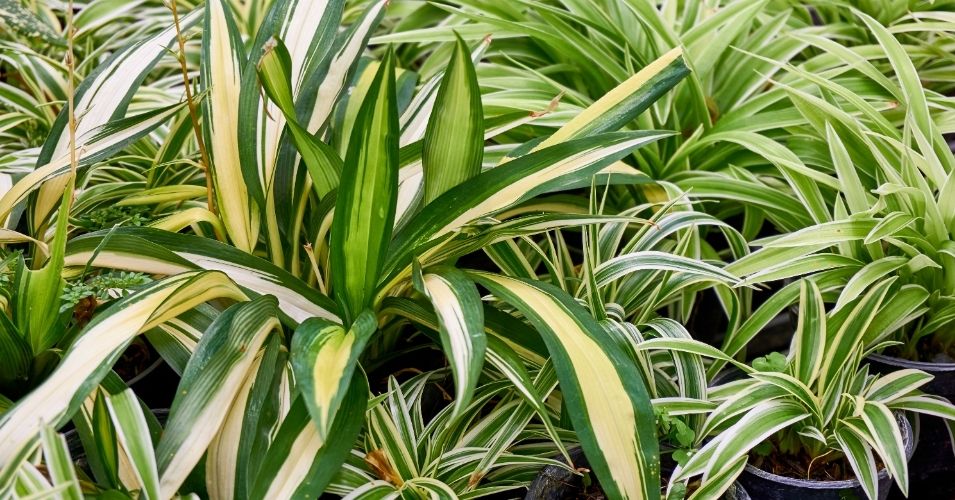
Spider plants are popular for their graceful arching leaves and ability to thrive with little fuss, but like all houseplants, their needs shift when fall arrives.
The days grow shorter, the light weakens, and temperatures cool, creating conditions that affect how these hardy plants grow and rest.
Caring for spider plants in fall is not complicated, but it requires attention to details that keep them steady through the seasonal transition.
With adjustments to water, light, soil, and protection, you can ensure your spider plant remains healthy and ready for vigorous growth in spring.
Prepare Spider Plants for Cooler Weather
Spider plants may be hardy, but they are sensitive to seasonal changes, especially as fall approaches. Preparing them for cooler weather is one of the most important steps to keep them healthy and vibrant throughout the colder months.
Since these plants thrive in moderate and steady conditions, a shift in temperature, light, or air quality can affect their growth if not managed properly.
The first adjustment to make is with temperature. Spider plants prefer a range between 60 and 75 degrees Fahrenheit. As fall settles in, indoor temperatures often fluctuate more because of open windows, changing weather, or heating systems being turned on.
Make sure to place your spider plant in a location that avoids these extremes. Avoid spots near drafty windows or heating vents, as sudden temperature changes can stress the plant and cause its leaf tips to brown.
Light is another consideration. In summer, spider plants benefit from longer daylight hours, but in fall, shorter days can reduce the energy they receive. To prepare for this, move your plant closer to a bright window where it can receive more indirect sunlight.
East or south facing windows often provide the best balance. If your home is especially dim in fall, a simple grow light can supplement natural light and prevent the plant from becoming pale or weak.
Another step in preparing spider plants for cooler weather is to adjust watering. Because growth slows down in fall, the plant uses less water. Overwatering is a common mistake during this time, leading to soggy soil and root rot.
Always check the top inch of soil and water only when it feels dry. Ensure the pot has proper drainage so excess water does not sit at the bottom.
Finally, fall preparation also includes checking the soil and giving it a top up of organic matter or light feeding early in the season. This ensures the plant has enough nutrients to store in its roots before winter.
By combining steady temperatures, proper light, careful watering, and nutrient support, you prepare your spider plant for cooler weather and give it the best chance to thrive when spring returns.
Manage Offshoots Before Winter Arrives
One of the most delightful features of spider plants is their ability to produce long arching stems with tiny plantlets or “babies.” While these offshoots are beautiful and often create a striking display, they require management in fall to prevent the mother plant from becoming overburdened.
As cooler weather approaches, the plant slows down, and its energy must be preserved for root strength rather than producing more offshoots.
The first decision is whether to keep the offshoots attached or to remove them. If left connected, they continue to draw resources from the main plant, which can weaken it during a season when energy reserves are most valuable.
For the health of the mother plant, many gardeners choose to trim off the smaller plantlets in fall. Doing this helps redirect strength into the root system, which is critical for surviving the colder months.
If you enjoy propagating new plants, fall is an excellent time to pot up the offshoots. Carefully snip the baby plants from their stem, ensuring each has small roots or nodes where roots will form. Plant them in small pots with well draining soil and keep the soil lightly moist.
Place them in bright, indirect light, and they will quickly establish themselves as individual plants. These propagated spider plants can be shared with friends or used to fill new corners of your home.
Managing offshoots also includes trimming back long stems that no longer have plantlets or look untidy. This keeps the plant more compact and allows it to focus on healthy foliage rather than stretching outward unnecessarily.
By removing or repotting spider plant offshoots in fall, you give the mother plant the rest it needs while also enjoying the reward of new plants.
This simple seasonal task prevents stress, preserves energy, and ensures that both parent and offspring enter winter in a strong and balanced state.
Clean Leaves for Better Health
Spider plants are admired for their long, arching leaves, but these same leaves often collect dust more easily than those of many other houseplants.
In fall, as the plant’s growth begins to slow and indoor heating systems are turned on, dust and debris can accumulate faster, blocking light and reducing the plant’s ability to breathe.
Cleaning the leaves during this season is not just about appearance. It directly affects the plant’s health and resilience through the colder months.
When leaves are covered in dust, photosynthesis becomes less efficient. Spider plants rely on their leaves to capture light and convert it into energy, and blocked surfaces mean less energy produced.
Over time, this can weaken the plant, leaving it more vulnerable to pests or diseases. Dust can also clog the pores, or stomata, on the leaf surface, reducing the plant’s ability to release oxygen and absorb carbon dioxide.
To clean the leaves, start with a gentle approach. Use a soft, damp cloth to wipe down each leaf individually. Support the leaf with one hand while wiping with the other to avoid tearing the foliage.
For spider plants with many narrow leaves, it may be easier to place the plant in the sink or shower and rinse it with lukewarm water. Allow the plant to dry naturally in a bright spot afterward.
Avoid harsh cleaning solutions or sprays that can damage the leaves. If you want to add an extra layer of care, mix a small amount of mild soap with water for stubborn dirt, but always rinse thoroughly to prevent residue from remaining on the surface.
Cleaning leaves also gives you the chance to inspect the plant closely for pests such as spider mites or mealybugs, which often become more noticeable in fall when indoor conditions shift. By addressing these problems early, you help prevent infestations that could spread to other plants.
Keeping spider plant leaves clean in fall helps maintain their natural shine, improves their efficiency, and creates a healthier indoor environment. A little time spent wiping away dust ensures your spider plant enters winter looking fresh and functioning at its best.
Adjust Humidity in Dry Indoor Air
Fall often brings changes not only in temperature but also in indoor air quality. As heating systems are turned on, the air inside many homes becomes dry, and spider plants, which prefer moderate humidity, may begin to show stress.
Dry indoor air can lead to browning leaf tips, curling foliage, and slower growth. Adjusting humidity levels during fall is one of the simplest ways to keep spider plants healthy and attractive.
Spider plants thrive in humidity levels around 40 to 60 percent, but indoor air in fall and winter can dip far below that. One of the easiest ways to help is to use a humidity tray.
Place the plant’s pot on a shallow dish filled with water and pebbles, ensuring the pot sits above the waterline. As the water evaporates, it raises humidity directly around the plant.
Another option is grouping plants together. When several plants are placed near each other, they naturally release moisture through transpiration, creating a small pocket of more humid air. Spider plants benefit greatly from this community effect, especially in homes with multiple houseplants.
Running a humidifier in the room is another effective method, especially if you have several plants that prefer higher humidity. A small unit near your spider plant can keep the air comfortable and prevent leaf damage caused by dryness.
Misting the leaves with water can provide short term relief, but it is not as effective as other methods. If you mist, do so lightly and in the morning, so the leaves have time to dry before cooler evening temperatures arrive.
Paying attention to humidity in fall is just as important as watering and light. By maintaining moisture in the air, you prevent stress that shows up as brown tips or weak leaves. With the right balance, your spider plant remains lush and vibrant even when indoor air becomes dry and challenging.
Strengthening Roots Through Division
Spider plants are well known for producing offshoots, but their main root system also expands steadily beneath the soil. Over time, the roots can become crowded and fill the pot completely, leaving little room for growth.
This often results in stunted foliage, slower development, and dry soil that cannot absorb water properly. Dividing the plant in fall gives the root system space to breathe and strengthens it for future growth, while also providing you with new plants to enjoy or share.
The process of division begins with gently removing the plant from its pot. You may notice thick, tuber like roots that spider plants store water in. These can easily overtake the pot and make the plant root bound.
Once the plant is free, carefully loosen the root ball and look for natural separations between clusters of leaves. Each cluster can become a new plant if it has healthy roots attached.
Using a clean knife or garden shears, separate the root clumps into two or more sections. Handle the roots gently to avoid damage, but do not worry if some small roots break away. Spider plants are resilient and recover quickly once they are placed in fresh soil.
Prepare new pots with a well draining soil mix that combines potting soil, sand, and perlite. This combination prevents water from lingering while still holding enough moisture for steady growth.
Place each division in its own pot at the same depth as before and water lightly to help settle the soil. Avoid overwatering in the first weeks, as divided plants need time to adjust and develop strong new roots.
Dividing spider plants not only keeps the parent plant healthy but also invigorates the younger divisions. This process reduces stress on the root system, ensures better nutrient absorption, and creates multiple thriving plants.
By dividing in fall, you allow the roots to rest securely during winter and prepare for vigorous new growth when spring arrives.
Final Thoughts
Caring for spider plants in fall is about more than just keeping them alive. It is about preparing them for a strong return in spring.
By cleaning leaves, adjusting humidity, managing offshoots, and dividing roots when needed, you ensure the plant has every advantage to remain healthy.
Each step provides a layer of support that strengthens the plant’s foundation. Spider plants may be hardy, but they thrive when seasonal care is given thoughtfully.
With proper attention in fall, your spider plant will continue to fill your home with vibrant leaves and fresh air for years to come.