
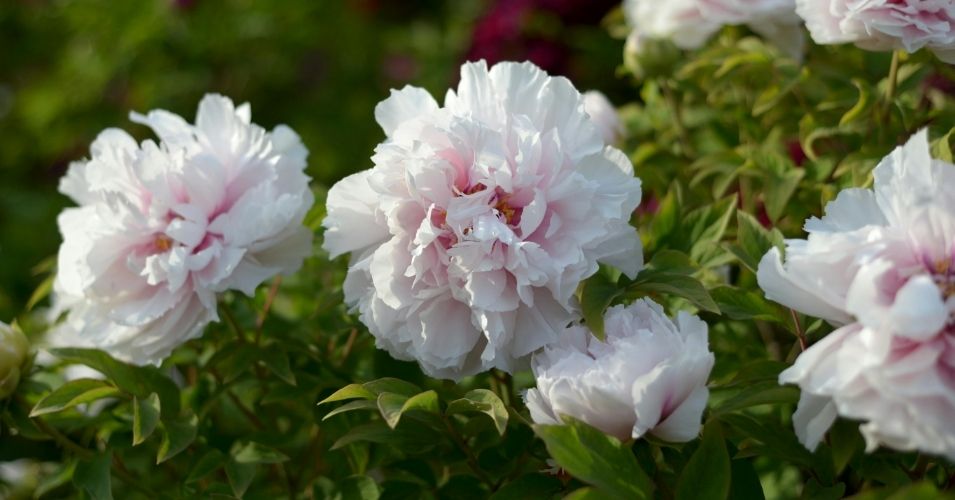
Peonies begin waking up in spring with a quiet sort of excitement that makes gardeners stop and notice the first hints of color pushing through the soil. They rise with steady strength, bringing new shoots that promise beauty long before their blooms actually open.
Spring care becomes important during these early weeks because every small step helps the plant grow with confidence and stay healthy as the season warms.
This guide will help you understand what your peonies need in spring so you can support their growth, protect their buds, and enjoy their full beauty.
Early Signs That Show Peonies Are Ready to Grow
Peonies begin showing their earliest signs of spring growth in ways that are easy to recognize once you understand the simple clues that appear as the weather warms.
The very first hint is the appearance of red or pink shoots pushing up through the soil, and these bright new stems stand out clearly against the dull colors left behind from winter. These shoots rise quickly, signaling that the plant has officially awakened from its rest.
As the days continue to warm, the shoots begin to thicken and shift from red tones to deeper green shades, indicating that the plant is moving from early awakening into active growth.
Small leaflets begin to form along the stems, and their unfolding shape reveals that the peony is responding to longer days and increased warmth. These early leaves grow fast, and watching them expand helps you time the next steps in your spring care routine.
Another important sign is the development of tiny, round buds near the tops of the stems; although they are small in early spring, these buds offer the first promise of the blooms that will come later.
The buds gradually swell as the weeks pass, and their steady growth becomes a reminder that proper care now will strongly influence the size and quality of each flower. Seeing those small, round shapes appear lets you know it is time to pay closer attention to how the plant is growing.
You may also notice new shoots forming around the base of the plant, and these additional stems help fill out the shape of the peony and create a fuller appearance for the coming season. Healthy spring growth usually looks balanced and firm, and this evenness shows that the plant is receiving enough light, water, and nutrients.
By watching for these early signs and responding with gentle care, you can help your peonies step confidently into the season and prepare for strong, beautiful blooms that last well into late spring.
Ways to Prepare the Soil for Strong Spring Growth
Preparing the soil in early spring is one of the most valuable steps you can take to help your peonies grow with strength and stability as the season unfolds.
Peonies thrive in soil that drains well while still holding enough moisture for healthy root activity, and creating this balance supports better stems, fuller foliage, and more dependable blooms. Healthy soil also protects your peonies from stress and helps them adjust smoothly as the weather changes.
Begin by clearing away any leftover winter debris, and remove dried leaves, fallen stems, or anything else that might block air circulation around the plant.
This simple cleanup step prevents extra moisture from collecting near the crown of the peony, and it also gives you a clear view of the new shoots beginning to emerge. A clean base ensures you do not accidentally break or disturb the delicate early growth.
After clearing the area, improve the soil by mixing a small amount of compost into the top layer; this organic material adds nutrients that support early root development.
Compost also improves soil texture, keeping it loose and allowing water to move through at a steady pace rather than pooling in one spot. Better soil texture helps the roots breathe and encourages them to spread deeper into the ground.
You can check the soil’s pH level during this time as well, since peonies grow best in soil that stays close to neutral. If the soil is too acidic, a small amount of garden lime can help adjust it, and if it is too alkaline, compost often brings it into a healthier range. Balanced pH levels allow the plant to absorb nutrients more easily, which leads to stronger growth.
If your garden has drainage problems, you can gently build up a raised surface around the plant to prevent water from gathering near the roots. This simple adjustment protects the peony from early-spring rot and provides a better environment for it to begin growing.
With properly prepared soil, your peonies will enter the spring season with a solid foundation that supports fuller growth, healthier stems, and more vibrant blooms.
Helpful Tips for Watering Peonies the Right Way
Watering peonies correctly in spring helps them grow with strength, and understanding what the plant truly needs prevents both dryness and accidental overwatering.
Peonies prefer soil that stays lightly moist without becoming soggy, and finding this balance makes a noticeable difference in the health of the stems and leaves as the season unfolds. Early spring weather can shift quickly, so observing the soil closely is one of the best habits you can build.
Begin by checking the soil with your fingers, and press gently into the top layer to see how much moisture remains from recent rainfall. If the soil feels dry a couple of inches down, it is usually time to water, but if it still holds moisture, it is better to wait before adding more.
This simple check protects the plant from unnecessary stress and helps avoid root problems that often occur when the soil stays too wet for too long.
When you water, aim the flow at the base of the plant and avoid spraying the leaves or stems, because keeping the foliage dry reduces the chance of fungal issues that sometimes develop in spring.
Slow watering is ideal because it allows the moisture to sink gradually into the soil and reach the deeper roots where the plant draws most of its strength. Gentle watering also prevents soil compaction, supporting healthier root growth.
Peonies benefit from deep watering rather than frequent shallow watering, which encourages roots to grow downward into the soil rather than staying close to the surface.
Deep roots help the plant stay strong during warmer days and provide better support for the heavy blooms that will form later in the season. A steady routine is helpful, but avoid watering on a fixed schedule because the weather may influence the soil more than the calendar does.
Mulching can also support proper watering by helping the soil hold moisture while preventing sudden drying caused by warmer spring days. A thin layer of mulch around the base keeps the ground cool and steady, and this comfort allows the plant to grow with more confidence.
By paying close attention to the soil, watering slowly and deeply, and protecting the roots from stress, your peonies will stay hydrated, encouraging strong growth and abundant blooms.
How to Support Peonies as They Form Buds
Peonies begin forming buds in spring long before the flowers open, and this stage is one of the most important parts of the entire growing season because it shapes the quality and size of each bloom.
Bud formation requires plenty of energy from the plant, and giving the right support during this period helps the stems stay strong and prevents damage from weather, weight, or sudden temperature changes. Noticing the earliest signs of bud growth allows you to prepare the plant for the next steps.
As the buds enlarge, the stems may begin leaning outward because the developing flowers become heavier, and this is a natural part of the process for many varieties.
Supporting the stems early helps prevent bending or snapping once the buds become larger, and providing this support in advance gives the plant a better chance of holding its blooms upright. Garden rings, peony cages, or simple stakes placed around the plant can keep the stems neatly lifted.
When placing supports, give the plant enough space to continue growing upward, as tight arrangements may squeeze the stems or restrict the plant’s natural shape.
Installing the supports before the stems become tall prevents accidental damage and keeps the structure hidden beneath the foliage as the season progresses. Peonies look more natural when the supports are added early rather than after the plant begins to droop.
During bud formation, give the plant steady water without allowing the soil to become heavy or waterlogged, because balanced moisture helps the buds develop fully.
Dry periods can result in smaller buds or fewer blooms, while excessive moisture can weaken stems or promote disease. Paying attention to the soil and adjusting your watering routine as needed gives your peonies the steady support they need.
Fertilizing lightly in early spring can also strengthen bud growth, but avoid heavy feeding during this stage because too much fertilizer may encourage leafy growth instead of flowers. A gentle spring formula or compost applied early in the season is often enough to provide the plant with the nutrients it requires for healthy development.
With proper support, careful watering, and gentle guidance as the buds form, your peonies will be strong, stable, and ready to open into full, beautiful blooms when the season reaches its peak.
Keeping Peonies Protected From Common Spring Problems
Peonies face several challenges in spring, and keeping them protected during these early months ensures they grow strong and remain healthy as their buds develop. Spring weather often shifts between warm sunshine and sudden cold snaps, and these temperature changes can affect young shoots if they are not properly cared for.
Paying attention to early signs of stress and responding quickly makes a noticeable difference in how well your peonies adjust to the season.
One common problem is early frost, which can damage new growth, especially when the shoots first rise from the soil. Covering the plants lightly with a frost cloth during unexpected cold nights can prevent harm, and removing the cover once temperatures rise again keeps the peonies from overheating.
This simple protection helps the stems stay firm and reduces the risk of slowed growth during the most vulnerable period.
Another trouble spot involves excessive moisture, which can lead to fungal issues such as botrytis. This disease often appears as soft spots or gray mold on young stems, and it spreads quickly when air circulation is poor.
Keeping the area around the plant clean, removing old debris, and spacing stems properly helps discourage fungal growth before it has the chance to spread. If you notice any damaged sections, removing them right away prevents them from affecting the rest of the plant.
Pests can also appear in spring, and ants are the most common visitors to peony buds, although they rarely harm the plant. More concerning pests include aphids, which gather on young stems and leaves.
Gently spraying the plant with water or using a mild soapy mixture can help remove them without stressing the peony. Monitoring your plants weekly helps you catch small issues before they grow into larger problems.
Weeds may compete with peonies for nutrients, and keeping the area around the plant free from weeds ensures the roots have access to the resources they need. A light layer of mulch can reduce weed growth and help maintain even moisture levels in the soil.
With steady attention and simple preventive care, your peonies can avoid the most common spring problems and continue growing with confidence through the rest of the season.
Final Thoughts
Peonies reward careful spring care with some of the most beautiful blooms of the year, and every small action you take now helps the plant grow with strength and stability.
Protecting new shoots, managing moisture, and watching for early signs of trouble give your peonies the support they need during this important stage.
As the season progresses, the effort you invest in spring becomes evident in the flowers’ fullness and the plant’s long-lasting health. With thoughtful attention and steady care, your peonies will flourish and bring color and beauty to your garden year after year.