
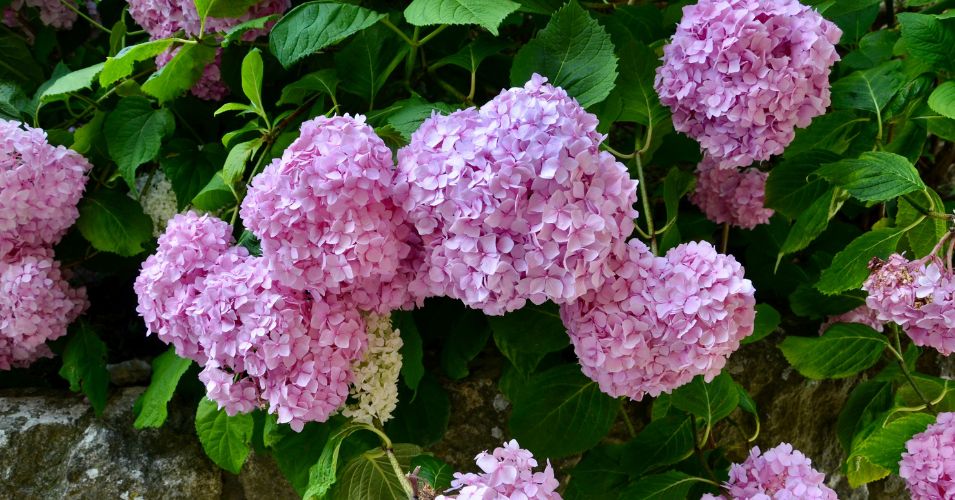
Spring is the moment when hydrangeas begin to wake up again. After months of cold, these beloved garden shrubs start preparing for a new season of lush leaves and colorful blooms.
A little attention during spring can make a huge difference in how healthy and vibrant your hydrangeas become later in the year.
In this guide, you will learn practical steps that help your plants thrive from the very start of the growing season.
How and When to Prune Hydrangeas in Spring
Pruning is one of the most important parts of spring hydrangea care. It helps remove winter damage and encourages the plant to grow in a healthy and balanced way. However, timing and technique matter more than many gardeners realize.
Different types of hydrangeas grow in slightly different ways. Some varieties bloom on what gardeners call old wood, while others bloom on new wood.
Bigleaf hydrangeas and mountain hydrangeas usually bloom on old wood, which means the flower buds formed the previous year. If these plants are pruned too heavily in spring, you may accidentally remove the buds that would have produced flowers.
Panicle and smooth hydrangeas, on the other hand, bloom on new wood. These varieties produce flowers on fresh growth each year and can handle heavier pruning in early spring.
If you are unsure which type of hydrangea you have, it is safest to prune very lightly in spring. Focus mainly on removing dead wood and damaged branches rather than cutting the plant back heavily.
A safe approach for most gardeners is to begin with light pruning once the risk of severe frost has passed. This is usually early to mid-spring, depending on your climate. The goal is not to reshape the plant dramatically, but to clean it up and remove damaged growth.
Start by cutting away stems that clearly died during winter. These branches will appear dry, brittle, and brown inside when cut. Removing them allows the plant to focus its energy on healthy stems that can produce new leaves and flowers.
Next, look for weak or crossing branches. When stems rub against each other, they can cause wounds that make the plant more vulnerable to disease. Trimming a few of these branches improves airflow and gives the plant a more open shape.
Always use sharp, clean pruning shears. Make cuts just above a healthy bud or leaf node. This encourages new shoots to grow from that point.
It is also important not to remove too much at once. Hydrangeas generally respond best when no more than about one-third of the plant is pruned in a single season.
Gentle, thoughtful pruning helps your hydrangea recover from winter stress and prepares it for a strong season of growth. By removing dead wood and carefully shaping the plant, you create conditions for fuller foliage and more impressive blooms later in the summer.
Prepare the Soil So Hydrangeas Grow Strong
Healthy hydrangeas begin with healthy soil. Spring is the perfect time to improve the ground around your plants so they can grow strong roots and produce full blooms later in the season.
Many gardeners focus only on watering or pruning, but soil quality often has the biggest impact on plant health. When the soil provides the right balance of nutrients, moisture, and airflow, hydrangeas respond with steady growth and vibrant flowers.
Start by gently clearing away any debris that has accumulated over the winter. Old leaves, fallen branches, and leftover mulch can trap moisture and sometimes encourage mold or pests. Cleaning the area allows fresh air and sunlight to reach the soil surface.
Once the area is clear, take a moment to loosen the top layer of soil around the base of the plant. Use a hand fork or a small garden tool to break up compacted soil lightly. This improves airflow and helps water soak into the ground rather than run off the surface.
Adding organic matter is one of the best ways to strengthen soil in spring. Compost works especially well for hydrangeas. Spread a layer of compost a few inches thick around the base of the plant, but avoid piling it directly against the stems. As the compost breaks down, it slowly feeds the plant and improves soil structure.
Mulch also plays an important role. A layer of mulch helps the soil retain moisture and keeps temperatures more stable as the weather changes. Natural materials such as shredded bark, wood chips, or leaf mulch work well. Aim for a layer that is about two to three inches deep.
Soil acidity can also influence hydrangea growth and flower color. Some varieties produce blue blooms in more acidic soil and pink blooms in more alkaline soil. While changing soil pH takes time, spring is a good opportunity to test your soil and decide if adjustments are needed.
By improving the soil early in the season, you create a strong foundation for the months ahead. Rich, well-prepared soil supports healthy roots, steady growth, and the kind of hydrangea blooms that make gardens stand out.
Watering and Feeding for Healthy Spring Growth
As temperatures begin to rise in spring, hydrangeas slowly return to active growth. During this stage, consistent watering and gentle feeding help the plant rebuild energy after winter dormancy.
Hydrangeas naturally prefer soil that stays evenly moist. This does not mean the soil should remain wet at all times. Instead, the goal is to prevent it from becoming completely dry for long periods.
Early spring rainfall often provides much of the moisture plants need. However, if the weather becomes warm or dry, you may need to supplement with watering. When you water hydrangeas, do it deeply rather than lightly sprinkling the surface. Deep watering encourages roots to grow farther into the soil, where moisture remains more stable.
Watering in the morning is usually the best choice. This allows the leaves and soil surface to dry during the day, which helps reduce the chance of fungal problems.
New growth in spring also benefits from balanced nutrition. Hydrangeas are not heavy feeders, but they do appreciate a boost of nutrients as the growing season begins.
A slow-release fertilizer designed for flowering shrubs works well. Apply it according to the instructions on the label and spread it evenly around the base of the plant. Avoid placing fertilizer directly against the stems since this can damage tender growth.
Organic options are also popular among gardeners. Compost, aged manure, or natural plant-based fertilizers provide nutrients gradually while improving soil quality.
It is important not to overfeed hydrangeas. Too much fertilizer can cause the plant to produce many leaves but fewer flowers. Moderate feeding early in the season is usually enough to support strong development.
Keep an eye on the plant as spring progresses. Fresh green leaves, firm stems, and steady growth are signs that your hydrangea is receiving the right balance of water and nutrients.
With consistent care during these early weeks, your hydrangea will be well prepared to produce lush foliage and beautiful blooms once summer arrives.
Protect Your Hydrangeas from Spring Weather and Pests
Spring is an exciting time for hydrangeas, but it can also be unpredictable. Sudden temperature drops, heavy rain, and hungry insects can all affect the delicate new growth that appears during this season. Taking a few protective steps early on helps your plants stay healthy while they adjust to changing weather.
One of the biggest risks in early spring is late frost. Hydrangeas often begin forming tender buds as temperatures warm. If a cold night arrives unexpectedly, those young buds can suffer damage. When frost is predicted, covering the plant overnight can make a big difference. A breathable garden cloth, light sheet, or frost blanket placed gently over the shrub can protect vulnerable growth.
Wind can also be stressful for hydrangeas during spring. Strong gusts may dry out the soil and damage new leaves. If your plant grows in an exposed area, consider placing a temporary wind barrier nearby. Even a simple garden screen or nearby container plants can reduce wind exposure and help protect fragile stems.
Pests begin to appear as temperatures rise. Aphids are one of the most common early-season insects that feed on hydrangeas. These tiny bugs gather on soft new growth and feed on the plant’s sap. When populations grow large, leaves may curl or become distorted.
Regularly checking the undersides of leaves helps you catch pest problems early. If you notice small clusters of insects, spraying the plant with a gentle stream of water can remove many of them. In more persistent cases, insecticidal soap or natural neem oil treatments can help control the problem without harming the plant.
Fungal diseases sometimes appear in damp spring conditions as well. Good airflow around the plant is one of the best ways to prevent these issues. Proper pruning and spacing allow leaves to dry faster after rain.
Healthy plants are naturally more resistant to both pests and disease. By protecting hydrangeas from sudden weather changes and monitoring for early pest activity, you give them the stability they need to grow strong through the rest of the season.
Common Spring Mistakes That Prevent Hydrangeas from Blooming
Even healthy hydrangea plants can fail to bloom if a few common spring mistakes occur. Many gardeners assume the problem is poor soil or a lack of fertilizer, but in many cases, the issue comes down to timing and basic care practices.
Understanding what to avoid can make a big difference in how many flowers your plant produces during the season.
One of the most common mistakes is pruning too aggressively. As mentioned earlier, many hydrangeas bloom on old wood. This means their flower buds formed during the previous growing season and stayed on the stems through winter. If these stems are cut back heavily in spring, the buds that would have produced flowers are removed before they have a chance to open.
Another mistake is pruning too late in the season. Even hydrangeas that bloom on new wood need time to grow fresh stems before flowering. Cutting them back very late in spring can delay this growth and reduce the number of blooms that appear later in summer.
Overfertilizing is another issue that can affect flowering. While hydrangeas benefit from some nutrients in spring, too much fertilizer can cause the plant to focus on producing leaves instead of flowers. When this happens, the shrub may grow large and lush but produce very few blooms.
Watering problems can also interfere with blooming. Hydrangeas prefer soil that stays consistently moist but not waterlogged. Long dry periods during spring can stress the plant and slow down bud development. On the other hand, overly wet soil can damage roots and weaken the plant.
Late spring frosts are another factor that sometimes reduces blooms. If cold temperatures arrive after buds have formed, those buds may be damaged before they open. Covering plants during unexpected cold nights can help protect developing flowers.
Paying attention to these common mistakes helps keep your hydrangeas on track for a successful blooming season. When pruning is done carefully, soil conditions are balanced, and plants receive steady moisture, hydrangeas usually respond with strong growth and beautiful flowers throughout the summer.
Final Thoughts
Spring care plays a huge role in how your hydrangeas perform throughout the year. By understanding what your plant experienced over winter, pruning carefully, improving the soil, and providing steady water and nutrients, you create the conditions for healthy growth and beautiful blooms.
Protecting the plant from unpredictable weather and early pests adds another layer of support during this important stage of the growing season.
Hydrangeas reward attentive gardeners with lush foliage and colorful flowers that can last for months. A little effort in spring lays the foundation for a vibrant, thriving garden all summer long.