
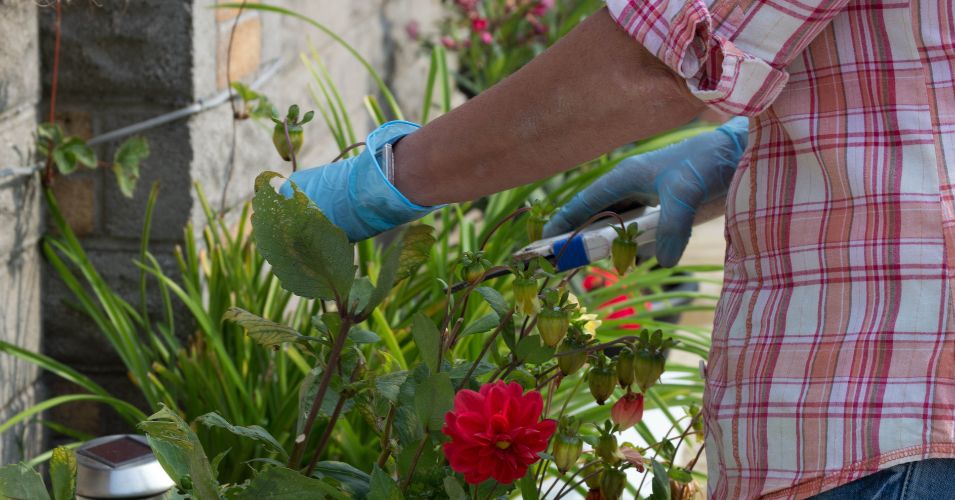
Summer is a time of rapid growth in the garden, which often makes pruning seem like a good idea. But while some plants benefit from a trim, others can suffer when cut back during the warmest months of the year.
Many shrubs, trees, and perennials use summer to store energy or develop next year’s flower buds. Pruning at the wrong time can reduce blooms, weaken growth, and leave plants under unnecessary stress.
Before reaching for the shears, make sure these plants are not on your pruning list.
Spring-Flowering Shrubs Need Time to Set Next Year’s Blooms
When a spring-flowering shrub starts looking a little wild in summer, it is easy to assume a quick trim will do more good than harm. A few overgrown branches here, a little shaping there, and the garden instantly looks neater.
The problem is that many spring bloomers are already hard at work preparing next year’s flowers long before most gardeners realize it.
Take lilacs, for example. Once their famous clusters of fragrant blooms fade, they waste no time getting ready for the following spring. Throughout summer, the shrub begins developing flower buds that will stay in place through fall and winter.
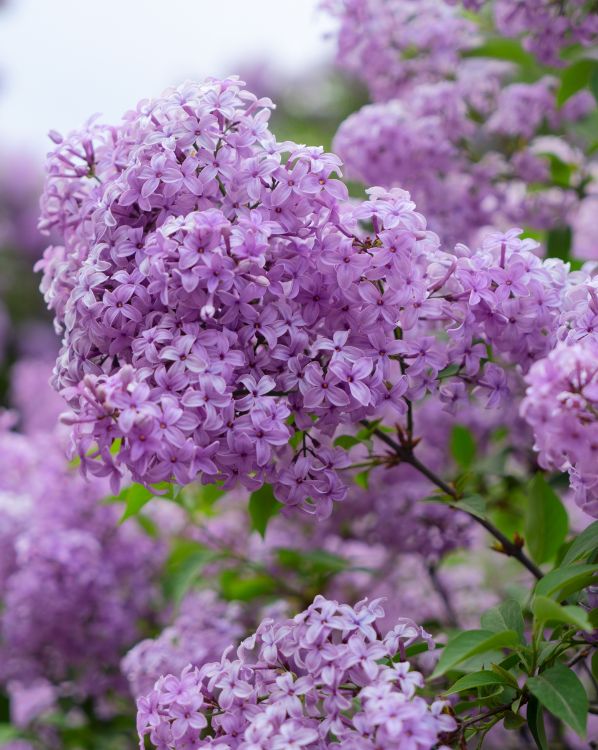
Those buds may be small and easy to miss, but they are there. Cutting back a lilac in summer often means removing hundreds of future blooms without even knowing it.
That mistake usually does not become obvious until the next year. The shrub still leafs out normally and appears healthy, but when spring arrives, the flower display is noticeably smaller.
Many gardeners blame the weather, when the real culprit was a summer pruning session months earlier.
The same issue affects azaleas. After putting on a spectacular spring show, these shrubs start forming next season’s buds surprisingly early.
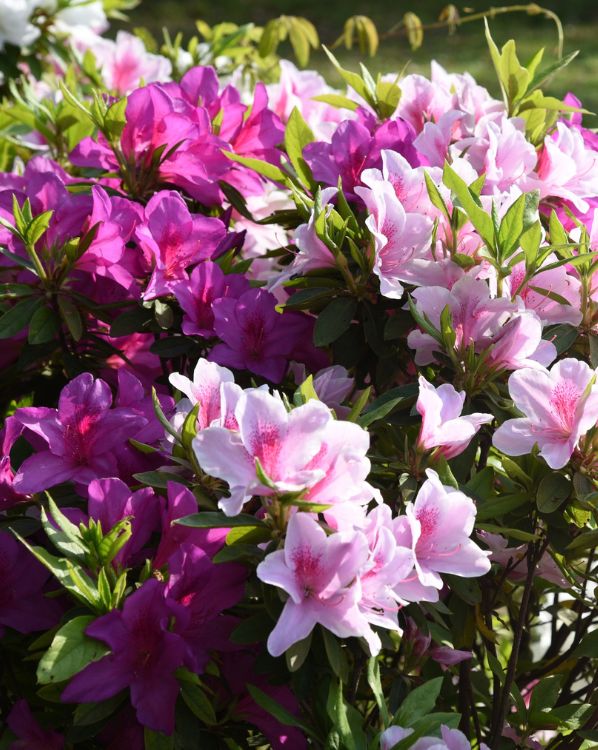
By midsummer, many of those buds are already developing along the stems. A heavy trim at that point can leave the plant looking tidy, but it also strips away much of next year’s color.
What makes azaleas particularly tricky is that they often respond to pruning with fresh leafy growth. That new growth can create the illusion that the plant benefited from being cut back. Unfortunately, leaves are not the same thing as flowers.
If a lilac or azalea genuinely needs pruning, the safest window is usually right after flowering finishes. Beyond that point, patience becomes your best gardening tool.
Leaving these shrubs alone through summer may require a little restraint, but the reward is a far more impressive display when spring rolls around again.
Why Many Trees Should Keep Their Summer Canopy
A tree covered in healthy green leaves might not seem like a plant that needs protecting from pruning. After all, one branch rarely looks important when there are hundreds more overhead.
Yet during summer, every leaf plays a role in keeping the tree healthy, which is why major pruning at this time of year can create problems that are not immediately obvious.
Consider a mature oak tree on a hot summer afternoon. Its canopy does much more than provide shade. Thousands of leaves are producing energy that supports root growth, strengthens branches, and helps the tree cope with seasonal stress.
Removing large limbs during this active period forces the tree to spend valuable resources on healing wounds rather than building strength.
Summer pruning can also increase the risk of disease in some regions. Fresh cuts may attract insects that carry oak wilt, a serious disease that can spread from tree to tree. That is one reason many arborists prefer to leave major oak pruning for the dormant season.
The same principle applies to maple trees. Their broad canopy acts like a giant energy factory throughout the warm months. When a substantial amount of foliage is removed, the tree suddenly has fewer leaves available to produce the food it needs.
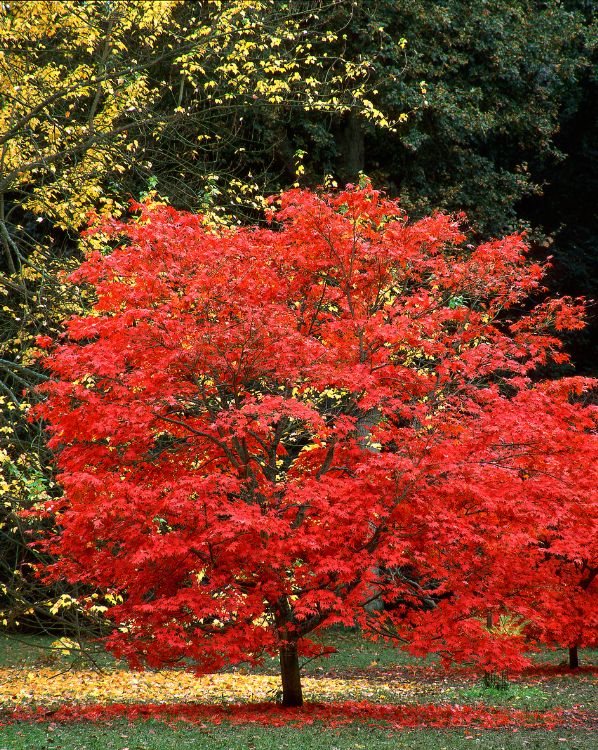
While a healthy maple can often recover, unnecessary summer pruning creates unnecessary stress.
Young birch trees can be even more sensitive. These graceful trees already struggle when temperatures climb, and rainfall becomes scarce.
Their leaves help fuel root development and support overall growth. Removing a significant portion of the canopy during summer can slow that process and leave the tree less vigorous going into the next season.
Of course, dead, damaged, or dangerous branches should always be removed when necessary. Safety comes first. But routine shaping is another matter entirely.
Sometimes the smartest move is to admire a tree’s summer canopy and let it do its job. Those leaves are not clutter. They are the engine that keeps the entire tree running.
The Hydrangea Pruning Mistake That Costs You Flowers
Few garden disappointments are as frustrating as a hydrangea that produces plenty of leaves but very few blooms.
In many cases, the problem starts months earlier when the plant is pruned at the wrong time. While hydrangeas are often considered low-maintenance shrubs, some varieties are surprisingly sensitive to summer pruning.
One of the most commonly affected types is the bigleaf hydrangea. This popular shrub is known for its large blue, pink, or purple flower heads that brighten gardens throughout summer.
What many people do not realize is that next year’s flower buds begin forming well before winter arrives. By midsummer, the plant is already preparing for its future display. A quick trim to control its size can easily remove those developing buds, leaving far fewer flowers the following season.
The same issue applies to the oakleaf hydrangea. With its striking foliage and cone-shaped blooms, this shrub adds interest long after flowering has finished. Because it blooms on older stems, cutting it back in summer can remove the buds that would have produced next year’s flowers.
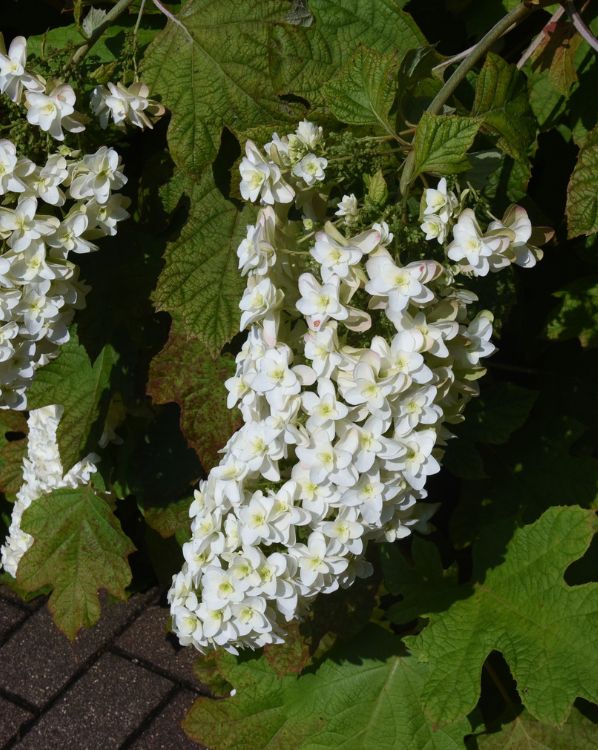
Gardeners are often surprised when a heavily pruned oakleaf hydrangea returns with healthy leaves but very few blooms.
Another plant that suffers from unnecessary summer pruning is the climbing hydrangea. Unlike its shrub-form relatives, this plant can take several years to become fully established.
Once it starts flowering, the display can be spectacular. However, aggressive trimming during summer may remove flowering wood and slow the plant’s progress. Since climbing hydrangeas are naturally slower growers, recovery can take time.
When hydrangeas start to look a little oversized, it is tempting to tidy them up immediately. In many cases, though, leaving them alone is the better choice. A slightly unruly plant in late summer is often a small price to pay for a garden full of blooms the following year.
Evergreens That React Poorly to Summer Cutting
Evergreens bring structure and color to the landscape throughout the year. Because they never lose all their foliage at once, they often appear tougher than other garden plants.
That reputation can be misleading. Many evergreens are surprisingly unforgiving when pruned too heavily during summer.
One example is the pine tree. Unlike many deciduous trees, pines do not easily produce new growth from older wood. If large branches are removed, the empty spaces often remain visible for years.
What starts as an attempt to improve the tree’s appearance can leave permanent gaps that never properly fill in. Light maintenance is usually fine, but major pruning should be approached with caution.
Another evergreen that dislikes aggressive summer cutting is arborvitae. Frequently used as a privacy screen, arborvitae develops dense green foliage on its outer branches.
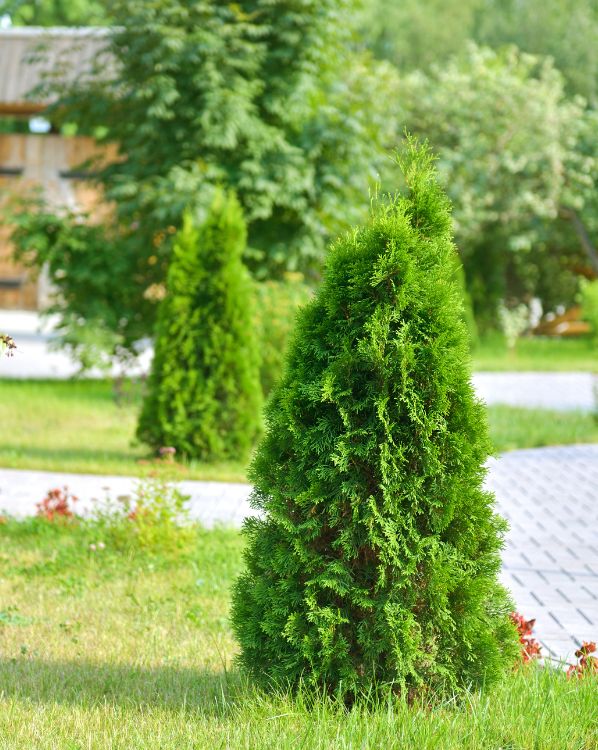
Hidden beneath that layer is older wood that rarely generates fresh growth. When gardeners cut too deeply into the shrub during summer, brown patches can appear and remain visible indefinitely. In some cases, those bare areas never recover.
This is why experienced gardeners tend to take a conservative approach with evergreens. Instead of removing large amounts of growth at once, they focus on light shaping and removing damaged branches.
Allowing the plant to maintain most of its foliage helps it cope with summer heat and continue growing naturally.
A little restraint goes a long way with evergreens. What seems like an overgrown branch today is often far less noticeable than a permanent bare spot that remains for years.
Perennials That Need Their Foliage to Stay Strong
Once flowering has finished, many perennials begin to lose some of their visual appeal. Blooms fade, stems look less impressive, and the temptation to cut everything back can be hard to resist.
However, for many perennial plants, those green leaves still have an important job to do. Removing healthy foliage too early can reduce the energy the plant stores for future growth and flowering.
One plant that benefits from keeping its foliage intact is the peony. After its stunning flowers disappear, the shrub-like clump of leaves may seem far less exciting. Still, those leaves continue working throughout summer, gathering sunlight and sending energy down to the roots.
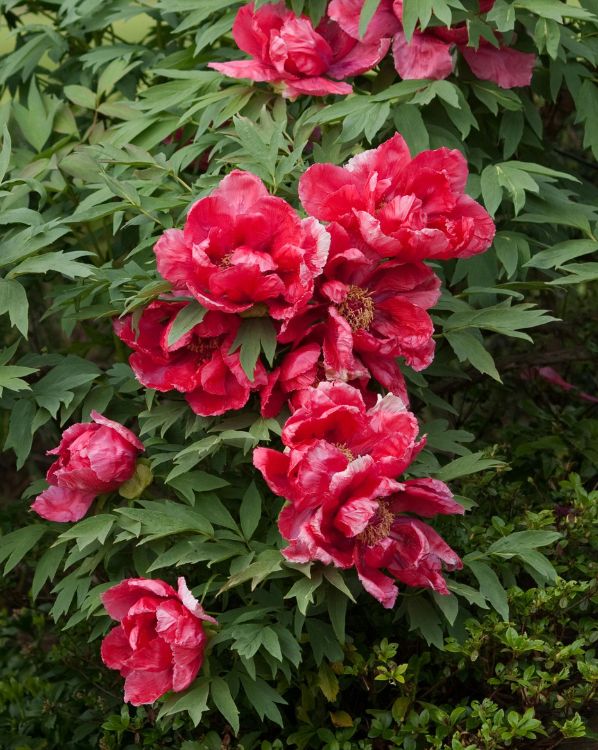
Gardeners sometimes cut peonies back immediately after flowering because they assume the plant is finished for the year. In reality, it is still building reserves for next spring’s blooms. Removing the foliage too soon can lead to weaker growth and fewer flowers in the seasons ahead.
The same principle applies to bearded iris. Once the flower stalks have finished blooming, they can certainly be removed.
The sword-like leaves, however, should remain in place. Throughout the summer months, they continue feeding the underground rhizomes that produce future growth.
Cutting back healthy iris foliage may leave the garden looking tidier, but it can also leave the plant with less stored energy heading into the next growing season.
Another perennial that should keep its leaves for as long as possible is the coneflower. Not only does the foliage help support the plant’s overall health, but the spent flower heads add value as well.
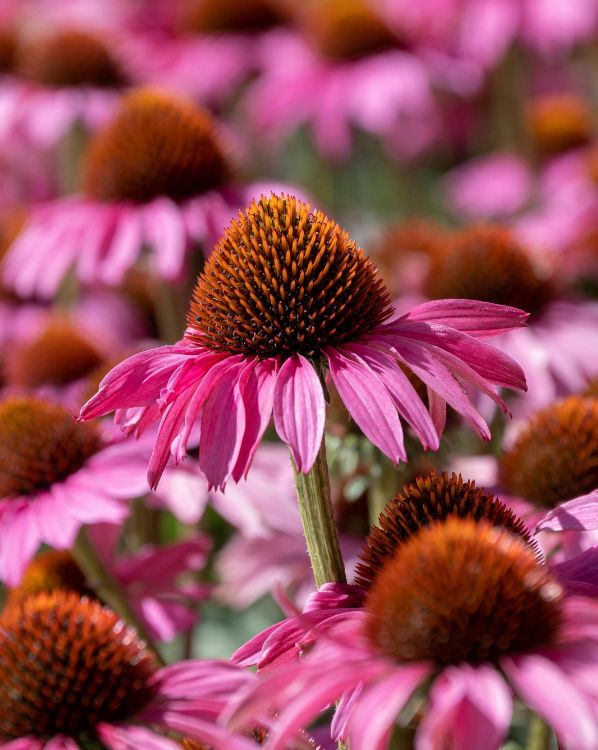
As summer transitions into fall, those seed heads often attract birds looking for an easy food source. Many gardeners leave them standing for this reason alone. The result is a garden that remains active and interesting long after the flowers have faded.
It is easy to view fading perennials as plants that have finished their work for the year. In reality, many are still preparing for the seasons ahead.
Allowing their foliage to remain through summer gives them the best chance to return stronger, healthier, and more floriferous when the next growing season arrives.
Final Thoughts
Not every plant benefits from a summer trim. In fact, cutting back certain shrubs, trees, evergreens, and perennials during the growing season can reduce flowering, weaken growth, and create unnecessary stress.
Many plants are busy producing energy or developing next year’s buds throughout summer. Removing healthy growth at the wrong time can undo months of progress.
Before reaching for the pruners, consider whether the plant truly needs attention. A little patience now can lead to more blooms, stronger growth, and a healthier garden in the seasons ahead.