
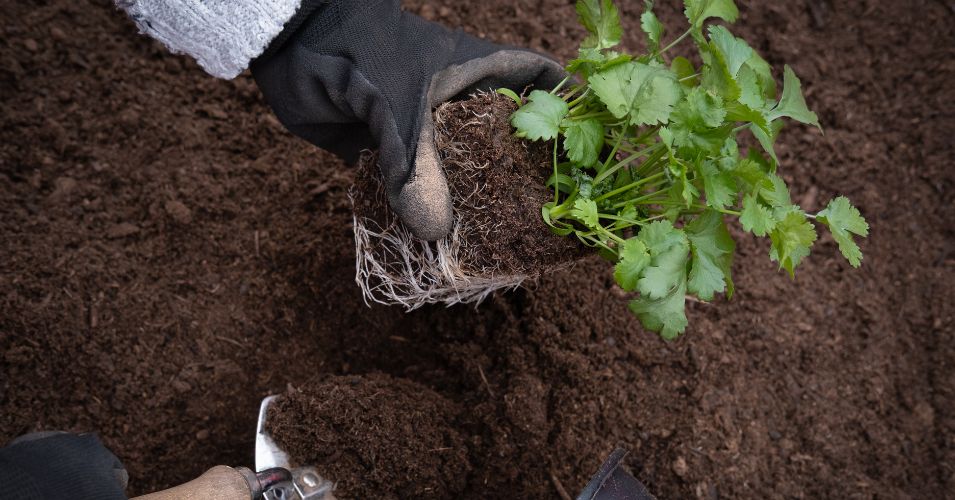
Spring is the perfect season to give your garden a fresh start. As temperatures rise and the soil warms, many plants wake from winter dormancy and prepare for a season of vigorous growth.
That makes spring the ideal time to transplant certain flowers, shrubs, herbs, and vegetables before the heat of summer arrives. Relocating plants during spring often leads to faster growth, stronger development, and an easier transition into new garden spaces.
In this article, we will explore some of the best plants to move in spring and how to help them thrive after transplanting.
Perennials That Bounce Back Quickly After a Spring Move
Many perennials respond extremely well when you transplant them in spring because they are just entering their active growing phase.
Fresh growth begins to appear in spring, and the mild weather gives transplanted perennials a smoother recovery period. If you move them early in the season, many of them recover so easily that you may barely notice any slowdown in growth.
Hostas are among the simplest perennials you can relocate during spring. Their thick roots hold plenty of stored energy, allowing them to settle into a new space quickly.
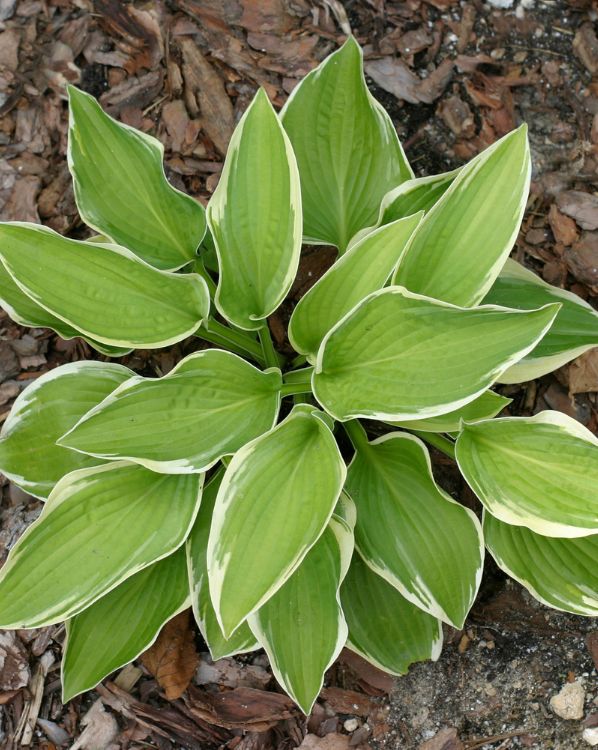
If your hostas have become too large, you can divide them into smaller sections and replant them around your yard. Within a few weeks, you will usually notice healthy leaves beginning to fill out again.
You can also transplant daylilies with very little trouble. These hardy flowers are known for handling root disturbance better than many other perennials.
Even if the leaves look slightly droopy after the move, proper watering usually helps them recover fast. By transplanting them in spring, you give the roots time to strengthen before the blooming season begins.
Coneflowers and black-eyed Susans are also great choices for spring relocation. These prairie-inspired flowers naturally adapt well to changing conditions and tend to recover quickly after being moved.
Moving these flowers earlier in the season helps them focus on steady growth before harsh temperatures arrive.
If your garden beds are becoming crowded, spring is also a smart time to divide bee balm. This fast-spreading perennial can quickly take over a planting area if left unchecked.
Separating the clumps improves airflow and helps keep the plants healthier throughout the season. Once replanted in nutrient-rich soil, bee balm often fills in rapidly with fresh new growth.
The way you transplant matters just as much as the plants you choose. Moving plants on a cool, cloudy day can help reduce moisture loss and transplant shock. You should also water deeply before and after relocating them so the roots can settle more comfortably into the soil.
Adding compost after transplanting can make a noticeable difference as well. Compost-enriched soil improves moisture retention and creates better conditions for long-term plant health.
With the right care, your transplanted perennials can become fuller, healthier, and more vibrant by midsummer.
Vegetables That Prefer a Fresh Start Before Summer Heat
Spring offers an ideal opportunity to transplant many vegetable plants because the season provides gentler growing conditions for young roots.
Spring weather creates balanced growing conditions that make it easier for young vegetable plants to adapt. Your vegetables can settle into their new space before the intense heat of summer starts putting pressure on fresh growth.
Tomatoes benefit greatly from spring transplanting because they need time to develop strong root systems before producing large amounts of fruit.
When you transplant tomatoes, planting them deeper than they were in their containers can actually improve growth. The buried stems can form additional roots, which help create sturdier, more productive plants later in the season.
Unlike tomatoes, peppers grow more slowly and prefer a more gradual transition. While they dislike cold weather, they also struggle when exposed to extreme heat too quickly.
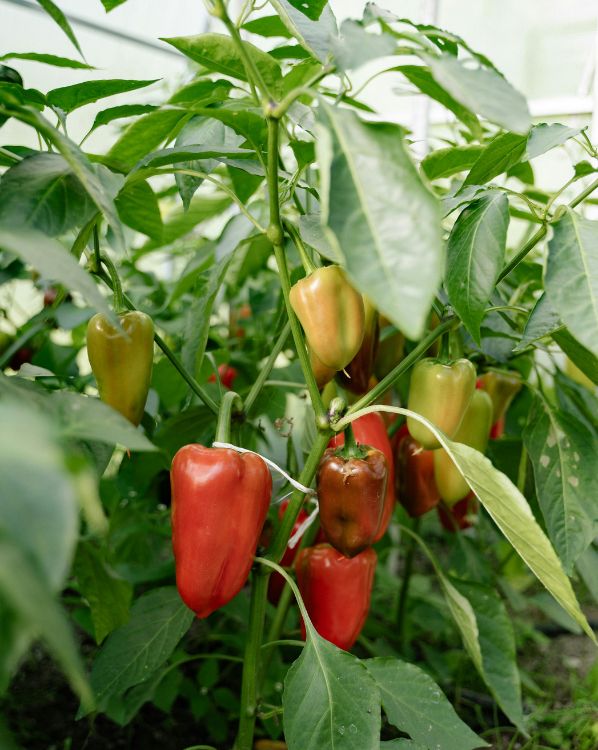
Moving them during spring allows the plants to adjust steadily while conditions remain mild. After settling into the soil, pepper plants often become sturdier and more productive during summer.
Several cool-season vegetables also thrive after a spring move because they naturally perform best in moderate weather. Lettuce adapts quickly to fresh soil and produces crisp, tender leaves before summer heat causes bitterness.
Spinach often grows thicker and healthier when transplanted early, while kale continues developing flavorful leaves even during chilly spring nights.
Some vegetables depend heavily on stable temperatures during their early growth stages. Broccoli and cauliflower are good examples because excessive heat can interfere with proper head formation. By transplanting them in spring, you give these plants a better chance to mature under steady conditions and develop fuller crops.
Careful handling during transplanting can improve how quickly your vegetables recover after the move. Keeping the roots moist, handling the plants gently, and watering deeply after planting all help reduce stress. You can also add mulch around seedlings to retain soil moisture and protect roots from sudden temperature changes.
When you transplant vegetables at the right time, your garden often rewards you with healthier plants, stronger growth, and a more successful harvest later in the season.
Herbs That Grow Stronger in a New Spot
Spring gives you the perfect opportunity to refresh your herb garden before the busiest part of the growing season begins. Over time, many herbs become overcrowded, uneven, or less productive when they stay in the same location for too long.
Spring relocation gives these herbs time to regain strength before their busiest growing period begins.
Mint is one of the most common herbs that needs to be relocated because it spreads aggressively through underground runners. If left alone, it can quickly invade nearby garden beds and compete with surrounding plants for space and nutrients.
Transplanting mint during spring helps you control its spread while keeping the plant healthy and productive. Many people move it into containers or raised beds where it can grow more freely without overwhelming the garden.
You should handle woody herbs a little more carefully during transplanting. Rosemary can become stressed when moved during hot weather, which makes spring a much safer time for relocation.
Milder weather leads to a gentler recovery period for newly transplanted rosemary plants. Once established again, rosemary usually develops dense branches filled with fragrant new growth.
Soft-leaf herbs also respond well to fresh planting space. Basil often grows fuller and bushier when transplanted into nutrient-rich soil with plenty of sunlight. The extra room encourages larger leaves and healthier stems, making the plant more productive for cooking throughout the season.
Parsley also benefits from spring relocation because loosened soil gives its roots more space to absorb moisture and nutrients.
Some herbs naturally grow in crowded clumps that eventually need dividing. Chives are a good example because the packed roots can weaken the plant over time and slow fresh growth. Separating the clumps in spring encourages new green shoots that continue producing for months.
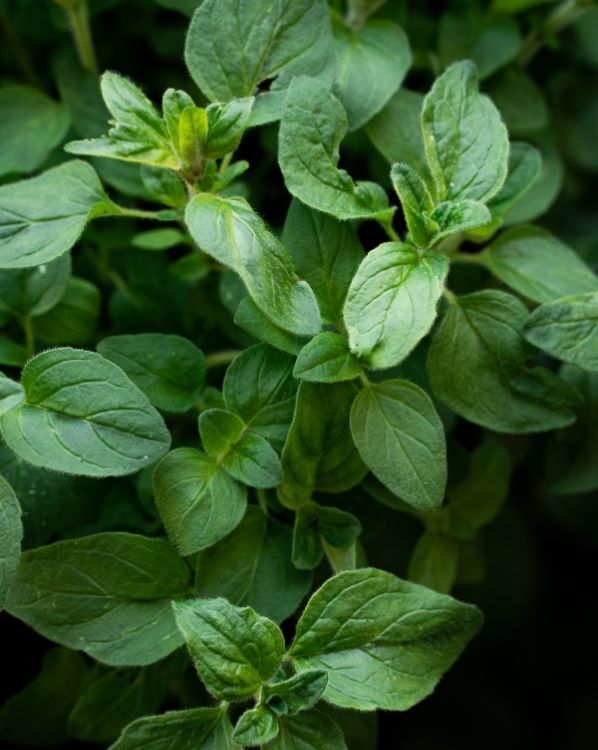
Oregano also adapts well after being moved, often spreading more evenly and developing thicker foliage in its new location.
The care your herbs receive after transplanting can play a major role in how well they recover. Protecting the roots from direct sunlight during the move and watering consistently afterward can help minimize stress. Adding a light layer of mulch also helps the soil retain moisture while the plants settle into their new location.
Once established in a better location, many herbs reward you with fuller growth and richer flavor throughout the season.
Shrubs and Small Bushes Ready for Relocation
Spring gives you the best chance to relocate shrubs successfully because plants are still preparing for their busiest growing period.
During early spring, shrubs can adapt more easily because they have not yet entered their peak growing phase. The soil is usually easier to dig, moisture levels are more balanced, and cooler temperatures help roots adjust before intense summer heat arrives.
If you want to refresh your landscape layout, hydrangeas are excellent shrubs to move during spring. These plants need enough sunlight and airflow to produce healthy, full blooms.
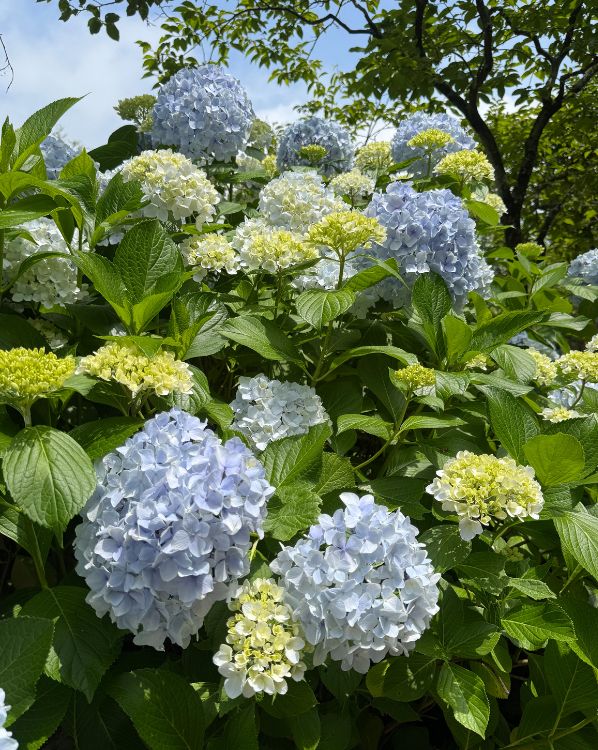
When hydrangeas become crowded, flowering quality can start to decline. Relocating them earlier in the season gives the roots time to establish before blooming begins.
You can also transplant boxwoods during the spring if they have outgrown their original location. These evergreen shrubs are commonly used around walkways and borders, but they sometimes become too large for smaller spaces.
An early-season move gives boxwoods extra time to settle in before dry weather becomes more intense. Since boxwoods continue losing moisture through their leaves, deep watering after transplanting is especially important.
Some flowering shrubs respond noticeably better when moved into areas with improved lighting. Spirea often develops fuller branches and brighter blooms after being relocated to sunnier spots.
Azaleas can also benefit from spring transplanting, especially if the soil drains poorly or the plant is not receiving sufficient shade. Since azaleas prefer slightly acidic soil, transplanting gives you the chance to create healthier growing conditions from the start.
Certain bushes naturally become too dense over time and need more space to grow properly.
Butterfly bushes are a great example because their branches spread quickly as the plant matures. Moving them into open, sunny areas can encourage larger flower spikes and attract more pollinators throughout summer.
Careful preparation can make the entire transplant process smoother. Digging a wide root ball helps protect important underground growth, while watering deeply after planting reduces stress on the shrub. Trimming back some upper growth can also help the plant direct more energy toward rebuilding roots instead of supporting excess foliage.
With proper attention after transplanting, shrubs often regain their shape quickly and continue producing vibrant seasonal growth.
Smart Transplanting Habits That Help Plants Thrive
Successful transplanting depends on more than simply choosing the right plants. The way you handle each step can strongly influence how well your garden performs throughout the rest of the season.
Even sturdy plants can struggle if they are moved carelessly or placed into poor growing conditions. A few thoughtful decisions during transplanting can help your plants recover faster and continue growing steadily.
Before you move anything, it helps to prepare the new planting area first. Digging holes ahead of time prevents roots from sitting out in the open for too long. Once removed from the soil, roots can dry surprisingly quickly, especially on windy spring days. Having everything ready allows you to transfer plants smoothly without unnecessary stress.
The condition of your soil also plays a major role in transplant success. Loose, nutrient-rich soil gives roots enough space to spread naturally rather than remain tightly packed together.
Mixing compost into the planting area improves drainage while helping the soil hold steady moisture. Healthy soil creates a more comfortable environment for newly transplanted plants as they adjust to their new location.
Watering properly after transplanting is equally important. A deep soak helps settle the soil around the roots and removes trapped air pockets that could interfere with growth.
Light watering on the surface usually is not enough during the first stage of recovery. Consistent moisture encourages stronger root development and helps plants adapt more comfortably.
You should also pay attention to sunlight after transplanting. Some plants benefit from temporary shade during the first few days, particularly if temperatures suddenly rise.
Freshly moved roots may not be able to deliver enough moisture to support full sun exposure immediately. Providing short-term protection can help prevent wilting and leaf damage while plants recover.
It can be tempting to fertilize heavily right after transplanting, but excessive feeding can place extra stress on sensitive roots. Newly moved plants usually respond better to gentle care and steady watering than aggressive fertilizers during the early recovery period.
Careful observation can also help you catch problems early. Drooping leaves, yellowing foliage, or slowed growth may signal transplant stress before serious damage develops. By quickly adjusting watering, sunlight, or soil conditions, you give your plants a better chance to recover.
When you approach transplanting with patience and preparation, your plants are far more likely to reward you with healthy growth and a thriving garden throughout the season.
Final Thoughts
Spring transplanting gives you the chance to refresh and improve your garden before the busiest part of the growing season arrives.
Many plants respond especially well to being moved in spring because the cooler temperatures and more stable conditions help reduce stress on developing roots.
The way you handle transplanting can make a major difference in how quickly your plants recover. Watering thoroughly, avoiding unnecessary root damage, and choosing the right planting location all help plants adjust more comfortably.
A thoughtful transplanting routine does more than make your yard look neater. It helps your plants become stronger, encourages fuller blooms and larger harvests, and creates a healthier outdoor space that continues thriving well into the warmer months.