
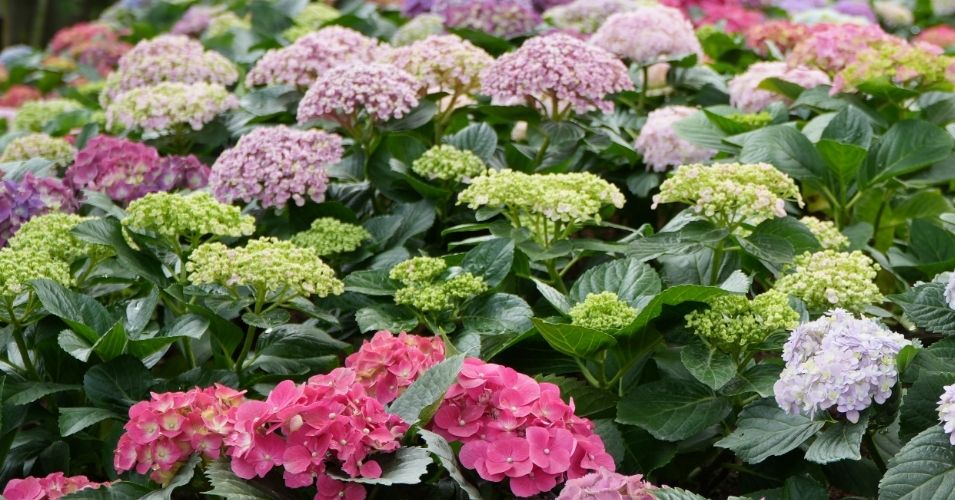
Hydrangeas bring softness, color, and fullness to a garden, but not every plant belongs beside them, and understanding which companions create problems can save your hydrangeas from stress.
Some plants compete too strongly for moisture, while others pull nutrients from the soil faster than hydrangeas can replace them. Certain companions disrupt the balance hydrangeas need, and a few even change the soil in ways that weaken growth and reduce blooming.
This guide will walk you through the plants that make poor neighbors for hydrangeas, explaining how each one creates challenges and helping you choose combinations that keep your shrubs healthy and thriving.
Moisture Stealers in the Hydrangea Garden

Hydrangeas depend heavily on steady moisture, especially during warm months, and planting them near moisture-stealing plants can weaken their growth more quickly than many gardeners realize.
Hydrangeas have shallow roots that absorb water from the upper soil layers, so when nearby plants aggressively pull water from the same area, the shrubs struggle to stay hydrated. Understanding which plants act as moisture stealers helps you protect your hydrangeas from ongoing stress.
One of the biggest moisture competitors is bamboo, a plant known for its rapid growth and unrelenting thirst. Bamboo spreads quickly, sends roots deep and wide, and absorbs large amounts of water, leaving very little behind for hydrangeas.
Even when bamboo is planted at a distance, its underground system can still reach the hydrangea bed and steal moisture before the shrubs have access to it.
Large ornamental grasses also act as major moisture thieves. Their dense root systems dive deep into the soil and absorb water more quickly than hydrangeas can.
These grasses may look attractive beside hydrangeas at first, but over time, the shrubs may show wilted leaves, slow growth, or fewer blooms due to the competition. Another moisture-stealing group is the family of thirsty shade trees.
Trees like willows and silver maples have massive root systems that constantly seek out water, and their roots often travel far beyond the tree canopy. If hydrangeas are planted within reach of these trees, the shrubs often lose the competition, especially during dry spells when every drop of moisture counts.
Even some popular perennials can create challenges when placed too close together. Plants with thick foliage and rapid growth habits, such as tall cannas or large hostas, can draw water more quickly than expected, leaving hydrangeas needing additional watering.
By keeping moisture stealers away from your hydrangeas, you provide the consistent hydration they rely on. Protecting this balance ensures they can develop lush foliage and abundant blooms without having to fight for water every day.
Root Bullies Which Compete for Important Space

Hydrangeas grow best when their roots have room to spread comfortably, and planting them near root bullies can limit their ability to absorb nutrients, water, and oxygen.
These aggressive root systems invade the hydrangea’s space, competing for essential resources and creating an environment where the shrubs struggle to establish themselves. Understanding which plants behave like root bullies helps you avoid hidden problems beneath the soil.
One common root-bullying tree is the black walnut, known for producing chemicals in its roots that can harm or stunt nearby plants. Even without these chemicals, its root system is extremely wide-reaching and dense, making it difficult for hydrangeas to grow.
When planted too close together, hydrangeas often show slow growth, yellowing leaves, and reduced blooming.
Another strong competitor is the Norway maple. Its roots spread close to the soil surface and form a thick network that rapidly collects nutrients. Because hydrangeas also rely on surface-level soil for their nourishment, they often find themselves starved for resources when sharing space with this tree.
Shrubs with fast-expanding roots can also act as bullies. Forsythia, for instance, spreads quickly and sends its roots outward in search of water and nutrients. When planted near hydrangeas, it can easily dominate the area, leaving little room for the shrubs to thrive. Over time, this leads to weak stems and shallow growth.
Even smaller plants may cause problems if their root growth is aggressive. Mint, though small in size, builds dense underground runners that can overwhelm soil space and push into hydrangea beds. Its rapid spread makes it a difficult neighbor for any shrub that requires open, breathable soil.
By keeping root bullies away from hydrangeas, you create an environment where the shrubs can grow without competition. Thoughtful planning allows hydrangea roots to access the nutrients and space they need to build strong foliage and produce healthy, abundant blooms.
Sun Chasers Disrupting Hydrangea Shade Levels

Hydrangeas thrive in gentle light that keeps their leaves cool while still giving them enough brightness to form healthy blooms, and this balance can be disrupted when they share a space with plants that chase the sun.
Sun chasers grow quickly toward the strongest light and often stretch above nearby shrubs, creating unpredictable patterns of shade that confuse the hydrangea’s natural rhythm. When shade levels shift constantly, hydrangeas may bloom poorly, develop weak stems, or grow unevenly as they try to reach steadier light.
One powerful sun chaser is the sunflower, a plant that follows the sun’s arc and grows tall enough to cast large shadows throughout the day. While sunflowers bring cheer, they can deprive hydrangeas of the consistent light they rely on. As the sunflower moves, it throws shade in different directions, leaving the hydrangeas in alternating brightness and darkness that disrupts growth.
Tall, airy flowers like cosmos also behave as strong sun seekers. They stretch quickly upward with slender stems that sway and tilt toward the brightest areas.
Although cosmos looks delicate, a thick patch can block morning or evening sunlight from reaching the hydrangea leaves, preventing the shrubs from developing the energy needed for bud formation.
Certain vines pose similar problems. Morning glory climbs aggressively to reach full sun and spreads across fences, trellises, and anything nearby. As it climbs, it casts shifting shadows beneath its leaves, creating dim areas where hydrangeas struggle to produce strong blooms.
Large, sun-loving shrubs, such as butterfly bush, can also interfere with the hydrangea’s lighting needs. Their wide-branched structure captures the bright sunlight but blocks much of the light from reaching the ground. When planted too close together, they overshadow hydrangeas and disrupt the light balance that the shrubs depend on.
By keeping sun chasers away from your hydrangea beds, you protect the stable shade pattern that hydrangeas need. Consistent lighting supports better buds, stronger stems, and fuller flower clusters, ensuring your shrubs grow with confidence throughout the season.
Soil Shifters Which Unbalance Hydrangea Conditions

Hydrangeas rely on steady soil conditions to maintain their color, strength, and blooming cycle, and certain plants can disrupt this balance by altering the ground in ways that make hydrangeas unhappy.
Soil shifters change soil nutrients, pH levels, or texture, and these shifts may happen quickly or gradually, depending on the plant. Hydrangeas prefer gentle changes and well-managed soil, so pairing them with plants that constantly alter the soil often leads to weak growth and fewer flowers.
A major soil shifter is pine, a tree that drops acidic needles across the ground. As these needles decompose, they increase soil acidity, which can push hydrangeas outside their comfort zone. While mild acidity can help adjust bloom color, too much acidity can cause nutrient problems and leaf discoloration.
Another plant that affects soil chemistry is the walnut, especially black walnut varieties. Walnut trees release natural compounds into the soil that can slow or stunt the growth of many nearby plants.
Hydrangeas planted in this environment often struggle to absorb nutrients and show signs of stress, such as yellowing leaves or reduced blooming.
Some herbs can also shift soil conditions. Sage, for example, thrives in dry, lean soil and may pull nutrients from the ground more quickly than hydrangeas can replace them. This leaves the surrounding soil depleted and unsuitable for shrubs that rely on richer, more consistent nourishment.
Plants that break down rapidly, such as comfrey, can also create an unstable environment. As comfrey decomposes, it releases large amounts of nutrients at a pace that hydrangeas are not built to handle. These sudden changes disrupt the gentle nutrient flow hydrangeas need for balanced growth.
By avoiding soil shifters near hydrangeas, you protect the steady soil conditions that allow the shrubs to thrive. A stable ground environment supports healthier root development, more dependable blooms, and a stronger overall plant that can handle seasonal changes with ease.
Fast Spreaders That Take Over Hydrangea Beds

Hydrangeas grow best when they have space to stretch out, breathe, and develop strong roots, but fast spreading plants can quickly take over the area and leave the shrubs struggling for room.
These aggressive spreaders move through runners, creeping stems, or rapidly dividing roots, filling every open space in the garden bed.
Once they establish themselves, they can crowd hydrangeas, block airflow, and steal sunlight before the shrubs even have a chance to grow fully. Knowing which plants behave this way helps you prevent your hydrangea beds from becoming overwhelmed.
One of the most notorious fast spreaders is English ivy, a plant that climbs, creeps, and expands in every direction. Its thick growth forms mats that climb over hydrangea stems, block sunlight, and make it difficult for the shrubs to receive the airflow they need. Left unchecked, English ivy can smother an entire hydrangea bed within a single season.
Another aggressive plant is bishop’s weed, also known as goutweed. It spreads underground through strong runners and quickly forms dense patches that push into any nearby open soil. Hydrangeas planted near bishop’s weed often find their root space overtaken, and the weed is notoriously difficult to remove once established.
Even smaller plants can overrun hydrangea beds when given the chance. Creeping jenny, for example, grows with bright trailing stems that move rapidly across the ground. While attractive in containers or controlled spaces, it can overwhelm hydrangea roots in open beds by forming thick layers of foliage that block light and crowd the soil surface.
Another speedy spreader is periwinkle, a vine-like ground cover that expands through long stems and quickly loops around shrubs. Hydrangeas planted near periwinkle may find themselves caught in a web of growth that takes away both nutrient access and breathing room.
By keeping fast spreaders such as English ivy, bishop’s weed, creeping jenny, and periwinkle away from hydrangea beds, you give your shrubs the space they need.
Hydrangeas grow fuller and stronger when they do not have to fight for every inch of soil, and avoiding these aggressive plants helps them thrive with healthier leaves and more abundant blooms.
Final Thoughts
Hydrangeas flourish when given the right companions, balanced conditions, and space to grow without interference. Avoiding moisture stealers, root bullies, sun chasers, soil shifters, and fast spreaders ensures your shrubs receive the light, nutrients, and room they need.
When you choose plant neighbors carefully, the garden becomes a healthier and more harmonious place for hydrangeas to show their full beauty.
Thoughtful planning and awareness of plant behavior help your hydrangeas thrive, with lush foliage and dependable blooms season after season.