
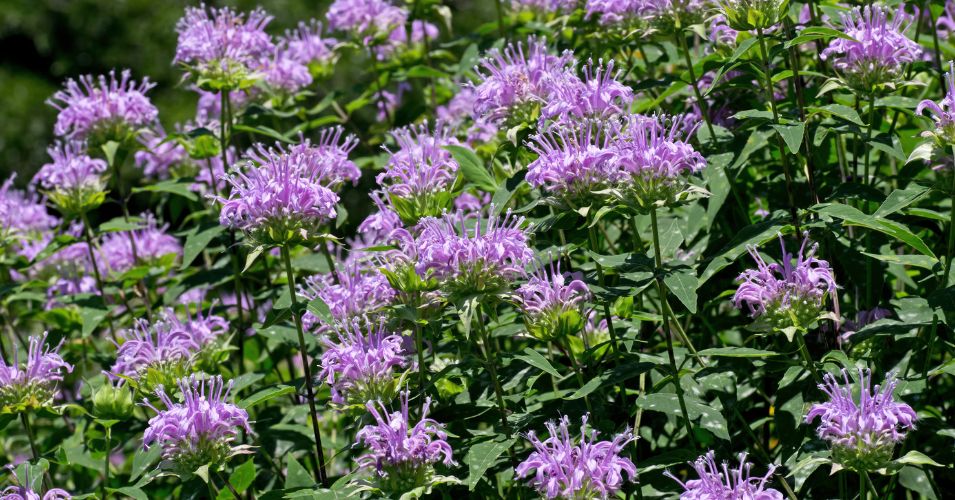
Bee balm is one of those summer flowers that seems to hum with life. Its bright blooms attract bees, butterflies, and even hummingbirds, turning any garden into a lively space.
But keeping bee balm healthy through the hottest months takes a bit of attention and care.
If you know what it needs, this plant will reward you with long-lasting color and strong growth.
In this guide, you will learn how to help your bee balm thrive during summer, from watering and pruning to preventing common problems.
What Bee Balm Needs When Summer Heat Sets In
When summer arrives in full force, bee balm shifts its focus from early growth to staying strong and producing vibrant blooms. This is the time when heat, sunlight, and airflow work together to shape your plant’s health.
Bee balm thrives in full sun, but intense afternoon heat can sometimes push it too far, especially during dry spells. A location that offers bright morning light with a touch of afternoon shade can help prevent stress and reduce wilting.
This balance allows the plant to keep growing without struggling through the hottest hours of the day.
Soil conditions become even more important as temperatures rise. Bee balm prefers soil that stays consistently moist but not waterlogged, giving roots access to water without suffocating them.
If your soil tends to dry out quickly, adding mulch around the base of the plant can help hold in moisture and keep the root zone cooler. This simple step often makes a noticeable difference during heat waves.
Good airflow also plays a quiet but powerful role. When plants are spaced too closely, humidity can build up around the leaves, creating an environment where disease can take hold. Giving bee balm enough room to breathe helps keep foliage dry and healthy.
At the same time, summer is when bee balm is actively growing and flowering, so it benefits from steady nutrients. A light feeding or nutrient-rich soil can support this burst of activity without overwhelming the plant.
When these needs are met, bee balm handles summer with confidence and rewards you with bold, colorful blooms.
How to Water Without Overdoing It
Watering bee balm in summer is less about sticking to a strict schedule and more about paying attention to the plant and the soil. Too little water can lead to drooping leaves and weak blooms, while too much can cause root problems and invite disease.
The goal is to keep the soil evenly moist. A deep watering every few days is usually better than frequent shallow watering, because it encourages roots to grow deeper and become more resilient. When water reaches further down into the soil, the plant is better prepared to handle dry periods.
A good way to check if watering is needed is to feel the soil a couple of centimeters below the surface. If it feels dry at that level, it is time to water. If it still feels damp, you can wait a bit longer. This simple habit helps prevent overwatering, which is one of the most common mistakes.
Timing also matters more than many people realize. Watering early in the morning gives the plant time to absorb moisture before the heat of the day sets in. It also allows the leaves to dry quickly, reducing the risk of fungal issues.
It is best to water at the base of the plant rather than from above. Wet leaves can create the perfect conditions for disease, especially in warm weather. By directing water straight to the soil, you keep the roots hydrated without adding unnecessary moisture to the foliage.
Simple Trimming Habits That Make a Big Difference
Trimming bee balm during summer is not about cutting it back heavily. It is about guiding the plant so it stays full, healthy, and focused on blooming. Small, regular cuts can shape how the plant grows and how long it flowers.
One of the easiest habits to build is deadheading. This means removing flowers once they begin to fade. When spent blooms are left on the plant, it starts channeling energy into seed production rather than new flowers. By clipping them off just above a set of leaves, you encourage the plant to keep producing fresh blooms.
Another helpful approach is light thinning. If your bee balm starts to look crowded or dense, removing a few inner stems can improve airflow and allow sunlight to reach deeper into the plant. This not only supports healthier growth but also reduces the chance of disease developing in hidden, damp areas.
You can also pinch back the tips of stems earlier in the season to encourage branching. While this is often done in late spring, a gentle touch-up in early summer can still help create a fuller shape. More branches usually mean more flowers, which is exactly what you want during peak blooming time.
It is important not to remove too much at once. Taking off a large portion of the plant can slow its growth and reduce flowering for a while. Instead, think of trimming as a steady habit rather than a one-time task.
With a bit of attention every week or so, your bee balm will stay tidy, open, and ready to keep producing bright, eye-catching blooms throughout the season.
Spot Trouble Early in Leaves and Stems
Bee balm is generally a strong plant, but summer conditions can sometimes bring problems if you are not paying close attention. The good news is that most issues start small and can be managed easily when caught early.
Leaves are often the first place to look. If you notice a white or powdery coating forming on the surface, it could be a sign of powdery mildew. This is a common issue during warm, humid weather, especially when airflow is limited. Catching it early allows you to remove affected leaves and improve spacing before it spreads further.
Yellowing leaves can point to a few different concerns. In some cases, it may mean the plant is getting too much water or not enough drainage. In others, it could signal a lack of nutrients in the soil. Paying attention to watering habits and soil condition can help you narrow down the cause.
Stems can also tell you a lot about the plant’s health. Weak or drooping stems might suggest that the plant is not getting enough water during hot periods. On the other hand, stems that feel soft near the base could indicate excess moisture or early rot.
It is also worth watching for signs of insect activity. Small holes in leaves or distorted growth may be caused by pests feeding on the plant. While bee balm attracts beneficial insects, it can occasionally draw unwanted visitors as well.
A quick check every few days makes a big difference. By noticing small changes early, you can respond before they turn into larger problems, keeping your bee balm looking strong and vibrant all summer long.
Encourage Bright Blooms All Season Long
Keeping bee balm in full bloom through summer comes down to steady care and a few simple habits that support its natural rhythm. When the plant feels balanced, it responds with continuous bursts of color that can last for weeks.
Sunlight is one of the biggest drivers of flowering. Bee balm performs best when it receives plenty of direct light each day, as this provides the energy it needs to produce new blooms. If flowering starts to slow, it is worth checking whether nearby plants or structures are casting too much shade.
Feeding the plant lightly during summer can also make a difference. A modest nutrient boost helps sustain blooming without pushing the plant into excessive leafy growth. Too much fertilizer can actually reduce the number of flowers, so a gentle approach works best.
Regular deadheading plays a key role in keeping the show going. By removing faded blooms, you signal the plant to keep producing rather than shift into seed production. This small action, done consistently, can extend the flowering period far beyond what you might expect.
Water and soil conditions continue to matter as well. When the plant experiences stress from dryness or poor drainage, it often reduces blooming to conserve energy. Keeping moisture levels steady supports both the plant’s health and the number of flowers it can produce.
It also helps to step back and observe how your bee balm is performing overall. If it looks strong, upright, and vibrant, it is likely on the right track.
When all these elements come together, bee balm rewards your care with bold, lively blooms that carry through the heart of summer.
Final Thoughts
Caring for bee balm in summer is not complicated, but it does require attention and consistency. Small actions like proper watering, light trimming, and regular checks can shape how well the plant handles heat and how long it stays in bloom.
By giving it the right balance of sunlight, moisture, and space, you create an environment where it can thrive without struggle. The result is a plant that not only looks beautiful but also brings life into your garden with every bloom.
With a steady approach, bee balm becomes one of the most rewarding flowers to grow during the warmest months.