
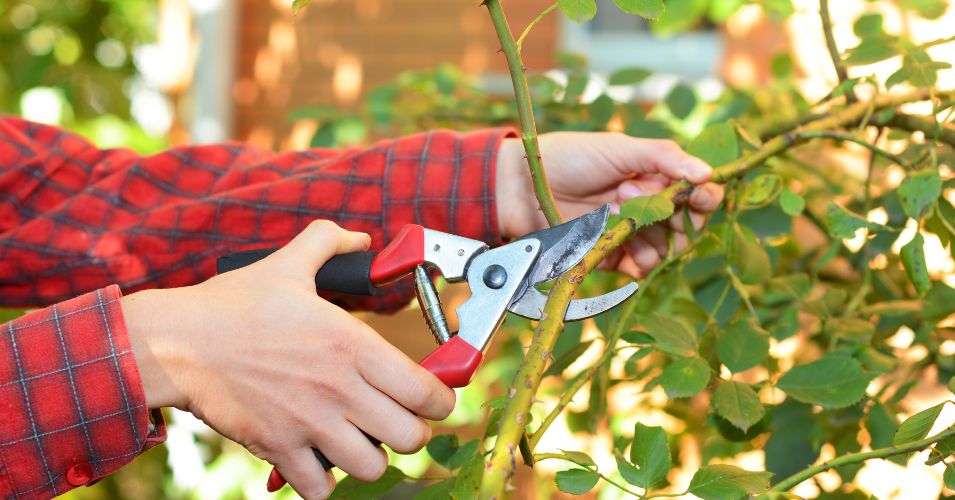
Spring makes gardeners restless.
The sun returns, the soil softens, and suddenly everything in the yard looks ready for a trim. It feels productive to grab pruners and start cutting away what looks messy or overgrown.
But here is the surprising truth. Some plants should never be cut back in spring.
Pruning them at the wrong time can remove flower buds, weaken growth, or even damage the plant for the entire season. Before you make that first snip, it helps to know which plants need patience instead of pruning.
In this guide, you will learn exactly which plants to leave alone and why timing matters more than you might think.
Shrubs That Bloom on Old Wood
One of the biggest pruning mistakes gardeners make in spring is cutting back shrubs that bloom on old wood.
These plants form their flower buds during the previous growing season, often in late summer or early fall. That means the buds you see swelling on branches in early spring are already prepared to bloom.
If you cut those stems now, you remove this year’s flowers before they ever have a chance to open.
Several well-loved shrubs fall into this category. Bigleaf hydrangea, such as Hydrangea macrophylla, sets its flower buds on last year’s growth. If you trim them heavily in spring, you may end up with healthy green leaves but no blooms.
The same is true for forsythia, which produces its bright yellow flowers on old stems.
Lilac also blooms on old wood, which is why it should only be pruned shortly after flowering.
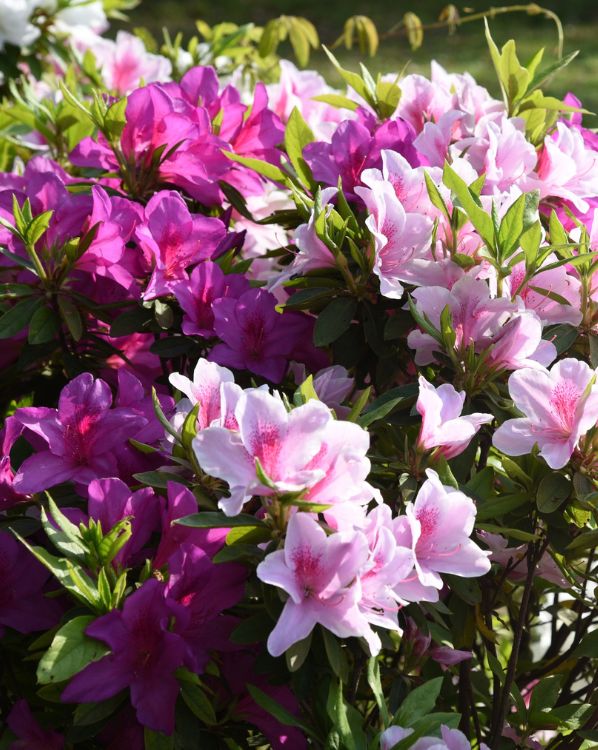
Azalea and many types of rhododendron follow this pattern as well. Their buds form well before winter, quietly waiting through the cold months. Spring pruning cuts away that careful preparation.
Even some varieties of weigela and viburnum rely on old wood for their early-season blooms.
If you are unsure whether a shrub blooms on old or new wood, pay attention to when it flowers. Shrubs that bloom in early spring usually rely on growth from the previous year. Those that bloom later in summer often produce flowers on new growth.
Instead of cutting these shrubs back in early spring, wait until just after they finish flowering. At that point, you can shape the plant and remove unwanted branches without sacrificing next year’s show.
Patience protects your blooms and keeps your shrubs performing beautifully year after year.
Perennials That Protect Themselves Through Winter
Not all plants that look messy in early spring are ready to be cut down. Some perennials rely on their old stems and dried foliage to survive winter.
What appears brown and lifeless may have acted as insulation during cold months, shielding the crown from freezing temperatures. Cutting these plants back too early can expose tender new growth to late frosts and sudden weather swings.
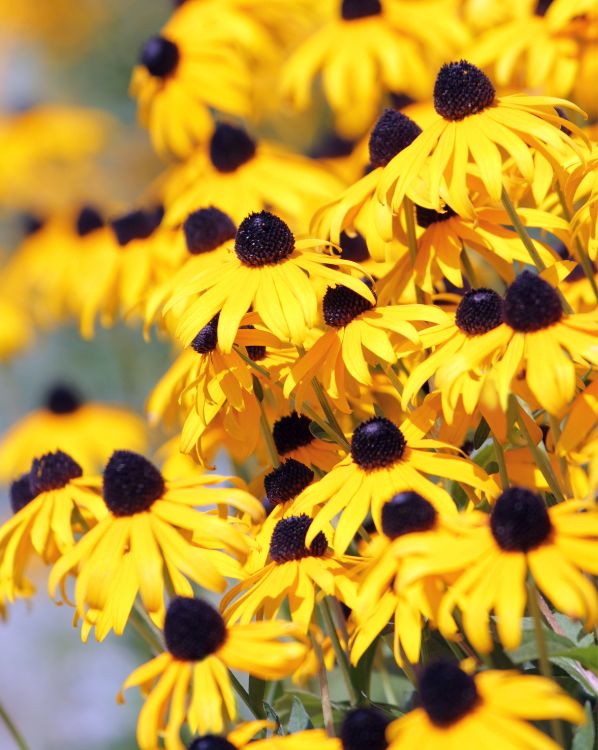
Many popular garden perennials fall into this group. Coneflower holds its sturdy seed heads through winter, protecting the plant below and providing food for birds.
Black-eyed Susan does the same, offering structure and habitat long after its blooms have faded.
Sedum, especially upright varieties, keeps thick stems standing through winter, helping guard the crown from excess moisture and cold.
Ornamental grasses such as feather reed grass and switchgrass also benefit from being left in place until steady warmth returns. Their dried blades trap insulating air and protect the plant’s base.
Even lavender should not be cut back heavily in early spring, since pruning into woody stems too soon can weaken or damage the plant.
Waiting until you see consistent new growth at the base is the safest approach. Once temperatures are reliably mild and green shoots are clearly emerging, you can trim away old stems without risking damage.
Leaving these perennials standing a little longer not only protects them but also adds winter interest and supports wildlife. Patience in early spring often leads to stronger, healthier plants as the season unfolds.
Spring Flowering Bulbs That Need Their Leaves
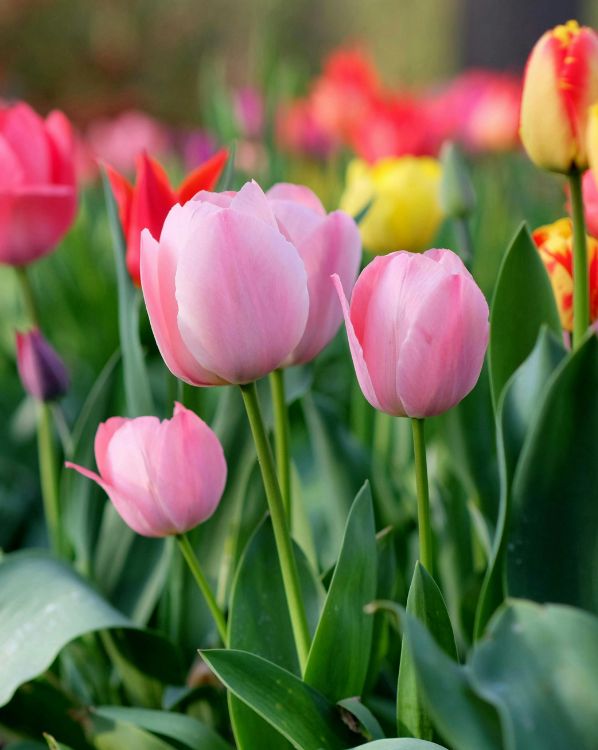
It is tempting to tidy up spring bulbs as soon as their flowers fade. Once the bright blooms of daffodils, tulips, and hyacinths begin to droop, the leaves can look floppy and untidy.
Many gardeners feel the urge to cut away that foliage right away, especially when trying to keep beds neat and organized.
However, removing those leaves too soon can weaken the plant and reduce next year’s flowers. Spring flowering bulbs rely on their foliage to gather energy through photosynthesis.
Even after the blooms fade, the leaves continue working hard beneath the surface. They send nutrients back down into the bulb, storing the strength needed for next season’s display.
If you cut or braid the leaves while they are still green, you interrupt that process. The result may be fewer blooms, smaller flowers, or even a bulb that fails to return. The key is patience.
Allow the foliage to remain in place until it turns yellow and begins to die back naturally. This signals that the bulb has finished storing energy.
You can improve the appearance of fading leaves by planting bulbs among perennials such as hosta or daylily. As these companion plants grow, their expanding foliage helps hide the bulbs’ declining leaves.
Resisting the urge to cut back spring bulbs takes discipline, but the reward is worth it. Healthy bulbs produce stronger, brighter flowers year after year, turning early spring into a season you look forward to.
Evergreen Plants That Rarely Need Hard Pruning
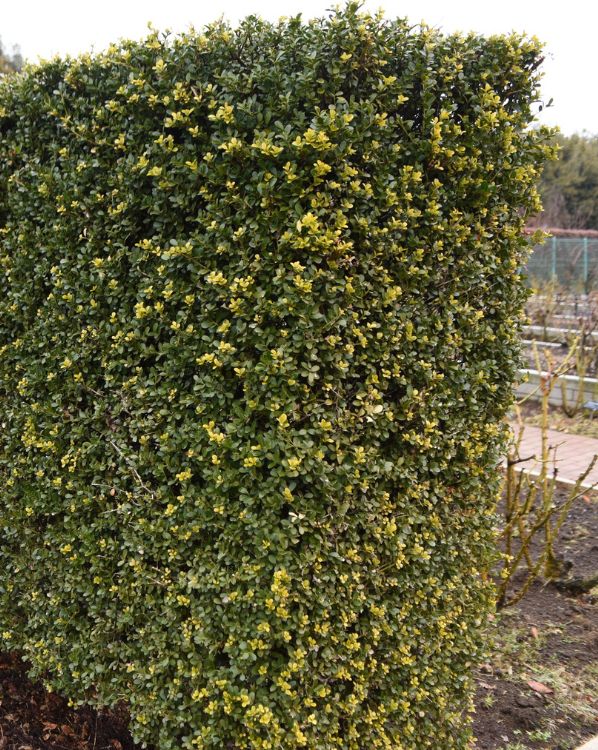
Evergreen plants bring steady color and structure to the garden year-round. When spring arrives, it can be tempting to shape them aggressively to freshen things up.
But most evergreen shrubs and trees do not respond well to heavy spring pruning. In many cases, cutting too much can leave permanent gaps or slow recovery.
Plants such as boxwood, holly, and juniper maintain their shape naturally. While they may benefit from light trimming to remove winter damage, they rarely need to be cut back hard.
Removing large sections in early spring can expose inner branches that may not produce new growth. Once bare wood is revealed on certain evergreens, it may stay bare.
Broadleaf evergreens like rhododendron and mountain laurel also require a careful touch. These plants often set flower buds well before winter, and cutting in spring can remove the upcoming display. Instead of reshaping the entire plant, focus only on damaged or crossing branches.
Needled evergreens such as spruce and pine are especially sensitive to severe pruning. Cutting back into old wood where no green needles remain may prevent regrowth entirely. If shaping is necessary, it should be done gradually and thoughtfully.
The safest approach in spring is simple. Remove winter burn, broken branches, and any clearly dead material. Leave the rest alone unless there is a strong reason to prune.
Evergreen plants are designed to hold their structure through every season. With a light touch and a bit of restraint, they will continue to anchor your garden beautifully year after year.
Plants That Provide Early Habitat and Garden Support
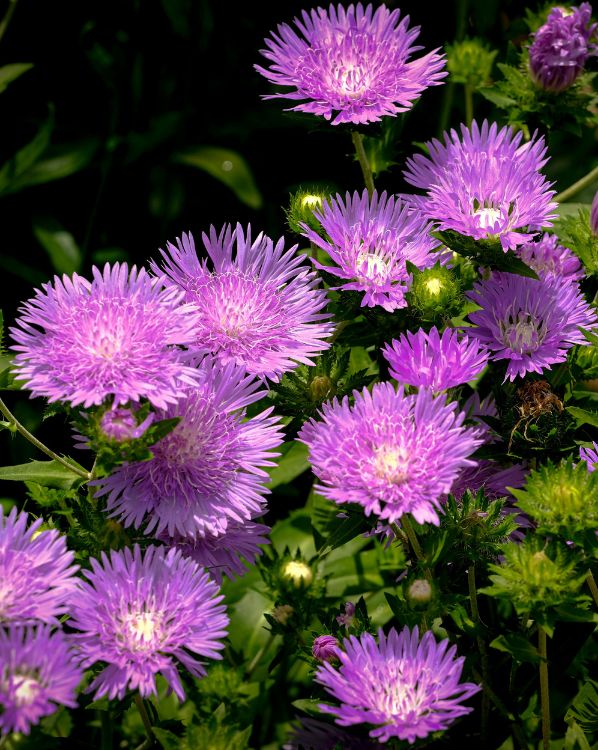
Not every plant should be rushed into a spring cleanup. Some play an important role in supporting wildlife and strengthening your garden’s ecosystem.
Cutting them back too early removes shelter, food sources, and protection that many small creatures rely on during the transition from winter to spring.
Plants such as milkweed, bee balm, and aster often have hollow or sturdy stems that hold through winter. These stems can provide nesting spaces for native bees and other beneficial insects.
If you cut everything down on the first warm day, you may unknowingly remove developing pollinators that are still sheltered inside. Waiting until temperatures are consistently warm allows time for insects to emerge safely.
Seed heads from plants like coneflower and sunflower also serve an important purpose. During late winter and early spring, birds depend on these natural food sources. Leaving them standing a little longer supports wildlife at a time when food can still be scarce.
Even leaf litter around plants can provide cover for helpful insects and small creatures that contribute to a healthy garden. A gradual cleanup, rather than a sudden clear out, creates a smoother transition into the growing season.
By giving these plants extra time before cutting them back, you allow your garden to function as more than just a display. It becomes a living habitat that supports birds, pollinators, and beneficial insects.
Thoughtful timing not only protects your plants but also strengthens the natural balance that keeps your garden thriving year after year.
Final Thoughts
Spring pruning can feel productive and satisfying, but timing truly matters. Cutting the wrong plant at the wrong moment can cost you a season of flowers, weaken healthy growth, or remove valuable shelter for wildlife.
By learning which shrubs bloom on old wood, which perennials protect themselves through winter, and which bulbs and evergreens need patience, you avoid common mistakes that many gardeners make. Sometimes the best action in spring is restraint.
Take a moment to observe before you prune. Notice where buds are forming and where new growth is just beginning.
When you work with your plants instead of against their natural cycles, your garden rewards you with stronger growth, brighter blooms, and a healthier balance throughout the season.