
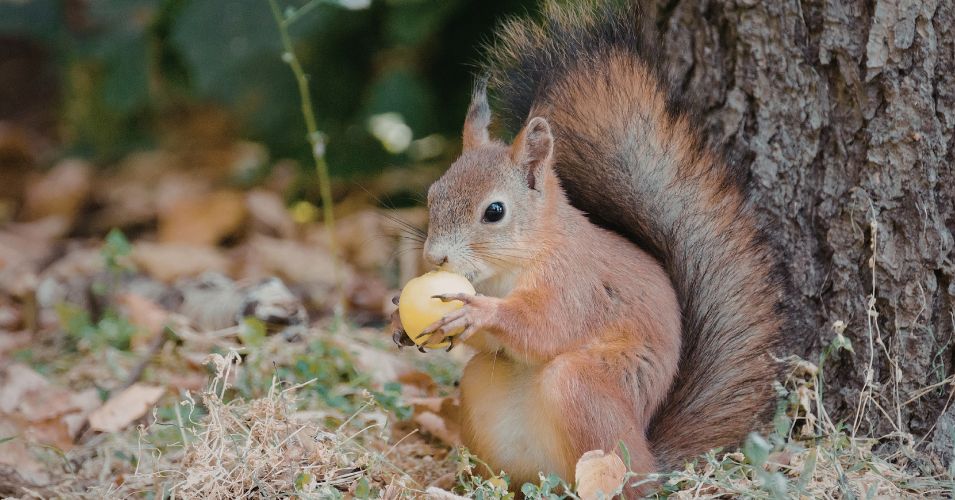
Squirrels are clever, curious, and endlessly persistent. For many homeowners, their presence quickly shifts from entertaining to frustrating once gardens are dug up or attics become targets.
What often goes unnoticed is how easily common plants and trees draw in squirrels.
This article explores the plants squirrels are most likely to seek out and explains why planting them can increase squirrel presence around homes and yards.
Why Squirrels Are Attracted to Certain Plants
Squirrels may look playful and impulsive, but their behavior is highly intentional. Their movement is shaped by where food is available and where they can remain protected. Certain plants communicate all three at once, which is why squirrel activity often increases soon after specific vegetation is introduced.
Easy access to food is what most strongly influences squirrel behavior. Squirrels need high-energy nutrition to support their constant movement and to prepare for colder seasons. Plants that produce nuts, seeds, buds, or fruit are especially appealing. When these food sources are easy to access, squirrels quickly learn where to return.
Accessibility plays a significant role. Plants that drop food directly onto the ground make feeding efficient. Squirrels prefer locations where they can gather food quickly and retreat to safety. Low-hanging branches, open seed heads, and exposed roots all make a plant more attractive.
Scent and familiarity also influence behavior. Squirrels rely on memory and habit, often revisiting locations where they have successfully found food before. Once a squirrel identifies a yard as productive, it may return daily and bring others along.
Seasonal needs intensify attraction. In late summer and fall, squirrels focus on plants that help them build food stores. In spring, they seek tender buds and young growth. Landscapes that offer food across multiple seasons tend to experience repeated squirrel activity rather than brief visits.
Shelter nearby increases the appeal even more. Plants located near trees, fences, or structures allow squirrels to feed while remaining alert to danger. This sense of safety encourages longer stays and repeated use of the area.
Understanding why squirrels are drawn to certain plants explains why some yards experience constant digging, chewing, and damage. Awareness makes it easier to identify which plant choices may be contributing to the problem and which changes could help reduce unwanted squirrel visits.
Trees That Provide Food and Shelter for Squirrels
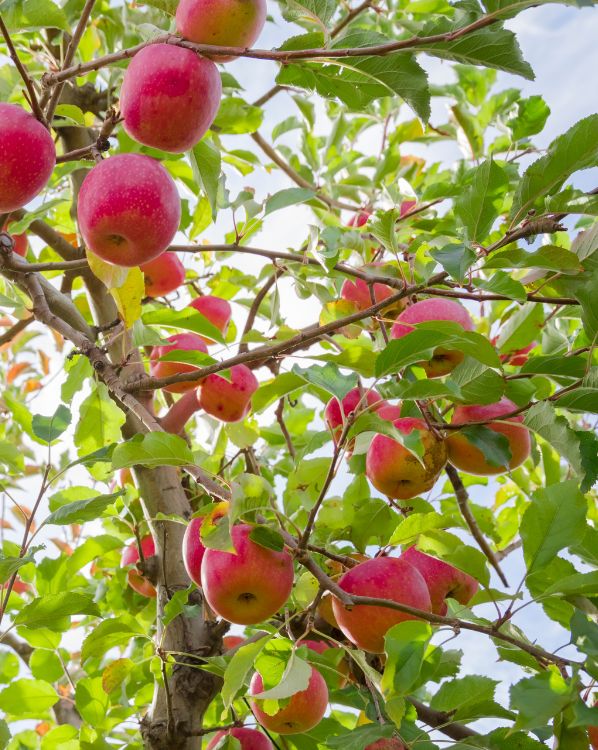
Trees are one of the most powerful attractants for squirrels. They offer food, nesting locations, and escape routes all in one place. While trees are often planted for shade or beauty, particular species unintentionally create ideal conditions for squirrel activity.
Oak trees are a major example. Acorns are a staple food for squirrels and are actively collected and stored. When acorns are abundant, squirrels may spend months feeding and caching food in the same area. A single mature oak can support multiple squirrels throughout the year.
Walnut and hickory trees also draw heavy attention. Their nuts are rich in fats and calories, making them highly valuable food sources. Squirrels will repeatedly visit these trees and often bury nuts nearby, increasing digging activity across lawns and gardens.
Maple trees contribute differently. While they do not produce nuts, squirrels feed on buds, seeds, and sap. The dense branching structure also provides excellent shelter and travel paths, allowing squirrels to move safely above ground.
Fruit trees such as apple and pear trees can increase squirrel presence as well. Fallen fruit provides easy meals, while branches offer cover. Once squirrels associate these trees with food, they often expand their activity to nearby plants.
Beyond food, trees provide nesting sites. Squirrels build nests in tree canopies and use trunks as quick escape routes. Trees near homes or gardens make it easier for squirrels to move between feeding areas and shelter.
Because trees support squirrels in multiple ways, they often anchor long-term activity. Homeowners trying to reduce squirrel problems should be mindful of which tree species they plant and how those trees connect to the rest of the landscape.
Nut and Seed Plants Squirrels Rarely Ignore
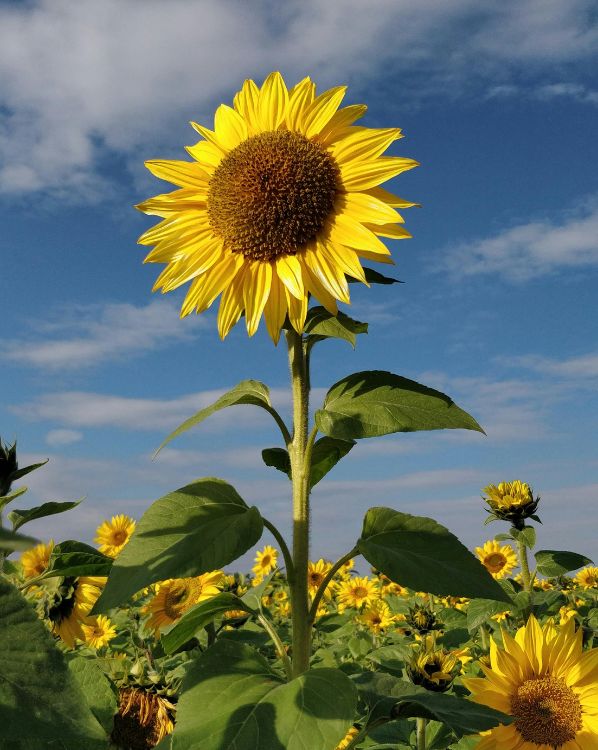
Nut and seed-producing plants are among the strongest squirrel attractants found in residential landscapes. These plants offer dense energy sources that squirrels rely on for daily activity and seasonal food storage. After a dependable food source is discovered, squirrels often build it into their daily routines.
Sunflowers are one of the most noticeable examples. Their large seed heads are easy for squirrels to access and provide a high-calorie reward. Squirrels often climb the stalks, chew through flower heads, or wait for seeds to drop to the ground. Even a small patch can increase squirrel traffic.
Hazelnut shrubs also attract heavy attention. The nuts are rich in fats and easy for squirrels to carry and bury. This behavior often leads to increased digging throughout lawns and garden beds near the shrubs as squirrels create food caches.
Peanut plants, where they are grown, create similar issues. Because peanuts develop underground, squirrels dig aggressively once they learn the plants are present. This digging can damage surrounding plants and disturb soil structure.
Seed-producing grasses and ornamental plants also contribute to attraction. Plants like millet, sorghum, and ornamental grasses with visible seed heads provide constant foraging opportunities. Squirrels frequently visit these plants as seeds mature and fall.
Bird-focused plantings can also increase squirrel activity. Plants grown to attract birds often drop their seeds on the ground. Squirrels quickly take advantage of this easy food source and may begin frequent visits to the area.
Because nut and seed plants meet such critical dietary needs, they are difficult for squirrels to ignore. Homeowners who want to limit squirrel activity should be cautious when planting these species or consider alternatives that do not produce seeds or nuts that are readily accessible to squirrels.
Garden Plants That Invite Squirrel Activity
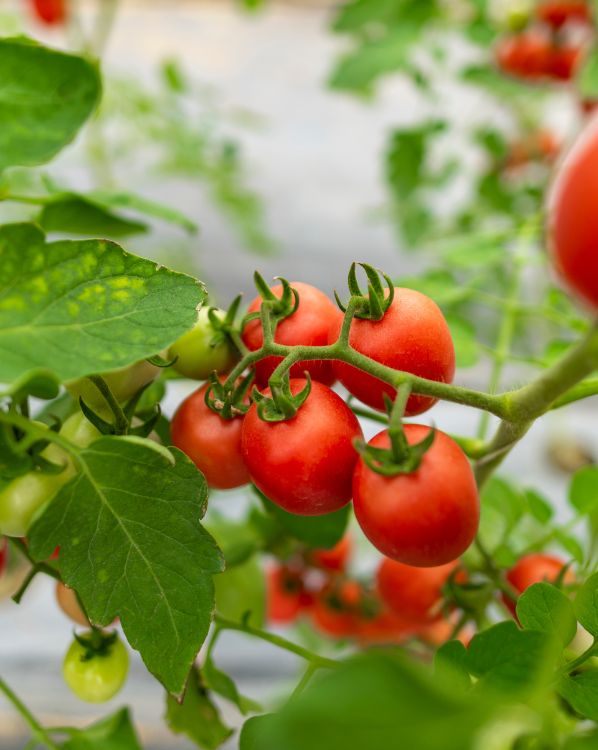
Many common garden plants unintentionally invite squirrel activity, especially digging and repeated visits. Even when squirrels are not eating the plants themselves, the environment created by certain gardens can make them appealing places to forage and explore.
Bulbs are among the most common triggers of digging behavior. Tulips, crocuses, and similar plants attract squirrels because the bulbs resemble buried food. Freshly disturbed soil makes gardens especially tempting, often leading to repeated digging in the same spots.
Vegetable gardens are another frequent target. Squirrels are drawn to soft soil, moisture, and developing produce. Tomatoes, squash, and corn are commonly disturbed as squirrels sample fruits or search for water during dry periods.
Mulched beds increase activity as well. Loose mulch allows squirrels to dig easily and bury food. Once squirrels begin using a bed for caching, they often return even when food is no longer present.
Plants with tender new growth also invite attention. Young shoots and leaves are easier to chew and may be sampled repeatedly. This damage often appears suddenly once squirrels establish a routine.
Garden placement plays a major role. Beds located near trees, fences, or sheds give squirrels quick escape routes. Feeling safe allows them to spend more time digging and exploring.
Water access increases attraction even further. Irrigated gardens provide hydration along with food opportunities. Together, these conditions can turn a garden into a reliable stop for squirrels unless steps are taken to reduce accessibility and disturbance.
How Landscaping Choices Can Discourage Squirrels
When squirrels become a recurring problem, small design decisions often have a bigger impact on squirrel activity than homeowners realize. Many yards attract squirrels not because of location, but because plant selection and layout make food and shelter easy to access. Adjusting these elements can significantly reduce squirrel activity over time.
Reducing the availability of easy food is one of the most effective ways to discourage squirrels. Plants that produce exposed nuts, seeds, or fruit give squirrels a reliable reason to visit. Avoiding these species or reducing their presence removes the main incentive for squirrels to remain in an area. When food becomes harder to find, squirrels are more likely to move elsewhere.
Where plants are located can be just as important as what is planted. Gardens located close to trees, fences, or buildings provide squirrels with quick escape routes. This sense of safety encourages longer visits. Placing vulnerable plants farther from cover increases exposure and makes squirrels more cautious, which can discourage repeated activity.
Soil conditions influence behavior as well. Loose soil and fresh mulch invite digging because squirrels use these areas to bury and retrieve food. Using heavier ground covers, compacted soil, or decorative stone can make digging less appealing without sacrificing appearance.
Maintenance habits can unintentionally increase attraction. Frequent watering and heavy fertilization produce lush growth that squirrels notice quickly. Keeping growth healthy but moderate helps reduce interest while maintaining plant health.
Tree and shrub pruning plays an important role. Overhanging branches act as travel routes that allow squirrels to move easily between feeding areas and structures. Removing these connections makes movement more difficult and reduces access to gardens and roofs.
Discouraging squirrels does not require eliminating greenery. Thoughtful landscaping choices can create a space that is less inviting to squirrels while remaining functional and attractive for homeowners.
Final Thoughts
Squirrel problems often begin with simple landscaping choices that go unnoticed. Many common plants and garden features provide easy food and shelter, encouraging squirrels to settle in.
Understanding which plants attract squirrels and how layout influences their behavior enables homeowners to make informed decisions. By adjusting plant selection, placement, and maintenance, it is possible to reduce unwanted squirrel activity.
A balanced approach lets you enjoy your landscape without turning it into a reliable stopover for persistent wildlife.