
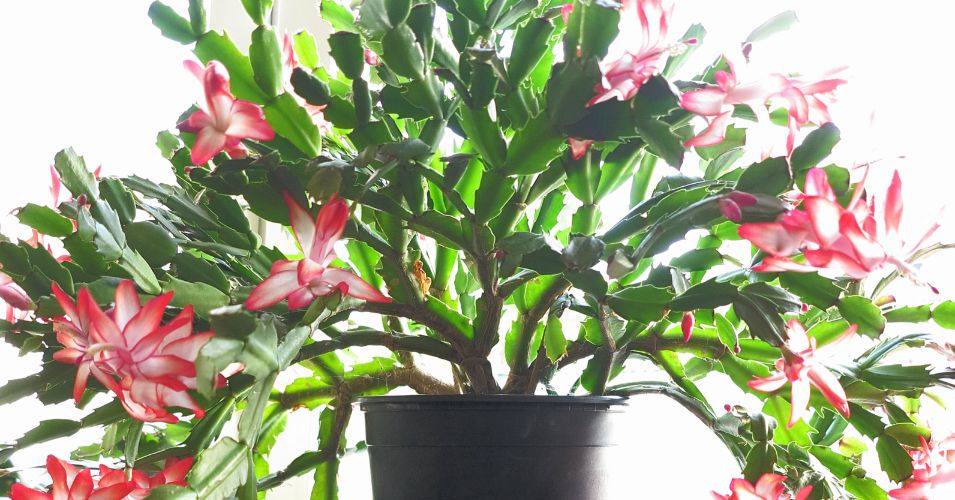
There is something magical about a Christmas cactus covered in bright, delicate blooms just as the winter holidays arrive. Its flowers can bring color to the darkest season, lighting up windowsills and tabletops when little else is in bloom.
Yet many people find their Christmas cactus stubbornly green and silent, refusing to flower no matter how much attention it gets.
The secret to triggering those dazzling blossoms lies in timing, temperature, and light. With the right care, you can coax your plant into bursting with color right in time for the holidays.
Understand What Makes a Christmas Cactus Unique
The Christmas cactus is not your typical desert cactus. While most cacti grow in dry, sunbaked soil under scorching light, this plant hails from the tropical rainforests of Brazil, where it grows high in the trees.
Instead of hot sun and sand, it thrives in filtered light, moderate moisture, and cool nighttime temperatures. Knowing this difference is the first step to helping it bloom beautifully for the holidays.
Unlike desert cacti, which have thick, spiny bodies, the Christmas cactus has smooth, flat stems composed of segments that grow in cascading chains. These segments store moisture but also breathe, meaning they can suffer if the environment is too dry or too bright.
They prefer conditions closer to those of orchids, with a bit of humidity and gentle light. This is why many Christmas cacti struggle to bloom when kept in a hot, sunny window. They need more subtle conditions that mimic their natural home.
The Christmas cactus also follows a unique blooming rhythm. Its flowering depends on both light and temperature, not just age or size. The plant forms buds when it experiences cooler nights and shorter daylight hours, typically in late fall.
This built-in seasonal rhythm helps it bloom around December, just in time for Christmas. To make this happen indoors, you must guide the plant through a cycle that resembles the natural shift of tropical seasons.
Another detail that makes the Christmas cactus special is its long lifespan. When properly cared for, these plants can live for decades and even be passed down through generations. Some families grow the same cactus that once bloomed in their grandparents’ homes. This longevity adds emotional value to the plant, making its yearly blossoms even more meaningful.
Understanding its background helps you appreciate why the Christmas cactus behaves differently from other houseplants. It thrives in gentle conditions, prefers cool nights, and rewards those who respect its rhythm with brilliant, trumpet-shaped blooms that cascade in shades of pink, red, white, or purple. By seeing it as a rainforest guest rather than a desert survivor, you set the stage for healthy growth and a show-stopping holiday display.
Creating the Right Light and Temperature Balance
To get your Christmas cactus to bloom on schedule, the right combination of light and temperature is key. This plant is what gardeners call a “short-day” bloomer, meaning it produces flowers when daylight hours shorten and nights grow longer. Mimicking that natural cue indoors is the secret to triggering its blooms in time for the holidays.
During the fall, your Christmas cactus needs at least six weeks of cooler nights and more extended periods of darkness to start forming buds. Ideally, it should experience about 12 to 14 hours of uninterrupted darkness each night.
Even a brief flash of artificial light during this period can confuse the plant and delay blooming. To achieve this, many gardeners move their cacti to a quiet room that stays dark in the evenings or cover it lightly with a box for part of the night.
Daytime light still matters, but it should be bright and indirect. Too much direct sunlight can scorch the leaves, while too little light slows the plant’s metabolism.
A north- or east-facing window is often ideal, letting in gentle morning light without the intensity of the afternoon sun. If your plant spends summer outdoors, bring it inside before nighttime temperatures drop below 50 degrees Fahrenheit to avoid shock.
Temperature also plays an essential role in bloom development. Christmas cacti prefer cooler nights, ideally around 55 to 65 degrees Fahrenheit. This drop in temperature tells the plant that the seasons are changing, which helps trigger bud formation. Avoid placing your cactus near heaters or vents, as sudden temperature shifts can stress it and cause buds to fall off before opening.
Consistency is essential during this phase. Try to maintain a steady pattern of light and temperature every day. Even a few nights of disrupted darkness or warm drafts can interfere with blooming.
By controlling light exposure and keeping nighttime temperatures cool, you are recreating the gentle seasonal cues the Christmas cactus experiences in its natural habitat. Once you get the balance right, the plant will respond by forming clusters of buds that open gradually, filling your space with bright, cheerful flowers just when winter feels its darkest.
Adjusting Water and Feeding Habits Before Bloom Time
As your Christmas cactus approaches its blooming season, its needs change. Water and feeding become crucial parts of helping the plant shift from simple green growth to colorful blossoms. The balance is delicate, but once mastered, it turns an ordinary plant into a spectacular holiday centerpiece.
The first rule of watering a Christmas cactus is consistency without overdoing it. This plant loves moisture but hates standing in water. Its tropical roots mean it prefers humidity and evenly moist soil rather than the dry conditions of desert cacti.
Overwatering, however, can quickly lead to root rot. To strike the right balance, wait until the top inch of soil feels slightly dry before watering again. Pour water slowly until it drains from the bottom, and never leave the pot sitting in water.
During the months leading up to bloom time, usually late summer through early fall, slightly reduce watering to signal the plant that a seasonal change is coming. This small stress, paired with cooler nights, encourages the cactus to begin preparing buds. Once buds appear, resume regular watering to support flower development.
Feeding habits are just as important. During the active growing season in spring and early summer, your Christmas cactus benefits from a monthly feeding of balanced, water-soluble fertilizer.
As autumn arrives and daylight shortens, taper off feeding completely. The plant needs a rest period before it can bloom again. Overfertilizing during this time may encourage green growth rather than flowers.
When buds begin to form, a gentle boost of phosphorus-rich fertilizer can help strengthen the blooms. Look for formulas labeled as promoting flowering. Apply lightly every two to three weeks, but stop again once the flowers open. This ensures the plant directs its energy to the blossoms rather than pushing out new leaves.
Humidity also plays a supporting role. Christmas cacti appreciate moist air, so consider placing a shallow tray of water with pebbles near the plant or using a small humidifier. The additional moisture in the air prevents buds from drying out or dropping prematurely.
Proper watering and feeding create the foundation for a strong blooming cycle. When managed carefully, they work together to keep your plant hydrated and nourished, ready to produce its dazzling flowers right on schedule.
How to Encourage Bud Formation and Keep Them Intact
Bud formation is the most exciting stage of growing a Christmas cactus. It’s the moment when months of careful care begin to show results. Yet, this phase is also when the plant is most sensitive.
One wrong move can cause buds to drop before they ever bloom. Learning how to encourage and protect those buds is the key to a successful flowering season.
To encourage bud formation, your cactus needs a combination of shorter days, cooler nights, and a bit of restraint with watering. For about 6 weeks before the holidays, the plant should experience 12 to 14 hours of complete darkness each night.
This uninterrupted darkness signals to the plant that the days are shortening and it is time to prepare flowers. You can achieve this by moving the plant to a room that stays dark in the evenings or by covering it with a light cloth or box during nighttime hours.
Nighttime temperatures are just as important. Keep your cactus in a space that cools to about 55 to 65 degrees Fahrenheit after sunset. The difference between daytime and nighttime temperatures mimics what it would experience in its natural habitat, triggering the internal clock that begins bud development.
Once buds appear, stability becomes your main goal. Avoid moving the plant to a new location or changing its lighting conditions. Even a short exposure to drafts, heat vents, or sudden temperature changes can cause buds to fall off. This is often the reason a healthy-looking plant suddenly loses its flowers before they open.
Continue watering consistently, but never overdo it. Dry soil can stress the plant and cause it to drop buds, while soggy soil can suffocate the roots. Keep humidity levels steady and avoid misting the buds directly, as moisture on them can cause rot.
Rotating the plant gently once a week can help it grow evenly and keep buds forming on all sides, but stop once flowers begin to open. The weight of the blossoms makes the stems more fragile, and too much movement can cause breakage.
By maintaining stable conditions and treating your Christmas cactus gently during this delicate stage, you can enjoy a brilliant burst of blooms that last well through the holiday season. Each blossom is a reward for your patience, care, and understanding of the plant’s natural rhythm.
Common Mistakes That Prevent Your Christmas Cactus from Blooming
Few things are more frustrating for a plant lover than waiting patiently for their Christmas cactus to bloom, only to see nothing but green leaves when the holidays arrive. If your cactus refuses to flower, it is likely because of a few simple care mistakes that are easy to fix once you understand how this plant works.
The first and most common mistake is giving your Christmas cactus too much light at the wrong time of year. Unlike most flowering plants, it does not bloom under long days and bright sunlight. It needs shorter days and longer nights to trigger its buds.
If your cactus sits in a room with artificial lights on after sunset, it may never realize the days are shortening. Moving it to a darker room or ensuring it gets at least 12 hours of darkness every night in the fall will help restart its natural cycle.
Another mistake is keeping it at too warm a temperature. A Christmas cactus needs cooler nights to form buds. When kept near heaters or sunny windows where the temperature remains constant, it cannot sense seasonal changes. Relocating the plant to a slightly cooler area, such as a porch or spare room, can often make all the difference in getting blooms to appear.
Overwatering is another issue that often prevents flowering. Constantly soggy soil can lead to root problems and stress the plant, causing it to focus on survival rather than bloom production.
On the other hand, letting it dry out completely will also cause buds to drop. The key is balance: water only when the top inch of soil is dry and empty any water that collects in the saucer.
Fertilizing at the wrong time can also interfere with blooming. Feeding too close to the fall season may encourage leafy growth instead of flower buds. Always stop feeding about two months before you expect buds to appear, giving the plant time to rest and prepare.
Finally, moving the plant too often once buds have formed can lead to disappointment. The Christmas cactus is sensitive to sudden changes in light direction and temperature. Once you see buds, keep the plant in one stable location until flowering is complete.
By correcting these common mistakes, your Christmas cactus will be able to follow its natural rhythm once again. With just a little patience and consistent care, you can enjoy a burst of vivid blooms right when your home needs color the most.
Final Thoughts
A Christmas cactus in full bloom brings warmth and color to the heart of winter. Its flowers are a reminder that even in the coldest months, life can thrive when nurtured with care and understanding.
When you take the time to learn your plant’s natural rhythm, give it the right balance of light, temperature, and attention, it rewards you with blossoms that feel almost magical.
With a bit of consistency and patience, your Christmas cactus can bloom faithfully each holiday season, becoming a beautiful tradition in your home for years to come.