
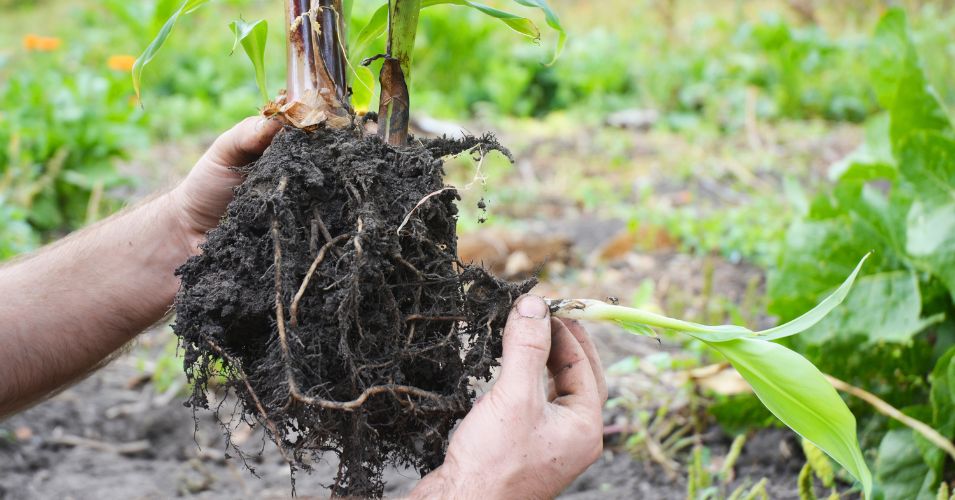
Summer is usually a time to enjoy colorful blooms, fresh harvests, and a garden at its peak. However, it can also be a practical time to relocate certain plants.
Whether a flower bed has become overcrowded or a plant is struggling in its current spot, a well-timed move can make a big difference. Many perennials, herbs, shrubs, and even some vegetables are more adaptable than they seem.
Here are some plants to transplant in summer, along with a few tips to help them settle into their new home.
Why Some Perennials Thrive After a Summer Move
Summer is not usually the first season people associate with transplanting, but some perennials are surprisingly unfazed by a change of location.
In fact, moving established plants can solve common problems such as overcrowded beds, poor airflow, or declining blooms. When the roots stay intact and moisture levels remain consistent, several perennials can settle into a new spot without missing a beat.
Daylilies are among the easiest perennials to relocate. Over time, these reliable bloomers form large clumps that can become crowded and less productive. If flowering starts to decline or the bed begins to look packed, a summer move can breathe new life into the plant.
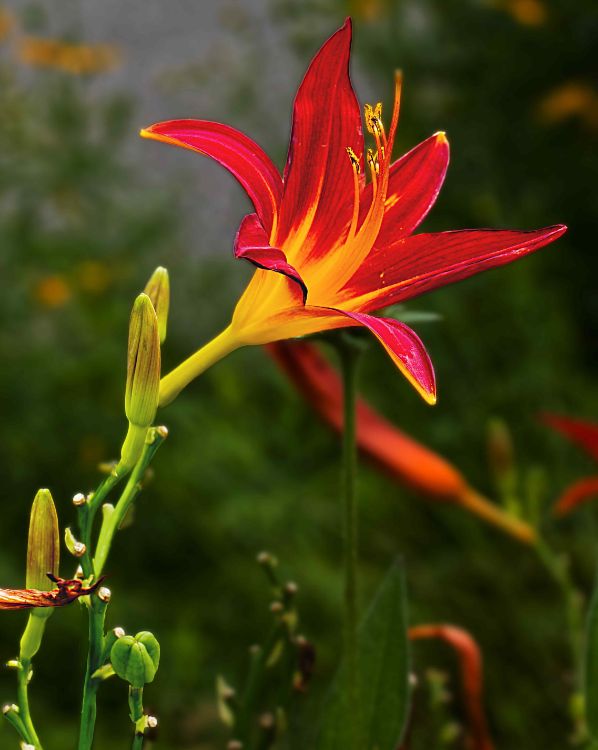
Dividing the clump creates extra space and often leads to stronger growth in the following months. As long as the roots stay moist during the process, daylilies usually recover quickly and continue their colorful display.
Another plant that rarely puts up much resistance is yarrow. Known for its feathery foliage and clusters of long-lasting flowers, yarrow is naturally tough and well suited to warm conditions.
Mature plants tend to spread over time, sometimes claiming more room than originally intended. A summer transplant offers an easy way to reshape planting areas while keeping the plant healthy. Once replanted and watered thoroughly, yarrow often settles in with very little fuss.
If pollinator-friendly plants are a priority, bee balm deserves a place on the list. This vibrant perennial spreads steadily and can easily outgrow its allotted space.
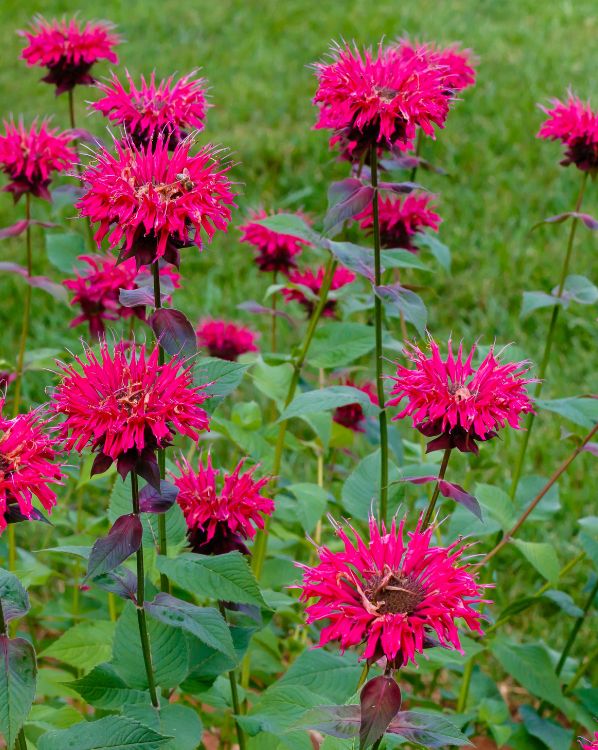
Moving a crowded clump not only creates a tidier appearance but also improves air circulation around the plant. Cutting back some of the top growth before transplanting helps reduce stress and allows the roots to focus on establishing themselves.
Given enough moisture during the first few weeks, bee balm usually rebounds and resumes attracting bees, butterflies, and hummingbirds.
Finding Better Conditions for Popular Herbs
Many herbs are tougher than they look. While some plants dislike having their roots disturbed, several popular culinary herbs adapt remarkably well to a summer move.
Whether the goal is to create more space, improve sun exposure, or bring order to an overgrown herb bed, these varieties are often up to the challenge.
Few herbs are as vigorous as mint. Left alone, it has a habit of spreading wherever it can find room. What starts as a small patch can quickly become a sprawling mass of stems and roots. Because of this aggressive growth, transplanting mint is often more about controlling it than saving it.
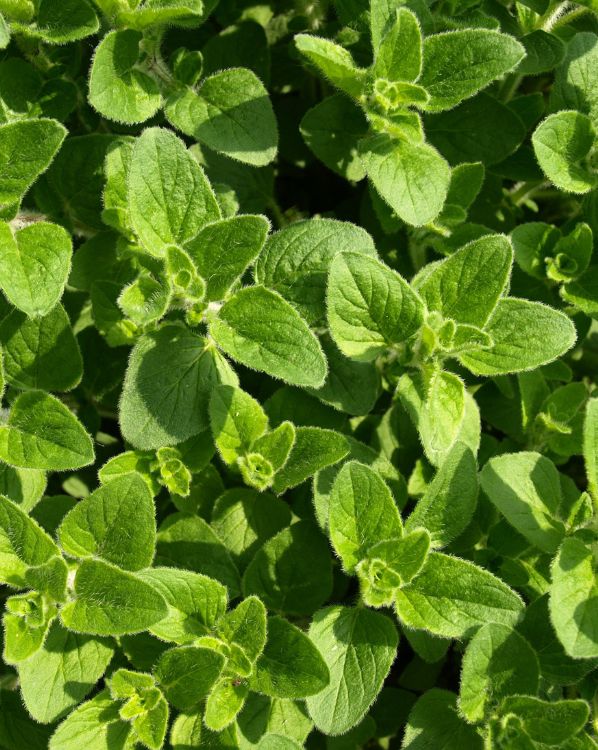
Moving it into a container or a designated area helps keep it in check while still providing plenty of fresh leaves for harvest. Thanks to its robust root system, mint rarely takes long to bounce back after the move.
Chives are another herb that benefits from occasional relocation. A neat clump can gradually become dense and crowded, leaving less room for fresh growth.
Dividing the plant during summer helps rejuvenate it and creates several smaller plants that can be used elsewhere in the garden. The newly transplanted sections establish quickly and soon begin producing fresh green shoots.
Their cheerful purple flowers are a bonus, attracting pollinators throughout the season.
For warm, sunny spots, oregano is hard to beat. This Mediterranean herb thrives in heat and generally handles transplanting with ease. As the plant matures, it tends to spread outward and compete with nearby herbs for valuable space.
A move to a more suitable location allows oregano to continue expanding without overwhelming its neighbors. Once the roots settle in, the plant requires very little attention and rewards the effort with a steady supply of fragrant foliage.
A Fresh Start for Established Shrubs
Shrubs are often viewed as long-term fixtures in the landscape, but that does not mean they have to stay in the same spot forever.
Sometimes a plant outgrows its location, struggles with too much sun, or looks out of place as the garden evolves. While cooler seasons are usually preferred for transplanting, a few dependable shrubs can handle a summer move when given the right care.
Among the most reliable choices is hydrangea. These flowering favorites are surprisingly adaptable despite their delicate appearance. If a hydrangea is wilting regularly, producing fewer blooms, or competing with nearby plants, relocating it can make a noticeable difference.
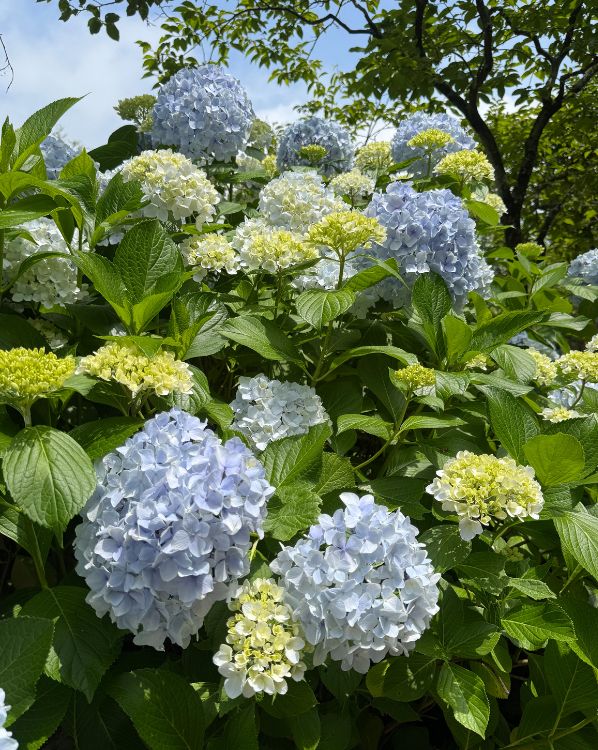
The key is to keep the root ball as intact as possible and ensure the plant receives plenty of water before and after the move. Reducing the number of blooms at transplant time can also help conserve energy.
Once the roots settle into their new surroundings, hydrangeas often return to their usual display of lush foliage and colorful flowers.
Spirea is another shrub that tends to handle relocation with minimal drama. Known for its reliability and low-maintenance nature, spirea can adapt to a wide range of growing conditions. This makes it a practical option when landscape adjustments become necessary during summer.
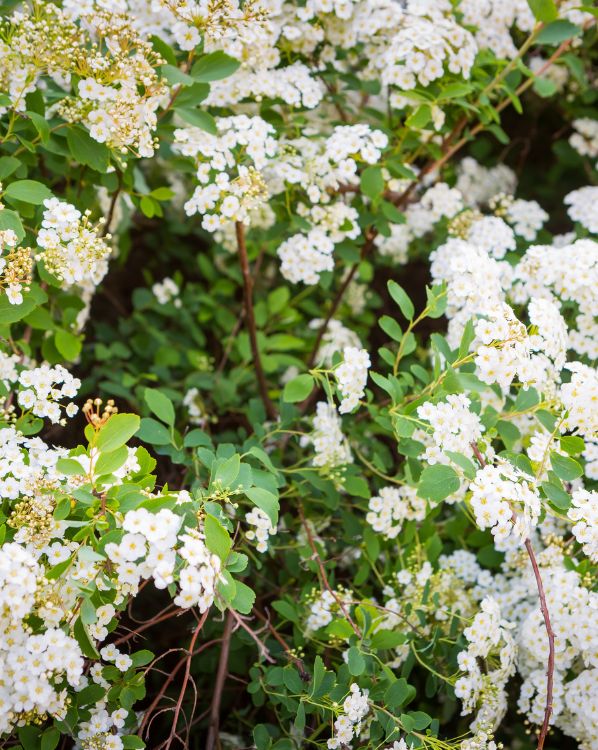
A larger root ball improves the chances of success, while a layer of mulch helps protect the roots from excessive heat. With regular watering during the first few weeks, spirea usually establishes itself quickly and continues growing as though it had always been there.
Giving Vegetables Access to Better Growing Conditions
Vegetable gardens do not always turn out exactly as planned. A plant that seemed perfectly placed in spring can end up crowded, shaded, or competing for resources by midsummer.
Fortunately, a handful of vegetables are more flexible than many people realize and can benefit from a change of location.
Tomatoes are perhaps the best example. Unlike many crops, they can produce roots along buried portions of their stems. This natural ability helps them recover from transplanting and often results in a stronger root system.
If a tomato plant is squeezed between larger crops or missing out on sunlight, moving it can improve both growth and fruit production. Planting it slightly deeper than before gives it an even better chance to thrive.
For warm-season gardens, peppers are another strong candidate. These plants need plenty of sunshine to produce their best harvest, so relocating them away from taller neighbors can be worthwhile.
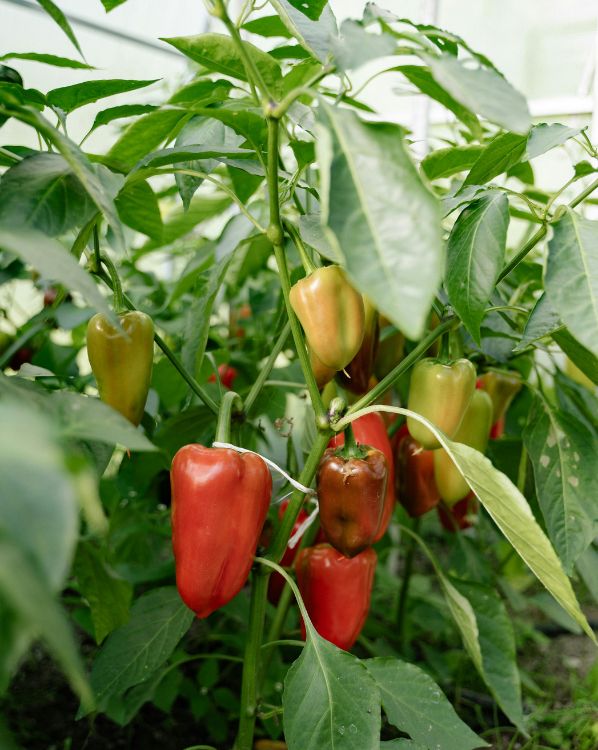
Careful digging and immediate watering help reduce stress after the move. A few days of protection from harsh afternoon sun can also make the transition much easier.
While it may not be the first vegetable that comes to mind, lettuce can also be moved successfully, particularly when the plants are still young. Crowded rows often lead to poor airflow and limited growth, so creating more space can benefit the entire crop.
Because lettuce roots are fairly shallow, the move should happen quickly, followed by thorough watering. With a little care, the plants can continue producing tender leaves with very little interruption.
Simple Steps for Successful Summer Transplanting
Even the toughest plants need a little help when they are moved during the hottest part of the year. Summer transplanting is rarely complicated, but success often depends on a handful of simple decisions made before the shovel ever touches the soil.
The first rule is to avoid the heat of the day. Early mornings and evenings provide cooler conditions that place less strain on both roots and foliage. A plant moved under intense afternoon sun must immediately cope with heat, moisture loss, and transplant shock all at once. Cooler hours make the adjustment much easier.
Water should also be part of the plan from the start. A thorough soak before digging helps hydrate the plant and keeps the root ball intact. Dry soil tends to crumble away, leaving roots exposed when they need protection most. Once the move is complete, another deep watering helps settle the soil and removes air pockets around the roots.
Preparation can save valuable time. Before lifting a plant, have the new planting hole ready and waiting. Roots begin to dry out as soon as they leave the ground, so a quick transfer often leads to a smoother recovery.
Whenever possible, dig wider rather than deeper. Preserving a large root ball gives the plant a stronger foundation after the move and allows it to access water more effectively. Cutting too close to the base can remove a significant portion of the root system and increase stress.
A layer of mulch can provide another advantage. It helps the soil retain moisture, keeps root temperatures more stable, and reduces competition from weeds. During a hot summer stretch, that extra protection can make a noticeable difference.
After the transplant, patience becomes important. A little wilting is normal and does not necessarily mean something has gone wrong. Keep an eye on soil moisture, provide extra water when needed, and allow the plant time to adjust. Many plants bounce back faster than expected when given the right conditions.
Final Thoughts
Summer may not be the traditional season for transplanting, but that does not mean it should be overlooked. Many plants are far more resilient than they appear and can handle a move when the process is done carefully.
From colorful perennials and productive herbs to established shrubs and select vegetables, there are plenty of options that can adapt to a new location during the growing season. In some cases, a summer move can even solve problems such as overcrowding, poor airflow, or limited sunlight.
The key is to work with the plant rather than against it. Choose the right time of day, protect the roots, and provide consistent moisture after transplanting.
A little extra effort upfront can pay off for months to come. The result is often a healthier, more attractive garden that continues to thrive long after the move is complete.