
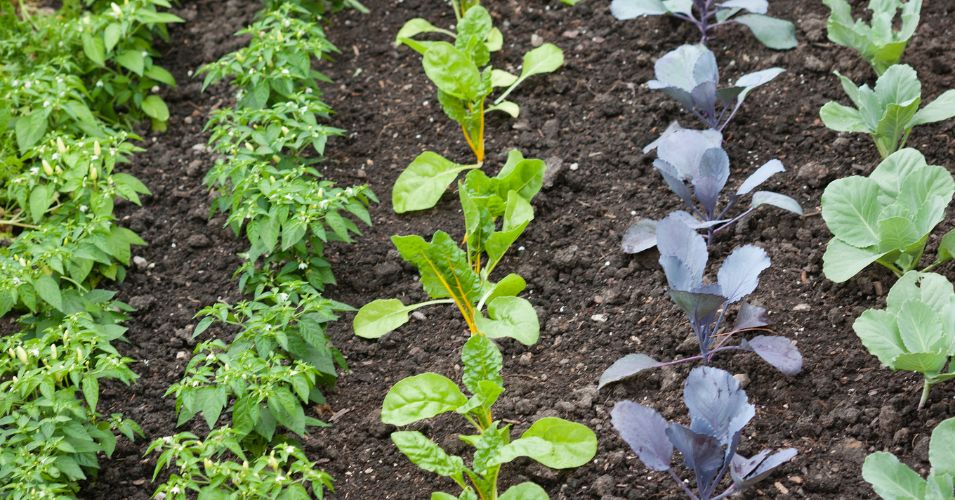
Spring is one of the most exciting times of the year for gardeners. The soil begins to warm, the days grow longer, and empty garden beds suddenly feel full of possibility.
Whether you have a large backyard or a few containers on a balcony, spring is the perfect season to grow vegetables that thrive in cooler temperatures and fresh spring rain. Some crops grow quickly and reward you within weeks, while others quietly develop into summer favorites.
Choosing the right vegetables early in the season can lead to healthier plants, bigger harvests, and a more enjoyable gardening experience from start to finish.
Cool Weather Favorites That Thrive Early
Some vegetables seem built for spring. While many plants struggle with chilly mornings and cool soil, others grow stronger because of it.
These early-season vegetables are often the first signs that gardening season has officially arrived. They handle light frost surprisingly well and usually produce better flavor when grown before the heat of summer appears.
Lettuce is one of the most rewarding spring vegetables you can grow. It sprouts quickly, grows fast, and comes in a wide variety of colors and textures that add color and texture to the garden.
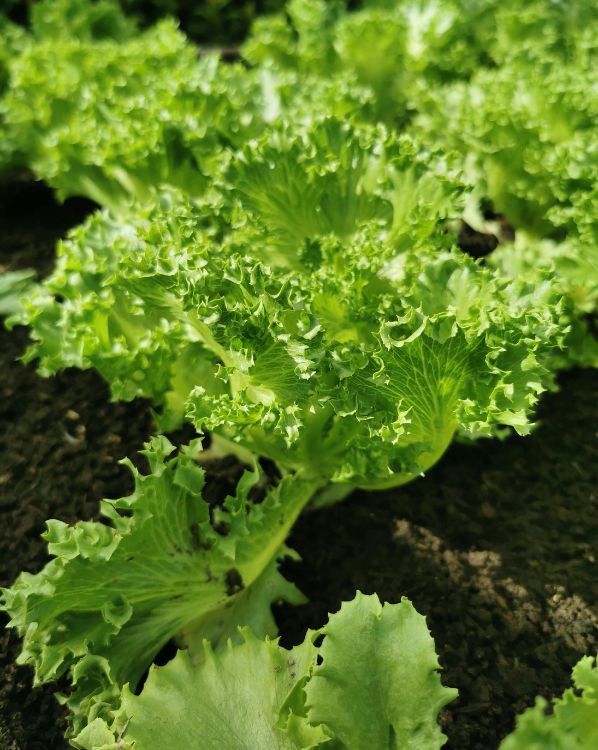
Loose-leaf types are especially popular because you can harvest a few leaves at a time instead of pulling the entire plant. Fresh spring lettuce tastes crisp and sweet, which makes store-bought lettuce feel bland by comparison.
Another beginner-friendly choice is kale. It grows well in cool spring weather and handles changing temperatures better than many leafy greens. Kale plants are hardy, productive, and continue growing even after repeated harvesting.
Beginners also appreciate how resilient kale can be, as it often continues to thrive even when conditions are less than ideal. Its rich green leaves add texture to garden beds while providing a steady supply of nutritious harvests throughout the season.
Peas also deserve a place in any spring garden. They love cool air and moist soil, making them perfect for planting early in the season.
Watching pea vines climb a simple trellis can make a garden feel alive almost overnight. Snap peas and snow peas are especially popular because they are easy to harvest and taste amazing straight from the vine.
These cool-weather vegetables do more than fill garden beds early in the year. They create momentum for the entire gardening season.
Once the first harvest arrives, excitement builds quickly, and the garden transforms into a place people want to visit every single day.
Fast-Growing Vegetables for Quick Harvests
One of the best parts of spring gardening is how quickly certain vegetables grow. After months of cold weather, gardeners want results they can actually see.
Fast-growing vegetables deliver that excitement by sprouting quickly and reaching harvest in a short amount of time. They turn empty soil into productive garden beds before summer even begins.
Radishes are often the first choice for gardeners who want fast results. A wide variety is ready in less than a month, making them one of the quickest vegetables you can grow.
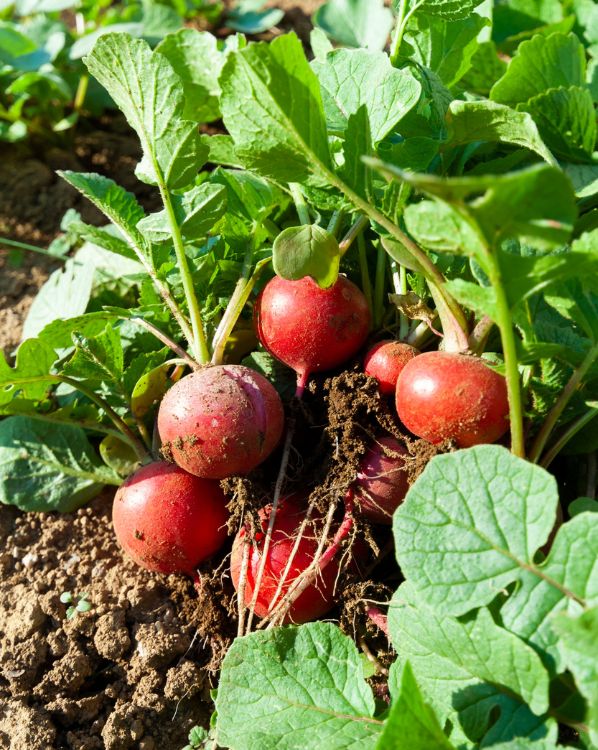
Their seeds sprout fast, and their bright roots develop rapidly in cool spring soil. Because they grow so quickly, gardeners can plant several rounds throughout the season for a steady harvest.
Green onions are another excellent option for impatient gardeners. They require very little space and grow well in raised beds, containers, or traditional gardens. Their mild flavor works in salads, soups, and countless everyday meals.
Even beginner gardeners usually find success with green onions because they are low-maintenance and adaptable.
Arugula is perfect for gardeners who enjoy leafy greens with a little extra flavor. Its peppery bite makes salads more exciting, and the leaves grow fast enough to harvest early and often.
Spring weather keeps arugula tender and flavorful, while hotter temperatures can make it overly strong. That makes spring the ideal season to grow it.
Another speedy grower is baby carrots. While full-sized carrots may take longer, smaller carrot varieties can mature surprisingly fast in loose spring soil. Watching the feathery tops grow taller each week adds visual interest to the garden, even before harvest time arrives.
Quick-growing vegetables do more than satisfy impatience. They also help gardeners learn faster. Mistakes become easier to fix when plants mature quickly, and each harvest builds confidence for the months ahead.
By planting a mix of fast-growing crops in spring, gardeners create an active and rewarding space that constantly changes with every passing week.
Spring Crops That Keep Producing for Months
Some spring vegetables offer quick rewards, while others continue giving long after the first harvest.
These dependable crops become the backbone of the garden because they keep producing through late spring and well into summer. Planting vegetables with a long harvest window helps gardeners enjoy fresh food for months instead of just a few short weeks.
Tomatoes are one of the most popular examples. Although many people connect them with summer, healthy tomato plants often begin their journey in spring. Once established, they continue producing steadily as temperatures rise.
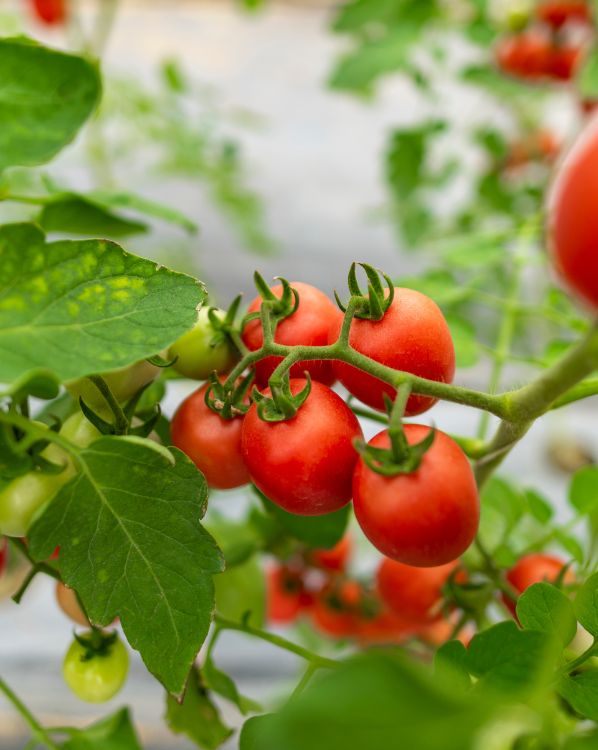
Cherry tomato varieties are especially generous and can provide handfuls of fruit almost daily during peak season. Fresh tomatoes from the garden taste sweeter, juicier, and far more flavorful than anything from a grocery store.
Zucchini is another vegetable famous for nonstop production. A single healthy plant can produce an impressive amount of squash throughout the season.
In fact, many gardeners eventually find themselves giving extra zucchini to neighbors and friends because the harvest becomes so large. Spring planting gives zucchini enough time to settle in before summer growth takes off.
Beans are reliable performers that reward regular harvesting. Bush beans mature quickly and produce heavily over several weeks, while pole beans continue climbing and producing for an even longer period.
Picking beans often encourages the plants to keep producing pods, allowing the harvest to continue for months with proper care.
Another dependable choice is Swiss chard. Unlike some leafy greens that fade in hot weather, Swiss chard handles changing temperatures surprisingly well. Gardeners can harvest the outer leaves while the plant continues growing from the center. Its colorful stems also bring extra beauty to garden beds, making it both practical and attractive.
Long-producing crops help gardens feel alive throughout the season. Instead of harvesting once and removing plants, gardeners return again and again for fresh vegetables. That steady rhythm creates a stronger connection to the garden and turns spring planting into months of rewarding harvests.
Easy Choices for Beginners Starting a Garden
Starting a garden for the first time can feel both exciting and overwhelming. New gardeners often worry about making mistakes or choosing vegetables that are difficult to grow.
The good news is that some spring vegetables are incredibly forgiving and practically seem to want to succeed. Choosing beginner-friendly crops builds confidence and makes gardening far more enjoyable.
Broccoli is a great vegetable for beginners who want a crop that feels rewarding to grow. It thrives in cool spring weather and develops steadily with consistent watering and sunlight. Watching the large green heads slowly form in the center of the plant gives gardeners a strong sense of progress throughout the season.
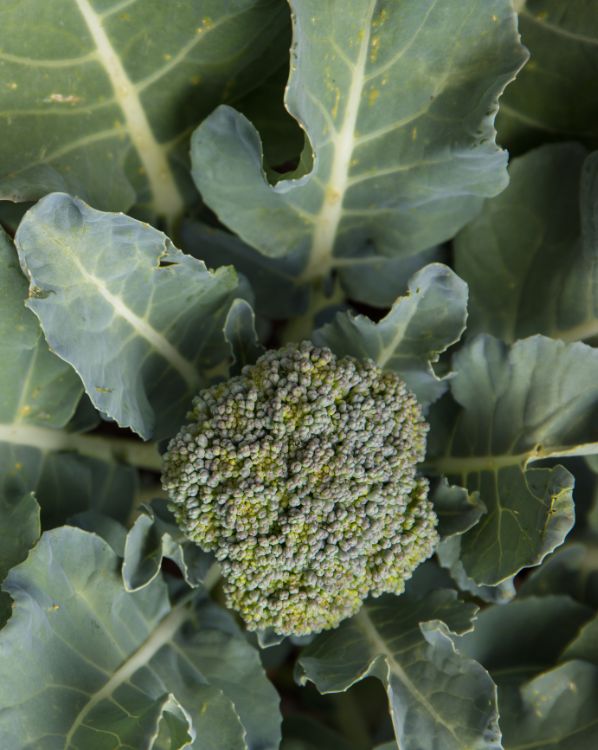
Many broccoli varieties are also hardy enough to handle mild spring temperature changes, making them a dependable choice for first-time gardeners learning how to care for vegetables properly.
Cabbage is another reliable option for beginner gardeners. It handles cool spring temperatures well and grows steadily without requiring constant attention.
Many cabbage varieties are surprisingly hardy, which makes them forgiving for people still learning basic gardening skills. Watching the large heads slowly form over time also gives beginners a satisfying sense of progress throughout the season.
Cucumbers are also popular with beginners because of their strong growth and productive vines. Once warm spring weather settles in, cucumber plants often grow rapidly and produce more vegetables than expected. Watching tiny cucumbers grow larger each day adds excitement to the gardening experience.
For gardeners looking for dependable results, beets are an excellent choice. They grow well in cool spring temperatures and produce two harvests from a single plant.
The roots develop underground, while the leafy tops can also be picked and eaten. Beets do not require complicated care, making them ideal for beginners who want a productive vegetable that stays manageable throughout the growing season.
Another excellent starter vegetable is spinach. It grows well in cool spring temperatures and matures fairly quickly. Since spinach thrives before summer heat arrives, beginners often enjoy success without needing advanced gardening skills.
The best beginner gardens are not perfect. They are active, messy, and full of learning experiences.
Starting with reliable spring vegetables allows new gardeners to focus less on worrying and more on enjoying the process. With each small harvest, confidence grows, and what begins as a simple hobby often becomes a lasting passion.
Smart Tips to Help Your Spring Vegetables Succeed
Planting vegetables in spring is exciting, but strong harvests depend on more than simply placing seeds in the ground.
Healthy gardens grow from consistent care, good timing, and attention to small details that make a big difference over time. Even simple adjustments can help spring vegetables grow faster, stay healthier, and produce more throughout the season.
One of the most important steps is preparing the soil before planting anything. Loose, nutrient-rich soil gives vegetable roots space to spread and absorb water properly.
Mixing compost into garden beds improves soil quality and helps plants grow stronger from the very beginning. Many gardeners notice healthier leaves and better harvests when they focus on soil health first.
Watering correctly also matters more than many beginners realize. Young spring vegetables need steady moisture, especially during early growth. Deep watering a few times a week is usually better than giving plants small amounts every day.
Consistent watering encourages stronger roots, while uneven watering can stress plants and slow development.
Spacing is another detail that often gets overlooked. Crowded vegetables compete for sunlight, nutrients, and airflow. Proper spacing allows plants to grow fully while also reducing the chance of disease.
A garden may look emptier at first, but healthy spacing almost always leads to better long-term results.
Mulch can also become a gardener’s secret weapon. A thin layer of straw, leaves, or untreated grass clippings helps the soil hold moisture and stay cooler during warmer spring days. Mulch also slows weed growth, which means vegetables face less competition for nutrients.
Paying attention to temperature is equally important. Some vegetables enjoy cool conditions, while others need warmer soil before planting. Rushing warm-weather crops too early can weaken plants before they even begin producing. Watching local weather patterns and checking soil conditions helps gardeners avoid unnecessary setbacks.
Gardening success rarely comes from perfection. It grows through observation, patience, and small improvements throughout the season.
By giving spring vegetables the right start and responding to their needs as they grow, gardeners create stronger plants and more rewarding harvests that continue well beyond spring itself.
Final Thoughts
Spring gardening offers more than fresh vegetables. It creates a sense of progress, routine, and connection to the outdoors that many people miss during colder months.
From fast-growing radishes to productive beans and dependable lettuce, spring vegetables bring energy and color back to gardens as winter fades.
The best part is that gardening does not require perfection or years of experience. A few well-chosen vegetables, consistent care, and patience are often enough to produce impressive results. Every seed planted becomes an opportunity to learn something new.
As the season continues, those small early efforts turn into full garden beds, fresh meals, and the satisfaction of growing food with your own hands.
Whether you plant a large backyard garden or a few containers near a window, spring is the perfect time to begin growing vegetables that will reward you for months to come.