
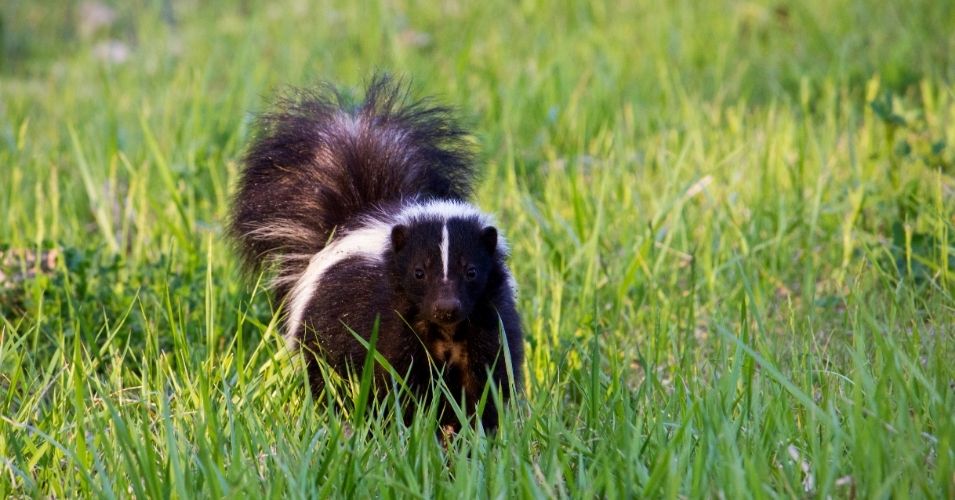
Skunks may look harmless with their fluffy tails and curious expressions, but anyone who has had one wander too close knows how much trouble they can cause.
From digging up lawns to raiding trash cans, these night visitors quickly become unwelcome guests. The good news is that skunks are guided strongly by their noses, and certain scents will send them running in the opposite direction.
By learning which smells skunks hate, you can use natural and safe methods to protect your yard, garden, and pets. These simple scent-based tricks help you reclaim your outdoor space without resorting to harsh chemicals.
Citrus Scents

Citrus scents are among the most effective natural repellents for skunks. Just as people often find the aroma of lemons, oranges, and grapefruits refreshing, skunks react very differently. Their strong sense of smell makes these tangy fragrances overwhelming, and they will usually avoid any area that carries the sharp, zesty odor.
One of the easiest ways to use citrus as a deterrent is with fruit peels. After enjoying an orange or squeezing a lemon, scatter the leftover rinds around your garden beds, porch, or garbage area. As the peels break down, they release a steady stream of scent that skunks dislike. This method is inexpensive and eco-friendly, and you can refresh the peels weekly for ongoing protection.
Citrus essential oils are another powerful option. A few drops of lemon, lime, or orange oil mixed with water can be sprayed around the perimeter of your yard or near entry points like sheds or crawl spaces. The smell is far too strong for skunks, yet pleasant for humans. Reapplying every few days, especially after rain, helps maintain effectiveness.
For a longer-lasting solution, some people soak cotton balls in citrus oil and place them in small containers with holes poked in the lid. These can be tucked into areas where skunks are likely to enter, creating a controlled release of fragrance that lasts for weeks.
Even planting citrus-scented herbs such as lemon balm or lemongrass near your garden can add a natural barrier. While these plants are not as powerful as citrus fruit itself, they contribute to a layered defense that keeps skunks away.
Because skunks are sensitive to smell, citrus works as both a repellent and a preventative measure. By filling your yard with these bright, tangy odors, you create an environment that feels unwelcoming to skunks but pleasant and refreshing to you.
Strong Spices and Herbs

Strong spices and herbs are another group of scents that skunks dislike. While humans might enjoy the rich aroma of garlic sizzling in a pan or the warm fragrance of cayenne pepper, these same smells are far too intense for a skunk’s sensitive nose.
Using them strategically around your yard can discourage skunks from digging or nesting near your home.
Garlic is one of the most effective. Fresh cloves can be crushed and scattered near garden beds, or garlic powder can be sprinkled in areas where skunks tend to roam. The pungent smell lingers in the soil, creating a natural barrier that makes skunks turn back. Some gardeners even make a garlic spray by mixing minced garlic with water and applying it around plants.
Cayenne pepper and chili powder are also powerful deterrents. Their fiery scent and sharp taste repel skunks quickly. Sprinkling these spices along fences, trash areas, or burrow entrances creates an invisible wall that skunks are reluctant to cross. Because rain can wash the spices away, reapplication is necessary for lasting results.
Herbs with strong aromas, such as rosemary, sage, and mint, also work as deterrents. Planting them near entry points or around the base of hydrangeas, roses, or vegetable beds can help create zones that skunks prefer to avoid. Mint in particular is offensive to skunks, and spreading dried mint leaves or using mint essential oil enhances the effect.
Another option is to combine spices and herbs into homemade repellents. A mixture of chili powder, garlic, and water sprayed around problem areas makes a strong but natural skunk repellent. This combination overwhelms their sense of smell and discourages them from lingering.
By using the kitchen staples you already have on hand, you create an affordable and natural defense. Strong spices and herbs serve as an extra layer of protection, helping you keep your yard skunk-free without harsh chemicals or complicated methods.
Vinegar and Ammonia
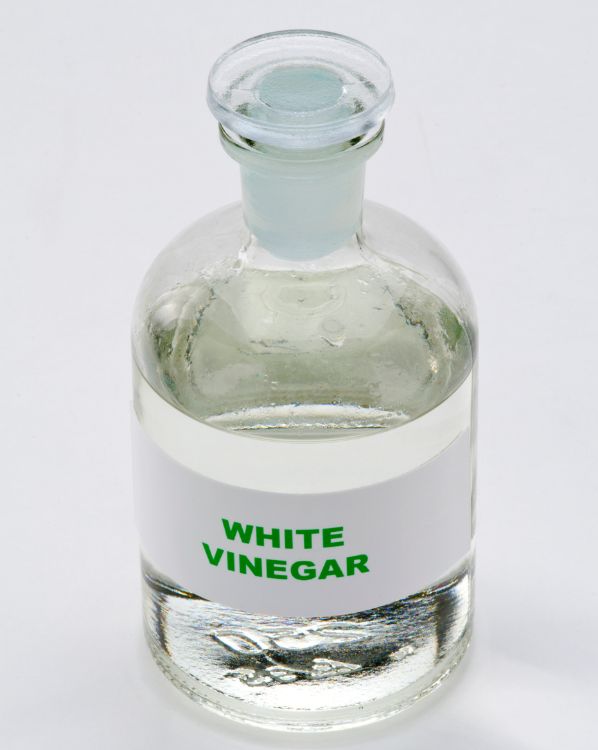
Vinegar and ammonia are two of the sharpest household odors you can use to deter skunks.
Their strong, acrid smells overwhelm a skunk’s sensitive nose, creating an environment the animal does not want to approach. Both are inexpensive, easy to find, and simple to apply, making them practical tools in your defense against unwanted visitors.
Vinegar, especially white distilled vinegar, has a pungent acidity that lingers in the air. One effective method is to soak rags or cotton balls in vinegar and place them in shallow bowls around your yard or near skunk burrows. The scent releases gradually, forming a barrier that discourages skunks from entering.
Some people also pour vinegar directly into small containers and set them where skunks tend to wander. Refreshing the vinegar every few days helps maintain its potency.
Ammonia works in a similar way but with an even sharper odor. Its strong chemical scent mimics the smell of urine to many animals, which signals danger. Skunks instinctively avoid areas that smell like predators might be nearby.
To use ammonia, soak old rags or sponges with the liquid and place them in sealed containers with small openings. This prevents spills while still allowing the smell to spread. Replace the soaked material regularly to keep the odor fresh.
Both vinegar and ammonia can also be applied near garbage cans, under decks, or around gardens where skunks are active. Because the smell is strong, it is best to use these deterrents outdoors and away from places where people or pets spend time. Always handle ammonia with care, as it can irritate skin and eyes.
By introducing vinegar or ammonia into your yard, you create an unwelcoming atmosphere for skunks. Their powerful sense of smell makes these odors unbearable, and they will usually seek out quieter, fresher spaces far away from your home.
Predator Odors

Predator odors are one of the most natural and instinctive ways to keep skunks at bay.
In the wild, skunks are prey animals, so their survival depends on detecting and avoiding areas where predators may be present. When they pick up the scent of larger animals, they instinctively steer clear to reduce the risk of confrontation.
One common method is to use commercially available predator urine. Products made from coyote, fox, or bobcat urine are sold in garden centers and online. These products are typically bottled as liquids, granules, or sprays.
Applying them around the perimeter of your property or near suspected skunk burrows creates a strong scent barrier. To a skunk, the smell signals danger, convincing them to move on to safer ground.
Predator urine is often long-lasting, but reapplication is needed after heavy rain. Many products are designed to be easy to use, with shaker bottles or spray attachments that allow you to cover large areas quickly. For best results, apply in layers or circles around your garden or yard to create zones of protection.
Another option is to use dog hair or the scent of a household pet. Skunks are wary of dogs, so spreading shed dog hair near gardens or play areas may help discourage visits. Even leaving a dog’s presence in the yard, such as bedding or toys, can sometimes work as a deterrent.
While predator odors are effective, it is important to use them strategically. Overuse in small spaces may create unpleasant smells for you as well. Applying them along fences, woodland edges, or remote corners of the yard maximizes effectiveness while keeping the odor at a comfortable distance from living spaces.
By tapping into a skunk’s natural fear of predators, you harness instincts that are deeply rooted in their behavior. This approach is both humane and effective, sending skunks elsewhere without harm and keeping your property safe from digging, spraying, or other unwanted activities.
Peppermint Oil

Peppermint oil is one of the most effective plant-based scents you can use to deter skunks. While many people enjoy its cool, refreshing aroma, skunks experience it as harsh and overwhelming.
Their highly sensitive noses pick up the strong menthol compounds instantly, and the intensity makes them turn away before they even get close.
One of the simplest ways to use peppermint oil is to create a spray. Mixing about ten to fifteen drops of peppermint essential oil with water in a spray bottle allows you to treat problem areas such as garbage bins, porches, decks, and garden borders. Spraying the mixture every few days, or after rainfall, keeps the scent strong enough to discourage skunks from entering.
Another method is to soak cotton balls in peppermint oil and place them in small containers with holes in the lid. These can be tucked near crawl space openings, shed doors, or areas where skunks are suspected of burrowing. The slow release of peppermint scent keeps the odor consistent, creating a natural barrier without needing constant attention.
For gardens, peppermint oil can even serve a dual purpose. While it drives skunks away, it also deters insects like ants and spiders. Applying it around vegetable beds or flower patches provides protection on multiple levels, making it one of the most versatile natural repellents available.
Peppermint oil can also be combined with other strong scents for an even greater effect. Mixing it with vinegar, garlic, or cayenne pepper creates a multi-scent deterrent that skunks find almost unbearable. This layered approach ensures that even if they adapt slightly to one smell, the combination keeps them away.
Because peppermint oil is natural and plant-based, it is safe to use around children and pets when applied responsibly. By choosing this refreshing but powerful scent, you discourage skunks in a way that is both effective and environmentally friendly, keeping your home and garden skunk-free without harsh chemicals.
Final Thoughts
Skunks may be small, but their presence around your home can cause big problems. From digging up lawns to leaving behind unpleasant odors, they quickly become pests when they settle too close. Fortunately, their powerful sense of smell is also their biggest weakness.
Citrus, spices, vinegar, ammonia, predator odors, and peppermint oil all take advantage of this sensitivity. Each one overwhelms a skunk’s nose, convincing it to search for food and shelter elsewhere. By using these natural deterrents, you protect your property in ways that are humane, safe, and often inexpensive.
With a little consistency and creativity, you can send skunks packing and enjoy a yard that feels fresh, secure, and free of unwanted nighttime visitors.