
Blue flowers have a calming magic that few other colors can match. They soften garden borders, brighten shady corners, and create a peaceful atmosphere that feels almost dreamlike.
Even better, many blue perennials return year after year with very little effort. Once planted, they settle into the garden and reward you with reliable color every season.
These long-lasting plants are perfect for gardeners who want beauty without constant replanting. Some thrive in full sun while others prefer cool shade, giving every yard a chance to glow with shades of blue.
From towering spikes to delicate ground covers, these plants can completely transform an outdoor space into a relaxing retreat that feels alive in every season.
Blue Blossoms That Return Stronger Every Year
There is something satisfying about planting a flower once and watching it return bigger and better with every passing year. Many blue perennials do exactly that. After settling into the soil, they slowly expand, produce more blooms, and become dependable parts of the garden that need very little attention.
One of the most rewarding choices is Salvia. Its tall, bluish-purple flower spikes bring strong color into sunny garden beds from early summer well into fall. The blooms attract bees, butterflies, and hummingbirds, giving the garden constant movement throughout the warmer months. Even in dry weather, established salvia plants continue to perform beautifully with very little fuss.

The upright shape of the plant also adds structure among softer flowers and ornamental grasses. When sunlight hits the vivid blue blooms in the evening, they almost glow against the surrounding greenery.
For a softer and more relaxed look, Catmint is hard to ignore. This easygoing perennial spreads into gentle mounds covered in dusty purple-blue flowers that seem to spill naturally across borders and pathways. Its gray-green foliage remains attractive for most of the season, even after blooming slows.
One of the reasons gardeners love catmint is its ability to recover quickly after being trimmed. A light cutback after the first wave of flowers often encourages fresh blooms only weeks later. That means the plant can provide color for much longer than many other perennials.
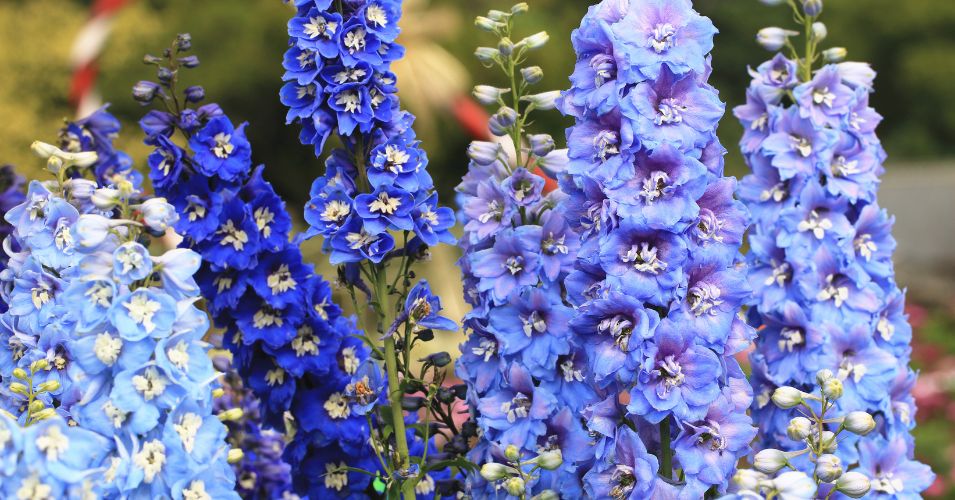
If the goal is to create a dramatic focal point, Delphinium offers unforgettable beauty. Its towering stems rise high above surrounding plants, covered in rich blue blossoms that instantly command attention. These flowers bring a romantic cottage-garden feel and look especially striking when planted along fences or near garden entrances.

Although delphiniums appear delicate, mature plants can return reliably for years when grown in sunny areas with good drainage. Their intense blue shades often stand out most during the cool light of early morning, creating a scene that feels almost unreal.
These long-lasting perennials reward patience with fuller growth, richer blooms, and a garden that becomes more beautiful every season.
Bringing Cool Blue Tones Into Shaded Spaces
Shady parts of the garden often feel cooler, quieter, and slightly hidden from the rest of the landscape. While many flowers struggle without full sunlight, some blue perennials thrive in these calmer spaces, bringing them to life with soft color and texture. The right plants can turn a dim corner into one of the most beautiful areas in the yard.
One of the most eye-catching shade perennials is Brunnera. In early spring, delicate clusters of tiny blue flowers float above large heart-shaped leaves, creating a look that feels almost woodland-inspired. From a distance, the blooms resemble little blue clouds scattered through the garden.
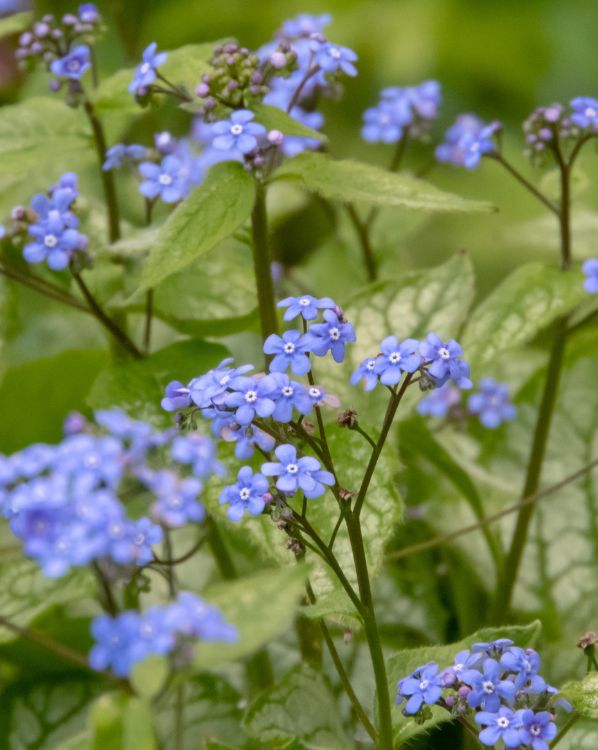
Even after flowering ends, brunnera continues to attract attention for its striking foliage. Many varieties have silvery leaves with deep green veins that brighten shaded beds long after spring fades. Planted beneath trees or beside shaded pathways, it adds a cool and refreshing feel to the landscape.
Another standout choice for darker garden spaces is Lungwort. Despite its unusual name, this perennial is loved for its colorful blooms and heavily textured leaves. The flowers often open in shades of pink before gradually deepening into rich blue tones, giving the plant a constantly changing appearance during bloom season.

Its spotted foliage remains attractive throughout the year and pairs beautifully with ferns, hostas, and other shade-loving plants. Lungwort also blooms earlier than many perennials, making it especially valuable when gardens are just beginning to wake up after winter.
For people who want low-growing, naturally spreading color, Ajuga creates a stunning effect. This ground-covering perennial forms dense patches of glossy foliage topped with spikes of violet-blue flowers in spring. As it slowly spreads, it fills empty spaces beneath shrubs and trees where grass often struggles to grow.
In larger groups, ajuga creates a rich blanket of color that softens shaded areas and makes them feel lush instead of forgotten. Its deep blue blooms stand out beautifully against dark mulch, stone paths, and woodland surroundings.
These shade-loving perennials prove that a lack of sunlight does not mean a lack of beauty. In many gardens, the shadiest corners become the most peaceful and memorable spaces of all.
Adding Height And Drama With Blue Blooms
Some flowers naturally become the center of attention the moment they bloom. Tall blue perennials add height, movement, and elegance to the garden while creating a striking contrast against green foliage and warmer flower colors. These plants help shape the entire landscape, giving flower beds a layered and dramatic appearance.
One of the most impressive choices is Blue False Indigo, also known as Baptisia. This sturdy perennial forms large clumps that become fuller and more beautiful with age. In late spring, tall stems covered in deep blue flowers rise above blue-green foliage, creating a bold display that stands out even from a distance.
Unlike many delicate-looking flowers, baptisia is extremely durable once established. Its deep root system helps it tolerate dry weather, making it a reliable option for those who want long-lasting color without constant maintenance. After blooming, decorative seed pods remain on the plant and continue adding texture through late summer and fall.
For gardeners who enjoy unusual textures, Sea Holly brings something completely different to the landscape. Its metallic blue flowers and spiky silver stems create an almost sculptural appearance that instantly catches the eye. In bright sunlight, the blooms can appear almost glowing against the surrounding greenery.

Sea holly thrives in dry, sunny conditions and handles heat remarkably well. The plant also attracts pollinators, filling the garden with bees and butterflies during the warmer months. Even after the flowers dry, the seed heads remain attractive and continue adding structure to the garden well into autumn.
Another standout perennial is Monkshood, a plant known for its rich blue hood-shaped flowers that bloom later in the season. The tall flower spikes bring fresh color to the garden just as many summer blooms begin to fade. Its deep blue shades create a calm and slightly mysterious feeling, especially in cooler shaded areas.
These tall blue perennials bring far more than color alone. They create strong focal points, add vertical interest, and give gardens a fuller, more thoughtfully designed appearance.
Low-Growing Perennials That Create A Sea Of Color
Some of the most beautiful garden plants stay close to the ground, slowly spreading into soft layers of blue that connect flower beds and pathways. Low-growing blue perennials add texture and fullness to the landscape, helping gardens feel lush and welcoming throughout the growing season.
One of the most breathtaking choices is Creeping Phlox. During spring, this perennial becomes covered in masses of tiny blue flowers that nearly hide the foliage beneath. Along stone walls, garden borders, or sloped areas, the blooms create a cascading effect that looks like a river of color flowing through the landscape.
The flowers also attract butterflies and help brighten the garden early in the season when many plants are still waking up after winter. Even after the blooms fade, the evergreen foliage continues to add texture and greenery throughout the year.
Another beautiful ground covering option is Blue Star Creeper. This delicate perennial spreads into a dense carpet of tiny star-shaped flowers scattered across fresh green leaves. The blooms may be small, but together they create a soft wash of blue that gives the garden a calm and peaceful appearance.
Blue star creeper works especially well between stepping stones or around patios because it tolerates light foot traffic surprisingly well. As it spreads naturally, it softens hard edges and makes outdoor spaces feel more connected.
For gardeners who want vivid color close to the ground, Lithodora is a stunning addition. This low-growing perennial produces intensely blue flowers that seem to glow in sunlight. The rich color stands out beautifully in rock gardens, border edges, and sunny pathways.
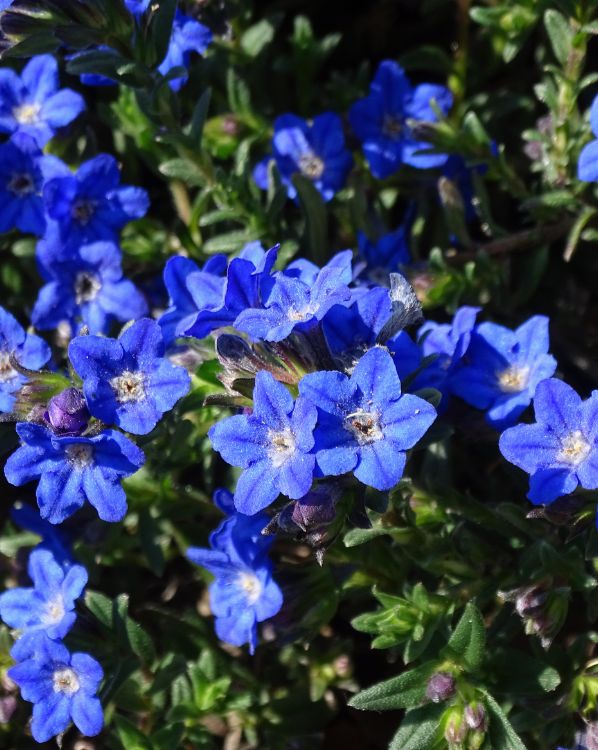
Its trailing growth habit allows it to spill gently over walls and containers, creating a relaxed and natural look. When planted in groups, lithodora forms bright pockets of blue that instantly draw attention without overwhelming the rest of the garden.
These low-growing perennials prove that dramatic beauty does not always come from towering plants. Sometimes the flowers closest to the ground create the most unforgettable displays.
Simple Care Tips To Keep Blue Perennials Thriving Forever
Blue perennials are loved for their lasting beauty, but even the toughest plants perform better with a little attention. The good news is that most of these flowers do not demand constant work. A few simple habits can keep them healthy, colorful, and returning stronger every single year.
The first step is choosing the right location. Many blue flowering perennials prefer full sun, though some thrive in partial shade. Reading plant tags carefully helps prevent future problems. A flower placed in the correct amount of light will usually bloom more heavily and resist disease more easily.
Good soil also makes a huge difference. Most perennials grow best in loose, well-drained soil that allows roots to spread comfortably. Mixing compost into the soil before planting improves drainage and adds nutrients that support long-term growth. Healthy soil often means healthier blooms season after season.
Watering is another important factor, especially during the first year. Newly planted perennials need regular moisture while establishing roots. Once mature, many blue varieties become surprisingly drought tolerant. Deep watering once or twice a week is usually better than light watering every day because it encourages stronger root systems.
Deadheading spent blooms can also extend flowering time. Removing faded flowers encourages many plants to produce fresh buds instead of focusing energy on seed production. Some perennials, like Salvia and Catmint, may even reward you with a second wave of blooms after trimming.
Dividing crowded plants every few years helps maintain their strength and appearance. Over time, some perennials become packed too tightly together, which can reduce blooming. Digging up and separating clumps during cooler seasons gives plants more space and creates extra flowers for other areas of the garden.
Mulch provides another layer of protection by retaining soil moisture and reducing weed growth. During colder months, mulch also helps shield roots from harsh winter temperatures.
With just a little care each season, blue perennials can remain vibrant and dependable for many years. Their beauty grows steadily over time, rewarding you with color that never seems to fade.
Final Thoughts
Blue perennials bring something truly special to a garden. Their cool tones create a peaceful atmosphere while their dependable nature makes gardening easier and more rewarding. Once established, these plants return year after year with fresh blooms, fuller growth, and even more character.
From towering flowers that demand attention to low-growing varieties that spread like a soft blue blanket, there is a perennial for every style of garden. Shade lovers brighten dark corners while sun-loving blooms fill open spaces with lasting color. Together, they create landscapes that feel balanced, relaxing, and alive through every season.
The best part is their ability to keep improving over time. With proper sunlight, healthy soil, and occasional maintenance, these flowers can thrive for decades. Plant them once, care for them well, and they will continue transforming your garden into a beautiful retreat year after year.