
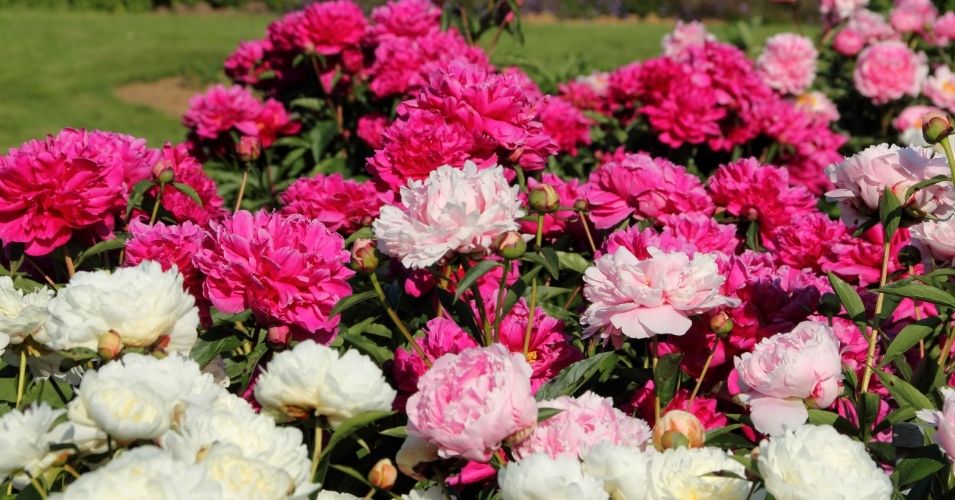
Peonies are among the most beloved flowers in the garden, admired for their lush blooms and timeless elegance. With proper care, they can live for decades, rewarding patience with spectacular displays each spring.
However, even these hardy perennials can struggle if placed next to the wrong neighbors.
Certain plants either compete too heavily for nutrients, introduce harmful pests, or create growing conditions that peonies simply cannot tolerate.
Knowing which plants to avoid planting near peonies helps ensure their longevity and beauty. A thoughtful layout can make the difference between a garden that thrives and one that falters.
Black Walnut
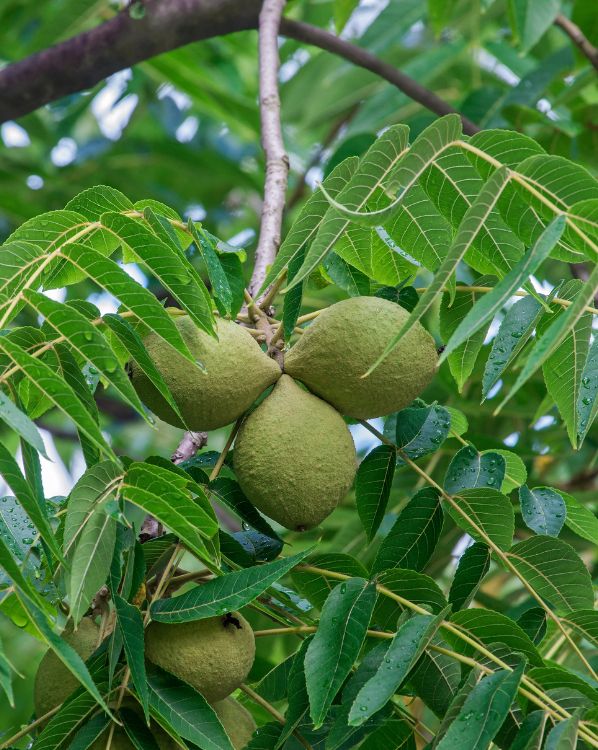
Black walnut trees are one of the worst companions for peonies because of the chemical juglone they release into the soil. This substance is toxic to many plants, and peonies are especially sensitive to it.
The chemical spreads through the tree’s roots, fallen leaves, and decomposing husks, contaminating the soil around the tree.
When peonies are exposed to juglone, they may suffer from yellowing leaves, stunted growth, and eventually complete decline. For gardeners who value their peonies, planting them near a black walnut tree is a serious mistake.
The reach of a black walnut tree extends much farther than its trunk. Its roots can spread wide, delivering juglone into the surrounding soil well beyond the drip line of the tree’s branches. This means that even peonies planted some distance away may still be affected.
The problem does not end with the tree itself. Leaves, twigs, and nuts that fall to the ground break down and add even more juglone to the soil, ensuring that the area becomes increasingly inhospitable for sensitive plants over time.
Peonies already demand stable conditions and a long time to settle into place. When paired with a black walnut tree, they struggle to establish strong roots. Even if they manage to survive, they rarely bloom to their full potential.
The lack of vigor makes them more vulnerable to pests, diseases, and environmental stress. Since peonies are long-lived perennials that can last for decades in the right conditions, losing them to juglone exposure is especially frustrating for gardeners who expect them to be reliable cornerstones of the landscape.
The only reliable way to protect peonies from black walnut is distance. They should be planted well outside the tree’s root zone and away from areas where leaves or nuts might fall. Some gardeners attempt raised beds or barriers, but juglone is persistent and often finds its way into the soil regardless. Avoiding the proximity of black walnut trees altogether is the surest way to safeguard peonies.
While black walnut trees may provide shade and stature to a property, they are simply incompatible with peonies. By keeping the two apart, gardeners allow peonies the chance to grow strong, bloom abundantly, and provide the elegance they are known for without the hidden threat of toxicity.
Tomatoes
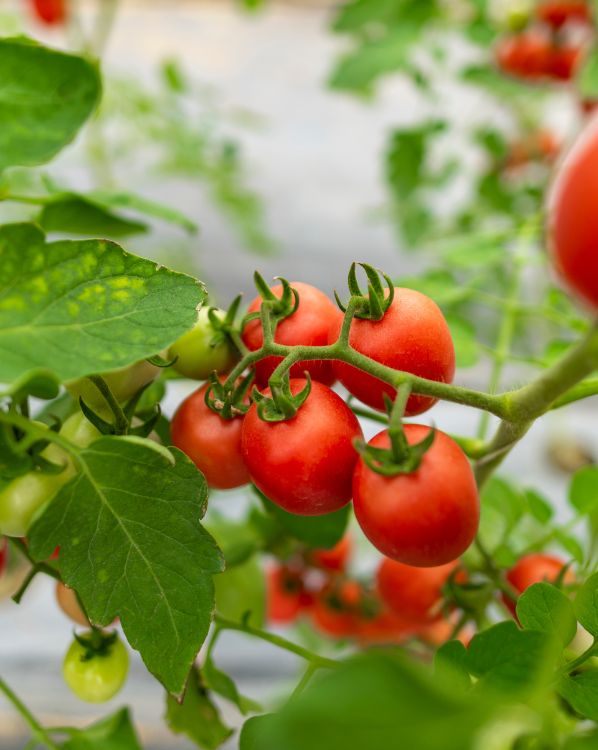
Tomatoes are another plant that should never be grown next to peonies. While they are beloved in the vegetable garden, their needs and habits make them unsuitable neighbors for these delicate perennials. The biggest issue is disease.
Tomatoes are prone to fungal problems like blight and leaf spot, which can easily spread to peonies growing nearby. Since peonies are also highly vulnerable to fungal diseases, placing the two together increases the risk of infection dramatically. A shared environment filled with spores makes it difficult to keep either plant healthy.
Tomatoes also create competition that puts stress on peonies. These vegetable plants are heavy feeders, drawing large amounts of nutrients from the soil to fuel their fast growth and abundant fruiting.
Peonies, while not aggressive feeders, still require nutrient-rich soil to build the strength needed for their impressive blooms. When grown near tomatoes, peonies are often left with fewer resources, resulting in weaker plants with smaller flowers and thinner stems.
Another problem with tomatoes is their size and structure. As they grow, tomato plants become tall and bushy, casting shade across the garden. Peonies thrive in full sun and need at least six hours of direct light each day to produce abundant flowers.
When tomatoes overshadow them, peonies fail to receive the energy they need for blooming. The reduced sunlight can also make their foliage damp for longer periods, creating the perfect conditions for fungal issues to spread.
Moisture needs also create conflict between tomatoes and peonies. Tomatoes require consistent watering throughout the summer, while peonies prefer soil that is moist but not overly wet.
Overwatering tomatoes can leave peonies sitting in soggy soil, which increases the risk of root rot. This difference in watering requirements makes it challenging to balance care for both when planted in close quarters.
For gardeners who want both peonies and tomatoes, it is best to separate them into different sections of the yard. Tomatoes belong in a sunny vegetable patch where they can receive frequent attention and ample resources.
Peonies perform best in flower beds with plenty of sunlight, good airflow, and soil free from the constant pressure of disease-prone crops. Keeping them apart ensures healthier plants and more reliable harvests of both blooms and vegetables.
While tomatoes may be rewarding on their own, they do not belong beside peonies. The combination only invites disease, competition, and disappointment. By planting them in separate areas, gardeners can enjoy strong, thriving peonies and plentiful tomatoes without one harming the other.
Ferns
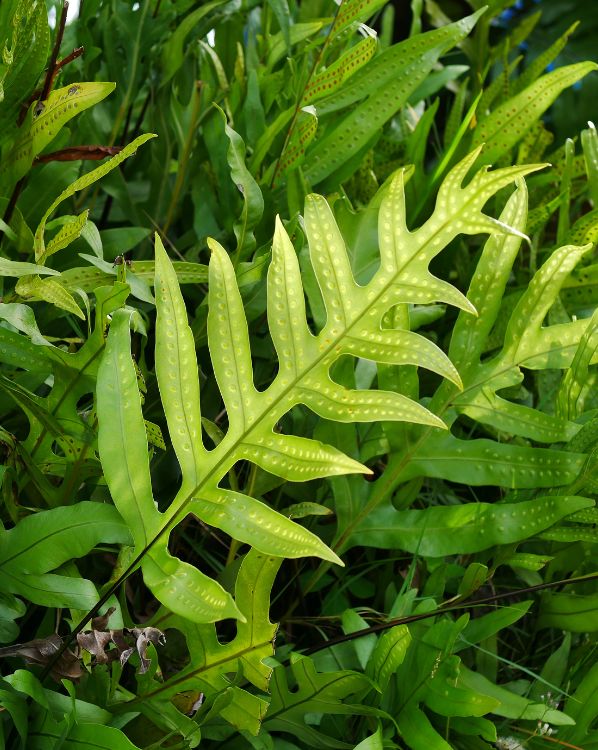
Ferns may seem like natural companions for peonies because they both thrive in rich soil and can add elegance to shaded corners, but they are poor neighbors. The primary reason is that ferns compete aggressively for the same resources that peonies need.
Ferns spread rapidly through underground rhizomes, forming dense colonies that crowd out other plants. Peonies, which require time and space to establish deep roots, often find themselves overwhelmed by the fast expansion of ferns. Over time, this competition leaves peonies with fewer nutrients and reduced access to water.
Light requirements also create challenges between ferns and peonies. While some ferns can tolerate dappled sunlight, many thrive best in deeper shade. Peonies, on the other hand, need full sun for strong growth and abundant flowering.
When planted close together, ferns tend to create additional shade as their fronds arch outward, which reduces the amount of light reaching peonies. With less sunlight, peonies produce fewer blooms and may develop weak stems that cannot support their heavy flowers.
Moisture is another area where the two plants conflict. Ferns are thirsty and require consistently damp soil, while peonies prefer soil that is evenly moist but well drained.
When ferns dominate the soil, they often hold more moisture than peonies can handle, which increases the risk of rot and fungal disease. On the other hand, if the soil dries out, ferns quickly absorb available water, leaving peonies stressed and underhydrated.
Ferns also alter the physical environment around peonies. Their tall, arching fronds create a thick canopy that reduces airflow around the garden bed.
Poor circulation makes peonies more susceptible to common fungal problems such as botrytis, which causes blackened buds and rotting leaves. Since peonies are already prone to fungal issues, the added humidity from ferns makes the problem worse.
Although ferns are beautiful in the right setting, they do not belong beside peonies. The constant competition for nutrients, moisture, and light, combined with their tendency to encourage disease, makes them unsuitable partners.
By keeping ferns separate, gardeners can preserve the health and vigor of peonies while still enjoying the graceful presence of ferns in other areas of the landscape.
Roses
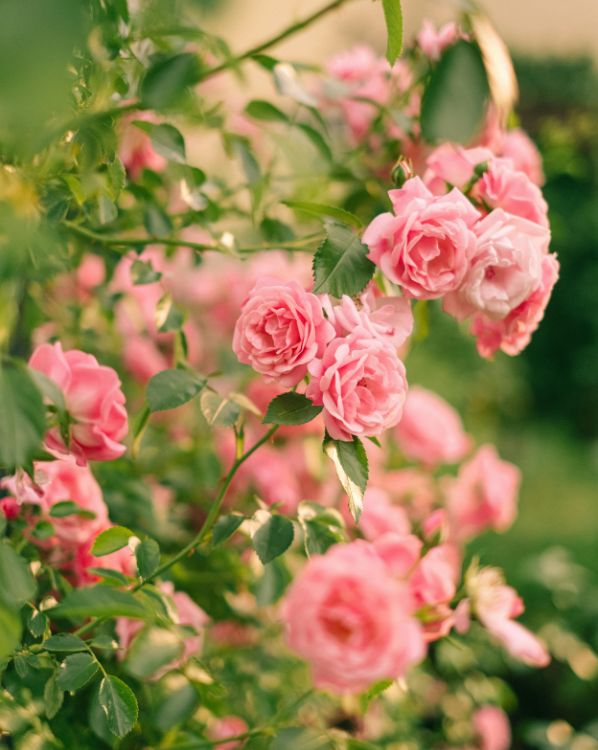
Roses and peonies may seem like a charming combination because both produce stunning, romantic blooms, but their needs and growth habits clash when planted together.
Peonies require open space, full sun, and excellent air circulation to remain healthy, while roses often create conditions that make peony care more difficult. The pairing can result in stressed plants, fewer flowers, and higher susceptibility to disease.
The biggest issue with planting roses near peonies is the competition for nutrients. Roses are heavy feeders, demanding rich soil and frequent fertilization to maintain their continuous blooms.
Peonies, though less demanding, still need a steady supply of nutrients to produce large, full blossoms. When roses dominate the soil, peonies are left with fewer resources, which results in smaller flowers and weaker stems. Over time, the imbalance reduces the longevity and vigor of the peony clump.
Air circulation is another area of conflict. Roses often grow densely with many branches and leaves, which can limit airflow around nearby plants. Peonies are highly prone to fungal diseases, and crowded conditions only increase the risk.
Without enough space and movement of air, peonies are more likely to develop problems such as powdery mildew or botrytis blight. Roses themselves are also prone to fungal issues, which means both plants may struggle when grown in the same environment.
Sunlight needs further complicate the pairing. While both plants require plenty of sun, roses often grow taller and cast shade across peonies.
This shading reduces the amount of light peonies receive, which directly impacts their ability to produce blooms. A lack of sunlight also weakens stems, making them unable to hold the weight of the flowers that do develop.
Maintenance differences add yet another challenge. Roses require frequent pruning, feeding, and pest management, while peonies prefer to be left undisturbed once established.
The constant care roses demand can interfere with the stability peonies need to thrive, especially if roots are disturbed during routine rose maintenance.
Although roses and peonies may look stunning together in a bouquet, they are not ideal companions in the garden. Keeping them apart allows each plant to receive the conditions it needs without stress or competition.
Peonies flourish in open, sunny beds with good airflow, while roses do best in their own dedicated space where their demanding care can be managed separately.
Potatoes
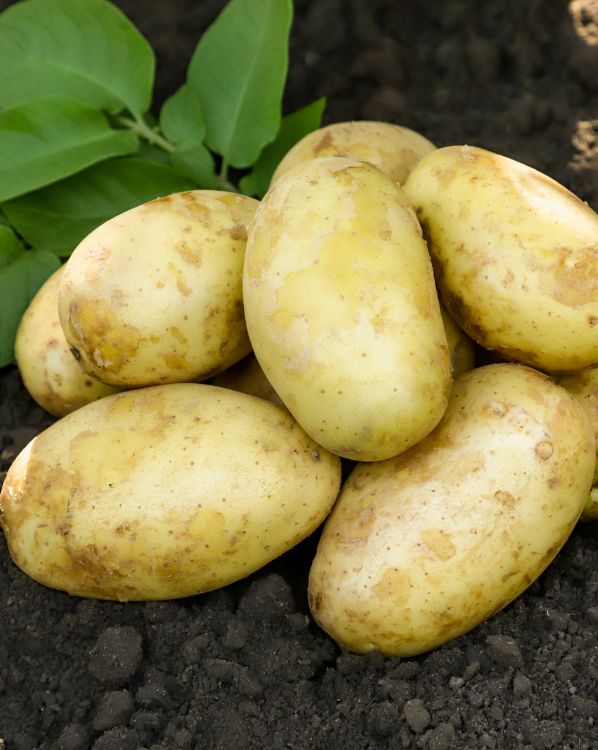
Potatoes are one of the worst crops to grow near peonies because their growing habits and soil requirements clash in several harmful ways. Potatoes are heavy feeders, drawing large amounts of nutrients from the soil to produce healthy tubers.
They demand constant attention, frequent watering, and rich fertilization, which quickly depletes the soil of the nutrients peonies need to form strong stems and large blossoms. When potatoes dominate the soil, peonies are left with fewer resources, resulting in weak growth and diminished flowering.
The process of growing potatoes also disturbs the soil in ways that conflict with peony care. Potatoes must be planted deeply and later hilled with soil to cover their developing tubers. This frequent digging and mounding is disruptive to peonies, which prefer to remain undisturbed once planted.
Peonies resent root disturbance and can take years to recover if their crowns are shifted or damaged. Growing potatoes nearby almost guarantees that peonies will suffer from disrupted roots and reduced vitality.
Disease risk is another major issue with planting potatoes near peonies. Potatoes are susceptible to fungal infections such as blight, which can spread through the soil and air to other nearby plants.
Peonies are also prone to fungal problems like botrytis, making the pairing a recipe for disease outbreaks. The combination of shared susceptibility and increased spore presence in the soil creates an environment where both plants are at higher risk of decline.
Moisture requirements further complicate the relationship. Potatoes need consistent watering to form healthy tubers, but the frequent irrigation can make the soil too damp for peonies. Peony roots do best in evenly moist but well-drained soil, and too much water increases the likelihood of rot. Potatoes also leave behind plant debris that can harbor pests and pathogens, adding yet another challenge for delicate peonies.
For gardeners, the appeal of planting potatoes and peonies together may be space efficiency, but the drawbacks far outweigh the benefits. The heavy feeding, soil disturbance, and high disease risk of potatoes make them unsuitable companions.
Peonies perform best in stable beds where the soil is left undisturbed and free from aggressive crops. Keeping potatoes in a dedicated vegetable patch ensures that both plants can thrive without interfering with each other’s needs.
Final Thoughts
Peonies are timeless flowers that reward patience and care with some of the most spectacular blooms in the garden, but they cannot reach their full potential if planted next to the wrong neighbors.
Black walnut trees, tomatoes, ferns, roses, and potatoes all create conditions that weaken peonies, whether through chemical toxicity, competition, or increased disease risk.
Avoiding these plants ensures that peonies can enjoy the sunlight, airflow, and stability they require. Instead, gardeners should surround them with companions that share similar needs and allow them to grow without constant stress.
By planting thoughtfully, you create a setting where peonies can live for decades, producing their legendary blooms in abundance. With the right environment and careful planning, your peony bed will remain a highlight of the garden season after season.