
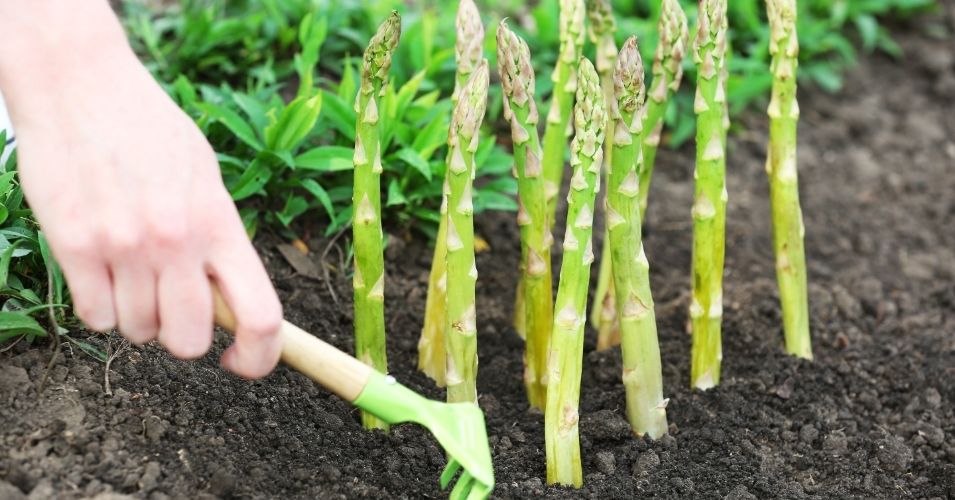
Asparagus is a treasured crop for many gardeners because once it is established, it can continue producing for decades.
Its tall, feathery spears bring both beauty and harvest to the garden, but asparagus benefits greatly from carefully chosen companion plants.
The right companions can enrich the soil, ward off pests, and add visual appeal that makes an asparagus bed feel alive and purposeful.
When combined thoughtfully, companion planting with asparagus is more than a gardening trick, it becomes a way to create a balanced ecosystem where every plant has a role to play in supporting the other.
Tomatoes
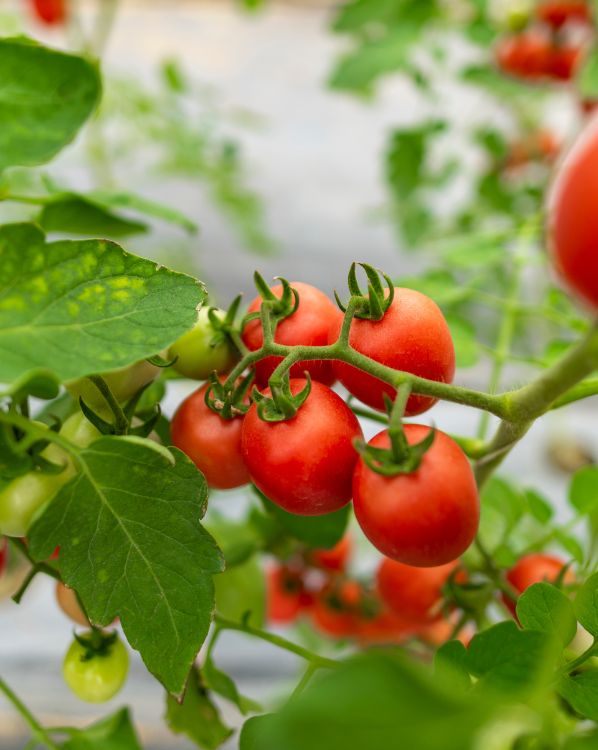
Tomatoes and asparagus have been considered classic garden companions for generations. These two crops balance each other’s strengths and help reduce the challenges that often come with growing them alone.
While tomatoes reach upward with strong vines and provide juicy fruits, asparagus spreads beneath the soil and produces tender spears that return year after year. Planting them together allows each to thrive while also creating a healthier environment for the garden.
One of the main benefits of planting tomatoes near asparagus is pest control. Asparagus beetles are known to cause damage by chewing on the spears and weakening the plants, but tomatoes naturally repel them.
The solanine compound found in tomato plants helps keep beetles away, allowing asparagus to grow without as much stress. In return, asparagus helps to protect tomatoes from root-knot nematodes, which are microscopic pests that attack the roots of many vegetables.
This mutual protection is one of the clearest examples of how companion planting creates a natural defense system.
Tomatoes also provide shade once they mature, which can help shield asparagus roots from drying out in hot weather. Although asparagus enjoys full sun, the partial shade created by tomato vines in the peak of summer can help maintain soil moisture and reduce heat stress.
At the same time, the tall and airy structure of asparagus does not compete heavily with tomatoes for space, allowing sunlight to filter through. This creates a layered effect where both crops can use light efficiently without crowding each other out.
Nutritionally, these two plants also make sense as companions. Asparagus grows early in the season and has shallow roots, while tomatoes take longer to establish and develop deeper roots. This difference means they do not compete directly for nutrients in the soil.
Asparagus is also a perennial crop that benefits from soil stability, and the annual cycle of tomatoes brings regular turnover and replenishment of organic matter when tomato plants are cleared at the end of the season.
For gardeners who want both productivity and beauty, pairing tomatoes with asparagus is an easy choice. The partnership creates natural defenses, efficient use of space, and a reliable way to keep the garden both vibrant and productive year after year.
Basil
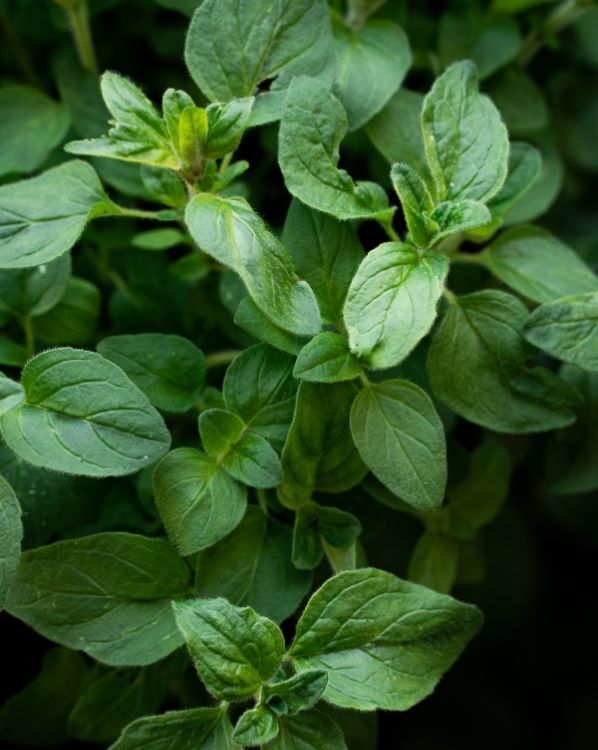
Basil is more than just a flavorful herb in the kitchen; it is also a valuable companion for asparagus in the garden.
Known for its strong fragrance and lush leaves, basil offers natural protection against pests while enriching the overall growing environment. Planting basil near asparagus adds layers of scent, color, and usefulness that extend from the soil to the dinner plate.
The most significant role basil plays as a companion plant is deterring harmful insects. Its aromatic oils repel mosquitoes, flies, and even aphids, which often attack tender garden crops. This protective effect helps asparagus spears grow without interference from pests that might damage new shoots.
At the same time, basil attracts pollinators like bees, which can benefit other flowering plants nearby. This dual role of repelling unwanted insects while attracting beneficial ones makes basil a hardworking addition to an asparagus bed.
Basil also improves the health of asparagus by contributing to soil balance. While asparagus needs consistently moist soil, basil helps shade the ground, reducing evaporation and keeping the soil cooler in warm weather.
The roots of basil are shallow and not overly aggressive, meaning they do not interfere with the deeper root system of asparagus. This allows both plants to share the same space without competing for water and nutrients.
The timing of growth between the two also works in their favor. Asparagus is harvested in spring, just as basil is beginning to establish itself.
By the time asparagus plants are left to grow out into tall, feathery ferns, basil is in full swing, filling in gaps and creating a fuller garden bed. This seasonal rhythm ensures that the space remains productive and visually appealing throughout the growing season.
Another benefit is culinary. Fresh asparagus and basil both shine in the kitchen and having them grow together makes harvesting easy and rewarding.
The bright, herbal flavor of basil pairs beautifully with asparagus in salads, pastas, and side dishes, making the combination not only practical in the soil but also delightful at the table.
For gardeners who want a companion that brings fragrance, beauty, and protection, basil is a natural choice for pairing with asparagus. The result is a healthier garden and a harvest that tastes even better when these two crops are enjoyed together.
Parsley
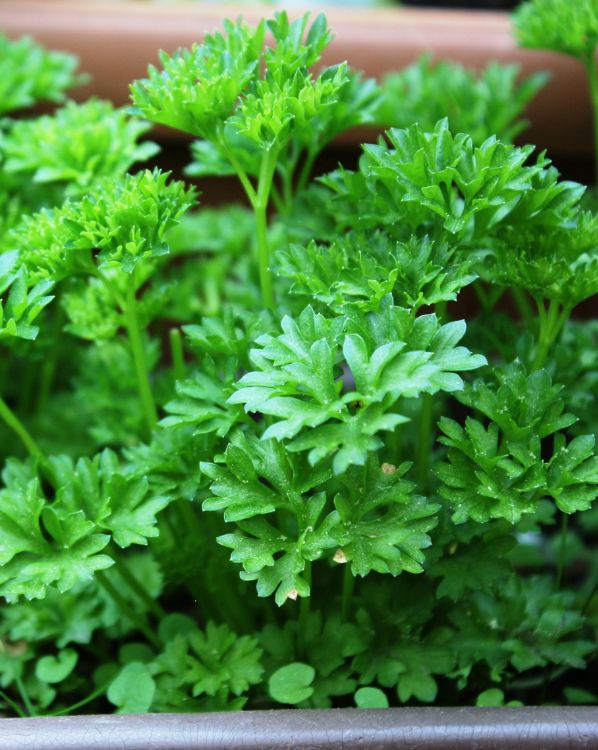
Parsley is a wonderful companion for asparagus because it brings both visual beauty and practical benefits to the garden.
With its rich green leaves and compact growth, parsley fills in the spaces between asparagus spears, creating a lush carpet of foliage that makes the bed look more complete. While asparagus grows tall and airy, parsley stays closer to the ground, which provides a balance of height and texture that is both useful and attractive.
One of the key reasons parsley pairs so well with asparagus is its ability to attract beneficial insects. Parsley blossoms, when allowed to flower, draw in predatory insects like ladybugs and parasitic wasps that feed on pests.
These helpful creatures keep populations of aphids, caterpillars, and other damaging bugs under control, which indirectly protects asparagus spears. This natural method of pest management reduces the need for chemical sprays and encourages a healthier ecosystem within the garden.
Parsley is also known to enhance the flavor and vigor of nearby plants. Gardeners have long believed that parsley planted near asparagus can help the spears develop more robust growth.
While science may not fully explain this traditional belief, many gardeners still notice improved vitality when the two are grown together. The shallow roots of parsley do not compete with the deeper asparagus roots, which means both plants can share nutrients and water without stress.
Moisture is another area where parsley proves helpful. Its leafy canopy shades the soil, helping to lock in moisture that asparagus requires for steady growth.
Since asparagus thrives in well-drained but consistently moist soil, parsley’s natural ability to reduce evaporation provides an extra layer of support. This means less watering for the gardener and better growing conditions for the asparagus bed.
Parsley also offers a harvest of its own that complements asparagus beautifully in the kitchen. Fresh parsley adds brightness to roasted asparagus, soups, and salads, which makes the two a natural pair beyond the garden.
Growing them side by side ensures that when asparagus season arrives, parsley is already available to enhance meals with its fresh, herbal flavor. Together, they provide a partnership that benefits both the soil and the table.
Marigolds

Marigolds are among the most effective and cheerful companion plants for asparagus. Their vibrant yellow, gold, and orange blooms bring brightness to the garden, while their strong scent offers powerful natural protection.
Marigolds are widely known for repelling a variety of pests, including nematodes that live in the soil and can harm asparagus roots. By planting marigolds around the edges of an asparagus bed, gardeners can help create a natural barrier that protects the crop from hidden threats beneath the ground.
The role marigolds play in pest control goes beyond nematodes. Their fragrance also discourages aphids, beetles, and whiteflies, which often damage tender plants. This makes marigolds an all-purpose defender for the asparagus patch.
At the same time, marigolds attract pollinators and beneficial insects such as hoverflies and ladybugs. These insects help control pests and contribute to the balance of the garden, ensuring a healthier environment for asparagus to thrive.
Marigolds also help with soil improvement over time. When their blooms fade and plants break down, they return organic matter to the soil, enriching it and supporting the long-term health of asparagus.
Since asparagus is a perennial that remains in the same bed for many years, having marigolds around can contribute to soil fertility season after season. Their presence also helps cover bare soil, reducing erosion and keeping the bed looking full and lively.
Another benefit of marigolds is their adaptability. They grow easily in many soil types, require little care, and bloom for months, providing steady color long after the asparagus harvest ends.
This extended blooming season ensures that the garden stays visually appealing even when asparagus ferns have turned tall and airy. The contrast between the delicate green of asparagus and the bright blooms of marigolds creates a striking visual combination that draws the eye.
For gardeners who want both protection and beauty, marigolds are an excellent choice. They guard the asparagus from pests below and above the soil, enrich the ground, and add cheerful color that keeps the garden vibrant throughout the growing season.
Few plants can match their ability to combine practical defense with ornamental charm so effectively.
Lettuce
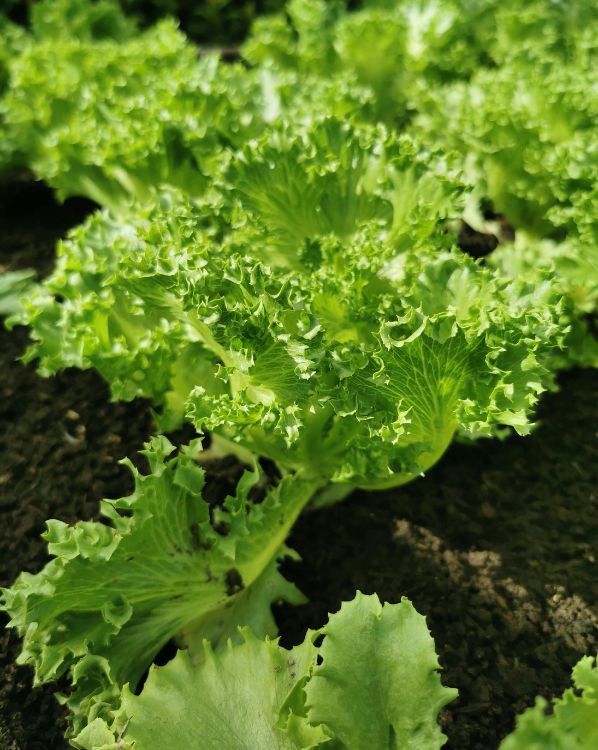
Lettuce makes an excellent companion for asparagus because it grows quickly, provides ground cover, and thrives in the same cool and moist conditions. While asparagus is a perennial that takes its time sending up spears in the spring, lettuce grows fast and can be harvested multiple times throughout the season.
This difference in growth patterns allows both plants to share space without crowding or competing heavily for resources. Lettuce fills in the bare soil between asparagus plants, creating a productive use of the bed while asparagus develops.
One of the biggest benefits of growing lettuce with asparagus is shade. The tall, feathery fronds of mature asparagus plants cast light shade across the bed, which lettuce enjoys during warmer months.
Lettuce is sensitive to heat and often bolts when exposed to strong sun for too long. By using asparagus as a natural canopy, lettuce remains cooler, grows for longer, and develops tender leaves that are less bitter. This natural shading creates a perfect balance between the two crops.
Lettuce also improves the asparagus bed by acting as living mulch. Its low-growing leaves cover the soil, keeping it moist and preventing weeds from spreading. Since asparagus prefers soil that retains some moisture, lettuce helps maintain a steady environment.
The shallow root system of lettuce does not interfere with asparagus, which sends its roots deeper into the soil. This means the two plants can share water and nutrients without competing directly.
Another advantage of planting lettuce alongside asparagus is the extended harvest season it provides. Asparagus spears are usually harvested in spring before being left to grow into tall ferns. Lettuce can be planted early and harvested while asparagus is still being picked and then replanted in succession for continued production.
By staggering sowing dates, gardeners can enjoy fresh lettuce leaves while also harvesting asparagus spears, turning one bed into a highly productive food source.
From a visual standpoint, lettuce adds color and variety to an asparagus bed. The deep reds of some varieties contrast beautifully with the bright green of asparagus, while crisp butterhead or romaine lettuces create lush mounds of texture.
Together, they create a garden that is both functional and attractive, with every space used efficiently. The pairing of lettuce and asparagus proves that thoughtful companion planting can bring practical benefits and beauty at the same time.
Final Thoughts
Asparagus is a unique and rewarding crop that continues to produce for many years, but it becomes even stronger and more productive when planted with the right companions.
Tomatoes, basil, parsley, marigolds, and lettuce each bring different strengths to the asparagus bed, from pest control to soil improvement to shading and visual appeal. Together, they form a diverse team of plants that support each other and create a thriving garden environment.
Choosing the right companions for asparagus is about more than saving space, it is about creating balance. By combining crops that deter pests, enrich soil, and extend the harvest season, gardeners ensure that their asparagus remains healthy and fruitful for years to come.
The result is a garden that not only yields abundant harvests but also looks vibrant throughout the growing season.
With careful planning and a thoughtful mix of companions, asparagus beds can become some of the most productive and beautiful areas of the garden. When every plant has a role to play, the garden works as a living system where balance leads to success.