
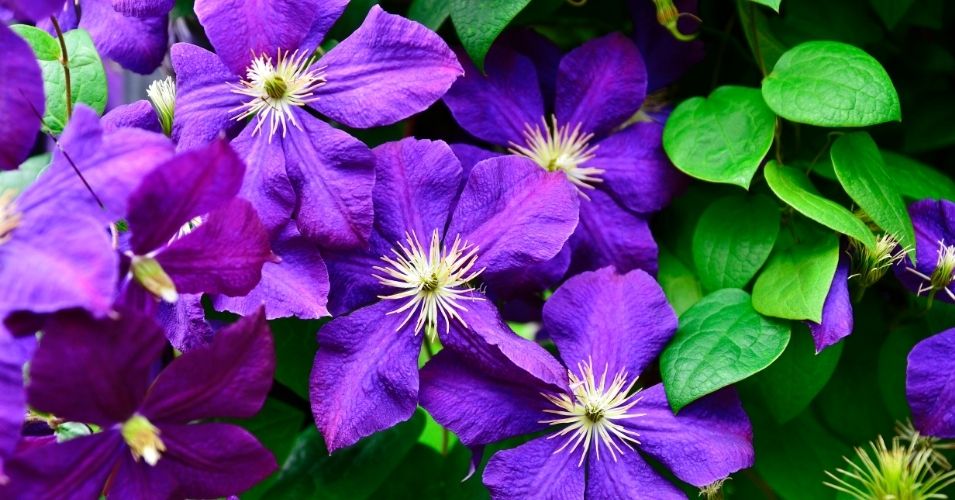
Clematis vines can transform a garden with their height, color, and graceful movement, but they look even more striking when paired with plants that complement their growth habits.
The right companions create balance, provide support, protect the roots, and highlight the beauty of the clematis without stealing attention from it.
Some plants provide shade for the roots, while others add texture or bloom at moments when clematis rests.
This guide will help you explore the best companion plants for clematis and explain how each one adds strength, color, or harmony to your garden layout so the vine can thrive with confidence.
Root Shading Companions for Stronger Clematis Growth
Clematis vines grow best when their roots stay cool, and choosing the right companion plants helps create a calm, protected environment at the base of the vine.
In nature, clematis roots stay shaded by nearby plants. At the same time, the vine reaches upward into the light, so selecting similar partners in your garden supports the clematis in a natural, balanced way.
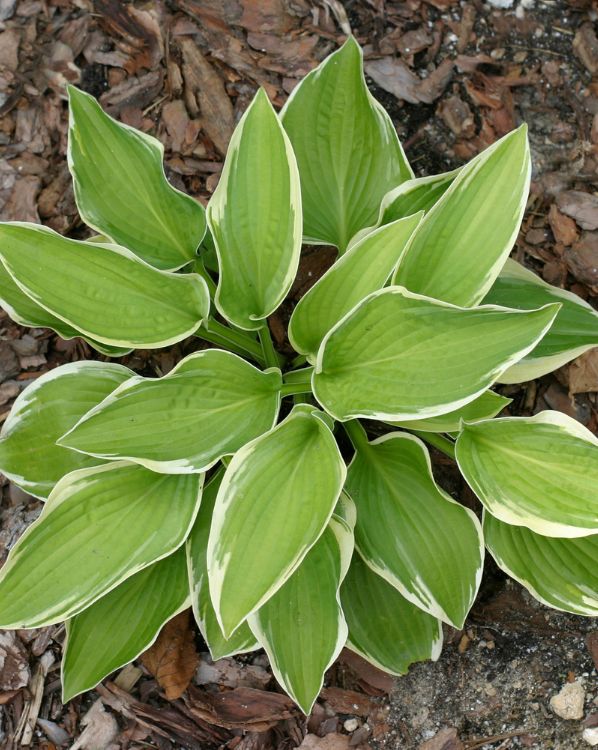
These companions reduce heat around the roots, help maintain moisture, and bring visual interest to the lower part of the planting space. One of the most effective choices is hostas, which provide broad leaves that naturally shield the soil from strong sunlight.
Their wide foliage forms a living umbrella over the roots, keeping the ground cool through the warmest parts of the day. Hostas grow slowly and steadily, offering a reliable covering that works especially well in gardens where clematis needs consistent protection.
Another excellent option is hardy geranium, a low spreading plant with soft leaves and gentle blooms that add charm without overwhelming the clematis vine. Hardy geranium roots stay shallow, making it a friendly companion that does not compete heavily with deeper clematis roots. Its foliage helps trap moisture in the soil while maintaining airflow.
Gardeners who prefer a ground-hugging plant can turn to lamium, which spreads lightly and brings a soft silver tone to shaded areas. Lamium covers the soil without forming dense mats, and its delicate blooms pair well with the taller clematis above it.
A slightly taller but still compatible choice is daylilies, which provide arching leaves that protect the soil while adding graceful movement to the garden. Daylilies grow in clumps that offer steady shade and do not interfere with the direction or height of the clematis vine.
By using companions such as hostas, hardy geraniums, lamium, and daylilies, you create a cool and stable root environment that encourages stronger clematis growth. These plants soften the garden structure, control soil temperature, and give the clematis the comfort it needs to flourish.
Colorful Ground Plants for the Space Beneath Clematis
The space beneath a clematis vine can become a bright, engaging part of the garden when planted with low-growing companions that add color and texture at ground level.
These plants help keep the soil cool, fill empty areas, and create an attractive base that highlights the vertical beauty of the clematis above. By choosing ground plants with varied shapes and long-lasting blooms, you add depth and interest to the garden without overwhelming the main vine.
A popular and dependable choice is creeping phlox, which forms a soft carpet of vibrant blooms in early spring. Creeping phlox spreads gently across the soil and provides a cheerful burst of color that pairs beautifully with the climbing clematis.
Another excellent plant for this space is alyssum, known for its sweet scent and tiny clusters of blossoms. Alyssum stays low to the ground and blooms over a long period, adding brightness under the clematis while keeping the area from looking bare.
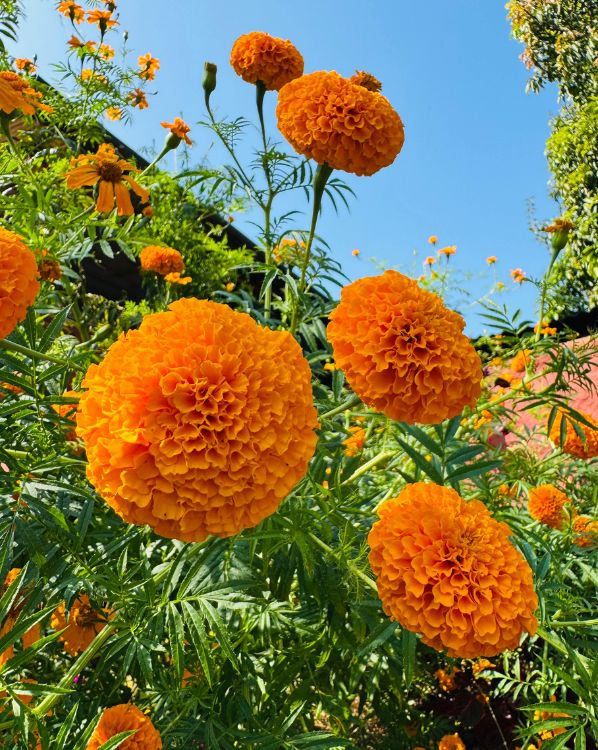
For gardeners seeking warm, sunny tones, dwarf marigolds add golden and orange accents that stand out against both the foliage and the blooms of many clematis varieties. Their compact size makes them ideal for filling small pockets of soil beneath the vine.
A softer, more delicate option is campanula, which offers star-shaped flowers that spread gently across the ground. Campanula adds cool color tones and a graceful texture, complementing the taller clematis.
Colorful ground plants such as creeping phlox, alyssum, dwarf marigolds, and campanula turn the base of your clematis into a lively focal point.
The added color and texture enrich the lower garden space and create a layered look that naturally draws attention upward to the climbing blooms.
Upright Partners to Pair With Taller Clematis Varieties
Taller clematis varieties create impressive displays as they climb fences, trellises, or arbors, and pairing them with upright companion plants brings balance, structure, and depth to the garden.
These upright partners help frame the clematis, fill vertical gaps, and add dimension without overshadowing the vine. The right pairings also create harmony in height, ensuring that the clematis does not appear isolated or unsupported in the garden space.
One excellent upright companion is delphinium, a plant known for its tall flower spikes and elegant colors that blend beautifully with clematis blooms.
Delphinium adds height without competing for the same space because it stands independently while allowing the clematis to weave upward behind or beside it. The combination of layered vertical growth creates a dramatic backdrop.
Another strong partner is hollyhock, which grows in tall, single-stalked plants with showy blossoms. Hollyhock provides a sturdy visual anchor in the garden and offers a natural screen behind which the clematis can climb. Its bold presence pairs well with clematis varieties that have soft or delicate flower shapes, creating a pleasing contrast.
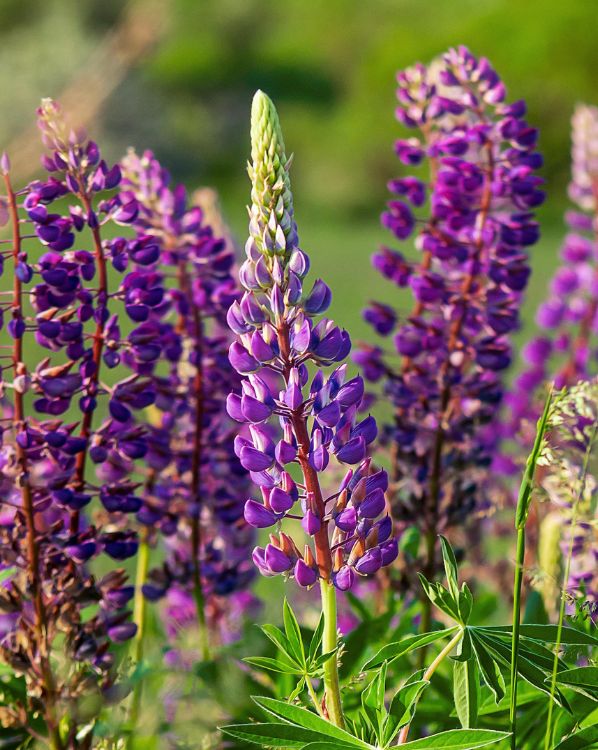
Gardeners who prefer a more refined look often choose lupines, upright plants that present cone-shaped flower clusters in rich tones.
Lupines add texture and height while remaining narrow enough to sit comfortably near clematis vines. Their vertical form gives the garden a structured appearance and draws the eye upward.
Another useful option is foxglove, a plant that produces tall spires lined with bell-shaped flowers. Foxglove adds height and movement to the garden and pairs well with clematis because it does not spread aggressively. Its blooms appear at roughly the same time as many clematis varieties, creating a coordinated and appealing display.
Tall clematis varieties benefit from upright partners like delphinium, hollyhock, lupines, and foxglove, which introduce structure and rhythm to the design.
Their shared vertical presence builds harmony in height and form, resulting in a garden display that feels balanced and visually dynamic.
Bloom Partners to Carry Color Through the Seasons
Clematis vines often produce stunning bursts of color, but their bloom periods can vary from early spring to fall, depending on the variety. Planting bloom partners around your clematis helps keep color in the garden for longer stretches of the year.
These companions fill the quiet weeks when clematis rests, creating a continuous wave of blossoms that keeps the garden lively and engaging.
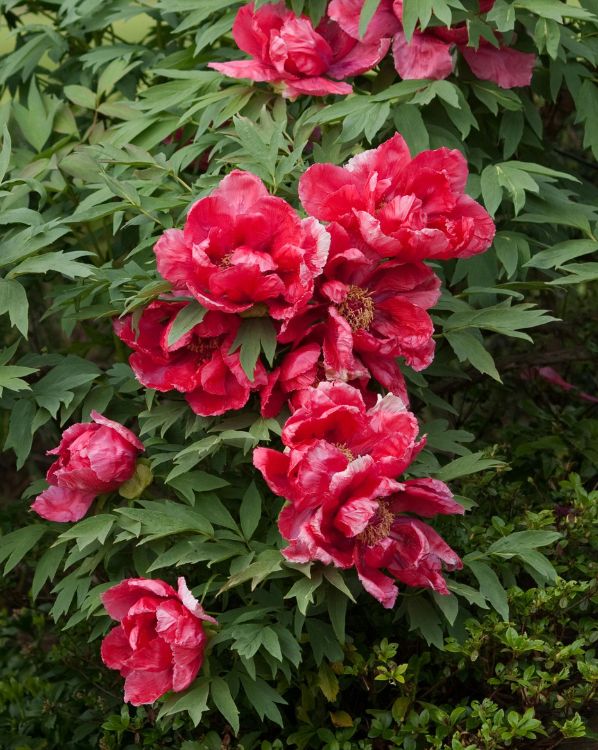
A dependable bloom partner is the peony, which brings large, full flowers that open in late spring. Peonies complement early-blooming clematis varieties by filling the garden with rich color once the vine begins to fade. Their sturdy structure and lush foliage also add weight and depth to the planting area.
For a later-season display, coneflower is an excellent choice. Its long blooming period stretches deep into summer, offering vibrant color that pairs well with mid-blooming clematis varieties. Coneflower stands upright without overwhelming the clematis and attracts pollinators that benefit the entire garden.
Another strong option is salvia, which produces spikes of purple, pink, or blue flowers. Salvia blooms for an extended period, helping bridge the gap between early- and late-flowering clematis. Its fine texture contrasts well with clematis petals, creating a pleasing visual balance.
Gardeners seeking a soft and romantic look often choose roses as bloom partners. Roses provide steady blossoms across long periods of the growing season, especially in varieties that continue flowering after the first flush. Their structure and fragrance create a beautiful pairing with the climbing form of clematis, and together they form one of the most classic garden combinations.
By selecting bloom partners such as peony, coneflower, salvia, and roses, you extend the color and excitement of your garden beyond the natural blooming cycle of clematis. These plants keep the space bright, interesting, and full of life throughout the seasons, creating a garden that stays visually striking even when the clematis takes a brief rest.
Leafy Companions That Make Clematis Blossoms Stand Out
Leafy companion plants play an important role in helping clematis blossoms appear brighter, bolder, and more defined within the garden. Clematis flowers are often soft, delicate, or finely shaped, so pairing them with plants that offer strong foliage contrast helps frame their color and texture.
These leafy companions do not compete for height or overwhelm the vine. Instead, they serve as a backdrop or border that highlights the clematis blooms, giving the entire garden a more intentional, artistic look.
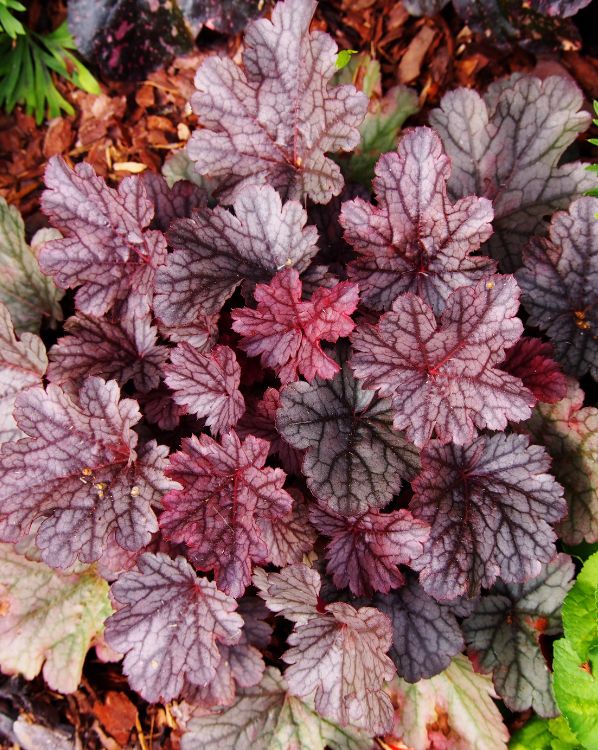
One excellent choice is heuchera, a plant known for its wide range of leaf colors, including deep burgundy, lime green, silver, and caramel tones. Heuchera leaves stay full and vibrant throughout the growing season, creating a steady background beneath clematis vines. Their rounded shapes and bold shades help clematis petals appear even more vivid against the foliage.
Another useful companion is brunnera, which has heart-shaped leaves often covered in silvery patterns. Brunnera adds a soft shimmer to shaded areas and pairs beautifully with clematis varieties that bloom in cool tones such as lavender or sky blue. The contrast between Brunnera’s patterned leaves and the clematis flowers draws attention upward to the vine without distracting from it.
For a more structured, architectural effect, gardeners often choose hostas for their wide, dramatic foliage. Hostas offer bold leaf shapes that anchor the base of the clematis, creating a strong visual foundation. The smooth textures and solid colors of hosta leaves help clematis blooms appear more delicate and artistic.
Japanese forest grass is another appealing partner, especially for gardeners who prefer softer movement in the landscape. Its arching, ribbon-like blades create a gentle, cascading texture that pairs well with nearby clematis vines. The fine foliage of Japanese forest grass helps frame clematis blooms without creating heavy shade.
Leafy companions such as heuchera, brunnera, hostas, and Japanese forest grass give clematis a backdrop that enhances contrast and definition.
The varied foliage shapes and tones create a natural frame that allows clematis flowers to stand out with clarity and elegance.
Final Thoughts
Clematis companion planting brings depth, harmony, and greater beauty to your garden by surrounding the vine with plants that encourage its growth and highlight its flowers.
When you choose companions that shade the roots, brighten the base, match clematis height, extend the bloom season, or provide leafy contrast, your garden feels more complete and visually balanced.
Careful combinations help clematis stand out while benefiting from healthier soil, steadier moisture, and natural protection. With thoughtful planting and an eye for color and shape, your clematis will grow confidently and become one of the most expressive features in your garden year after year.