
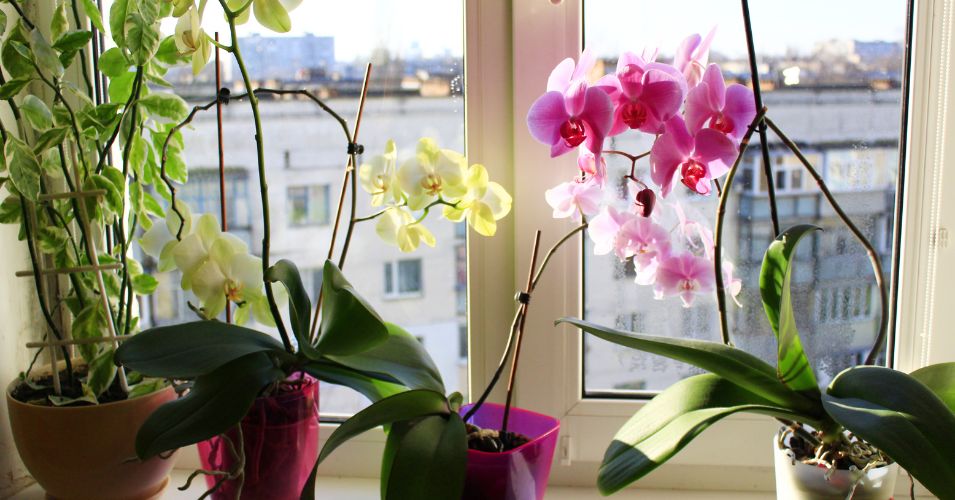
Orchids are among the most captivating houseplants, admired for their exotic beauty and long lasting blooms. Yet many orchid owners find themselves staring at a healthy plant with lush green leaves but no flowers in sight.
This can be frustrating, especially when months or even years go by without a single bloom.
The truth is that orchids are particular about their growing conditions, and even small mistakes can keep them from flowering.
Understanding the reasons behind their silence is the first step. With the right adjustments, you can encourage your orchids to reward you with dazzling blossoms once again.
Lack of Proper Light
One of the most common reasons orchids fail to bloom is a lack of adequate light. While orchids are known for their delicate appearance, they are not as fragile as many people think.
In fact, most of the popular varieties, such as Phalaenopsis, Cattleya, and Dendrobium, need bright but indirect light to produce flowers. Without enough light, orchids will often continue to grow lush, green leaves but will not have the energy or resources to form flower spikes.
The challenge with light is balance. Too little, and the orchid does not bloom. Too much, and the leaves may scorch or turn yellow. A good rule of thumb is to look at the color of the leaves. Healthy orchid leaves should be a medium to light green.
If the leaves are very dark, the plant is not receiving enough light, which almost always leads to a lack of blooms. If the leaves are yellow or have brown patches, it may be getting too much direct sunlight.
The placement of orchids in the home plays a huge role in their ability to bloom. A north facing window is often too dim, while a south facing window may provide too much harsh light unless filtered with a sheer curtain.
East and west facing windows tend to be the most reliable, offering bright light without the intensity that can damage the plant. In regions with limited natural sunlight during winter, grow lights can provide the extra boost orchids need to thrive and bloom.
Another aspect of light to consider is duration. Orchids need consistent light throughout the day to mimic their natural tropical environments. Providing 12 to 14 hours of light daily, especially during shorter winter months, can help trigger flowering. Without this steady rhythm, the plant may remain healthy but flowerless.
Understanding light needs is essential because blooms require more energy than foliage. If your orchid has beautiful green leaves but refuses to produce flowers, the first solution is often as simple as adjusting its access to proper light. Once the balance is restored, the plant can redirect its strength toward creating the blooms that make it so beloved.
Incorrect Watering Habits
Another major reason orchids fail to bloom is improper watering. Many people assume orchids are fragile and either overcompensate with too much water or neglect them with too little.
Both extremes can prevent the plant from producing flowers. Orchids need a careful balance of moisture and airflow around their roots, which differs from many other common houseplants.
Overwatering is the most frequent mistake. Because most orchids grow naturally in tree canopies rather than in soil, their roots are adapted to take in moisture quickly and then dry out before the next rainfall.
When grown in pots with dense soil or watered too often, the roots may stay soggy. This leads to root rot, which not only harms the plant but also prevents it from gathering the energy required for blooming. Signs of overwatering include limp leaves, blackened roots, and a plant that looks weak despite frequent care.
On the other hand, underwatering can be equally harmful. If orchids are left too dry for extended periods, their roots shrivel and lose the ability to absorb nutrients.
This stress puts the plant into survival mode, where it focuses on preserving its leaves rather than investing energy in flowers. The result is a healthy looking plant that refuses to bloom.
The solution lies in learning the specific needs of your orchid variety. Phalaenopsis orchids, for example, typically need water once a week, while orchids in drier environments may need more frequent attention.
The best practice is to water thoroughly, allowing water to run through the drainage holes, and then let the roots dry slightly before watering again. Clear pots are helpful because they allow you to see the roots and monitor their condition. Healthy roots should be firm and green after watering, turning silvery as they dry.
Humidity also plays a role in watering habits. In dry indoor air, orchids may need misting or a humidity tray to supplement moisture levels. Without this extra care, buds may fail to form or drop prematurely.
By correcting watering habits and focusing on the roots rather than just the leaves, you give orchids the stable foundation they need to bloom. Proper hydration ensures they can channel their strength into producing the breathtaking flowers that every grower longs to see.
Nutrient Needs Not Met
Orchids, like all plants, require the right nutrients to produce blooms. When they are grown in pots, especially in bark or moss based media, they do not receive the same natural nutrients they would get in their native tropical environments.
Over time, the growing medium breaks down, and nutrients are depleted. If these are not replenished with a proper fertilizer, orchids may grow healthy leaves and roots but will not have the extra energy required to create flower spikes.
One common mistake is feeding orchids too little. Many people are hesitant to fertilize orchids because they fear burning the roots or harming the plant. While it is true that orchids require less fertilizer than many other houseplants, they still need regular feeding.
A balanced fertilizer, often diluted to half or even a quarter of the recommended strength, is ideal. Without this, the plant lacks the resources to transition from leafy growth to reproductive growth, leaving you with foliage but no flowers.
Another mistake is providing the wrong type of fertilizer. Orchids need different nutrients at different times of the year. Nitrogen supports leafy growth, while phosphorus and potassium play a bigger role in encouraging blooms and strong roots.
If your orchid receives too much nitrogen and not enough phosphorus or potassium, it will continue producing lush green leaves but will neglect to form flowers. This imbalance is a common cause of bloom failure.
Regular feeding with an orchid specific fertilizer, especially one with a higher phosphorus content during the blooming season, can make all the difference.
Many growers follow the rule of “weakly, weekly,” applying a diluted fertilizer every week during active growth. This ensures that the plant receives a steady supply of nutrients without overwhelming it.
Repotting also ties into nutrient needs. Over time, orchid media can become compacted, reducing airflow and holding too much water. Old media also lacks the ability to provide nutrients effectively.
Repotting every one to two years into fresh bark or moss helps maintain both nutrition and root health, setting the stage for blooming.
Meeting an orchid’s nutrient needs is not about heavy feeding but about consistent, balanced care. With the right food and fresh growing conditions, orchids can move past survival mode and begin the rewarding process of flowering.
Temperature and Humidity Issues
Temperature and humidity play a huge role in whether orchids bloom.
In their native habitats, many orchids experience natural temperature fluctuations between day and night, as well as high humidity levels that mimic tropical rainforests. Without these environmental cues, orchids may remain healthy but will not feel the signal to flower.
For many common orchid types, including Phalaenopsis, a slight drop in nighttime temperatures helps trigger the development of flower spikes. During late summer or fall, when nights begin to cool, orchids use this change as a signal that it is time to prepare for blooming.
If the indoor environment remains at the same temperature day and night, the orchid may not recognize the change in season and therefore may not produce flowers.
Providing a difference of about 10 to 15 degrees between day and night can help stimulate flowering. For example, daytime temperatures around 75 degrees and nighttime temperatures around 60 to 65 degrees often encourage bloom spikes.
Humidity is another critical factor. Orchids thrive in environments with humidity levels between 40 and 70 percent, depending on the variety. In many homes, especially during winter when heating systems run, humidity drops far below this range.
Dry air can prevent buds from forming or cause them to shrivel and drop before they open. Even if leaves and roots look healthy, low humidity can quietly sabotage the flowering process.
Solutions include using humidity trays, room humidifiers, or grouping plants together to create a more humid microclimate. Misting can also help, though it must be done carefully to avoid water sitting in the crown of the plant, which can lead to rot.
Providing proper airflow alongside humidity is essential to prevent fungal problems while keeping the environment comfortable for orchids.
Light, temperature, and humidity all work together to create the conditions orchids need to bloom. Without the subtle seasonal changes they expect, orchids may continue to grow leaves but never shift into flowering mode.
By recreating these natural cues indoors, you encourage your orchids to follow their natural rhythms and reward you with the long awaited blooms that make them so treasured.
Encouraging Orchids Back to Bloom
When orchids refuse to bloom, it is easy to feel discouraged, but with patience and the right adjustments, most orchids can be coaxed back into flowering.
The key is to recreate the conditions that trigger blooms in their natural environments while also making sure the plant has enough stored energy to support the process. Encouraging orchids back to bloom often requires fine tuning multiple factors rather than relying on just one solution.
The first step is to ensure the orchid has built enough strength during its growth phase. Leaves and roots must be healthy before the plant can produce flower spikes.
If your orchid looks weak or has damaged roots, focus first on restoring its health. Repotting into fresh media, trimming away rotted roots, and providing balanced fertilizer can help stabilize the plant so it has the foundation to support blooms.
Once the plant is healthy, shifting environmental conditions often sparks flowering. Orchids respond strongly to changes in temperature and light. Introducing a period of cooler nights, with a difference of about 10 to 15 degrees from daytime temperatures, can function as a signal to begin forming flower spikes.
This change mimics the seasonal cues orchids experience in nature. Along with temperature adjustments, making sure the plant receives adequate light is critical. Moving the orchid closer to a bright window or providing supplemental grow lights may be all that is needed to jump start blooming.
Another technique to encourage flowers is adjusting fertilizer use. During the growing season, orchids benefit from a balanced fertilizer, but when you want to promote blooming, switching to one with a higher phosphorus content can give the plant the nutrients it needs to produce flower spikes.
Many growers find success with the “weakly, weekly” approach, feeding diluted fertilizer regularly to avoid overwhelming the plant.
It is also important to be patient. Some orchids, especially Phalaenopsis, naturally bloom only once a year, and their cycles do not always align with our expectations. Even with perfect care, an orchid may take months to respond.
Avoid the temptation to overcorrect with constant changes, as this can stress the plant further. Instead, provide stable conditions, make small adjustments where needed, and give the orchid time to respond.
Encouraging orchids to bloom again is as much about observation as it is about care. By paying attention to what your plant needs and responding to its natural rhythms, you can gently guide it back to flowering.
When the first spike appears and buds begin to swell, the reward of patient care and persistence is a stunning display of blossoms that makes the wait worthwhile.
Final Thoughts
When orchids fail to bloom, it is rarely a sign of failure on your part. More often, it is an indication that the plant’s needs are not fully met, whether in terms of light, water, nutrients, or environmental cues.
By learning to read these signs, you gain a deeper understanding of your orchid and the conditions it requires.
The path to renewed blooms is a combination of correcting care routines and recreating natural triggers. Patience is just as important as precision, since orchids often take time to respond to changes.
With steady care and attention, your orchids can return to bloom, rewarding you with the spectacular flowers that make them some of the most cherished plants in the world.