
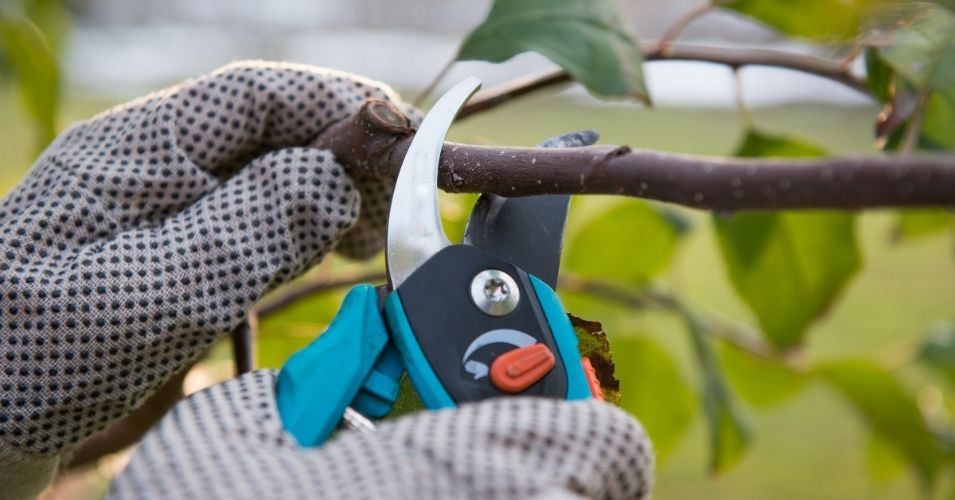
Winter might seem like the quiet season in the garden, but it’s actually one of the best times to roll up your sleeves and grab your pruning shears. When most plants are dormant, pruning can shape growth, remove damage, and set the stage for a burst of color in spring.
Knowing which plants to prune now and which ones to leave alone is key. Some thrive after a winter trim, while others can suffer if cut too early. With the right approach, you’ll gently wake your garden and give it a healthy, beautiful start to the year.
Why Winter Is the Perfect Time to Prune
When the cold settles in and most plants fall into dormancy, it might look like the garden has gone entirely to sleep. But that quiet, resting period is precisely what makes winter the perfect time to prune. It’s a season when plants pause their growth, which means you can trim and shape them without interrupting their natural rhythm or causing unnecessary stress.
During winter, the sap inside trees and shrubs moves slowly. This reduced activity helps minimize the risk of sap loss and disease when you make cuts. It’s almost like operating in slow motion, giving plants time to heal before the burst of new growth in spring.
Another advantage is visibility. With leaves gone from deciduous plants, you can clearly see their structure. This makes it easier to spot crossing branches, dead wood, or damaged areas that might have been hidden in summer’s fullness. You can shape trees more precisely and remove unwanted growth without guessing where new buds might appear.
Pruning in winter also helps prevent the spread of certain diseases. Fungal spores and pests that are active in warm weather are mostly dormant now. This means open cuts are less likely to become infected, allowing for cleaner healing and healthier growth later.
For fruit trees and ornamental species, winter pruning can stimulate strong spring growth. Removing weak or overcrowded branches allows sunlight and air to reach the plant’s inner parts, improving fruit quality and flower production.
There’s also a practical benefit for you, the gardener. Working in winter is easier. Without the heat, bugs, or thick foliage, pruning becomes a calm, focused task. You can move around your garden comfortably, clearly see its structure, and plan future changes.
However, timing matters. It’s best to prune on a mild day when temperatures are above freezing. Freezing weather can cause freshly cut wood to dry out and crack. Choose a day when the air is calm, and the forecast doesn’t call for deep freezes in the following nights.
By pruning in winter, you’re helping your plants wake up in spring full of energy, ready to grow stronger and healthier. It’s one of those quiet garden chores that pays off in color, shape, and vitality once the snow melts and green shoots return.
Winter might look still and silent, but beneath the surface, it’s a season of preparation. Each thoughtful cut you make now lays the groundwork for the beauty that’s just waiting to unfold.
Trees That Benefit from a Cold-Season Trim
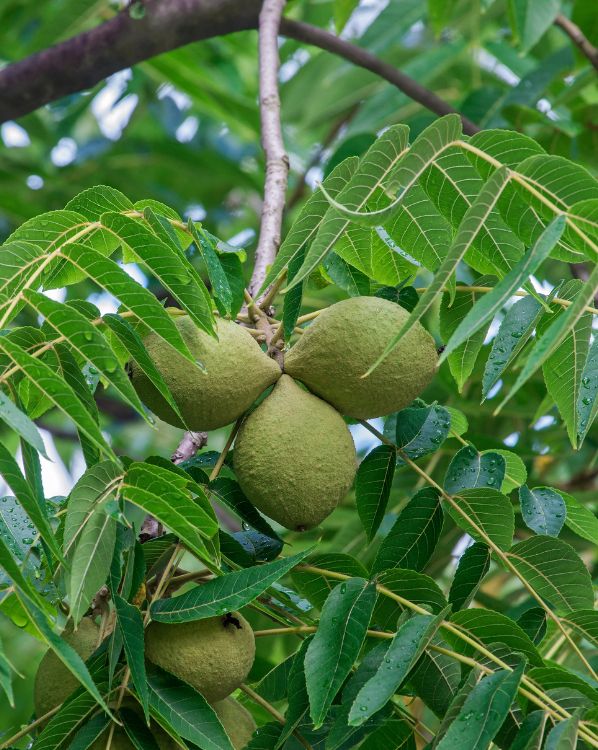
While not every tree enjoys a winter haircut, there are several that truly thrive after a cold-season trim. Knowing which trees to prune now can help you improve their shape, strengthen their structure, and encourage better growth once spring returns.
Fruit trees are some of the best candidates for winter pruning. Apples, pears, and plums respond well to trimming while dormant. Removing crowded or crossing branches improves air circulation and allows sunlight to reach the developing fruit later on. When you prune them in winter, the tree’s energy is redirected toward producing stronger limbs and better fruiting wood.
Cut out any dead, diseased, or rubbing branches first. Then thin out the canopy to create a more open structure. A good rule of thumb is to aim for a balanced shape that allows light to penetrate evenly. This helps reduce the risk of fungal problems once the weather warms.
Maple, birch, and walnut trees can also be pruned in winter, but it’s best to wait until late winter when temperatures begin to rise slightly. These trees tend to bleed sap if pruned too early, and while that bleeding isn’t usually harmful, it can make a sticky mess.
Oak trees, on the other hand, should only be pruned in winter. Doing so at this time of year prevents oak wilt, a deadly disease spread by beetles that are active in warmer weather. The cold season keeps these pests dormant, making winter pruning the safest time for oaks.
Elm and ash trees also benefit from winter pruning for similar reasons. It reduces the risk of spreading diseases such as Dutch elm disease or ash dieback. Removing dead or damaged wood helps keep these trees strong and allows you to control shape and size before new growth begins.
Even ornamental trees such as crabapple, hawthorn, and dogwood can use a tidy-up now. Pruning helps refine their shape and remove any weak branches that might break under the weight of snow or ice.
Always use sharp, clean tools to make smooth cuts just outside the branch collar, which is the swollen area where the branch meets the trunk. Avoid cutting too close to the trunk, as this can harm the tree’s natural healing process.
Winter is also a good time to step back and assess your trees from a distance. Without leaves in the way, you can study their form and decide if certain limbs are growing too low or crossing in awkward ways.
By trimming your trees during the cold months, you’re not just keeping them tidy. You’re helping them focus their energy where it matters most. When the first warm days of spring arrive, those pruned trees will burst into growth, healthier and better balanced than before.
A well-timed winter pruning gives trees strength, structure, and beauty that lasts for years to come. It’s one of the simplest ways to keep your landscape thriving season after season.
Shrubs That Love a Winter Cutback
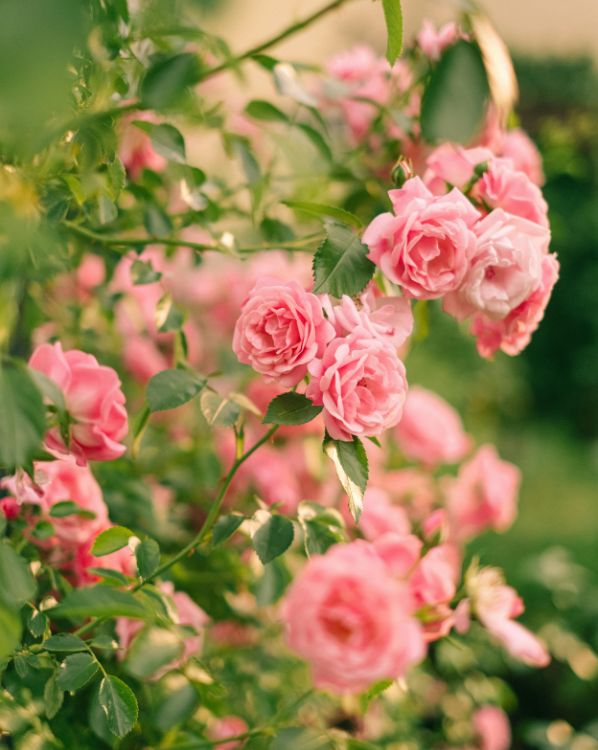
When winter arrives and your garden seems bare, that’s actually the perfect time to give many shrubs a fresh start. While not every shrub enjoys a winter trim, there are plenty that thrive when pruned during their dormant months. Cutting them back now encourages stronger growth, better blooms, and a cleaner, more manageable shape once spring arrives.
One of the best examples is butterfly bush (Buddleia). This popular flowering shrub blooms on new wood, which means the fresh stems that grow in spring will carry the next season’s flowers. Pruning it hard in late winter helps it grow dense, healthy shoots and prevents it from becoming woody or overgrown. Cut the plant back to about 12 inches from the ground, removing any weak or crossing branches.
Hydrangea paniculata, also known as panicle hydrangea, is another shrub that benefits from a winter cutback. Like the butterfly bush, it blooms on new wood. Pruning in winter or early spring encourages fuller flower clusters and keeps the plant from growing too tall or leggy. Remove any dead stems and shape the plant by trimming back last year’s growth to a pair of strong buds.
Spirea, particularly the summer-blooming varieties, can also be pruned in winter. Cutting back older stems rejuvenates the plant and stimulates a fresh flush of flowers. Aim to remove about one-third of the oldest wood near the base each year to keep it productive and compact.
Roses, especially shrub and climbing varieties, appreciate winter attention too. In colder regions, wait until late winter when the worst freezes are past. Remove any dead or crossing canes, and trim healthy stems to shape the plant. This prepares it for vigorous new growth and abundant blooms once temperatures rise.
Red twig dogwood is another great candidate for winter pruning. Its bright red stems are a highlight in snowy gardens, but older stems gradually lose their color. Cutting back one-third of the oldest branches to the ground each winter encourages new, vividly colored growth that stands out beautifully against the winter landscape.
When pruning shrubs in winter, focus on removing dead, damaged, or diseased wood first. Then, thin out crowded areas to improve airflow and light penetration. Always use clean, sharp tools to make neat cuts, as ragged edges can invite disease.
The beauty of pruning shrubs in winter is that you’re setting them up for success before they even wake from their seasonal rest. By the time the first warm days arrive, they’ll be ready to burst with energy, filling your garden with new growth and vibrant color.
Winter pruning isn’t just about keeping things neat. It’s about giving your shrubs room to breathe, light to grow, and the strength to thrive for seasons to come.
Perennials That Appreciate a Late-Season Refresh\
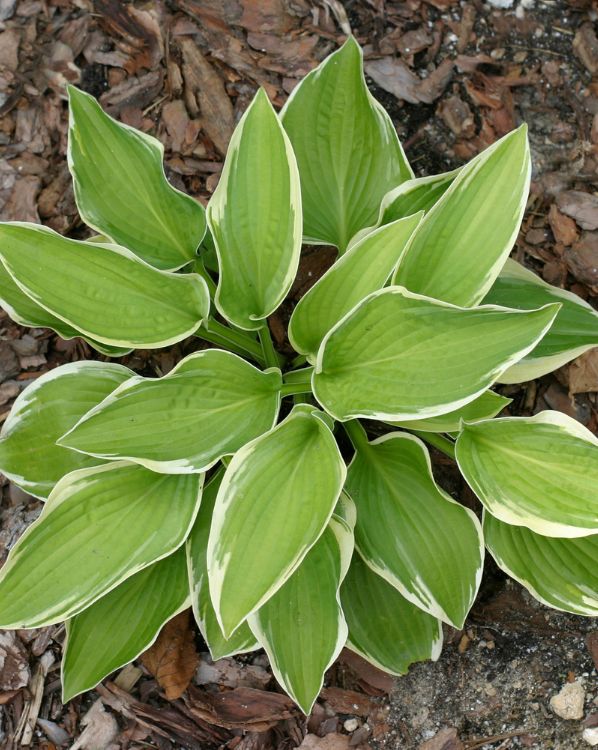
Perennials may look tired and lifeless once winter hits, but beneath that dry surface, they’re quietly preparing for another year of growth. Some perennials prefer to be left alone until spring, but others truly benefit from a winter cleanup. Knowing which ones to refresh during the cold season helps them rest easier and bounce back more vigorously when the weather warms.
One of the best-known perennials for winter pruning is hosta. After the first frost, their leaves turn to mush and collapse on the ground. Leaving that decaying material in place can invite pests, such as slugs, to hide beneath it. Cutting hostas down to a few inches above the soil and clearing away dead leaves keeps the area clean and disease-free.
Daylilies are another great candidate for a winter trim. Once their foliage turns brown and brittle, snip it down to the ground. Removing the old growth helps prevent rot and makes room for fresh shoots to emerge quickly when spring arrives.
Shasta daisies and coreopsis also appreciate a winter refresh. These plants bloom heavily through summer and early fall, and their stems often die back after frost. Cutting them down helps maintain a tidy garden and allows the crowns to rest safely beneath the soil during cold months.
If you grow bee balm (Monarda) or coneflowers (Echinacea), you can cut them back in late winter as well. They often hold dried seed heads that feed birds through early winter, but once those are picked clean, trimming helps the plant focus on new growth.
For Russian sage, wait until late winter to prune. Cutting it back too early can expose it to frost damage, but trimming it down to about 12 inches just before spring encourages fuller, bushier growth.
When pruning perennials in winter, always wait until the plants have gone completely dormant. You’ll know this when their stems are dry and hollow. Cut them to just above ground level, remove any debris, and lightly mulch around the crowns to protect them from freezing.
Winter pruning also gives you a head start on spring maintenance. It clears away clutter, reduces disease risk, and lets your garden breathe again after a long growing season.
The key is balance. Some plants like ornamental grasses or seed-bearing perennials can be left standing for texture and wildlife, while others prefer a clean slate. By choosing carefully, you keep your garden both beautiful and healthy through the quiet months.
A thoughtful winter refresh gives your perennials exactly what they need: a clean rest, safe roots, and a strong foundation for the explosion of color that comes when spring unfolds once more.
What Not to Prune Until Spring
While winter is an excellent time to prune many plants, not everything in your garden should face the shears during the cold months. Some shrubs, trees, and perennials depend on their old wood to produce blooms. Others need warmer weather to heal properly after pruning. Knowing what to leave alone until spring can save you from losing flowers, weakening plants, or exposing them to unnecessary stress.
One of the biggest pruning mistakes gardeners make in winter is trimming spring-flowering shrubs too early. Plants like lilac, forsythia, azalea, rhododendron, and mock orange all form their flower buds on old wood during the previous summer. If you prune them in winter, you’ll be cutting off the very buds that were meant to bloom in the coming spring. Instead, wait until right after they finish flowering to prune these shrubs. That timing gives them enough time to grow new shoots and form next year’s buds before cold weather returns.
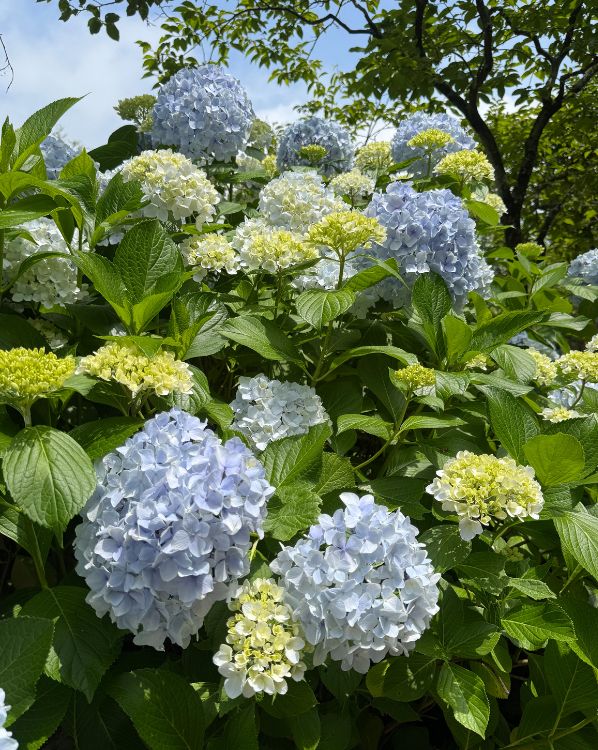
Hydrangeas are another group that requires careful timing. While some, like panicle and smooth hydrangeas, bloom on new wood and can be pruned in winter, others, such as bigleaf and oakleaf varieties, develop buds on old stems. If you’re not sure which type you have, it’s safest to wait until after they bloom before pruning. That way, you won’t risk losing the coming season’s flowers.
Avoid heavy pruning of evergreens in winter as well. Plants such as boxwood, holly, juniper, and arborvitae are susceptible to winter burn. When you cut them during cold weather, it exposes fresh inner growth that can dry out in harsh winds or strong sunlight. Late spring, after the last frost, is a better time to shape or thin evergreen shrubs.
Roses, particularly hybrid teas and climbing types, should also wait until spring in cold climates. Pruning them in winter can expose open cuts to freezing temperatures, potentially leading to dieback. Once the risk of frost has passed, you can safely remove dead wood and shape it for healthy growth.
Perennials that stay green through winter, like lavender or sage, are best left untrimmed until new growth appears. Cutting too early can leave them vulnerable to rot or frost damage.
In short, if you’re unsure about a plant’s bloom cycle or winter hardiness, it’s better to wait. The safest approach is to prune after flowering or after new growth appears. Plants have their own rhythm, and respecting that timing ensures they’ll reward you with vibrant, healthy growth once the season turns.
By holding off on certain plants until spring, you protect the complex work nature already did last year. You’re not just saving flowers. You’re giving your garden the best chance to thrive for seasons to come.
Final Thoughts
Pruning in winter is one of the most rewarding ways to care for your garden, but it’s also an art of timing and observation.
The key is knowing which plants benefit from a cold-season trim and which ones need to wait for warmer days. Every careful cut you make helps your garden stay balanced, healthy, and full of life.
By respecting each plant’s natural rhythm, you set the stage for a spring filled with energy and color. The quiet work you do in winter becomes the foundation for the beauty that follows.
A thoughtful winter prune is more than maintenance. It’s an act of preparation that brings your garden back stronger than ever when the world begins to bloom again.