
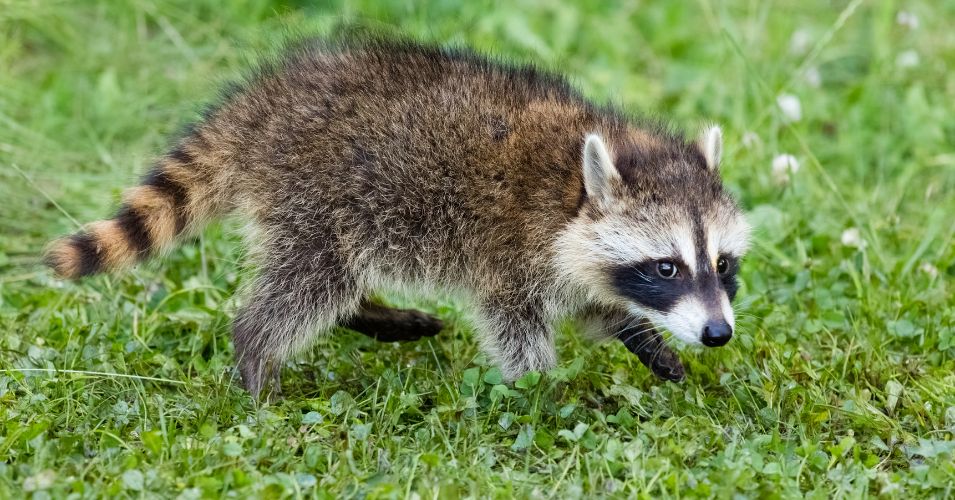
Raccoons can seem clever and curious, but when they choose your yard as their playground, the damage adds up fast.
They dig through trash, tear into gardens, scare pets, and often return night after night once they feel comfortable.
Many homeowners want a way to keep raccoons away without causing harm or relying on expensive equipment.
One of the most effective solutions uses a raccoon’s strongest sense against it. Smell plays a significant role in how raccoons choose where to eat, nest, and travel. By using scents raccoons hate, you can make your yard feel unsafe and uninviting naturally and practically.
How Raccoons Use Smell to Plan Nighttime Food Runs
Raccoons are nighttime animals that rely on smell far more than sight when they move through neighborhoods after dark. Once the sun goes down, their noses become their primary guide for deciding where to travel and where to stop.
Smell helps raccoons map food sources in advance. They remember where odors were strongest on previous nights and return to those same locations again and again. This is why raccoon problems often feel repetitive and predictable.
A raccoon can detect food smells from impressive distances. Trash bins, compost piles, pet food, and even grease residue on grills act like glowing signs in the dark. To a raccoon, these smells promise an easy meal.
Their sense of smell also helps them judge safety. If food odors are mixed with unfamiliar or threatening scents, raccoons become cautious. They slow down, circle the area, or leave entirely.
This behavior explains why scent-based deterrents work so well for raccoons. You are not just masking food smells. You are changing how safe the area feels during their nighttime patrols.
Raccoons are also creatures of habit. Once they believe a location is reliable, they build routes around it. These routes can include multiple yards, alleys, and tree lines.
Breaking that pattern requires consistency. When raccoons repeatedly encounter unpleasant or confusing smells, their confidence fades. They begin to question whether the food is worth the risk.
Unlike squirrels, raccoons are cautious when uncertain. A strong, unpleasant smell can outweigh hunger, especially if safer options are nearby.
By understanding how raccoons plan their nightly movements through scent, homeowners can interrupt those plans. When your yard stops smelling like opportunity and starts smelling like danger or discomfort, raccoons quietly move on.
Trash, Compost, and Kitchen Odors Raccoons Hate
Raccoons are drawn to trash and compost because these areas produce powerful food scents. However, certain odors within these same spaces can repel raccoons when used correctly.
Ammonia is one of the strongest smells raccoons dislike. It resembles the scent of predator urine and signals danger. When raccoons smell ammonia near trash bins, they often back away without investigating further.
Vinegar is another effective deterrent. Its sharp and acidic odor overwhelms a raccoon’s nose and interferes with food detection. This makes trash cans feel unreliable and unpleasant.
Garlic produces a pungent scent that raccoons avoid. While it smells edible to humans, raccoons associate a strong garlic odor with spoiled or unsafe food.
Onions create a similar reaction. The sulfur-like smell lingers and causes discomfort, especially in enclosed areas like garbage enclosures or sheds.
Peppermint oil can also help in trash areas. Its intense aroma disrupts a raccoon’s ability to sort through competing smells, which leads to frustration and avoidance.
Used coffee grounds are surprisingly useful. Their bitter, earthy odor masks food smells, creating a confusing scent environment that raccoons dislike navigating.
Regularly cleaning trash bins reduces lingering food odors. Once cleaned, applying repellent scents becomes far more effective.
The key is placement. Odors should be concentrated around lids, entry points, and areas where raccoons typically pry or claw.
These smells must be refreshed often. Rain, heat, and time quickly weaken them.
When trash and compost areas stop smelling like easy rewards, raccoons shift their attention elsewhere. Over time, they learn your yard is not worth the effort or risk.
Garden and Yard Scents That Disrupt Raccoon Routines
Raccoons move through yards with intention. They follow familiar paths, check known food spots, and rely on memory to guide their nightly routines. When certain smells interfere with that routine, raccoons often abandon the area altogether.
Epsom salt is one scent raccoons strongly dislike. Its mineral smell irritates their nose and paws, especially when sprinkled along garden borders or entry paths. It creates a physical and sensory barrier they prefer not to cross.
Castor oil has a thick, earthy odor that raccoons avoid. When mixed with water and sprayed onto lawns or garden beds, it alters the soil’s smell. This makes the ground feel unsafe for digging or walking.
Citrus peels and citrus oil are also effective. Raccoons dislike the sharp, acidic scent of lemon and orange. These smells overwhelm food signals, making gardens feel hostile rather than inviting.
Geranium plants produce a strong aroma that raccoons avoid. Their scent disrupts a raccoon’s ability to focus and navigate, which breaks habitual movement patterns through a yard.
Hot pepper-based sprays work well in garden areas. The smell alone can irritate and discourage sniffing, even before contact. This keeps raccoons from investigating plants and produce.
Mothballs are sometimes mentioned, but they should not be used due to toxicity risks. Safer plant-based and mineral options are more effective in the long term.
What matters most is consistency. Raccoons rely on predictability. When garden scents change frequently or remain unpleasant, their routines collapse.
Once a raccoon can no longer trust a path or garden bed, it stops checking that area. Over time, this breaks the habit entirely.
Disrupting routine is more effective than trying to scare raccoons away. Smells that make navigation uncomfortable quietly convince them to move on.
Predator Smells That Break Raccoon Territory Habits
Raccoons are territorial but cautious. They will claim areas that feel safe, yet abandon them quickly if predator signs appear. Smell is the primary signal they use to judge that risk.
Fox urine is one of the most effective predator scents for raccoons. Foxes hunt raccoons, and their scent signals an active threat. Even trace amounts can make raccoons avoid an area.
Coyote urine is another strong deterrent. Coyotes dominate raccoons in shared territory. When raccoons detect this scent, they assume competition or danger and retreat.
Bobcat urine is potent in rural or wooded areas. Raccoons recognize bobcats as silent hunters. The smell alone is enough to trigger immediate avoidance.
Dog scent can also work. Areas frequently marked by dogs feel unsafe to raccoons, especially when combined with unfamiliar human activity.
Predator scents work by breaking a raccoon’s sense of ownership. Once a yard smells claimed by a larger animal, raccoons stop treating it as reliable territory.
These scents should be placed along boundaries rather than everywhere. Territory markers feel more realistic when concentrated near entrances, fence lines, and travel routes.
Predator odors must be refreshed regularly. Natural breakdown reduces effectiveness over time.
Overuse can reduce realism. Strategic placement keeps the scent believable and effective.
When raccoons repeatedly encounter predator smells, they change routes and stop returning. Territory habits dissolve, and the yard becomes someone else’s problem.
This method works best when combined with scent removal of food sources. Together, they send a clear message that your yard is no longer safe or rewarding.
Teaching Raccoons to Avoid Your Yard Using Scent
Teaching raccoons to avoid your yard is less about force and more about repetition. Raccoons are intelligent animals with strong memories. Once they decide a location is unsafe or unpleasant, they usually stop returning on their own.
The first step is removing attractive smells. Secure trash cans, rinse food residue from containers, and avoid leaving pet food outdoors overnight. This reduces the reward that encourages raccoons to tolerate discomfort.
Next, introduce negative scents gradually but consistently. Start with areas raccoons already visit, such as trash bins, garden edges, sheds, and fence lines. These are the locations where scent deterrents have the most significant impact.
Use a combination of smells rather than relying on one. Rotating between garlic, vinegar, castor oil, and predator-based scents prevents raccoons from adjusting. Variety keeps the environment unpredictable.
Placement matters more than quantity. Concentrate scents at entry points, climbing paths, and areas where raccoons pause to sniff or investigate. This creates decision points where they are most likely to turn away.
Refresh scents on a schedule. Weather, sunlight, and time weaken odors faster than many people expect. Reapplication every few days maintains effectiveness and reinforces the lesson.
Avoid flooding the entire yard with strong smells. Overuse can reduce realism and may cause odors to dissipate unevenly. Strategic placement feels more natural to raccoons and works longer.
Patience is essential. Raccoons may test the area a few times before giving up. Each negative experience strengthens avoidance.
When scent deterrents are paired with good sanitation and consistency, raccoons learn quickly. Your yard becomes a place they associate with discomfort and risk rather than food and safety.
Final Thoughts
Raccoons are clever, adaptable, and persistent, but they are also guided by instinct. Their keen sense of smell gives homeowners a decisive advantage in protecting yards and gardens.
Using scents raccoons hate allows you to change how your property feels without causing harm. Over time, negative smells reshape raccoon behavior and break established habits.
Success depends on consistency and awareness. When food rewards disappear, and unpleasant scents remain, raccoons choose easier options elsewhere.
With patience and the right approach, your yard can become quiet again, free from nightly visits and ongoing damage.