
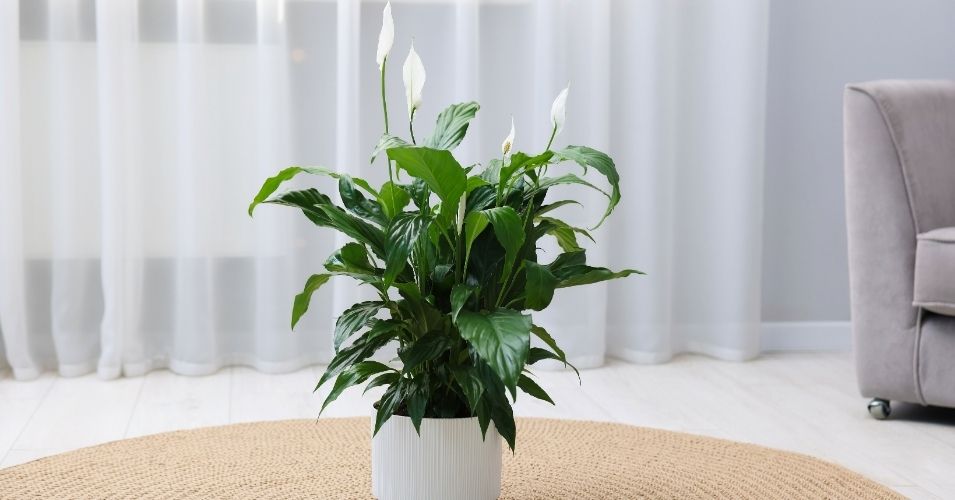
Caring for peace lilies in summer can feel a little tricky at first, especially when the heat starts to rise and sunlight becomes stronger than usual.
These elegant plants are known for their lush green leaves and graceful white blooms, but they are also sensitive to environmental changes.
The good news is that with the right approach, your peace lily can not only survive summer but truly thrive during it.
This guide will walk you through everything you need to know, from watering habits to light conditions, so your plant stays healthy and beautiful all season long.
What Changes for Peace Lilies During Summer Months
Summer changes the pace of life for your peace lily, often in ways that are easy to notice once you know what to look for.
Growth becomes more active, and the plant starts using more energy to push out fresh leaves and, in some cases, new blooms. This is when your plant is at its most vibrant, but also when it depends more heavily on consistent care.
One of the first things you may observe is how quickly the soil dries compared to cooler seasons. Warm air speeds up evaporation, and your plant draws in more moisture to support its growth.
As a result, watering needs increase, and delays can lead to drooping leaves that seem to appear overnight. This drooping is not a sign of failure, but rather a clear signal that your plant is thirsty.
Longer daylight hours also affect your peace lily, even indoors. The plant is exposed to light for more hours each day, which can support growth but also create stress if the light becomes too intense.
At the same time, indoor temperatures may rise, especially in rooms that trap heat during the afternoon. Peace lilies prefer stable conditions, so sudden spikes can cause subtle stress that shows up as yellowing or tired-looking leaves.
Humidity is another factor that shifts during summer. While some homes become more humid, others become dry due to fans or air conditioning. Peace lilies thrive in higher humidity, so dry indoor air can slow growth or cause brown tips on the leaves.
Understanding these seasonal changes allows you to adjust your care routine in small but important ways.
When you respond to your plant’s needs, it rewards you with stronger growth and a healthier appearance throughout the summer months.
Getting Light Conditions Just Right Indoors
Finding the right light for a peace lily during summer is a balance between giving enough brightness for growth while avoiding the harsh effects of direct sun.
These plants naturally grow under forest canopies, which means they are used to filtered light rather than intense exposure.
Indoors, the best spot is usually near a window that lets in bright but indirect light. A north or east-facing window often works well because it provides gentle illumination without strong midday rays.
If your plant sits near a south or west-facing window, you may need to soften the light using a thin curtain or by placing the plant a bit farther away.
Too much direct sunlight can cause visible damage quite quickly. Leaves may develop pale patches or scorched areas, or turn yellow as signs of stress. Once this happens, the affected leaves will not fully recover, so prevention is key.
On the other hand, too little light can slow growth and reduce the chances of blooming.
A healthy peace lily in proper lighting will have rich green leaves and a steady pattern of new growth. If the plant starts leaning toward the light source, it is a sign that it wants more brightness.
Rotating the pot every week or so helps keep the growth even and prevents the plant from becoming lopsided.
Summer light can also shift throughout the day, especially as the sun moves higher in the sky. A spot that felt perfect in spring might become too bright by midsummer. Paying attention to how light falls on your plant at different times of day helps you make small adjustments before problems arise.
By creating a consistent, gentle light environment, you give your peace lily the support it needs to grow strong without risking sun stress.
Water Your Plant Without Overdoing It
Watering a peace lily in summer can feel like a balancing act, especially when the plant seems to dry out faster than expected.
While it is true that these plants need more water during warmer months, giving too much can be just as harmful as giving too little. The goal is to stay attentive without falling into a routine that floods the roots.
A good starting point is to check the top layer of soil before watering. If the surface feels dry to the touch, it is usually time to water. If it still feels slightly damp, it is better to wait another day. This simple habit helps prevent overwatering, which is one of the most common causes of root problems.
Peace lilies are known for their dramatic drooping when they are thirsty. The leaves will bend downward, making the plant look tired and weak.
This can look alarming, but it is actually helpful because it gives you a clear signal. After watering, the plant often perks up within hours, showing how responsive it is to proper care.
When you water, aim to soak the soil evenly rather than adding small amounts frequently. Water until it begins to drain from the bottom of the pot, then allow any excess to escape fully. Letting the plant sit in standing water can lead to root rot, especially in warm conditions.
It is also worth paying attention to the type of water you use. Peace lilies can be sensitive to chemicals in tap water, which may cause brown leaf tips over time. If possible, using filtered or rested water can make a noticeable difference.
By staying observant and adjusting your watering schedule based on how quickly the soil dries, you create a routine that supports growth without overwhelming the plant.
This careful approach keeps the roots healthy and the leaves looking fresh throughout the summer season.
Feeding and Nutrients for Active Growth
Summer is when your peace lily is most active, and this increased growth means it benefits from a steady supply of nutrients. While these plants are not heavy feeders, a little support during this season can encourage fuller leaves and more frequent blooms.
Fertilizing once every few weeks is usually enough to meet the plant’s needs. A balanced liquid fertilizer diluted to half strength works well, as it provides essential nutrients without overwhelming the roots.
Applying too much fertilizer can lead to salt buildup in the soil, which may damage the plant rather than help it.
Timing also matters when feeding your peace lily. It is best to fertilize after watering, when the soil is already moist. This helps distribute nutrients more evenly and reduces the risk of root burn. Feeding a dry plant can cause stress, especially during hot weather.
As your plant responds to feeding, you may notice stronger leaf growth and a deeper green color. In some cases, blooms may appear more readily when the plant receives consistent nutrients. These changes often happen gradually, so patience is key.
At the same time, it is important to recognize when to hold back. If your plant shows signs of stress, such as yellowing leaves or slowed growth, it may be better to pause feeding and focus on stabilizing its environment. Overfeeding can sometimes make these issues worse.
Another helpful practice is to flush the soil with clean water occasionally. This removes any excess minerals that may build up over time and keeps the root system in good condition.
Providing nutrients in a measured and thoughtful way supports your peace lily during its most active season. With the right balance, your plant can grow stronger and maintain a healthy, vibrant appearance all summer long.
Solve Common Summer Problems Before They Spread
Even with careful attention, peace lilies can run into a few common issues during summer, and catching them early makes all the difference.
Warm temperatures, stronger light, and faster growth create conditions where small problems can quickly become bigger ones if ignored.
One of the most frequent concerns is yellowing leaves. This can happen for several reasons, including overwatering, poor drainage, or sudden environmental changes.
If the soil feels soggy or the pot does not drain well, the roots may be struggling. Adjusting your watering routine and ensuring proper drainage often helps restore balance.
Brown tips are another issue many plant owners notice. These usually point to dry air or sensitivity to minerals in tap water.
Slightly increasing humidity or switching to filtered water can reduce this problem over time. While the damaged tips will not turn green again, new growth should look healthier once conditions improve.
Pests can also become more active in summer. Tiny insects like spider mites or aphids may appear, especially in warm indoor spaces. Regularly checking the undersides of leaves helps you spot them early. Gently wiping the leaves or rinsing the plant can help keep these pests under control before they spread.
Drooping that does not improve after watering can signal a deeper issue. In some cases, it may point to root stress rather than simple thirst. Checking the roots and refreshing the soil can help if the plant seems stuck in a cycle of decline.
Light stress is another factor to watch. If leaves develop pale or scorched patches, the plant may be getting too much direct sun. Moving it slightly away from the window or softening the light can prevent further damage.
By staying observant and responding quickly, you can prevent most summer problems from taking hold. Small adjustments made at the right time keep your peace lily looking healthy and resilient throughout the season.
Final Thoughts
Caring for a peace lily in summer comes down to paying attention and making small, thoughtful adjustments as conditions change.
When you understand how light, water, and nutrients work together, it becomes much easier to keep your plant thriving.
With a bit of consistency and a watchful eye, your peace lily can remain a calm and beautiful presence in your home all summer long.