
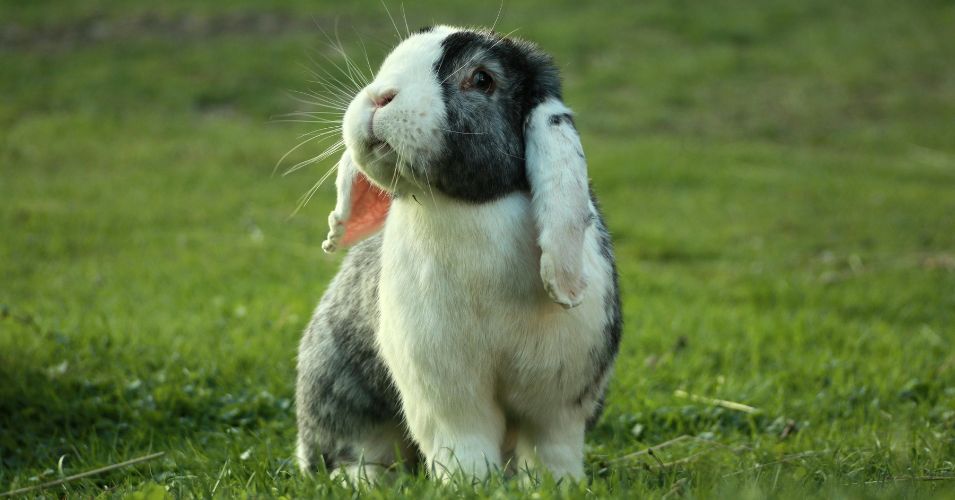
Rabbits may look harmless, but they can cause severe damage to a yard in a short amount of time.
They chew down flowers, strip vegetables, and gnaw on young plants without hesitation.
Many homeowners want to protect their yard without fencing everything or using harmful chemicals.
Smell is one of the most effective natural ways to keep rabbits away. Rabbits rely heavily on scent to decide where it is safe to feed.
Certain odors signal danger or discomfort, prompting them to leave. Knowing which smells rabbits hate can help you protect your yard simply and humanely.
Human Hair or Pet Fur
Human hair and pet fur create a scent that rabbits instinctively avoid. To a rabbit, these smells suggest that a large animal or predator has been nearby, making the area feel unsafe.
Rabbits are prey animals that survive by staying alert to danger. Their sense of smell helps them decide where to feed and where to hide. When they detect human hair or dog fur, they interpret it as a warning sign.
The smell does not need to be strong to be effective. Even small amounts can prompt caution, as rabbits associate these scents with movement, noise, and potential threats.
Human hair works because it carries natural oils and a long-lasting personal scent. Pet fur works similarly, especially if it comes from dogs or cats. These animals are natural predators in a rabbit’s environment.
Many homeowners collect hair from hairbrushes or salons and place it in breathable bags. Mesh bags, old socks, or loose piles allow the scent to spread while keeping the material contained.
Pet fur can be scattered lightly around garden beds or near entry points where rabbits often enter the yard. Placing it close to the ground helps the scent remain noticeable.
Rain and wind can reduce effectiveness over time. Refreshing the hair or fur every week helps maintain the deterrent effect.
One advantage of this method is that it is entirely natural and chemical-free. It does not harm plants, soil, or wildlife.
Human hair and pet fur are most effective as fear-based deterrents. They are most effective when rabbits already feel cautious about the area.
Combining this method with taste-based repellents strengthens results. Rabbits are less likely to test plants when both fear and discomfort are present.
With consistent placement, these familiar but threatening smells can convince rabbits that your yard is not a safe place to linger.
Strongly Scented Soap Bars
Soap bars with strong scents can be surprisingly effective at deterring rabbits. To a rabbit, these smells are intense, unnatural, and irritating.
Rabbits prefer areas that smell like soil, plants, and familiar vegetation. Strong soap scents disrupt that balance, making the environment feel uncomfortable.
Soaps that contain animal fats or heavy fragrances tend to work best. The scent lingers in the air and clings to nearby surfaces, creating a noticeable barrier.
Rabbits often avoid areas where soap bars are present because the smell overwhelms their senses. It can interfere with feeding and make plants seem unappealing.
Many homeowners hang soap bars from stakes, fences, or branches using string. This allows the scent to spread without direct contact with plants.
Soap bars can also be cut into smaller pieces and placed around garden beds. This helps distribute the smell evenly across the area.
Rain can slowly wear down soap bars, but this also helps release more scent at first. Replacing them as they shrink keeps the deterrent active.
Strongly scented soaps are safe when used correctly. They do not poison soil or harm plants when kept off leaves and roots.
This method works best as a preventative measure. It is most effective before rabbits establish regular feeding habits.
Combining soap bars with other repellents increases success. Layered smells make the area far less inviting.
Over time, rabbits learn to associate the strong soap scent with discomfort. This encourages them to seek out quieter, more natural-smelling spaces instead.
Lavender
Lavender produces a strong floral scent that many people enjoy, but rabbits often avoid it. To a rabbit, the scent is intense and unfamiliar compared to the mild smells of grass and leafy plants.
Rabbits rely on their noses to guide feeding decisions. When lavender scent is present, it disrupts the natural plant aromas they seek. This makes the area feel less safe and less appealing.
Lavender works as both a living plant and a scent source. When planted along borders, it creates a natural barrier that rabbits are hesitant to cross.
The scent becomes stronger when lavender is brushed or when it is warmed by the sun. This releases oils that spread through the air and into nearby soil.
Dried lavender can also be effective. Sachets or bundles placed near garden beds allow the smell to linger even when the plant is not in bloom.
Lavender does not scare rabbits, but it makes feeding uncomfortable. Rabbits prefer neutral scents that help them stay alert. Lavender overwhelms that balance.
One benefit of lavender is its long-lasting presence. As a perennial plant, it continues to produce scent season after season with minimal care.
Lavender thrives in sunny areas and well-drained soil. This makes it easy to integrate into many yard designs.
Rain does not immediately wash away lavender scent, though heavy moisture can reduce intensity. Crushing leaves occasionally helps refresh the smell.
Lavender is safe for people, pets, and pollinators when grown responsibly. It adds beauty while serving a practical purpose.
For best results, lavender works well when combined with fear-based deterrents. This combination makes the area both uncomfortable and risky in a rabbit’s mind.
With consistent presence, lavender helps signal that your yard is not an ideal feeding spot for rabbits.
Blood Meal
Blood meal is one of the strongest rabbit deterrents available. Its smell signals danger and death, which triggers a powerful fear response in rabbits.
Rabbits are prey animals that avoid areas associated with predators. Blood meal smells like a recent kill, which makes rabbits believe a threat is nearby.
The scent is strong and noticeable even in small amounts. Once applied, rabbits often avoid the area completely.
Blood meal is typically sprinkled around plants or garden borders. Watering lightly helps activate the smell and carry it into the soil.
The odor lingers for several days, especially in dry conditions. This makes blood meal effective as a short to medium-term deterrent.
Rain can reduce the smell over time. Reapplication is necessary to maintain effectiveness, especially after heavy weather.
Blood meal also acts as a nitrogen-rich fertilizer. This can benefit certain plants when used in moderation.
It is essential to follow the application instructions carefully. Overuse can harm plants or attract unwanted animals.
Blood meal should not be placed directly on edible plant leaves. Applying it to the soil around plants reduces risk.
This deterrent is most effective when used early in the season. Preventing rabbits from establishing feeding habits increases success.
Blood meal works exceptionally well when combined with taste-based repellents. Fear and discomfort together create strong avoidance.
When used responsibly, blood meal sends a clear warning that your yard is not a safe place for rabbits to feed or linger.
Egg-Based Repellents
Egg-based repellents are among the most effective smell deterrents for rabbits. These products rely on the strong sulfur odor released by decomposing eggs, which rabbits instinctively associate with decay and danger.
Rabbits are cautious feeders. They prefer fresh, clean-smelling plants and soil. When an egg-based smell is present, it signals that something is wrong with the area.
The scent is unpleasant and unfamiliar. It overwhelms the natural plant smells rabbits rely on to feel safe while eating.
Egg-based repellents work by coating plant surfaces. When rabbits approach, they detect sulfur compounds before taking a bite, which often prompts them to turn away immediately.
If a rabbit does attempt to nibble, the taste reinforces the warning. This negative experience teaches rabbits to avoid the treated area in the future.
Many commercial repellents use powdered egg solids mixed with water. Once sprayed, the solution dries onto leaves and stems, allowing the smell to linger.
One advantage of egg-based repellents is their staying power. When dry, the smell remains noticeable to rabbits even if humans barely detect it.
Rain can reduce effectiveness over time. Reapplication after heavy rain helps maintain consistent protection.
Egg-based repellents are safe to use around edible plants when applied according to instructions. They do not poison plants or soil.
These repellents work best when applied early. Preventing rabbits from getting comfortable in an area is easier than changing established habits.
Egg-based smells target rabbit behavior rather than causing harm. They rely on avoidance, not fear or injury.
For stronger results, egg-based repellents can be combined with plant scents or physical barriers. Layering methods makes it harder for rabbits to adapt.
When used consistently, the sulfur smell sends a clear message that your yard is not a healthy or safe feeding space for rabbits.
Final Thoughts
Keeping rabbits out of your yard does not require harsh chemicals or harmful solutions.
Rabbits respond strongly to smells that signal danger, decay, or discomfort. Using scent-based deterrents changes how rabbits experience your yard and makes feeding feel risky.
Consistency is the key to success. Reapplying repellents and rotating smells prevents rabbits from becoming comfortable.
Combining fear-based cues, taste deterrents, and strong odors creates the most reliable protection. With patience and the right approach, you can protect your plants while keeping nearby rabbits safe and unharmed.