
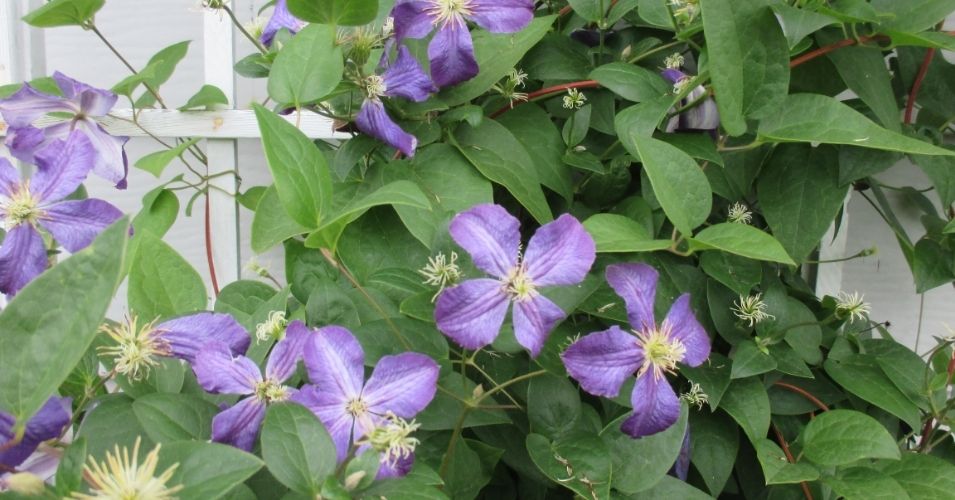
Clematis vines are beloved for their stunning flowers and their ability to climb fences, trellises, and walls with grace. Yet as fall approaches and winter looms, many gardeners begin to worry about how to protect these delicate climbers from frost, snow, and biting winds.
Clematis can be hardy, but without the right care, cold weather may damage their roots, weaken their vines, or reduce their blooms the following year.
By preparing them properly in fall and safeguarding them through winter, you can ensure these treasured plants rest safely and return in spring ready to put on their spectacular show.
Fall Preparation for Clematis Vines
Clematis vines may appear delicate above ground, but they are surprisingly resilient when given the right care before winter. Preparing them properly in the fall sets the stage for survival through freezing temperatures and ensures they have the energy to produce abundant flowers once the warmer months return.
Without proper preparation, clematis can suffer root damage, weak spring growth, and fewer blooms.
One of the first tasks in fall is to slow down on fertilizing. Feeding late in the season encourages tender new shoots that will not withstand frost. Instead, focus on helping the plant harden off its existing growth. This allows the energy to shift toward strengthening roots and storing reserves for dormancy.
Watering deeply before the ground freezes is another crucial step. While clematis do not require as much water in cooler weather, going into winter with dry soil leaves their root systems vulnerable to freeze damage. A thorough soaking in late fall ensures that roots remain hydrated throughout the cold months, especially in areas where snow cover may be inconsistent.
Cleaning up around the plant is also important. Removing fallen leaves, spent flowers, and plant debris reduces the risk of pests and diseases overwintering near the crown.
This is particularly helpful because clematis can be prone to fungal problems, and a clean base minimizes these risks while the plant is dormant.
For clematis growing on trellises or arbors, gently securing loose vines is a smart step. High winds and heavy snow can break fragile stems if they whip around in winter storms. Tying the vines loosely with garden twine provides stability without causing damage.
By paying attention to these fall chores, you give clematis a solid foundation heading into dormancy. A well-prepared plant will rest securely through the cold and awaken in spring ready to climb, flourish, and bloom.
Mulch and Soil Protection Around the Roots
The roots of clematis are the most important part of the plant to protect during winter. While the vines above ground may die back in extreme cold, healthy roots ensure new shoots emerge when the weather warms.
Mulching and protecting the soil around the base is one of the most effective ways to safeguard this vulnerable area.
Clematis prefer cool, shaded roots even during the growing season, which makes them especially dependent on insulation during winter. A thick layer of mulch acts like a blanket, regulating soil temperature and reducing the harmful effects of freeze-thaw cycles.
Without mulch, fluctuating temperatures can push roots upward and expose the crown, leaving the plant at risk of severe frost damage.
Organic materials such as shredded bark, straw, pine needles, or compost work well as mulch. Apply a layer six to eight inches deep around the base of the plant, making sure to cover the crown thoroughly.
In colder regions, some gardeners even mound soil or additional compost directly over the crown for added protection. This ensures that the part of the plant most essential for survival is shielded from harsh conditions.
Timing is key when applying mulch. Wait until late fall, after the first hard frost, to add the protective layer. Doing it too early may trap warmth and encourage pests or prevent the plant from entering proper dormancy.
Applying mulch at the right time keeps the soil cool and stable, while still providing the insulation needed once winter sets in.
Mulching not only protects against the cold but also helps retain soil moisture. Dry winter winds and lack of rainfall can deplete water from the soil, stressing the plant. By holding in moisture, mulch ensures the roots remain hydrated until spring growth begins.
In spring, gradually pull the mulch back to allow fresh shoots to emerge. By then, the danger of frost will have passed, and the clematis can begin its new cycle of growth.
With careful mulching, your clematis is far more likely to survive the winter and reward you with strong, vigorous blooms when the season changes.
Pruning Choices Based on Clematis Type
Pruning clematis is one of the most important fall and winter tasks, but it can also be one of the most confusing. The reason is that not all clematis are treated the same way.
Different varieties fall into distinct pruning groups and understanding which type you have determines whether your vines should be trimmed back in fall, left mostly alone, or pruned only lightly. Doing the wrong kind of pruning can reduce the number of flowers in the following season or leave your plant vulnerable to winter damage.
The first group includes clematis that bloom on old wood, often called spring bloomers. These varieties form their buds on growth from the previous year.
If you cut them back hard in fall, you will remove the buds that should bloom in spring. For this group, prune very lightly before winter. Simply remove dead, damaged, or weak stems and leave the rest intact. Heavy pruning should wait until after flowering in spring.
The second group contains clematis that bloom on both old and new wood, giving them two flushes of flowers in one season. These varieties are more forgiving but still need careful treatment in fall.
A light trim to reduce size and remove damaged stems is helpful but avoid cutting the plant down to the ground. Leaving a good amount of growth helps protect the crown and ensures a strong display of flowers in both spring and summer.
The third group, often called late bloomers, produces flowers only on new growth. These clematis can be cut back much more aggressively in late fall or early winter without risk of losing flowers.
Cutting them down to about a foot from the ground helps control their size, reduces the risk of winter damage, and makes space for healthy new growth in spring.
Identifying your clematis type is essential. Garden tags, plant catalogs, or a little research will guide you in determining which group your vine belongs to. By pruning according to type, you protect your clematis through winter and set it up for the fullest possible bloom cycle the following year.
Extra Shelter for Clematis in Harsh Winters
In regions where winters are particularly severe, clematis often need more than pruning and mulching to survive. While many varieties are hardy, they can still suffer damage from long freezes, heavy snow, or bitter winds.
Providing extra shelter ensures that your clematis vines and crowns remain protected until spring brings warmer conditions.
One of the simplest ways to add shelter is to use burlap. Wrapping burlap loosely around the base of the plant or creating a small screen provides a windbreak that reduces the stress of icy gusts.
Unlike plastic, burlap allows air circulation, which prevents moisture from building up and causing rot. In areas with intense winds, this extra layer can make a noticeable difference in survival.
For added insulation, some gardeners build small structures over their clematis crowns. Wire cages filled with straw or leaves, for example, create a protective barrier that keeps soil temperatures more stable.
These coverings mimic the natural insulation that snow provides, but they remain effective even in areas where snow cover is unreliable.
If your clematis is growing against a trellis or arbor, consider shielding the structure itself. Attaching temporary panels of burlap or landscape fabric to one side of the trellis creates a sheltered pocket that protects vines from direct exposure to wind and frost. This is especially useful for young plants with tender stems that have not yet developed woody strength.
Container-grown clematis require even more care. Because their roots are above ground, they are far more exposed to freezing. Moving containers to a garage, shed, or unheated greenhouse helps them survive.
If that is not possible, wrapping the container in insulating materials like bubble wrap, burlap, or straw bales can provide enough protection to carry them through winter.
Providing shelter may feel like extra work, but it significantly increases your clematis’s chances of thriving. When spring arrives, the payoff is clear: healthier vines, less dieback, and a spectacular flush of flowers that proves the effort was worthwhile.
Monitoring Clematis Through the Cold Months
Once the initial preparations are complete in fall, it may feel like your clematis can be left alone until spring. However, periodic monitoring during the coldest months is just as important as the early steps.
Winter conditions can change quickly, and staying attentive ensures that your clematis remains safe beneath its protective layers. Even small checks can prevent problems from becoming serious and help the plant emerge healthier once the snow melts.
One key task is to watch for soil shifts caused by freeze-thaw cycles. When the ground alternates between freezing and thawing, it can push the crown of the plant upward and expose it to frigid air.
If you notice roots or the base of the crown peeking through the soil, gently cover them again with mulch or soil to restore protection. This prevents damage to the plant’s most vital structures.
Wind and storms can also disrupt coverings or break vines. After heavy snow or strong gusts, check to make sure burlap wraps, cages, or other protective structures remain intact.
Re-secure anything that has come loose and remove heavy piles of snow that may weigh down trellises or snap stems. A quick inspection after each storm keeps damage from building up unnoticed.
Moisture balance is another factor to monitor. While clematis require less water in dormancy, prolonged dry spells in winter can still harm their roots.
If you live in a region with little snowfall or winter rain, it may be necessary to water your clematis lightly on milder days when the ground is not frozen. This prevents roots from drying out completely and supports better recovery in spring.
Finally, watch for signs of animal interference. Rodents and rabbits sometimes seek shelter or food near mulched crowns. If you see evidence of chewing or burrowing, adding wire mesh or extra barriers can help protect your plant.
Monitoring does not require daily effort, but steady attention throughout winter can make all the difference. By keeping an eye on soil conditions, coverings, moisture, and pests, you ensure your clematis survives the cold months in good condition and is ready to burst into growth once the warmth returns.
Final Thoughts
Clematis vines reward gardeners with some of the most breathtaking flowers, but they also require thoughtful care to survive the challenges of winter.
Preparing them in fall, insulating their roots with mulch, pruning according to their type, and providing shelter in harsher climates all work together to protect these beloved climbers.
Even after the first frost, consistent monitoring throughout winter ensures coverings remain intact, soil stays stable, and roots are not left exposed. These steps may seem small, but they provide lasting benefits for the health of the plant.
By giving clematis careful attention in fall and winter, you create the conditions for vigorous spring growth and spectacular blooms. With each season, the reward grows greater, making the extra effort through the cold months well worth it.