
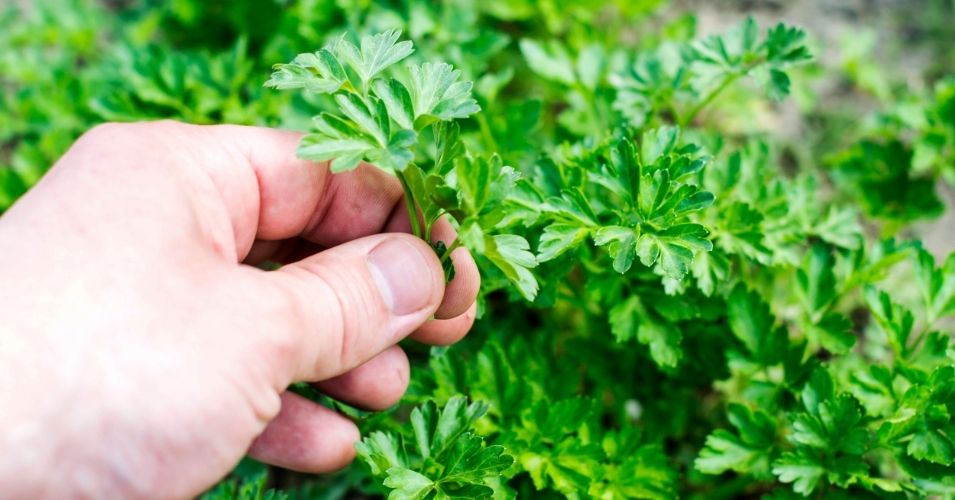
Parsley may look delicate, but it is one of the toughest and most useful herbs you can grow.
It adds fresh flavor to your food, fills your garden with vibrant green leaves, and grows steadily through the season if harvested the right way.
Many gardeners miss out on its full potential by picking it too early, too often, or in the wrong spots.
Knowing when and how to harvest parsley can keep it growing strong for months. Once you learn what to look for, you can enjoy a fresh supply right from your garden almost anytime.
How to Tell When Parsley Is Ready to Cut
Before you begin harvesting parsley, it helps to know exactly when the plant is ready. Picking too early can slow down future growth, but waiting too long can lead to older, tougher leaves that lose flavor.
Depending on the variety, parsley is usually ready to harvest about 45 to 90 days after planting from seed. At that point, the plant should be full, bushy, and at least 6 inches tall.
Look closely at the stems. Each stem should have several sets of leaves and feel strong when you touch it. Flimsy or short stems are a sign the plant needs more time.
You also want to check the center of the plant. A mature parsley plant will have a thick base and plenty of stems reaching outward in all directions.
It is important to let the plant form a full cluster before harvesting. If you only have a few stems or tiny leaves, give it more time to fill out.
Parsley grows in a rosette shape, with new leaves forming in the center and older ones spreading around the edges. The oldest, most harvestable leaves will always be on the outside.
If you notice several stalks with rich green color and full leaf growth, your plant is likely ready.
Some gardeners like to test by snipping just one or two stems first. This lets you check the texture and flavor while giving the plant time to adjust.
Flat-leaf parsley and curly parsley both follow the same rule when it comes to harvesting time. While their shapes differ, the readiness signs are the same.
Patience pays off with parsley. When you wait for that full, bushy growth, you get larger harvests and healthier plants.
Once you learn to spot the signs, you will always know when your parsley is ready for that first flavorful cut.
Picking from the Outside Makes a Big Difference
When it comes time to harvest parsley, where you cut matters just as much as when you do it. Pulling random leaves from the top or center can actually weaken your plant over time.
The best method is to harvest from the outside first. That means cutting the outermost stems, which are the oldest and most mature on the plant.
These outer stems have already done their job in feeding the plant and are ready to be taken. Removing them encourages the plant to keep producing new growth from the center.
Always cut the entire stem, not just the leaves at the top. Trace each stem down to the base and snip it off near the soil. If you only pinch off the leaves, the remaining stem will become woody and stop sending energy where it is needed.
Cutting low on the stem helps guide the plant into making fresh, full stems to replace what was taken. This keeps the parsley looking full and healthy all season.
Use clean scissors or garden snips when harvesting. A clean cut heals faster and reduces the chance of damaging nearby growth.
Try to space out your cuts so you do not remove too much from one side. Taking from all around the plant helps it stay balanced and strong. Leave at least half the plant untouched during each harvest. This gives it time to bounce back without becoming weak or bare.
If you harvest regularly but gently, parsley will continue producing for many months. This simple outside-in method trains your plant to grow stronger with each trim and gives you better results week after week.
Mistakes That Can Slow Growth
Parsley may be a hardy herb, but it still needs the right care to keep growing strong. Even small mistakes during harvesting or daily care can slow down its growth or shorten the season.
One common mistake is harvesting too early. If you begin cutting before the plant has at least three full layers of leaves, it may not have enough strength to bounce back.
Another issue is cutting from the center instead of the outside. The center is where all the new growth happens. Taking leaves or stems from that area can shock the plant and delay fresh growth.
Tearing or breaking stems by hand is also risky. It can leave rough edges that heal slowly or invite disease. Always use clean scissors or snips and make smooth cuts low on the stem.
Overharvesting is another problem. If you remove more than a third of the plant at once, it might struggle to regrow. The leaves that remain are still helping the plant collect sunlight and energy.
Do not ignore spacing either. If parsley is planted too close together, the airflow is reduced and the plants can become weak or moldy. Thinning crowded sections early helps the remaining plants grow stronger.
Watering mistakes also slow parsley down. Dry soil makes it wilt, but soggy soil can rot the roots. Aim for consistent moisture, and water at the base instead of over the leaves.
Fertilizing too often is something else to avoid. Too much fertilizer, especially one high in nitrogen, can cause leafy but weak growth. A light feeding every few weeks is enough.
Lastly, leaving damaged or yellowing leaves on the plant can attract pests and steal energy. Clean up the plant by trimming anything that looks unhealthy.
Each of these mistakes can be avoided with a little care and attention. If you catch problems early and adjust your approach, your parsley will keep thriving from early spring through fall.
How to Keep Parsley Productive All Season
Parsley is one of those herbs that can keep giving all season long, but only if you treat it right. A few simple habits can help your plant stay healthy and productive from the first harvest to the final frost.
Start by setting a regular harvest routine. Instead of waiting too long between cuttings, pick a few stems every week once the plant is mature. This steady rhythm encourages constant new growth.
Always harvest from the outer edge of the plant. This leaves the center untouched so the parsley can keep sending up fresh stems.
Water deeply when the soil feels dry, but do not let it stay soggy. Consistent moisture supports lush leaves, especially during warm summer days.
Mulching around the base can help keep the roots cool and the soil evenly moist. Just make sure the mulch stays a few inches away from the crown of the plant.
Feeding your parsley every four to six weeks can also make a difference. Use a mild liquid fertilizer or compost tea to keep it growing without overwhelming the roots.
Keep an eye out for pests like aphids or leaf miners. If you see small holes or sticky leaves, treat the plant early to stop damage before it spreads.
Remove any flower stalks as soon as they appear. Once parsley starts to flower, it focuses energy on producing seeds and the leaves begin to lose flavor and strength.
In hot weather, give your parsley some light afternoon shade to prevent stress. Too much direct sun during peak heat can cause it to bolt early.
Trim off yellow or damaged leaves so your plant stays tidy and strong. A clean plant is better able to grow and resist disease.
With regular care and thoughtful harvesting, parsley will reward you with fresh leaves all season long. Even one or two plants can keep your kitchen stocked if managed the right way.
When to Let Your Parsley Rest or Go to Seed
Every parsley plant has a natural cycle, and even the healthiest ones cannot produce fresh leaves forever. At some point, you will need to decide whether to let the plant rest or allow it to complete its life by going to seed.
Parsley is a biennial herb, which means it usually lives for two seasons. In its first year, it focuses on growing strong leaves and a healthy root system. In the second year, the plant shifts its energy toward flowering and producing seeds.
You may notice tall, thick stems rising from the center, topped with clusters of small green buds. This is the beginning of bolting, which means the plant is preparing to flower.
Once parsley starts to bolt, the leaves grow smaller and take on a more bitter taste. This is the plant’s way of moving from food production to reproduction.
You can delay bolting by snipping off flower stems as soon as they appear, especially during hot weather. Giving the plant a little afternoon shade can also slow down the process.
But eventually, bolting becomes impossible to stop. That is when it might be time to let your parsley finish its growth cycle.
If your plant has been producing well for many months, allowing it to go to seed is a natural next step. You can collect the seeds for next season or let them fall into the soil and sprout on their own.
Some gardeners choose to plant new parsley every year and pull out the old plants once they start to flower. Others enjoy watching the full life cycle and collecting seeds by hand.
Letting parsley go to seed is not a failure. It is a sign that the plant has completed its purpose and is ready to pass on its strength to the next generation.
Knowing when to stop harvesting and shift your care makes you a better gardener. It teaches you how to listen to the plants and honor their natural rhythm.
Final Thoughts
Harvesting parsley is more than just cutting leaves. It is about timing, technique, and care that lets the plant thrive again and again.
When you pick from the outside, water wisely, and avoid overharvesting, your parsley gives back all season.
By watching for signs of growth and knowing when to let the plant rest, you get both a rich harvest and a lesson in patience.
Let parsley teach you how to grow with rhythm, and it will reward you with flavor, strength, and beauty.