
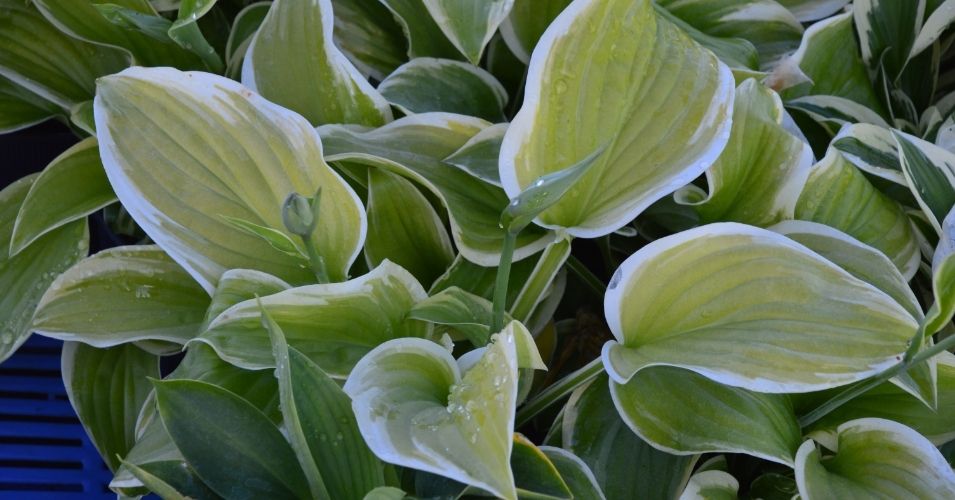
Hostas are treasured for their lush foliage and ability to bring elegance to shaded garden spaces.
As fall arrives and winter approaches, many gardeners begin to wonder how these dependable perennials will manage the cold months ahead.
While hostas are naturally hardy plants, they still benefit from thoughtful preparation to ensure that their roots and crowns remain healthy under frost, snow, and icy winds.
By giving them proper care from fall through winter, you can protect your investment and look forward to vibrant, full leaves that return stronger each spring.
Preparing Hostas in Fall
Hostas are naturally hardy perennials, but the way you prepare them in fall determines how well they survive the cold months and how vibrant they appear in spring.
As temperatures begin to drop and the first frost approaches, hostas start their natural process of dormancy. By assisting them during this transition, you reduce stress on the plants and protect them from winter damage.
One of the first steps is to stop fertilizing by late summer. Feeding too late encourages tender new growth that will not survive freezing weather. Instead, allow the plant to focus on storing energy in its roots. This stored energy sustains the hosta during dormancy and fuels new leaves in spring.
Another key task is watering. While hostas slow their growth in fall, they still need a steady supply of moisture before the ground freezes.
Giving them a deep watering in late fall ensures the roots are hydrated enough to endure months of cold. Moist soil also provides better insulation than dry soil, reducing the risk of damage from sudden temperature changes.
Cleaning around the base of the plants is equally important. Fallen leaves and debris can harbor pests and diseases that linger through the winter. Removing this material keeps the crown of the hosta healthier and reduces problems when the growing season resumes.
You should also decide how to manage hosta leaves after frost. Once the foliage dies back and turns yellow or brown, many gardeners cut it to the ground to prevent slugs and other pests from hiding under decaying leaves.
Others prefer to leave the leaves in place until spring for added soil insulation. Both approaches can work, but the crown should remain exposed enough to avoid rot.
By completing these tasks in fall, you prepare your hostas for a safe winter rest. The effort spent now creates the foundation for lush, healthy foliage that will once again brighten shady spaces when the new season begins.
Mulch as Winter Protection
One of the simplest and most effective ways to protect hostas in winter is by applying mulch. While hostas are hardy, their crowns and roots are vulnerable to the repeated freezing and thawing cycles that occur when soil temperatures fluctuate.
Mulch provides insulation that keeps soil temperatures more stable, shields roots from exposure, and helps the plants survive harsh conditions.
The best time to mulch hostas is after the first hard frost, once the plants have entered dormancy. Applying mulch too early can trap warmth and moisture around the crown, increasing the risk of rot or fungal growth. Waiting until the plants are fully dormant ensures that mulch acts as protection rather than interference.
A layer of mulch four to six inches deep around the base of the plant is usually enough for most climates. In colder regions, some gardeners add even more, especially if snow cover is unreliable.
Organic materials such as shredded bark, pine needles, straw, or compost work best, as they not only insulate but also enrich the soil as they break down over time.
Mulch should be applied carefully, keeping it just off the crown of the plant to prevent smothering or rotting. Instead, spread the material around the base in a wide circle, allowing air circulation while still protecting the most vulnerable parts of the hosta.
Mulching also helps retain moisture in the soil. Even during winter, roots can dry out from cold winds and lack of rainfall. By holding in moisture, mulch reduces this stress and helps hostas remain healthier until spring.
When the season begins to warm, the mulch should be gradually pulled back to make room for new shoots. Removing it too early can expose roots to late frosts; while leaving it too long can hinder emerging growth. A gradual removal allows the plant to adjust naturally as the weather improves.
With mulch as a protective barrier, hostas are far more likely to come through winter undamaged. This simple step gives you peace of mind and ensures your plants return with full, lush foliage when the growing season begins again.
Cut Back Hostas After Frost
As fall deepens and frost takes hold, hosta leaves begin to wither, turning from lush green to shades of yellow and brown before collapsing to the ground.
This change signals the natural dormancy process, but it also raises the question of whether to cut back the plants or leave them as they are until spring. Both approaches are practiced by gardeners yet cutting back hostas after frost has several important benefits that help the plant remain healthy during the winter months.
One of the primary reasons to cut back dead foliage is to reduce the risk of pests. Slugs, snails, and other insects often seek shelter under decaying hosta leaves, using the cover as a winter hiding place. By removing the foliage, you take away this habitat and reduce the likelihood of pest problems when growth resumes in spring.
Disease prevention is another reason gardeners trim hostas after frost. Fungal spores and bacteria can linger on dying leaves, ready to reinfect plants the following season. Clearing away old foliage helps create a clean environment, lowering the risk of disease spreading in the next growth cycle.
The process of cutting back is simple but should be done carefully. Once the leaves have collapsed after the first frost, use clean, sharp shears to cut the foliage down to just a few inches above the crown.
Leaving a small portion of stem prevents accidental injury to the crown itself. All removed material should be collected and discarded, not composted, to avoid reintroducing pests or pathogens to your garden.
Some gardeners prefer to leave the leaves in place to function as natural mulch. While this can provide extra insulation, it is not always the best choice in areas with heavy pest or disease pressure. A compromise can be found by removing most foliage but leaving a thin layer of chopped leaves to break down into organic matter.
Cutting back hostas after frost is a small but effective step that prepares your plants for a healthier rest through the cold months. By reducing pests, limiting disease, and tidying up the garden, you give your hostas the best chance to return in spring with fresh, vigorous growth.
Extra Steps for Hostas in Containers
While hostas planted in the ground are generally hardy enough to survive winter with mulch, those grown in containers face greater challenges.
Container hostas are more vulnerable because their roots sit above ground, leaving them exposed to extreme cold, wind, and sudden temperature fluctuations.
Without protection, the soil in pots can freeze solid, killing the root system and leaving the plant unable to return in spring. To keep container hostas safe, additional steps are necessary.
One of the most reliable methods is to move containers into sheltered spaces for winter. An unheated garage, shed, or basement provides protection from the coldest temperatures while still allowing the plants to remain dormant.
These areas stay cooler than a heated home but warmer than outdoor conditions, offering a balance that helps the hosta survive winter without resuming growth too early.
If indoor storage is not possible, burying the pots outdoors is another option. Place the entire container into the ground, covering it with soil and mulch to provide insulation.
This protects the roots in much the same way as in-ground hostas, preventing the soil from freezing as deeply. Be sure to mark the location clearly, so the containers can be retrieved in spring.
Another option is to insulate the pots themselves. Wrapping containers with burlap, bubble wrap, or straw helps retain heat and reduces exposure to icy winds. Clustering several pots together against the side of a building adds further protection, as the shared warmth and shelter from walls create a more stable microclimate.
Watering should not be forgotten. Container soil dries out more quickly than garden soil, even in winter. While hostas need less water in dormancy, a light watering every few weeks keeps the roots from drying completely. Avoid overwatering, as soggy soil in chilly weather can cause rot.
Hostas in containers can be just as rewarding as those in the ground, but they require a bit of extra care to survive the cold months. By moving them to sheltered spots, burying the pots, or insulating containers, you give them the protection they need.
Come spring, these hostas will reemerge strong and ready to fill your garden or patio once again with lush foliage.
Winter Checks and Spring Renewal
Once your hostas are tucked in for winter, the work is not finished. Although they are hardy plants, they still benefit from occasional monitoring during the coldest months.
Winter weather can be unpredictable, and freeze-thaw cycles, pests, or excessive moisture can all create challenges. By keeping an eye on your hostas, you make sure small issues do not turn into major problems and set the stage for a smooth revival in spring.
One important task is to check mulch coverage. High winds, heavy snow, or even rain can shift mulch away from the crown, leaving the plant exposed.
If you notice bare spots, gently pull mulch back into place or add a fresh layer. Keeping a consistent blanket of insulation prevents the damaging effects of rapid temperature swings that push roots upward or expose crowns to frost.
Excess moisture is another concern during winter. While mulch helps retain soil moisture, too much water can cause rot around the crown.
If your garden tends to hold water, consider improving drainage by slightly elevating the crown with additional compost or sand before winter begins. During the season, watch for standing water around the base of the plant and redirect it if possible.
Animal activity can also create problems. Voles, rabbits, or other small creatures sometimes burrow into mulch for warmth and may chew on roots or crowns.
If you notice signs of burrowing, placing wire mesh or hardware cloth over the crown can provide a protective barrier. Checking periodically ensures that pests do not damage your plants while they are dormant.
As spring approaches, begin removing mulch gradually. Hostas will send up shoots as the soil warms, but pulling mulch away too early exposes them to late frosts.
Allow the weather to stabilize before uncovering crowns completely. At the same time, cut away any old stems or leaves that may still be clinging to the crown. This tidying helps make room for new, healthy foliage to grow.
Once the danger of frost has passed, give your hostas a deep watering and apply a light layer of compost or balanced fertilizer to encourage new growth. This refresh provides the nutrients and moisture the plants need to begin their cycle again with vigor.
By keeping a watchful eye in winter and easing them back into growth in spring, your hostas will emerge lush, vibrant, and ready to fill shady spaces with beauty.
Final Thoughts
Hostas may be hardy perennials, but a little care in fall and winter ensures they return with strength and fullness each spring.
Tasks such as fall cleanup, mulching, and cutting back after frost all prepare the plants for dormancy. Extra protection for containers and careful winter checks add even more security for their crowns and roots.
These small steps not only keep your plants alive but also improve their overall health. By spring, the reward is clear in the lush, vibrant leaves that hostas are known for.
With attention from fall through winter, your hostas will thrive year after year, proving that preparation and patience bring lasting beauty to the garden.