
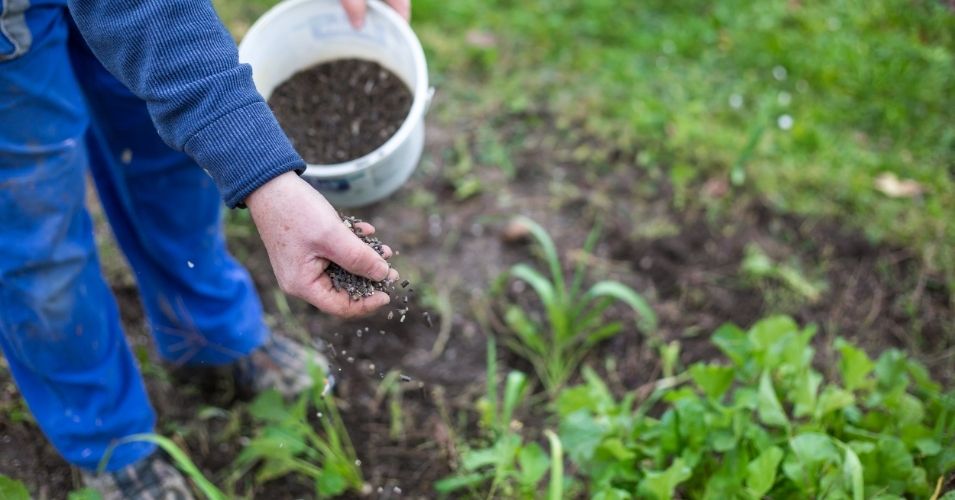
Fall is often thought of as the season when gardens begin to rest, but it is also one of the most important times to feed your plants.
Fertilizing in fall gives perennials, shrubs, and trees the nutrients they need to strengthen their roots before winter sets in.
This root development ensures healthier growth and more vibrant blooms or foliage the following year.
While not every plant benefits from fall feeding, certain ones thrive when given this extra care. Knowing which plants to fertilize during this season helps you create a garden that not only survives winter but flourishes in spring.
Roses
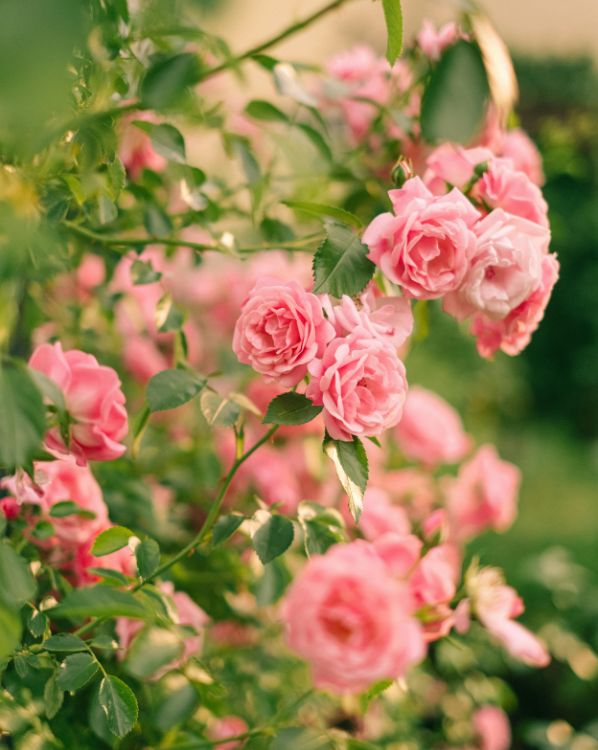
Roses are among the most beloved flowers in gardens, admired for their fragrance and endless variety of colors.
To keep them thriving year after year, fall fertilization is an essential step. By the time fall arrives, roses have spent months producing blooms and have used up much of the energy stored in their roots.
A dose of fertilizer in fall helps replenish these reserves, strengthening the plant’s foundation before winter sets in. With healthy, well-fed roots, roses can endure cold weather more effectively and return in spring with renewed vigor.
Fall fertilization of roses should focus on promoting root health rather than encouraging new blooms. This is why gardeners avoid fertilizers high in nitrogen late in the season. Nitrogen fuels leafy, tender growth that is easily damaged by frost.
Instead, fertilizers with higher amounts of phosphorus and potassium are ideal in fall. These nutrients support strong roots, thicker canes, and improved disease resistance, all of which prepare roses for the challenges of winter.
The timing of fall fertilization is also important. It should be done after the final flush of flowers has faded but before the first hard frost arrives.
Applying fertilizer too early can lead to late-season growth, while applying too late prevents the nutrients from being absorbed before the plant enters dormancy. By feeding roses at the right time, you give them the best chance to store nutrients for the next growing cycle.
Another advantage of fertilizing roses in fall is improved disease resistance. Roses are prone to issues such as black spot, powdery mildew, and rust, especially as cooler weather and damp conditions set in.
Well-nourished plants are better equipped to withstand these problems. Strong roots and sturdy canes built in fall make the plant less vulnerable, ensuring a healthier start when spring returns.
Fertilizing roses in fall is a simple yet powerful way to care for them. This small act of attention makes a noticeable difference in the size and number of blooms the following year. With the right nutrients at the right time, roses will reward you with their unmatched beauty season after season.
Hydrangeas
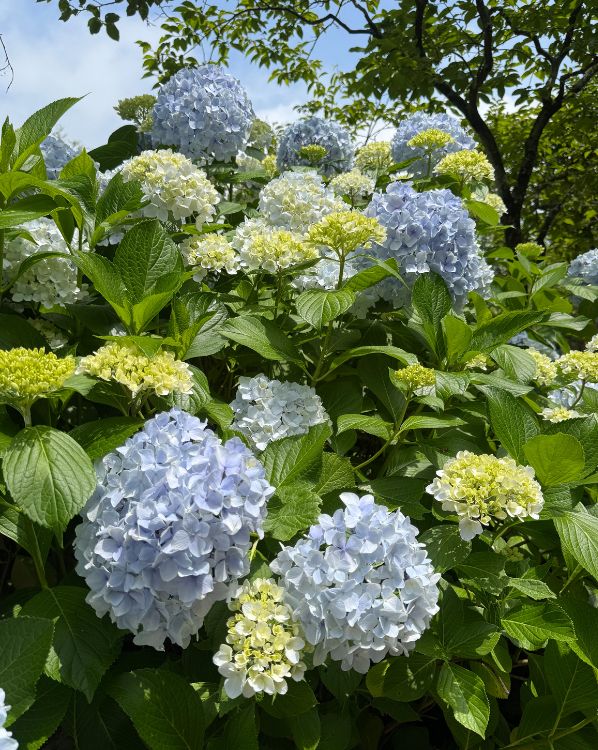
Hydrangeas are known for their stunning clusters of blooms that brighten gardens from summer into fall. These shrubs are heavy feeders, and to keep them looking their best, fall fertilization is highly beneficial.
After months of producing large, showy flowers, hydrangeas need extra nutrients to rebuild their strength. Fertilizing in fall ensures they have the energy to establish strong roots before the cold sets in, which leads to healthier plants and more impressive blooms in the following season.
One of the key benefits of fertilizing hydrangeas in fall is preparing them for overwintering. The cooler months put stress on shrubs, especially if the soil lacks nutrients. A balanced, slow-release fertilizer applied in fall helps hydrangeas store the food they need for survival.
It also supports root growth during the dormancy period, which is crucial for producing vigorous stems and flowers in spring. Without this extra boost, hydrangeas may emerge weak and less productive the next year.
The type of fertilizer used in fall should be chosen carefully. Like roses, hydrangeas do not need high nitrogen late in the season, as this promotes new leafy growth that will be damaged by frost. Instead, a fertilizer with more phosphorus and potassium is ideal.
These nutrients encourage root strength, flower bud formation, and resistance to disease. For gardeners aiming to influence bloom color, soil amendments such as aluminum sulfate for blue flowers or lime for pink blooms can also be applied in fall.
Hydrangeas also benefit aesthetically from fall feeding. Healthy plants maintain stronger canes, which are less likely to bend or break under the weight of snow or ice.
Fertilized plants also show better resilience against pests and fungal diseases, both of which can weaken them during the colder months.
Feeding hydrangeas in fall is not only about helping them through the winter but also about setting the stage for the next season’s beauty. By giving them the nutrients they need now, you ensure that their iconic blooms return even larger, fuller, and more colorful.
For gardeners who prize hydrangeas as focal points, fall fertilization is an essential part of their care.
Lilies
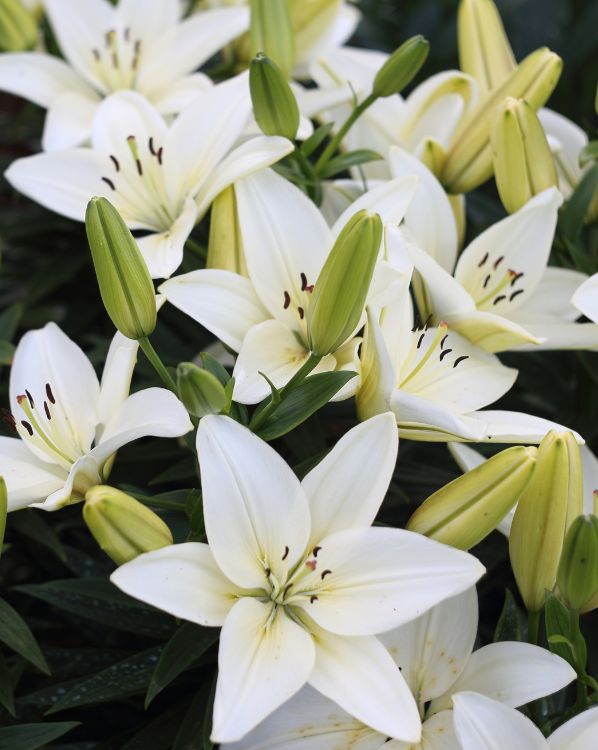
Lilies are elegant perennial that reward gardeners with striking blooms in summer, but by the time fall arrives, they need a little extra attention to prepare for the next growing season. After months of flowering, the bulbs beneath the soil have used much of their stored energy.
Fertilizing lilies in fall replenishes these reserves, allowing the bulbs to rest through winter and emerge with strong, healthy growth in spring. Without this seasonal feeding, lilies may produce fewer or weaker flowers the following year.
The main goal of fertilizing lilies in fall is to strengthen the bulbs rather than encourage leafy growth. For this reason, fertilizers rich in phosphorus and potassium are preferred, while nitrogen-heavy formulas should be avoided.
Phosphorus supports root and bulb development, while potassium improves overall plant resilience, helping lilies withstand the cold months ahead. By providing these nutrients in fall, you give the bulbs exactly what they need to survive winter dormancy and prepare for vibrant blooms later.
Timing is important when fertilizing lilies in fall. The best moment is after the blooms have faded and the foliage has yellowed, but before the ground freezes. This ensures the nutrients can be absorbed and stored by the bulbs.
Many gardeners pair fall fertilization with the process of cutting back lily stalks, making it part of a simple seasonal routine. Adding a layer of mulch after fertilizing further insulates the bulbs and protects them from temperature fluctuations.
Another benefit of fall feeding is that it supports bulb division and multiplication. Healthy, well-fed bulbs produce offsets that expand your lily clumps over time.
This means more stems, more blooms, and an even more impressive display in the years ahead. Fertilizing in fall is an easy investment that pays off in stronger, more abundant plants.
Lilies are long-lived perennials that can grace a garden for decades if properly cared for. By feeding them in fall, you ensure that they remain vigorous and capable of producing the bold, trumpet-shaped flowers that make them such a standout feature in any landscape.
Fruit Trees
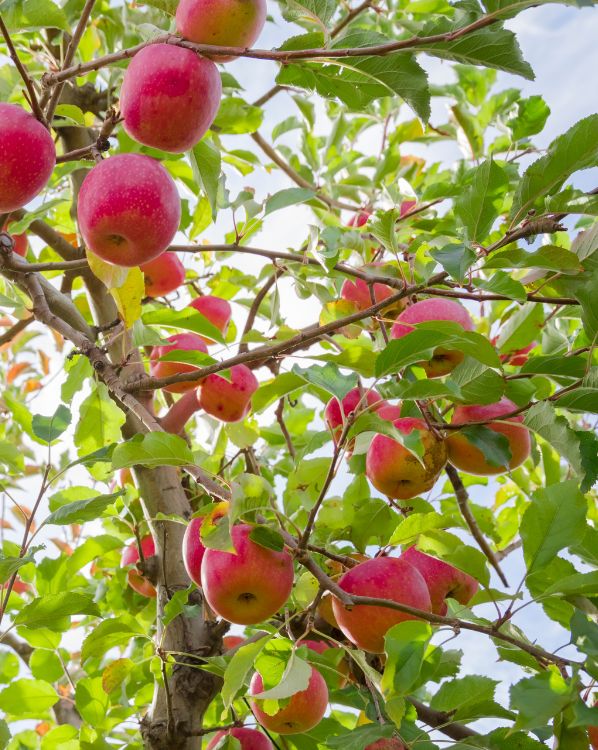
Fruit trees are among the most rewarding plants in any garden, but they demand a lot of energy to produce their harvests. By the end of summer, apple, pear, peach, and plum trees have poured much of their stored nutrition into ripening fruit.
Fertilizing them in fall is an excellent way to restore what has been depleted and prepare the trees for the dormancy of winter. This seasonal feeding strengthens the root systems and ensures better growth and productivity when spring returns.
The focus of fall fertilization for fruit trees is not on stimulating new leafy growth but on supporting the root system. Trees use the cool months to quietly expand their roots underground, even while their branches appear bare.
Providing a slow-release fertilizer with balanced nutrients, especially phosphorus and potassium, encourages this underground activity. Stronger roots mean healthier trees and larger, more consistent harvests in the years to come.
One of the major benefits of fall feeding is improved cold hardiness. A tree that has been well nourished before winter is more resilient to freezing temperatures, snow, and ice. Fertilized trees also have a stronger immune response to pests and diseases, which helps them endure the stress of winter without suffering permanent damage.
This extra layer of protection is particularly valuable for young or newly planted fruit trees that have not yet developed extensive root systems.
The timing of fertilization matters. It should be applied after the harvest is complete but before the ground freezes. This window ensures the nutrients are absorbed by the roots without encouraging new growth on the branches, which would be vulnerable to frost damage.
Applying fertilizer in late fall allows the tree to direct the nutrients toward root storage rather than leaf production.
Fall fertilization also improves soil conditions around fruit trees. As fertilizers break down over the winter, they enrich the soil and create a healthier environment for roots to access in spring.
Paired with a layer of mulch, the nutrients are held in place and gradually released, giving the trees a steady supply of food.
Fruit trees represent a long-term investment in the garden, often producing for decades when properly cared for. Fertilizing them in fall ensures they remain strong, healthy, and productive, rewarding you with bigger harvests and more vigorous growth year after year.
Lawns

Lawns are one of the most important parts of the landscape to fertilize in fall, because this is when grass roots are most active. While the top growth slows as temperatures cool, the underground system continues developing and storing energy.
Feeding lawns in fall provides essential nutrients that strengthen roots, improve resilience against winter stress, and prepare grass for a quicker green-up in spring. A fall application of fertilizer gives grass what it needs to endure cold weather and emerge healthier and thicker the following year.
The main nutrients lawns need in fall are phosphorus and potassium. Phosphorus supports root growth, while potassium enhances disease resistance and cold tolerance. Nitrogen can also play a role, but it should be applied carefully.
A light dose helps grass maintain a healthy green color, but too much nitrogen at this time of year can encourage lush growth that is vulnerable to frost damage. Choosing a balanced or slow-release fertilizer specifically designed for fall is the safest option.
Timing makes a big difference in fertilizing lawns. The best period is early to mid-fall, after the heat of summer has passed but while the soil is still warm enough for root activity. This window allows the fertilizer to be absorbed effectively.
Applying fertilizer too late, when the ground is frozen, will not benefit the grass, as the nutrients cannot reach the roots. By targeting the right timing, you maximize the positive effects of your efforts.
Another advantage of fall fertilization is that it helps lawns recover from summer stress. Heat, drought, and heavy foot traffic often leave grass weakened by September. Feeding in fall restores depleted nutrients and allows the grass to repair itself before going dormant.
This creates a stronger foundation for spring growth, reducing bare patches and making lawns look fuller and greener when the season changes.
Lawns that are fertilized in fall also require less input in spring. Since the roots have already stored nutrients, grass grows back faster and more uniformly once temperatures rise. This means fewer weeds, less reseeding, and a healthier appearance overall.
For homeowners who value curb appeal, this makes fall feeding one of the most effective lawn care steps of the year.
Final Thoughts
Fertilizing in fall is one of the best ways to prepare your garden for success in the year ahead.
Roses, hydrangeas, lilies, fruit trees, and lawns each respond to fall feeding with stronger roots, improved resilience, and healthier growth when spring arrives.
By focusing on root development rather than leafy growth, you provide plants with the nutrients they need to withstand winter and thrive once the growing season begins again. This seasonal care is an investment that pays off in more blooms, bigger harvests, and healthier landscapes.
With careful timing and the right fertilizer choices, fall becomes not the end of the gardening year, but the beginning of another cycle of beauty and productivity.