
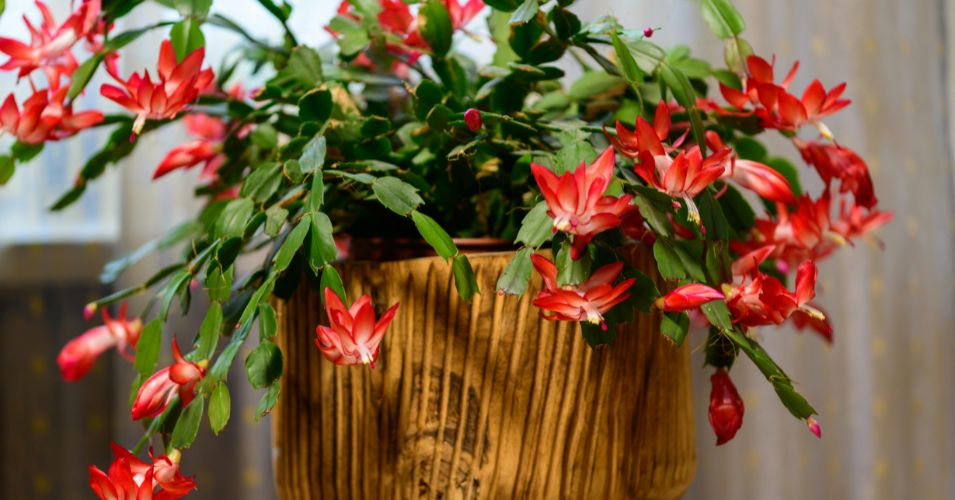
Christmas cactus is a favorite houseplant for many people because of its bright winter blooms and graceful, trailing stems. After putting on a beautiful display during the colder months, this plant enters a new phase in spring.
Spring is when small changes in routine can make a big difference. Light, water, and feeding habits all play an important role during this season.
In this guide, you will learn how to support your Christmas cactus after flowering and help it thrive. Simple steps now can lead to more vigorous plants and even better blooms later.
Understanding Your Christmas Cactus After Blooming Season
After its bright winter flowers fade, the Christmas cactus enters a quiet and essential stage. This period is often misunderstood, but it plays a significant role in the plant’s long-term health.
Many people think the plant is finished growing after blooming. In reality, it is simply shifting its energy from flowers to recovery and root development.
During winter, producing blooms requires considerable effort. The plant uses stored nutrients and moisture to support each colorful segment and bud.
Once flowering ends, the cactus needs time to rebuild those reserves. Spring becomes a season of rest and slow renewal.
You may notice that growth seems limited at first. This is normal. The plant is focusing on internal repair rather than visible changes.
Some older segments may look dull or slightly wrinkled. This often happens after heavy blooming and does not always mean something is wrong.
It is important not to panic and change your care routine too quickly. Sudden adjustments can create more stress than benefit.
In early spring, new segments may begin forming at the tips of stems. These small, bright green sections are signs of recovery and renewed strength.
This is also when roots begin growing more actively. Healthy roots allow better water and nutrient absorption later in the year.
Avoid heavy pruning during this time. Cutting too much can slow down recovery and delay future flowering cycles.
If damaged or shriveled segments are present, they can be removed gently. Use clean fingers or scissors to prevent infection.
Temperature stability is especially helpful during this phase. Large swings between warm days and cool nights can interrupt recovery.
Keeping the plant in a calm, predictable environment allows it to naturally rebuild energy.
Understanding this post-bloom stage helps you avoid common mistakes. Instead of forcing growth, you learn to support gradual renewal.
When respected and cared for properly, this resting period becomes the foundation for strong summer growth and future winter flowers.
Light and Placement for Healthy Spring Growth
Light plays a central role in how well a Christmas cactus recovers and grows during spring. Unlike desert cacti, this plant comes from shaded rainforest environments.
In nature, it grows under tree canopies where sunlight is filtered and gentle. This preference remains even when grown indoors.
Bright, indirect light is ideal. A spot near an east-facing window often provides the right balance of brightness and protection.
South- or west-facing windows can work if the plant is placed a few feet back. Direct sunlight can burn the flat segments, leaving pale scars.
Spring sunlight becomes stronger each week. A location that felt safe in winter may become too intense by April or May.
Watch the leaves closely. Red or purple tinges often indicate excessive sun exposure. Pale patches can also indicate stress.
If these signs appear, move the plant slightly farther from the window. Minor adjustments are usually enough to restore balance.
Low light is another problem to avoid. In dark corners, growth becomes weak and stretched. New segments may appear thin and fragile.
Rotating the plant every few weeks helps ensure even light exposure. This prevents one side from growing faster than the other.
Placement also affects temperature and airflow. Avoid areas near heaters, air conditioners, or drafty doors. Sudden blasts of hot or cold air can damage developing segments and slow growth.
Bathrooms and kitchens can sometimes work well if they receive good light. These rooms often provide higher humidity, which Christmas cactus enjoys.
If you move the plant outdoors in spring, choose a shaded porch or balcony. Never place it in full sun right away. Start with short outdoor periods and gradually increase exposure. Always bring it inside if it gets cold at night.
Clean windows and dust-free leaves improve light absorption. Wipe segments gently with a damp cloth when needed.
With thoughtful placement and steady light, your Christmas cactus can rebuild strength and prepare for months of healthy development.
Water and Soil Care for Strong Roots
Water and soil are the foundation of a healthy Christmas cactus. During spring, when the plant begins to recover from blooming, proper moisture and drainage become especially important.
Unlike desert cacti, Christmas cactus prefers evenly moist soil. It does not thrive in arid conditions for long periods.
After flowering, the plant slowly increases its water needs. Roots become more active and begin absorbing moisture more regularly.
It is best to water when the top inch of soil feels dry to the touch. This prevents both underwatering and water buildup.
Always use room temperature water. Cold water can shock sensitive roots and slow growth. When watering, soak the soil thoroughly until water flows from the drainage holes. Then empty the tray to prevent standing moisture.
Allowing the plant to sit in water can lead to root rot, which is difficult to reverse once it begins.
Soil quality plays a significant role in moisture control. A Christmas cactus needs soil that holds some water but still drains well.
A blend made for succulents with added peat or coconut fiber often works well. This combination balances moisture and airflow.
You can also create your own mix using potting soil, perlite, and orchid bark. This creates a loose structure that protects roots.
Heavy garden soil should never be used. It compacts easily and blocks oxygen from reaching root systems.
Spring is a good time to check soil conditions. If it feels hard, smells sour, or drains poorly, replacement may be necessary.
Good drainage keeps roots healthy and active. Healthy roots lead to stronger stems and brighter flowers later.
Humidity also influences watering habits. In dry homes, the soil dries faster. In humid spaces, moisture lasts longer.
Adjust your schedule based on the environment rather than fixed dates. Each home creates different conditions.
With careful watering and supportive soil, your Christmas cactus can build a strong root system for the growing season ahead.
Feeding and Repotting for Long-Term Success
After blooming and early recovery, spring becomes a time to gently support your Christmas cactus with nutrients and fresh growing space.
Unlike fast-growing houseplants, the Christmas cactus prefers light feeding. Too much fertilizer can cause weak segments and poor flowering.
A balanced liquid houseplant fertilizer diluted to half strength works well. Choose one with moderate nitrogen levels for steady growth.
Begin feeding about one month after blooming ends. This gives the plant time to rest before receiving extra nutrients.
Apply fertilizer once every four to six weeks during spring. More frequent feeding is unnecessary and may cause salt buildup.
Always water before fertilizing. Moist soil protects roots from chemical damage and improves nutrient absorption.
Slow-release fertilizers can be used, but they should be applied carefully and in small amounts.
Repotting is usually needed every two to three years. Spring is the safest time to do this because growth is beginning.
Signs that repotting is needed include crowded roots, slow drainage, and limited new growth.
Choose a container only slightly larger than the current one. Oversized pots hold excess moisture, increasing the risk of rot.
Shallow, wide pots often work better than deep ones. Christmas cactus roots spread outward rather than downward.
When removing the plant, handle segments gently. They break easily if bent or twisted. Shake off loose old soil and inspect roots. Trim away any soft or dark sections with clean scissors.
Place fresh soil in the new pot and position the plant at the same depth as before. Burying stems can cause rot. Press soil lightly around the roots without packing it tightly. Roots need air as much as moisture.
After repotting, wait a few days before watering. This allows minor root wounds to heal.
With the proper feeding and thoughtful repotting, your Christmas cactus can grow stronger each year and reward you with dependable winter blooms.
Preventing Problems and Keeping Your Plant Beautiful
A healthy Christmas cactus has firm, glossy segments and a balanced, flowing shape. Keeping it this way in spring requires steady attention and early detection of problems.
Many common issues begin quietly. By the time damage is obvious, recovery becomes more difficult. Regular observation is your best defense.
One of the most frequent problems is overwatering. Soft, yellowing segments often indicate root stress from excess moisture. If this happens, reduce watering and check soil drainage immediately.
Underwatering creates different symptoms. Segments may wrinkle, shrink, and lose their shine. This indicates dehydration and weakened roots. Balancing moisture is essential for healthy growth.
Pests also become more active in spring. Mealybugs, spider mites, and aphids are the most common threats to Christmas cactus. Inspect joints and undersides of segments regularly.
Sticky residue, webbing, or cotton-like clusters are warning signs that should never be ignored. If pests are found, isolate the plant immediately and treat the affected areas with insecticidal soap or diluted alcohol.
Temperature stress is another hidden danger. Sudden heat waves or cold drafts can cause buds and segments to drop. Place the plant in a stable location away from vents and open windows.
Sunburn can occur if the light becomes too intense. Bleached patches and rough textures indicate excessive exposure. Adjust placement gradually when seasons change.
Dust buildup also affects appearance and health. Dust blocks light and interferes with breathing through leaf surfaces. Gently wipe segments with a damp cloth every few weeks.
Avoid using commercial leaf shine products. These coatings trap moisture and clog pores.
Broken or damaged segments should be removed with clean scissors. This improves appearance and prevents infection. Rotating the pot occasionally encourages even growth.
Consistency is one of the greatest tools in plant care. Regular routines reduce stress and improve resilience.
With patience and careful observation, your Christmas cactus can remain strong, polished, and attractive throughout spring and beyond.
Final Thoughts
Spring care sets the tone for your Christmas cactus for the rest of the year. The habits you build now influence growth, strength, and future flowering.
By providing balanced light, steady moisture, gentle feeding, and a stable environment, you give your plant the tools it needs to thrive.
Small, thoughtful actions practiced consistently create lasting results.
A well-cared-for Christmas cactus becomes more than a seasonal decoration. It becomes a long-lived companion that rewards your attention with beauty and dependable winter blooms year after year.