
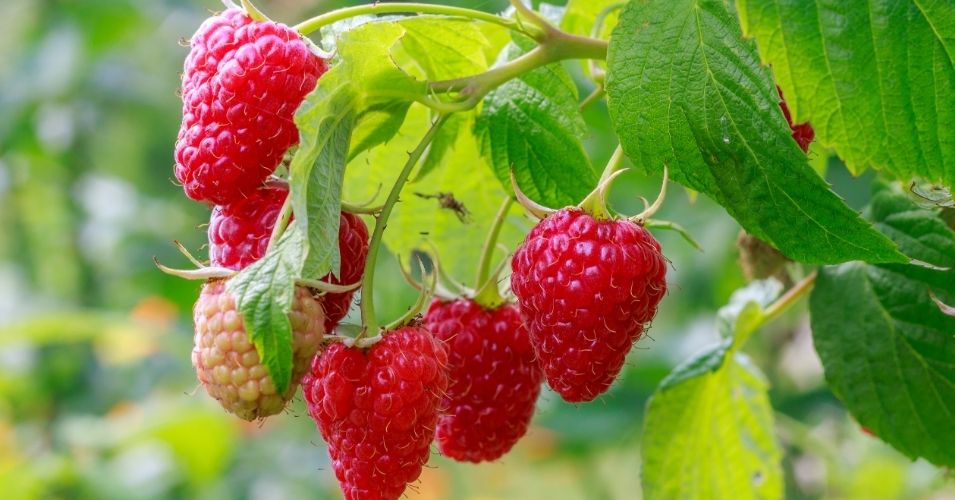
Raspberry plants may finish fruiting by the end of summer, but fall is not the time to forget them.
The cooler months are when these resilient plants prepare for the year ahead, storing energy in their roots and setting the stage for another season of sweet harvests.
If cared for properly, raspberries can continue producing for many years, offering bowls of bright berries season after season.
Fall care focuses on pruning, feeding, and protecting plants so they can survive winter and come back stronger in spring.
The Right Time to Cut Back Canes
Raspberry plants are vigorous growers, and without careful attention, their canes can quickly become tangled and unproductive.
Fall is an important season to manage this growth, as cutting back canes at the right time helps control the plant’s shape and ensures that only the strongest canes remain for the following year. Proper timing not only improves the health of the plant but also increases the amount of fruit it can produce when the new season arrives.
The first step is to know which type of raspberry you are growing. Summer bearing raspberries produce fruit on canes that grew the previous year, while fall bearing raspberries, also called everbearing, can fruit on both first year and second year canes. This difference is critical, because cutting back the wrong canes can remove next year’s crop.
For summer bearing raspberries, fall is the time to remove the canes that have already produced fruit. Once these canes finish their harvest, they will not produce again. Leaving them in place will only crowd the healthy new canes that will bear fruit in the next season.
Cut these spent canes down to the ground, being careful not to damage the young green canes that grew this year. These younger canes will be the ones to bear fruit the following summer.
For fall bearing raspberries, you have two options. If you want one large harvest in late summer and fall, cut all canes down to the ground after the season is over.
The plant will produce a fresh set of canes in spring, which will fruit later in the year. If you prefer two smaller harvests, one in summer and one in fall, remove only the canes that fruited heavily in late summer, and leave the newer canes in place. These will give you the second harvest.
Always use sharp, clean pruning shears to make clean cuts. Remove any weak, diseased, or broken canes as well since these can drain energy from the plant. By carefully cutting back at the right time in fall, you give your raspberries a healthy structure, prevent overcrowding, and encourage stronger harvests in the year ahead.
Feed Raspberries for Stronger Roots
While raspberries may look bare in fall after their canes are pruned, the roots beneath the soil are still highly active. Feeding them during this season strengthens their underground system and ensures they have enough energy stored to survive winter and grow vigorously in spring. Strong roots are the key to consistent harvests year after year.
The type of food raspberries need in fall is different from what they benefit from in spring. During the growing season, plants thrive on nitrogen, which fuels leafy growth.
In fall, however, too much nitrogen is harmful because it can encourage tender new shoots that will not withstand cold weather. Instead, focus on phosphorus and potassium, which are nutrients that build strong roots and help the plant store energy.
A balanced fertilizer with a lower nitrogen content is a desirable choice. Many gardeners prefer using natural sources such as compost, aged manure, or bone meal.
Compost provides a wide range of nutrients and improves soil structure, helping it hold both moisture and air. Bone meal is particularly rich in phosphorus, while wood ash can supply potassium in small amounts. Apply these around the base of the plant, spreading them evenly but not letting them touch the crowns directly.
Another method of feeding raspberries in fall is to mulch with organic matter. A thick layer of straw, shredded leaves, or bark chips not only insulates the roots but also breaks down slowly over time, releasing nutrients into the soil. This dual purpose of feeding and protecting makes mulching an excellent part of fall care.
When feeding, water the plants lightly afterward to help nutrients soak into the soil. Roots absorb best in moist conditions, and a gentle watering also prevents fertilizer from sitting dry on the surface.
By feeding raspberries in fall with the right balance of nutrients, you are essentially giving them a storehouse of strength. While the top of the plant rests through winter, the roots remain nourished and ready. When spring warmth returns, your raspberry plants will respond with vigorous growth, sturdy canes, and the promise of another fruitful harvest.
Mulch and Soil Care Before Winter
Raspberry plants may enter a resting phase in fall, but the soil beneath them remains the foundation of their future growth. Preparing the soil before winter is one of the most effective ways to protect the roots, conserve nutrients, and prevent damage from freezing and thawing cycles. A thoughtful approach to mulch and soil care gives your raspberry patch a strong base to build on when spring arrives.
One of the first steps is to remove weeds and debris around the plants. Weeds compete for nutrients and water, while fallen leaves or old canes can harbor pests and disease. Clearing the area creates a clean environment where raspberries can rest undisturbed.
Next, consider adding compost or aged manure to the soil. Both improve fertility and structure, enriching the ground with organic matter that nourishes the roots over time.
Compost also encourages earthworms and beneficial microbes that continue to work even in cooler months, keeping the soil active and balanced. Spread a generous layer around the base of each plant but avoid piling it directly against the crowns.
Mulching is the most crucial step before winter. A thick layer of mulch helps regulate soil temperature, holding warmth in the ground and preventing roots from being damaged by sudden freezes.
Mulch also locks in moisture, which is essential because dry roots are more vulnerable to cold stress. Straw, shredded leaves, or wood chips all make excellent mulch materials. Spread two to four inches evenly around each plant, extending outward to cover the entire root zone.
Mulching has another benefit beyond insulation. As organic mulch breaks down, it slowly releases nutrients that enrich the soil. This means your raspberries not only survive the cold but also gain a steady supply of food to support spring growth.
Good soil care is also about drainage. Raspberries dislike soggy ground, especially in winter. If your soil is heavy clay, consider mixing in sand or compost to improve drainage. This prevents water from pooling around roots and reduces the risk of rot.
By focusing on soil health and applying a protective mulch, you create a stable, nutrient rich bed where raspberries can endure the winter months. When the ground warms again, your plants will awaken strong and ready for another productive season.
Cold and Wind Protection for Raspberry Plants
Raspberries are hardy, but they are not invincible. As fall moves toward winter, the combined effects of cold temperatures and harsh winds can cause serious stress to canes and roots.
Without protection, buds may die back, stems may snap, and plants may emerge in spring weaker than they should be. Providing thoughtful protection against the elements helps your raspberries survive the season and return with vigor.
Freezing air is one of the greatest threats. While raspberry roots can tolerate chilly soil, repeated cycles of freezing and thawing can harm them. This is where mulch plays its role, but location also matters. If possible, plant raspberries in areas shielded by fences, hedges, or walls. These structures break the flow of icy winds and trap a little extra warmth around the plants.
If your raspberry patch is in an exposed area, consider creating a windbreak. Simple barriers of burlap stretched across stakes, wooden panels, or even temporary fencing can reduce wind speed significantly. By slowing down the air movement, you prevent canes from whipping back and forth, which can weaken them or cause breakage.
Snow itself can serve as natural insulation once it settles, but dry, cold winds before snowfall are often damaging. Covering plants with breathable fabric, such as burlap or garden cloth, provides an extra layer of defense. Avoid plastic, which can trap moisture and lead to rot. Tie the covering loosely so air can still move through while the canes remain shielded.
Pruning also plays a role in protection. By removing weak or damaged canes in fall, you reduce the chance of breakage during storms. Leaving only strong, healthy canes standing ensures that the plant uses its energy efficiently through winter.
Watering before the ground freezes is another overlooked step. Moist soil holds heat better than dry soil, giving roots an extra degree of insulation. A deep watering in late fall, just before frost arrives, can provide a crucial buffer for your plants.
Cold and wind cannot be avoided, but their impact can be reduced with the right care. By shielding raspberries with mulch, barriers, and coverings, you allow them to endure the harshest months in comfort. Come spring, your plants will show their gratitude with strong shoots and the promise of another generous harvest.
Divide and Transplant for Healthy Growth
Raspberry plants can live for many years, but without occasional division and transplanting, they may become overcrowded and less productive.
Fall is an ideal time to conduct this work because the plants are moving into dormancy and will experience less stress when relocated. Dividing not only refreshes older plants but also gives you the opportunity to expand your raspberry patch or share healthy divisions with other gardeners.
The first step in division is identifying when your plants need it. If your raspberry bed looks overly dense, with canes tightly packed together and few new shoots appearing, this is a sign the roots are competing for space. Yields may decline, and fruit size may shrink as a result. Dividing restores balance by giving each plant enough room to thrive.
To begin, choose a cool, cloudy day in fall. Water the plants thoroughly the day before to soften the soil. Then carefully dig around the clump, lifting the root ball with as many roots intact as possible. Once removed, you can separate the clump into smaller sections using your hands or a sharp spade. Each division should have a good portion of roots and at least one or two strong canes.
When transplanting divisions, select a new site that provides full sun and well-draining soil. Raspberries prefer slightly acidic conditions, so adding compost or organic matter can help create the right environment.
Dig a hole wide enough for the roots to spread comfortably, then plant at the same depth as before. Space new plants about two to three feet apart, leaving room for air circulation and future growth.
After planting, water the divisions deeply to help settle the soil around the roots. Mulch the area to conserve moisture and protect against temperature swings. In the months ahead, the divisions will rest quietly in their new location, and when spring arrives, they will be ready to send up fresh canes with renewed energy.
Dividing and transplanting in fall keeps your raspberry patch vigorous and productive. With this simple step, you ensure healthier plants, larger harvests, and the continued success of your garden year after year.
Final Thoughts
Caring for raspberry plants in fall is not simply about tidying the garden but about setting the stage for future harvests.
From cutting back canes at the right time to enriching the soil with compost and mulch, every step creates strength below the surface.
Feeding the roots, shielding against wind and cold, and dividing when needed all work together to give raspberries a steady foundation. These tasks may seem simple, yet they shape how well the plants will grow when spring warmth returns.
Fall is a season of preparation, and with care now, your raspberry plants will reward you with abundant fruit and thriving growth in the seasons to come.