
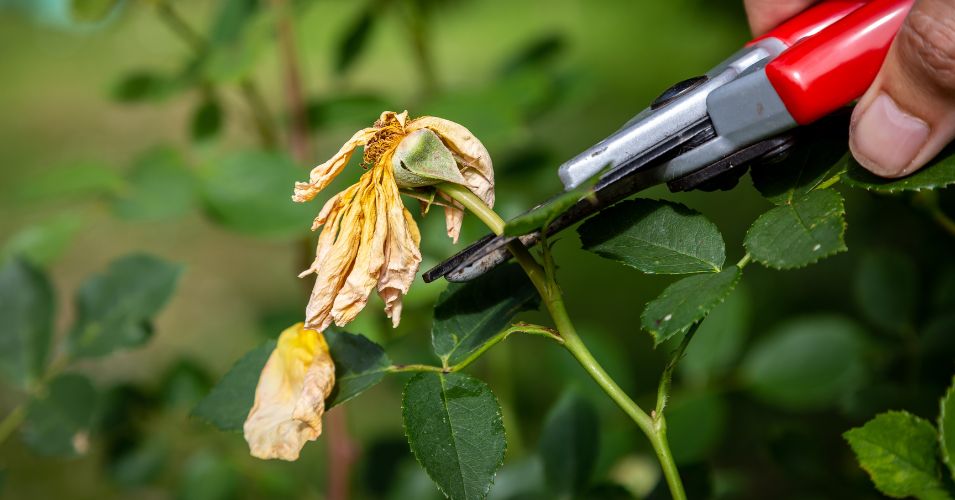
Many gardeners enjoy tidying up their flower beds in fall by cutting back and deadheading spent blooms. While this can often encourage healthier growth, there are certain flowers you should avoid deadheading at this time of year.
Their seed heads or faded blossoms serve an important role through winter, either protecting the plant, providing food for wildlife, or adding beauty to the landscape.
Knowing which flowers to leave alone helps your garden remain both healthy and vibrant. By resisting the urge to remove every faded bloom, you allow nature to continue its cycle into the colder months.
Here are some flowers you should never deadhead in fall if you want to support your garden and the wildlife that depends on it.
Coneflowers
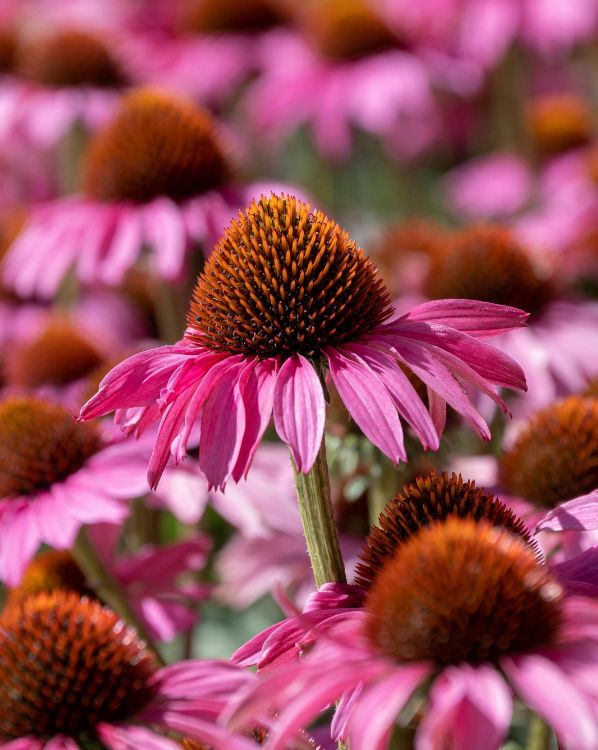
Coneflowers are one of the most beloved flowers in summer gardens, and their beauty continues to serve a purpose long after the petals have faded.
While many gardeners may be tempted to tidy them up in fall by cutting away the dried blooms, it is best to leave coneflowers untouched until spring. Their seed heads play a vital role during the colder months, both for the health of your garden and for the wildlife that visits it.
The tall, sturdy stalks of coneflowers hold up their spiky seed heads well into winter. These seed heads contain food that is highly valuable to birds when other sources are scarce.
Goldfinches, chickadees, and many other small birds flock to coneflowers, picking at the seeds through the frosty days. By leaving them in place, you transform your garden into a natural feeding station that helps wildlife survive the leanest season.
Beyond their role as a food source, coneflower seed heads also add visual interest to the garden. In fall and winter, when most plants are bare, the dark, spiked domes of the coneflowers create striking silhouettes.
Dustings of frost or snow can turn them into sparkling ornaments, making your garden look alive even in the coldest months. Many gardeners find that the dried seed heads give structure and texture that would otherwise be missing from winter landscapes.
Leaving coneflowers intact also benefits the plants themselves. Their seed heads protect the crown from harsh weather, and the seeds that fall naturally can lead to new growth in spring.
This self-seeding process ensures that your coneflowers will return year after year, often expanding into larger, more colorful patches with minimal effort on your part.
If you cut them back too early, you remove these natural advantages. By resisting the urge to deadhead in fall, you preserve a cycle that supports wildlife, enhances your garden’s appearance, and ensures healthier growth for seasons to come.
Coneflowers may not look as vibrant without their petals, but they still serve a powerful purpose long after the blooms fade.
Black-Eyed Susans
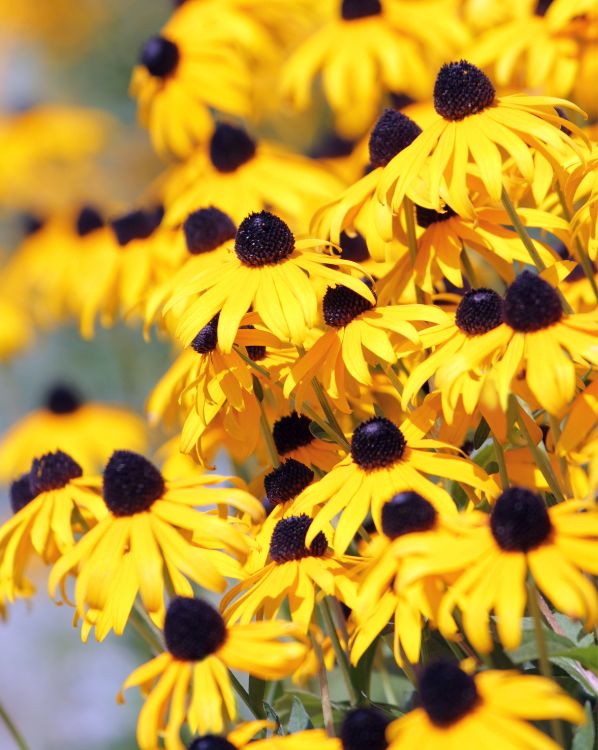
Black-eyed Susans are another flower you may choose not to deadhead in fall.
Like coneflowers, these cheerful yellow blooms with dark centers continue to provide benefits even after their bright petals have fallen away. Leaving the seed heads in place through autumn and winter supports both your garden’s ecosystem and the natural beauty of your landscape.
The seed heads of black-eyed Susans are a valuable food source for birds. Finches, sparrows, and other small songbirds rely on them when insects and other seeds are difficult to find.
By leaving these seed heads intact, you invite more wildlife into your yard, turning your fall garden into a hub of activity. Watching birds flutter among the dried flowers brings life to what might otherwise feel like a dormant season.
Aesthetic appeal is another reason to let black-eyed Susans stand. Their tall stalks and dark seed centers remain upright through much of winter, creating strong shapes that contrast beautifully against snow or frost.
These natural structures add depth and texture, giving your garden character even when color is scarce. The sight of their seed heads glistening on a cold morning is a reminder that beauty remains in every season.
From a practical perspective, leaving seed heads on black-eyed Susans allows them to reseed naturally.
Many gardeners enjoy how these plants spread on their own, filling in bare spots and creating dense patches of cheerful blooms the following year. Self-seeding reduces the need to buy and plant more, making your garden more sustainable.
Cutting them back in fall removes these benefits. However, if they were plagued with any diseases, they should be cut down and disposed of to avoid overwintering pathogens. If the plants are healthy, waiting until spring to tidy them up ensures that birds are fed, the garden stays visually appealing, and the plants continue to reproduce naturally.
Black-eyed Susans, like coneflowers, show that a garden’s value is not limited to its summer display. Even in their dried state, they remain an important part of a thriving and resilient garden.
Sunflowers
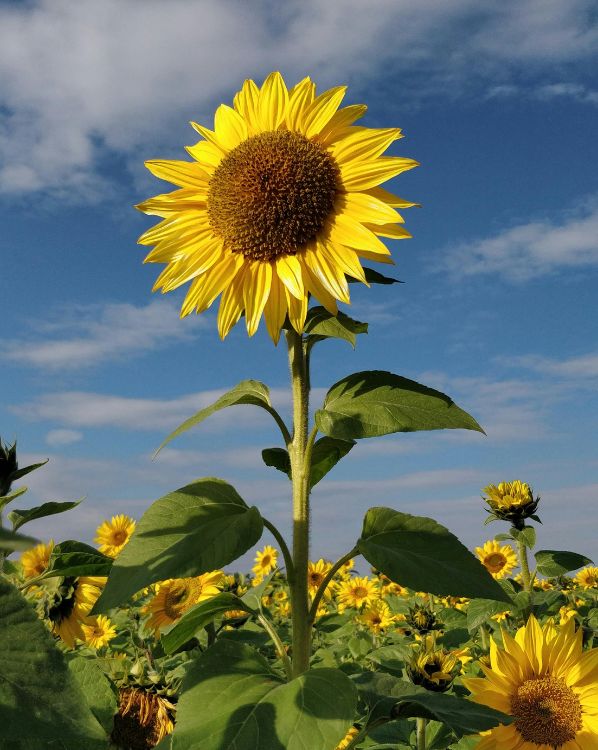
Sunflowers are often seen as the stars of summer gardens, with their bold, golden faces following the sun. But once fall arrives and their petals drop, many gardeners think it is time to clear them away.
In truth, leaving sunflowers standing through fall and even into winter provides remarkable benefits for both wildlife and the beauty of your landscape. These towering plants remain useful long after their peak bloom has passed.
One of the most important reasons not to deadhead sunflowers in fall is the incredible value of their seeds. Packed with nutrients, sunflower seeds are a vital food source for birds.
Cardinals, finches, chickadees, and even larger birds like jays flock to sunflower heads to feast when other resources grow scarce. By leaving the seed heads in place, you are offering a natural buffet that helps sustain wildlife through the colder months.
Beyond feeding birds, sunflower stalks themselves have ecological value. Their hollow stems provide shelter for insects, including beneficial pollinators that overwinter inside.
Bees, ladybugs, and other helpful species find refuge in the sturdy stalks, using them as protection until spring returns. By not cutting sunflowers down too early, you allow these creatures to survive and return to your garden when they are most needed.
Sunflowers also contribute to the visual charm of fall and winter gardens. Their dark seed heads and tall stalks add height and structure when most plants are fading.
A dusting of frost or snow turns them into dramatic sculptures, standing tall against a quiet landscape. Instead of seeing them as untidy, many gardeners find their silhouettes striking and artistic, adding a new layer of interest to the garden.
Leaving sunflowers to stand also allows for natural reseeding. Seeds that drop to the soil can sprout into new plants the following year, often creating unexpected bursts of color in fresh locations. This cycle reduces the need to replant and ensures your garden remains filled with cheerful blooms.
Deadheading too soon removes these opportunities. By keeping sunflowers in place until late winter or early spring, you provide food, shelter, beauty, and regeneration. They may look past their prime after summer, but their value in fall and beyond is far greater than many gardeners realize.
Ornamental Grasses
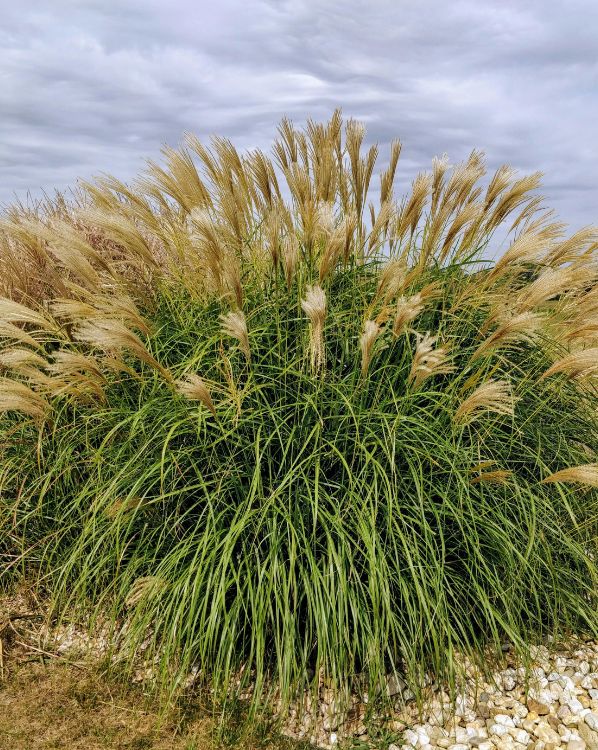
Ornamental grasses are among the most graceful plants in a fall garden, and their value continues long after summer has passed.
While some gardeners are tempted to cut them back once they begin to dry, it is best to leave them standing through fall and winter. Their tall plumes and delicate seed heads serve both aesthetic and ecological purposes that enrich the garden in unexpected ways.
The visual impact of ornamental grasses in fall is unmatched. Their plumes sway in the breeze, catching sunlight and adding movement when many other plants remain still.
As frost arrives, grasses often turn silvery or golden, shimmering beautifully in the low light of autumn afternoons. When snow falls, their tall stems trap flakes, creating sculptural shapes that bring elegance to winter landscapes. Cutting them too soon robs your garden of this natural artistry.
From a practical perspective, ornamental grasses provide valuable shelter for wildlife. Birds use their tufts and stems as protection from harsh winds, while small animals nest in the cover they provide.
The seed heads also serve as a source of food for birds, helping them survive when other resources are scarce. By leaving ornamental grasses intact, you are supporting the natural cycle of life in your yard.
Another benefit of leaving grasses standing is that it protects the crown of the plant itself. The dry stems act as insulation, shielding the base from extreme cold.
This natural barrier increases the plant’s ability to return healthy and full in the spring. Cutting them back in fall exposes the crown too early, leaving it vulnerable to freezing temperatures.
Ornamental grasses also add structure to the garden. Their tall, arching shapes act as a backdrop for other plants and keep beds from looking bare in the dormant season. Even without bright flowers, grasses bring rhythm and texture, reminding you that gardens can remain beautiful in every stage.
By resisting the urge to trim ornamental grasses in fall, you preserve their beauty, provide food and shelter for wildlife, and protect the plant itself. Come spring, you can cut them back to allow for fresh green growth, but until then, their presence enriches your garden in countless ways.
Sedum
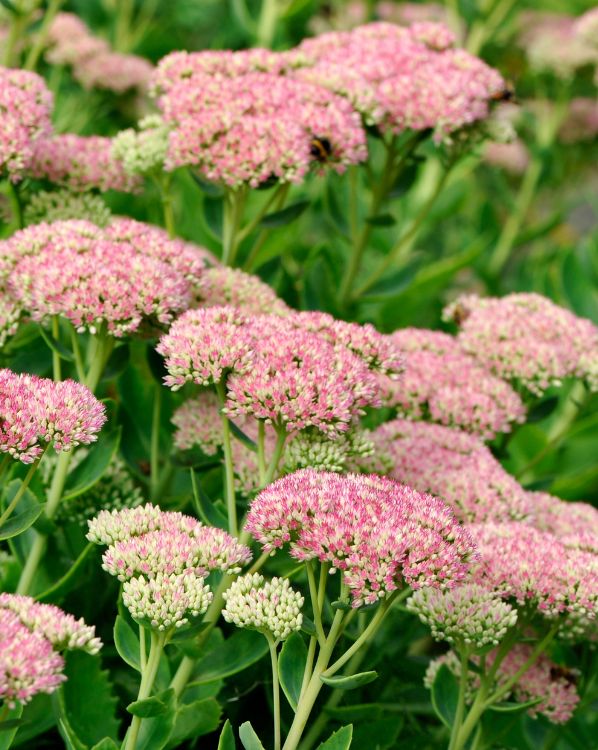
Sedum, also known as stonecrop, is a hardy perennial that adds beauty to gardens long after many other flowers have faded. With its thick, fleshy leaves and clusters of star-shaped blooms, sedum thrives in tough conditions and shines in the late summer and fall garden.
While it may be tempting to cut back or deadhead sedum once the flowers begin to dry, leaving the plant alone through fall and winter brings many benefits both for the plant and for the overall garden landscape.
One of the main reasons to avoid deadheading sedum in fall is the striking visual interest it continues to provide. The dried flower heads remain upright and sturdy, creating architectural shapes that add texture to the garden.
When frost settles on them, the blooms sparkle in the morning light, and a blanket of snow turns them into natural sculptures. Instead of empty spaces, sedum offers height and beauty even in the quiet months of the year.
Sedum also serves as an important food source for wildlife. Birds are drawn to its dried seed heads, pecking at them when other options are limited.
By leaving sedum intact, you create a natural feeding station that supports bird populations throughout the cold season. Watching them forage among the flower clusters adds life and movement to the garden, even on gray winter days.
Another benefit of not cutting sedum back is the protection it provides for the plant itself. The dry stems and flowers shield the crown from harsh winter weather. This insulation helps the plant conserve energy and protects new growth that will emerge in spring.
By waiting until late winter or early spring to trim away the old stalks, you give the plant the best chance of returning healthy and full.
Sedum is also a valuable plant for pollinators, and leaving it untouched through fall allows late-flying bees and insects to take advantage of the last bits of nectar before winter sets in.
Even after the blooms are past their peak, sedum continues to play a role in the garden’s ecosystem.
By avoiding the urge to deadhead sedum in fall, you preserve its structure, support wildlife, and protect its health. This low-maintenance choice rewards you with beauty and function in every season, reminding you that not all pruning needs to be done right away.
Final Thoughts
Not every flower should be cut back when fall arrives. Some plants, like coneflowers, black-eyed Susans, sunflowers, ornamental grasses, and sedum, hold hidden value long after their peak bloom is over.
They provide food for birds, shelter for insects, and striking forms that bring beauty to otherwise bare gardens. By leaving these plants untouched until spring, you create a space that supports nature while remaining visually rich.
A garden does not end its story in fall, it simply takes on a different role, offering strength, texture, and life through the coldest months of the year.