
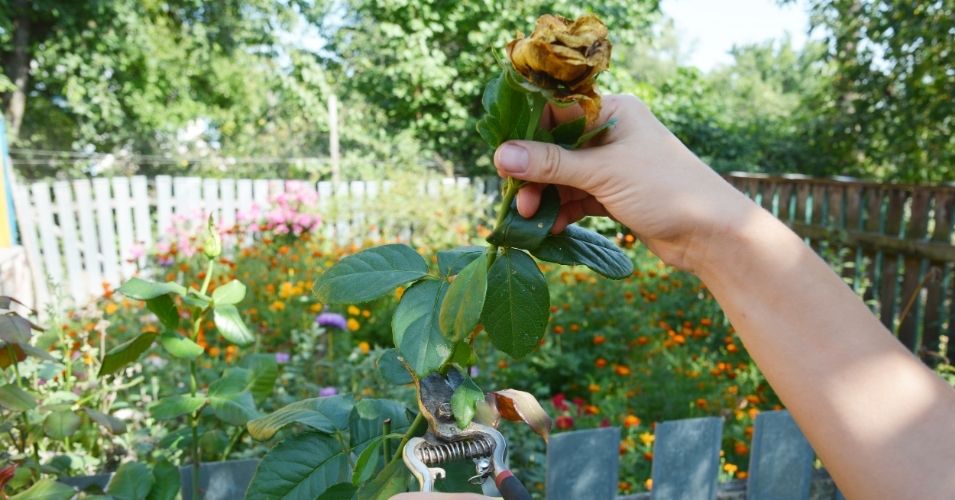
Fall is a season of transition in the garden, when plants begin to fade and prepare for the dormancy of winter. For gardeners, it is also a time to step in and give certain plants the attention they need to stay healthy for the year ahead.
Cutting back at the right time ensures that plants conserve energy, resist disease, and return stronger in spring.
Not every plant benefits from being trimmed in autumn, but several popular flowers and perennials do. By knowing which ones to cut back, you can give your garden a cleaner look and a healthier start next year.
Peonies
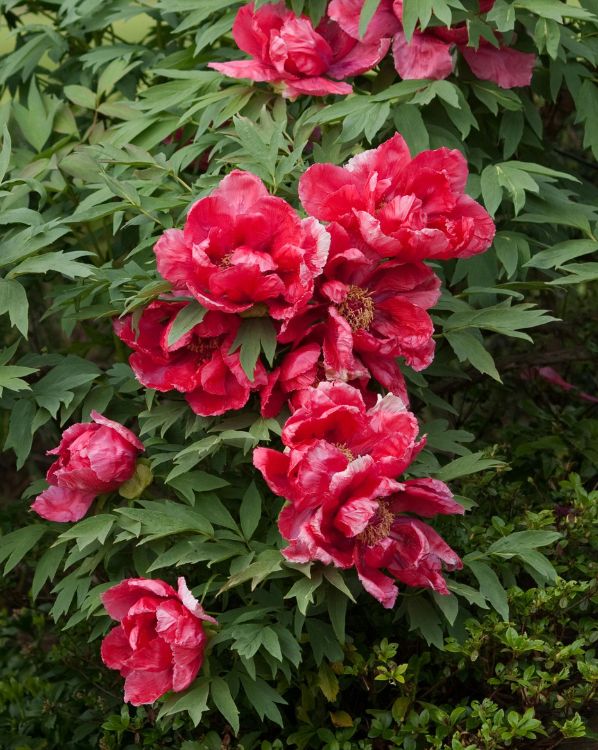
Peonies are some of the most breathtaking flowers in spring and early summer, but by the time fall arrives, they begin to look tired and worn. Cutting them back in autumn is one of the best steps you can take to ensure their continued health and vigor.
Peony stems and leaves often develop spots of powdery mildew or botrytis blight as the season progresses. If these are left standing over winter, the diseases can linger in the dead foliage and return stronger in spring.
By cutting peonies down to the ground in fall, you remove these risks and protect the plant’s crown.
Another reason to cut back peonies in fall is to help the plant conserve its energy. Once the blooms have faded and the leaves start to yellow, the plant has already pulled much of the nutrition it needs back into its root system.
Leaving the foliage up past this point serves little purpose. Cutting it away allows the plant to rest during winter without unnecessary strain. It also prevents the garden from looking cluttered with messy, dying foliage that distracts from autumn’s natural beauty.
The process is simple. Once frost has blackened the foliage, trim the stems down to about one to two inches above the soil line. Removing the old growth at this time gives you a clean slate for spring and prevents pests from hiding in the debris.
Dispose of the foliage rather than composting it if you suspect any disease, since fungal spores can survive in compost piles and reinfect your plants later.
Peonies are long-lived perennials, often lasting for decades when cared for properly. Cutting them back each fall is a small but important step that supports their health, helps prevent disease, and ensures that those lush, fragrant blooms return year after year.
Daylilies
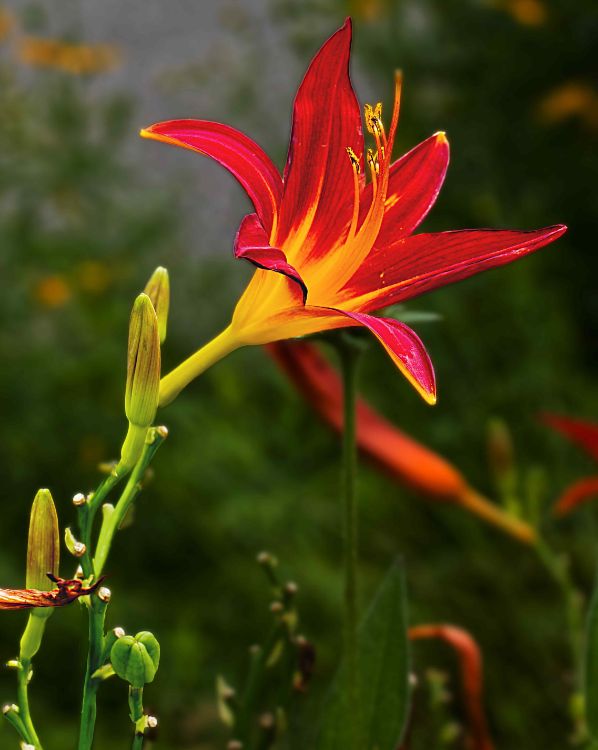
Daylilies are reliable garden favorites, producing waves of colorful blooms that brighten beds throughout summer. By fall, however, their foliage often turns yellow, brown, and floppy, creating a messy look in the garden.
Cutting daylilies back in fall helps restore order to the landscape while also protecting the plants from disease and pests. Since daylilies spread in clumps, the old leaves can mat down over winter and trap moisture, creating a breeding ground for rot.
Trimming them back keeps the crown dry and ready to regrow when spring returns.
Fall is also a good time to divide daylilies if the clumps have become crowded. Cutting back the foliage makes it easier to lift and separate the plants, ensuring each new division has enough room to establish strong roots.
This keeps the plants vigorous and helps them continue producing abundant blooms year after year. Without regular thinning, daylilies can become overcrowded, leading to fewer flowers and weaker plants overall.
Another benefit of cutting back daylilies in fall is that it improves the overall appearance of the garden. Instead of leaving behind patches of limp, dying leaves, you create a neat and tidy look that pairs well with other fall plantings like mums or ornamental cabbages.
This simple maintenance task also makes it easier to mulch around the plants, providing extra insulation for the roots during the cold months.
To cut back daylilies, wait until frost has damaged the leaves and then trim them down to just a few inches above the ground. Remove any dead foliage from the bed to prevent pests from overwintering there. Like peonies, daylilies appreciate a clean environment that reduces the risk of disease and allows them to start fresh in spring.
By cutting back daylilies each fall, you not only improve their health but also set the stage for a beautiful display the following summer. These resilient plants reward simple, consistent care with vibrant blooms that bring joy to the garden year after year.
Hostas
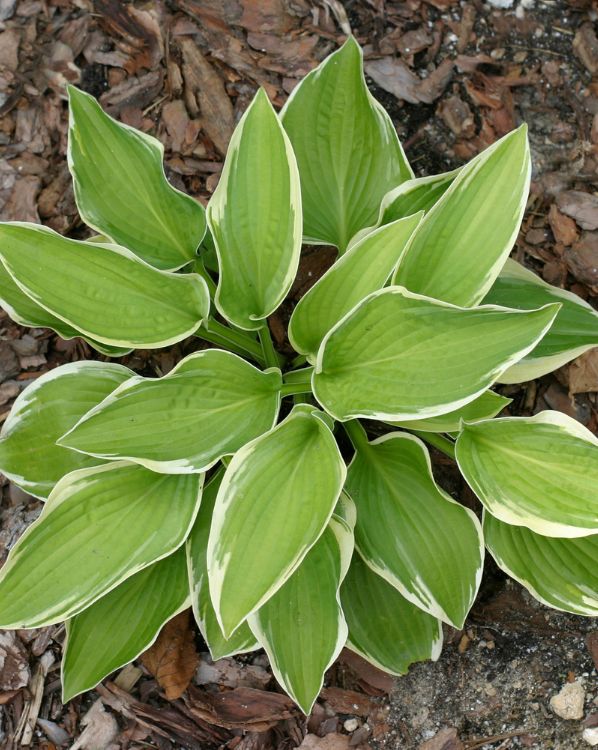
Hostas are beloved for their lush foliage and ability to brighten shady corners of the garden, but by fall, their leaves often begin to collapse and turn yellow or brown. Cutting them back at this stage is one of the most beneficial tasks you can do for their long-term health.
As the first frosts arrive, hosta leaves naturally start to break down and leaving them in place can invite pests such as slugs to overwinter in the decaying material. By trimming hostas down to the ground, you remove this habitat and help keep pest populations under control.
Disease prevention is another important reason to cut back hostas in fall. Their broad leaves are prone to fungal problems such as anthracnose, which thrives in damp, decaying foliage.
If the leaves are left to rot on the soil surface, the spores can easily reinfect plants the following spring. Removing the foliage in fall ensures that the soil is cleaner and less likely to harbor these diseases, giving your hostas a healthier start when they emerge again.
Cutting hostas back also improves the look of your garden heading into winter. Hostas die back completely each year, leaving behind soggy, unsightly leaves if they are not trimmed.
A tidy cut at ground level makes the bed look neat and allows you to apply mulch more easily. A layer of mulch not only adds visual polish but also insulates the crown, protecting it from extreme cold and temperature fluctuations.
The process is simple. Once frost has damaged the leaves, use clean, sharp shears to cut each stem down to about an inch above the soil line. Remove and discard the debris rather than composting it if there are signs of disease.
This small act of care ensures that your hostas will reemerge in spring with strong, fresh foliage ready to fill your garden once more.
Black-Eyed Susans
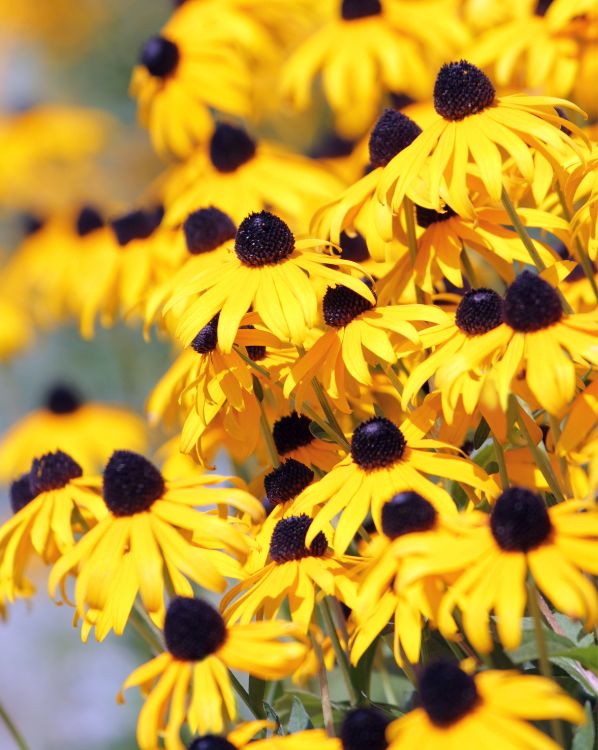
Black-eyed Susans, with their golden petals and dark centers, are one of the most cheerful flowers of late summer and fall. While they put on a dazzling show for weeks, their blooms eventually fade, leaving behind seed heads and dry stalks.
Cutting them back in fall is a key step for keeping these perennials healthy and productive for the following year. Trimming also prevents self-seeding, which can otherwise lead to an overwhelming number of seedlings popping up where you may not want them.
One key reason to cut back black-eyed Susans is disease prevention. These plants are prone to powdery mildew and leaf spot, especially in humid weather. If infected foliage is left standing over winter, the disease can overwinter as well, ready to spread again in spring.
By cutting the plants down to the ground after the first frost, you reduce the chances of recurring problems. Removing dead stems and leaves helps create a cleaner environment where new growth can thrive.
Another benefit of fall pruning is controlling the spread of the plant. While some gardeners appreciate the naturalizing effect of black-eyed Susans, their seeds can travel quickly and sprout in areas where they are not wanted.
Cutting them back before the seeds scatter allows you to enjoy their beauty without worrying about them taking over other parts of the garden. This is especially helpful in smaller spaces where every plant needs to stay within its designated spot.
Aesthetic appeal also plays a role. Once the flowers have finished blooming, the dried stalks and seed heads can make the garden look messy.
Cutting them back restores order and prepares the bed for winter mulch or early spring plantings. A tidy fall cleanup sets the stage for strong, healthy plants when the warm weather returns.
By cutting back black-eyed Susans in fall, you not only prevent disease and manage their spread but also give your garden a polished appearance. These resilient flowers will reward your efforts with another season of bright, joyful blooms that light up the garden when summer returns. If feeding the birds is a primary goal, only leave healthy stems standing.
Bee Balm
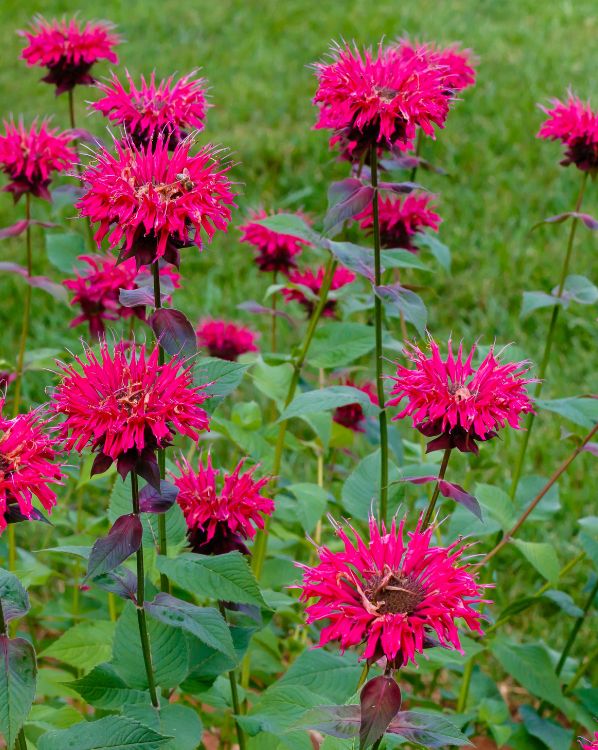
Bee balm is a striking perennial known for its bright, spiky blooms that draw in pollinators such as bees, butterflies, and hummingbirds all summer long. Yet as fall sets in, bee balm begins to lose its vigor, and the once bold flowers fade to brown seed heads while the foliage often becomes spotted with mildew.
Cutting back bee balm in fall is one of the best ways to preserve its health, control disease, and prepare the plant for a stronger return in spring.
One of the main reasons to cut bee balm back in fall is to combat powdery mildew. This disease is common on bee balm, especially in damp conditions where airflow is poor.
The white, powdery coating that develops on the leaves does not go away once it appears, and leaving infected foliage in place over winter only allows the disease to overwinter. By trimming bee balm stems down to a few inches above the soil line, you remove the diseased leaves and stop spores from carrying over to the next year.
Cutting back bee balm also helps to manage its spreading growth habit. This plant belongs to the mint family, and like its relatives, it can spread aggressively through underground rhizomes.
If left unchecked, bee balm can quickly take over large areas of the garden, crowding out more delicate perennials. Pruning it back in fall not only tidies the garden but also gives you the opportunity to thin the clumps or divide them if needed. This keeps the plant healthy and prevents overcrowding.
Appearance is another reason fall pruning is important. Bee balm’s stems turn brown and brittle as the season progresses, leaving behind an untidy patch if they are not cut down.
Trimming them creates a cleaner look in the garden, and it makes mulching easier. Adding mulch after cutting back bee balm insulates the roots, helping them withstand freezing temperatures and reducing stress on the plant.
Bee balm is a resilient perennial, and with proper fall care, it rewards gardeners with vibrant blooms year after year. Cutting it back in fall is a small but meaningful step that keeps the plant healthy, disease free, and ready to shine again when summer arrives.
Final Thoughts
Fall is a critical time in the gardening calendar, offering a chance to prepare plants for the winter ahead and set the stage for success in the spring.
Peonies, daylilies, hostas, black-eyed Susans, and bee balm all benefit from being cut back once their season of growth has ended. This not only prevents disease and discourages pests but also keeps the garden looking neat as it transitions into winter.
By trimming the right plants at the right time, you reduce future problems and help perennials conserve their strength for the next growing season. Your efforts in fall ensure that the plants return healthier, stronger, and more abundant with blooms.
With thoughtful care and seasonal maintenance, your garden will reward you with beauty and vigor, proving that a little work in fall can make all the difference in the seasons to come.