
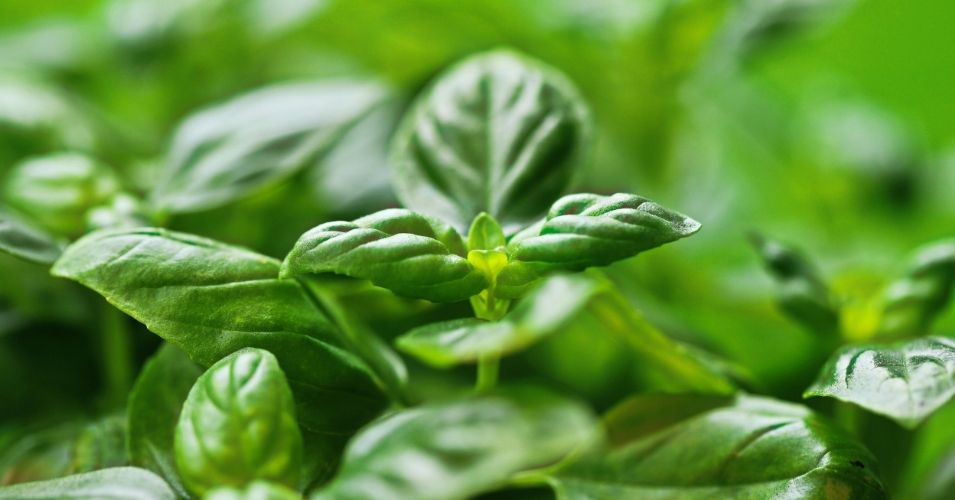
As summer begins to fade and cooler days arrive, basil plants face a season of transition. This herb thrives in warmth and sun, yet fall brings shorter days, lower temperatures, and slower growth.
Without the right adjustments, basil can struggle and lose its vitality before winter even begins.
By learning how to care for basil in fall, you can stretch its season, keep the leaves flavorful, and even prepare for future harvests.
The key is to balance protection with preparation, ensuring that your basil continues to serve your kitchen and garden as the year winds down.
Keeping Basil Hydrated as Temperatures Drop
Basil is a sun-loving herb that thrives in the warmth of summer but fall brings changes that directly affect how often and how much water it needs. As the air cools and the days shorten, basil naturally slows its growth.
This slowdown means the plant no longer takes up water at the same pace it once did. Overwatering becomes one of the biggest dangers during fall, as cooler soil holds moisture for longer periods.
The best way to water basil in fall is to follow the soil, not the calendar. Before reaching for the watering can, test the ground by pressing your finger into the top two inches of soil.
If it feels dry at that depth, then it is time to water. If it is still damp, give the plant more time. This simple habit prevents water from pooling around the roots and lowers the risk of rot, which basil is especially sensitive to in cooler months.
When you do water, focus on giving the plant a deep soak at the base rather than frequent light sprinkling. Deep watering encourages roots to grow down into the soil, where they are protected from temperature swings.
Avoid splashing water on the leaves, since the cooler, damp air of fall can encourage fungal diseases like downy mildew. Watering at the base keeps moisture where it is needed most and helps keep the foliage dry.
Mulching is another effective way to manage moisture as temperatures drop. A thin layer of straw or shredded leaves around the base of the plant helps regulate soil conditions.
Mulch prevents the soil from drying out too quickly in windy fall weather, yet also insulates the roots against sudden cold snaps. Be sure not to pile mulch directly against the stem, as this can trap too much moisture.
By shifting your watering habits in fall, you help basil ease into the season without stress. The key is moderation and observation. Allow the soil to guide you, provide water deeply when needed, and protect the roots with mulch.
With these steps, basil will remain hydrated but not overwhelmed as temperatures decline.
Light Levels for Healthy Leaves
As fall sets in, shorter days and a lower sun angle mean basil receives far less light than during the height of summer.
Since basil is an herb that thrives on strong sunlight, this change can quickly lead to pale, weak, or leggy growth if not addressed. Light is just as important as water in fall, and making adjustments ensures the leaves remain green, fragrant, and full of flavor.
Ideally, basil should receive at least six hours of bright light each day. In fall, a south-facing window becomes the best indoor spot, as it captures the strongest rays of the season.
If you keep basil outdoors, position it where it gets maximum sunlight before temperatures drop too low. Rotating the plant every few days helps the leaves receive even exposure and prevents one side from stretching more than the other.
For many regions, natural light alone is not enough as the season advances. This is where supplemental grow lights can make a difference.
A full-spectrum LED light placed 6 to 12 inches above the basil provides the energy it needs to continue producing strong leaves. Keeping the light on for 12 to 14 hours a day helps make up for the reduced daylight hours and prevents the plant from becoming spindly.
Too little light in fall often leads to a condition known as etiolation, where basil stretches toward the nearest light source. The stems become long and thin, and the leaves lose their vibrant color and fullness. Once this happens, the plant becomes weaker and less productive. By monitoring light levels early and taking steps to improve them, you prevent this from happening.
It is also important not to overcompensate by giving basil too much harsh, direct light. Strong midday sun through a window can scorch the leaves, leaving brown patches. The best approach is steady, bright light that is either filtered or provided artificially through grow lights.
With the right light adjustments, basil remains healthy and flavorful well into the fall. Strong, green leaves not only improve the plant’s appearance but also extend your supply of fresh herbs for cooking, even as the season darkens.
Soil and Container Choices in Cooler Months
As temperatures begin to drop, the soil and container that hold your basil play a critical role in its survival.
In summer, basil can tolerate lighter soil that dries quickly under the sun, but in fall the slower pace of evaporation means conditions must be carefully managed. Choosing the right soil and container ensures the roots stay healthy and avoids problems that can shorten the plant’s life.
The best soil for basil in fall is a well-draining, nutrient-rich blend. Standard potting soil can be improved by mixing in sand or perlite, which increases air pockets and prevents soggy conditions.
This is essential because roots that sit in heavy, damp soil during cooler months are far more likely to rot. A loose, airy mix allows water to flow through while still holding enough moisture for the plant to absorb gradually.
If your basil is grown in a container, the type of pot matters as much as the soil. Clay or terracotta pots are excellent choices in fall because their porous walls allow extra moisture to evaporate, reducing the risk of waterlogged roots. Plastic pots can also work, but they trap more moisture and require closer attention to watering habits.
No matter what kind of pot you choose, always make sure it has a drainage hole at the bottom. Without proper drainage, even the best soil mix will not prevent damage.
Container size is another factor to consider. Oversized pots may seem like they offer more room, but they hold too much soil for the plant’s needs, which means excess water lingers around the roots.
A pot that comfortably fits the basil’s root system without being overly large is ideal in fall. This balance prevents the soil from staying damp for too long between waterings.
Repotting can be helpful if your basil has outgrown its container or if the soil has become compacted over the summer. However, handle the plant gently since fall is not the most active season for recovery. Fresh soil with good drainage can extend the plant’s life and keep it producing flavorful leaves into the cooler months.
By pairing the right soil mix with a carefully chosen container, you provide basil with a stable foundation that supports its health during fall. These adjustments allow the plant to thrive in slower growing conditions and prepare it for the challenges of approaching cold weather.
Defending Basil Against Cold Temperatures
Cold temperatures are one of the biggest threats to basil in fall. Unlike hardy perennials, basil is highly sensitive to chilly air and will quickly show signs of stress if left unprotected.
Even a light frost can damage its tender leaves, turning them black and mushy almost overnight. To keep basil thriving in fall, steps must be taken to shield it from the cold.
If your basil is growing outdoors, pay close attention to the forecast as fall advances. Once nighttime temperatures begin to dip below 50 degrees Fahrenheit, basil starts to suffer. When the forecast predicts colder nights, bring potted basil indoors to a warm, sunny location.
For basil planted directly in the ground, covering it with a lightweight row cover, sheet, or garden cloth can offer protection during cool evenings.
Indoor placement is key for long-term survival. Choose a warm room with steady temperatures, ideally above 60 degrees Fahrenheit. Avoid placing the plant near drafty windows, exterior doors, or heating vents. Drafts can chill the plant, while blasts of hot air can dry out the leaves. A stable environment keeps basil less stressed and more productive as the season winds down.
For gardeners in regions with unpredictable weather, growing basil in portable containers is one of the easiest solutions. Pots can be shifted outdoors on mild days to enjoy fresh air and sunshine, then quickly moved back indoors at night. This flexibility allows you to maximize light exposure while keeping the plant safe from sudden temperature drops.
Mulching also provides protection when basil remains outdoors late into fall. A light layer of straw or shredded leaves around the base of the plant insulates the soil, protecting roots from sudden cold snaps. While mulch will not protect the leaves themselves, it helps the plant hold on longer by reducing root stress.
If your goal is to keep basil alive through the entire winter, cuttings can be another form of protection. Snip healthy stems and root them in water indoors. Once rooted, they can be potted and grown on a sunny windowsill where they remain safe from the cold. This not only preserves your basil but also provides a continuous supply of fresh herbs for cooking.
By defending basil against cold temperatures with indoor relocation, covers, mulch, or cuttings, you give it the best chance of survival beyond its natural season. With thoughtful protection, basil can continue offering its fragrance and flavor long after the warm days of summer have passed.
Harvest and Preservation Before Winter
Basil is known for its tender leaves and rich aroma, but as fall deepens, it becomes clear that the plant will not survive the season outdoors in most climates.
This makes harvest and preservation important steps to ensure that you can enjoy basil long after the plant itself has faded. With thoughtful harvesting and smart storage methods, the flavor of summer can be carried into the cold months.
The first step is to harvest basil before frost damages the leaves. Even a light frost can turn them black and unusable. Aim to cut your basil when nights consistently drop below 50 degrees Fahrenheit, as that is often the signal that colder weather is approaching.
Use clean scissors or garden shears to snip stems just above a leaf node, which encourages side shoots if the plant continues growing indoors. Harvesting in this way not only provides fresh leaves but also helps the plant stay bushy and healthy for as long as possible.
For preservation, drying is a simple option. Gather small bunches of stems, tie them together, and hang them upside down in a dry, airy room away from direct sunlight. Once the leaves are crisp, crumble them into jars for easy use in cooking. While drying does reduce some of basil’s bright flavor, it is a convenient way to keep it available.
Freezing is another excellent preservation method, and it better retains the herb’s natural taste. Chop fresh basil leaves and place them in ice cube trays with water or olive oil, then freeze.
These cubes can be added directly to sauces, soups, and sautés for a burst of basil flavor. Another option is making pesto with basil, garlic, nuts, cheese, and oil, then freezing it in small portions. This way, the richness of basil is preserved in a ready-to-use form.
Storing fresh basil leaves can also be done for short periods by keeping stems in a jar of water on the counter, like cut flowers. Covering the leaves loosely with a plastic bag helps them stay fresh for several days. While this method does not last as long as drying or freezing, it is perfect for enjoying basil immediately after harvest.
By harvesting basil carefully and preserving it through drying, freezing, or making pesto, you can carry the essence of summer into your fall and winter meals. Taking these steps before the cold sets in guarantees that the work you put into growing basil does not end when the season does.
Final Thoughts
Caring for basil in fall is about giving attention to details that help the plant endure cooler days while also making sure its flavor is not lost to frost.
Adjusting water, protecting from cold, and ensuring proper soil all contribute to extending the life of your basil.
Harvesting and preservation bring the final reward, letting you enjoy the herb even as the garden rests.
Fall may mark the end of basil’s outdoor season, but it is also the beginning of a new way to use and appreciate it. With care, you can keep its presence in your kitchen alive through the colder months.